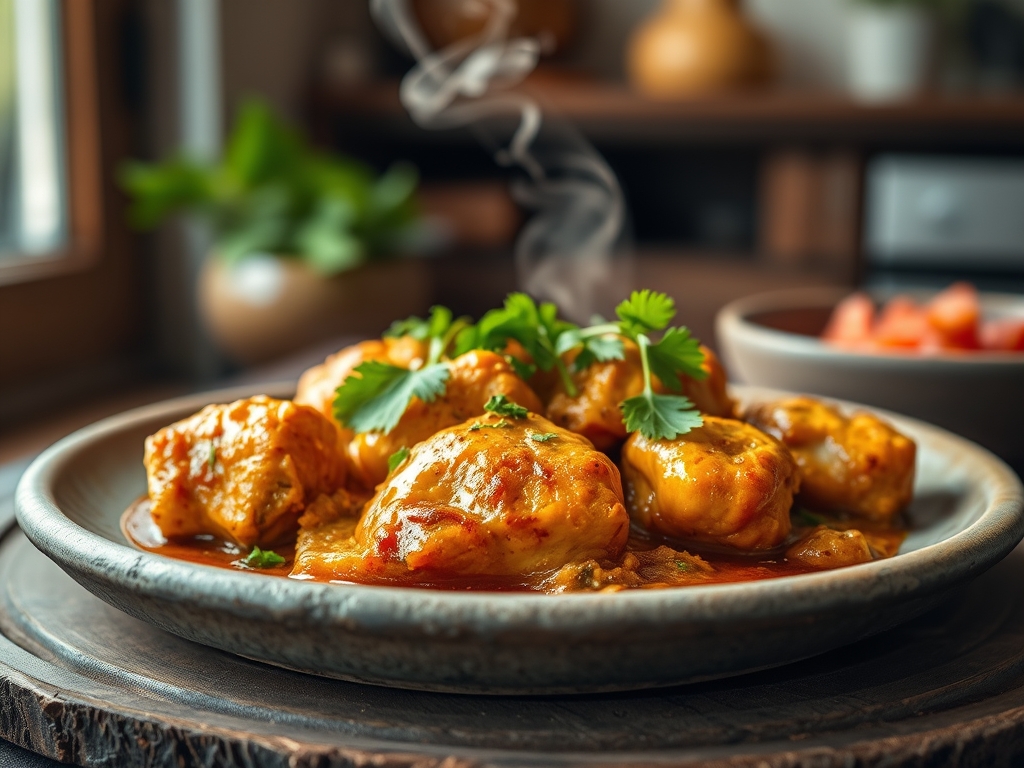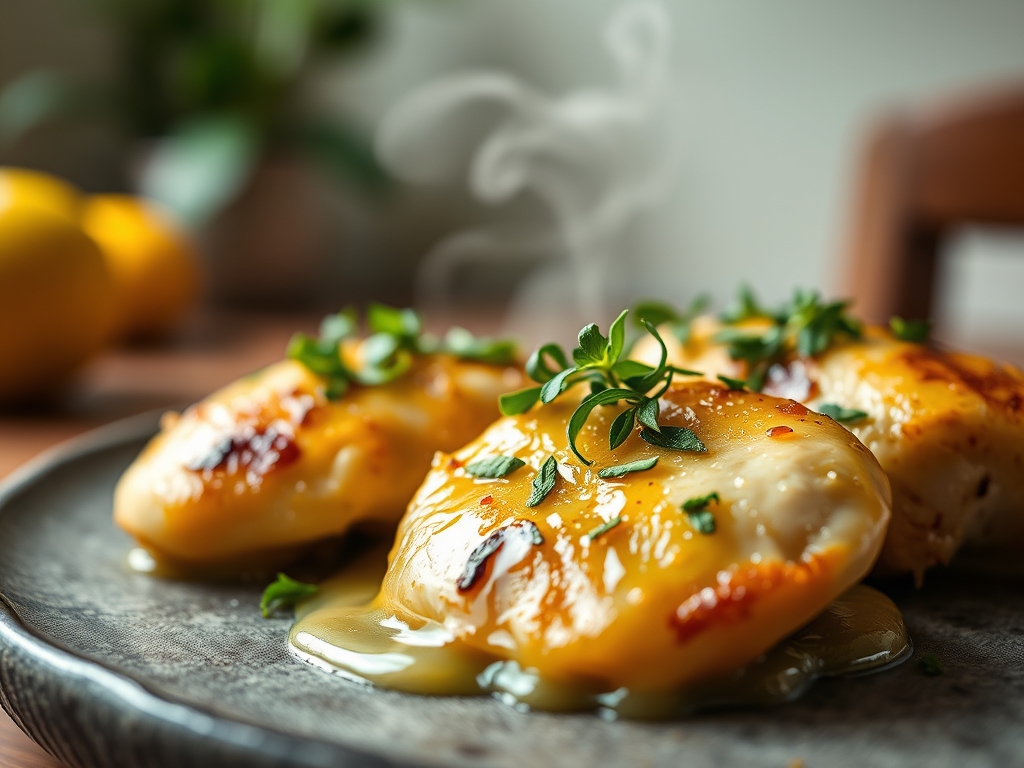
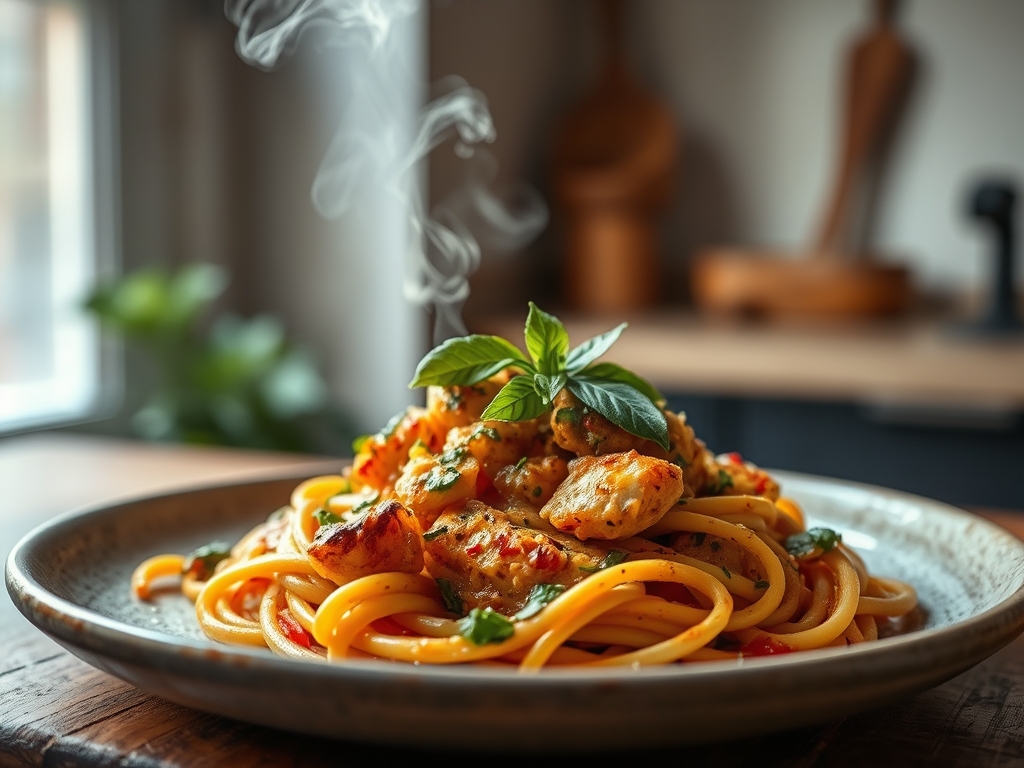
Imagine the scent of toasted garlic and bird's eye chilies hitting a heavy bottomed skillet; it is a sensory alarm clock for your kitchen. When you are craving the perfect balance of heat and protein, spicy pasta chicken recipes offer the ultimate solution for high density flavor and satisfying macros. We are moving beyond basic heat to explore the complex chemistry of capsaicin and starch.
The Gathers:
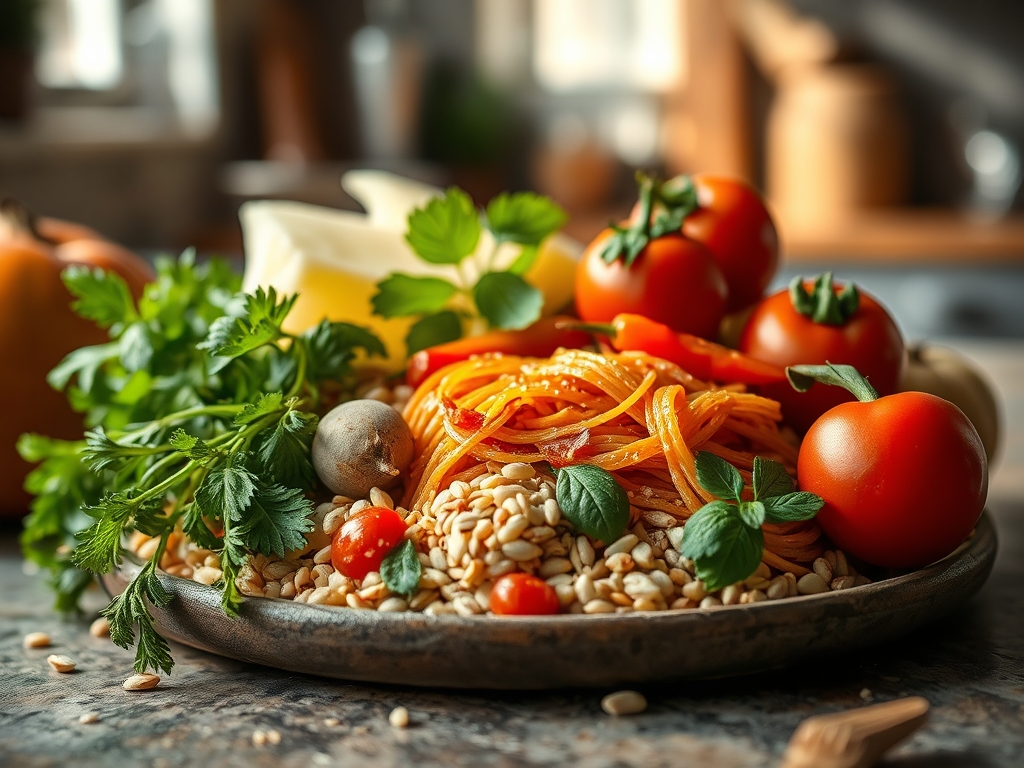
To master these spicy pasta chicken recipes, your mise en place must be precise. Start with high quality chicken thighs because they contain more connective tissue than breasts; this allows them to remain succulent during high heat searing. You will need a microplane for your aromatics. Grating garlic and ginger instead of mincing them increases the surface area, which leads to a more rapid release of essential oils and a more viscous sauce base.
For the heat, gather a variety of sources. Dried chili flakes provide a baseline warmth, while fresh habaneros or serranos offer bright, acidic notes. Do not forget the emulsifiers. To achieve that glossy, restaurant quality finish, you need cold, unsalted butter and freshly grated Parmigiano Reggiano. The proteins in the cheese and the fats in the butter work with the pasta water to create a stable emulsion.
Smart Substitutions:
If you are looking to lighten the dish, swap the heavy cream for a splash of starchy pasta water and a dollop of Greek yogurt. For a deeper umami profile, replace standard salt with a teaspoon of white miso paste. If you lack fresh chilies, a high quality Calabrian chili paste is a professional secret for consistent, controlled heat.
The Clock
Efficiency in the kitchen is about managing the Chef's Flow. This entire process should take no more than 35 minutes from first chop to final garnish. Prep requires 15 minutes of focused knife work; use a bench scraper to move your aromatics cleanly from the board to the pan. The active cooking time is approximately 20 minutes.
The secret to timing is starting your pasta water before you even touch the chicken. By the time your skillet is hot and the chicken is rendered, your water should be at a rolling boil. This ensures the pasta is finished exactly when the sauce reaches its peak consistency, preventing the noodles from becoming gummy while they wait.
The Masterclass
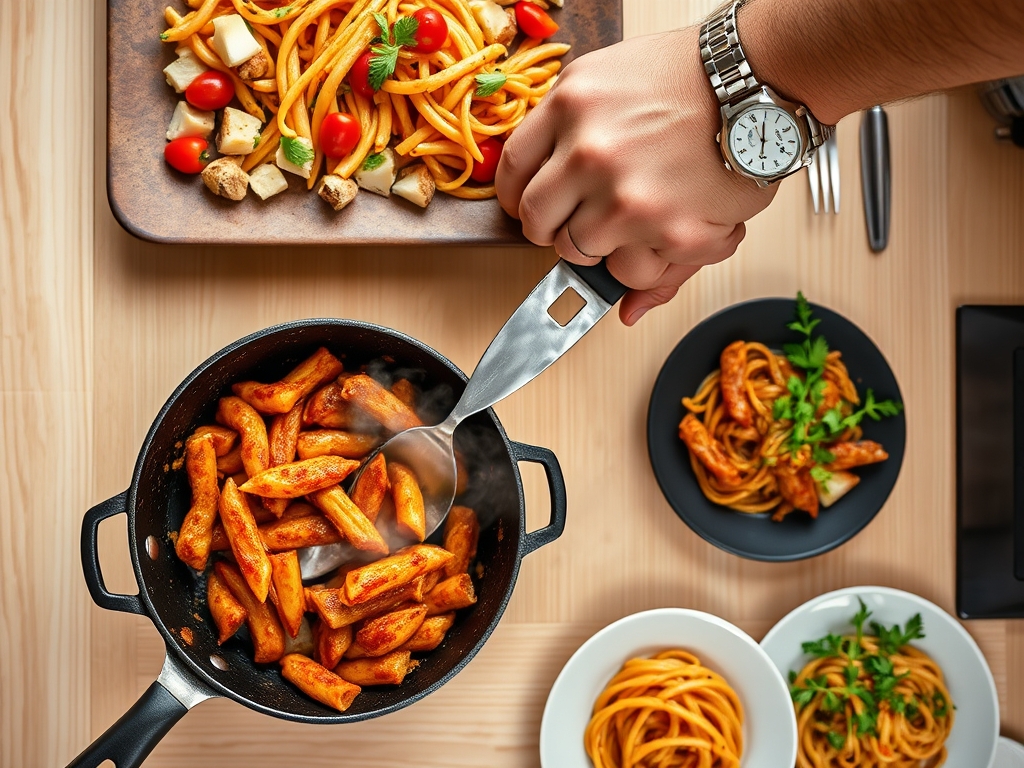
1. The Maillard Sear
Pat your chicken dry with paper towels to remove surface moisture. Heat your saucier or skillet until the oil shimmers. Lay the chicken in the pan and do not move it for at least four minutes.
Pro Tip: This relies on the Maillard Reaction, a chemical reaction between amino acids and reducing sugars that creates hundreds of different flavor compounds. If the pan is too crowded, the chicken will steam instead of sear, losing that golden crust.
2. Deglazing the Fond
Once the chicken is browned and removed, you will see brown bits stuck to the bottom of the pan. This is called the fond. Pour in a splash of dry white wine or chicken stock and use a wooden spoon to scrape those bits into the liquid.
Pro Tip: Deglazing is a solvent based extraction. The alcohol in wine helps dissolve flavor molecules that are not water soluble, resulting in a sauce with significantly more depth and complexity.
3. Infusing the Aromatics
Add your grated garlic, shallots, and chilies to the pan. Sauté them over medium heat just until they become fragrant. You want to infuse the oil without burning the delicate garlic solids.
Pro Tip: Capsaicin is fat soluble. By sautéing your peppers in oil before adding liquid, you distribute the heat evenly throughout the entire dish rather than leaving it in isolated, spicy pockets.
4. The Pasta Water Addition
Just before your pasta reaches al dente, use a ladle to pull out half a cup of the cloudy cooking water. Add this to your sauce base along with your chicken and pasta.
Pro Tip: Pasta water contains released starches that act as a thickening agent. This liquid helps the sauce "cling" to the noodles through a process of molecular binding, preventing the sauce from pooling at the bottom of the bowl.
5. Mounting the Sauce
Turn off the heat and add your cold butter and cheese. Toss vigorously with tongs to incorporate air and create a silky finish.
Pro Tip: This is called mounting with butter (monter au beurre). Keeping the heat off prevents the emulsion from "breaking," which happens when the fats separate from the solids, leaving you with a greasy mess.
The Deep Dive
Spicy pasta chicken recipes are a powerhouse of nutrition. A standard serving provides approximately 35 grams of protein and 50 grams of complex carbohydrates. To make this Keto friendly, replace the pasta with zoodles or konjac noodles. For a Vegan version, swap the chicken for roasted oyster mushrooms and use nutritional yeast instead of parmesan.
The Fix-It:
- Sauce is too thin: Continue to toss the pasta over low heat; the starch will eventually tighten the liquid.
- Too much heat: Add a squeeze of lemon juice or a teaspoon of sugar. Acid and sugar are the chemical antagonists to capsaicin.
- Chicken is dry: You likely overcooked it. Next time, use a digital scale to ensure even portions and pull the chicken at 160 degrees Fahrenheit to allow for thermal carryover.
Meal Prep Science:
When reheating, the pasta will have absorbed most of the moisture. To restore "day one" quality, add a tablespoon of water or broth before microwaving. This creates steam that re-hydrates the starch molecules, preventing a rubbery texture.
The Wrap-Up
Mastering spicy pasta chicken recipes is about more than just following a list of ingredients; it is about understanding the physics of the pan. By controlling your emulsions and respecting the sear, you transform a simple weeknight meal into a restaurant caliber experience. Grab your favorite skillet and start experimenting with those heat levels!
The Kitchen Table
How do I make my spicy pasta sauce creamier?
Add a splash of starchy pasta water and cold butter at the very end. Use a vigorous tossing motion with tongs to create a stable emulsion between the fats and the starch, resulting in a velvety, professional finish.
Which chicken cut is best for spicy pasta?
Boneless, skinless chicken thighs are superior to breasts. They have a higher fat content and more connective tissue, which allows them to stay juicy and flavorful even when exposed to the high heat required for a proper sear.
Can I make this dish gluten free?
Yes, use a high quality brown rice or chickpea pasta. Be sure to reserve extra cooking water, as gluten free starches behave differently and may require more liquid to achieve a smooth, cohesive sauce consistency during the final toss.
How do I control the spice level effectively?
Remove the seeds and pith from your chilies to reduce heat while keeping the flavor. Alternatively, add the peppers whole to the oil to infuse a mild warmth, then remove them before serving for a more subtle piquant profile.