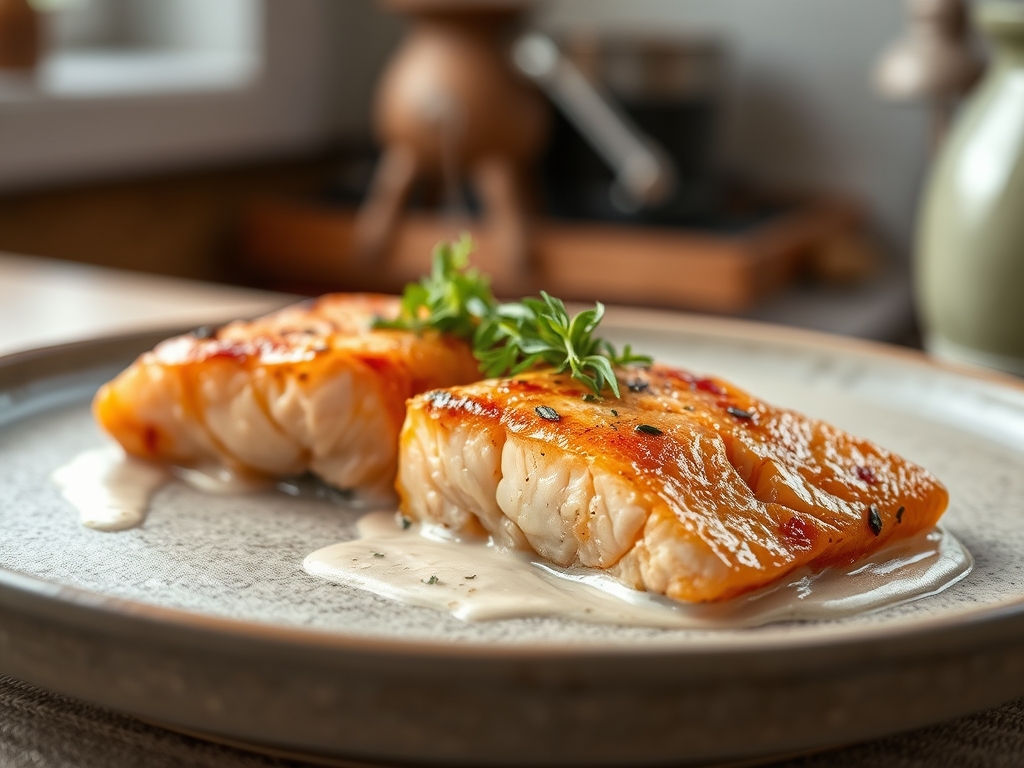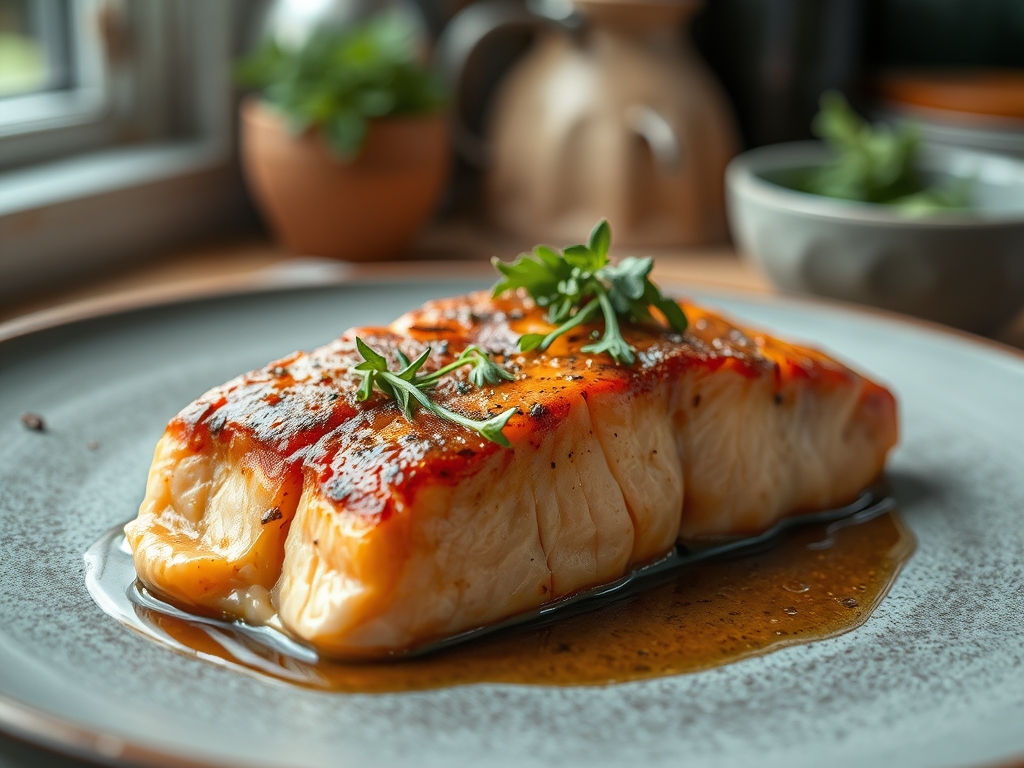
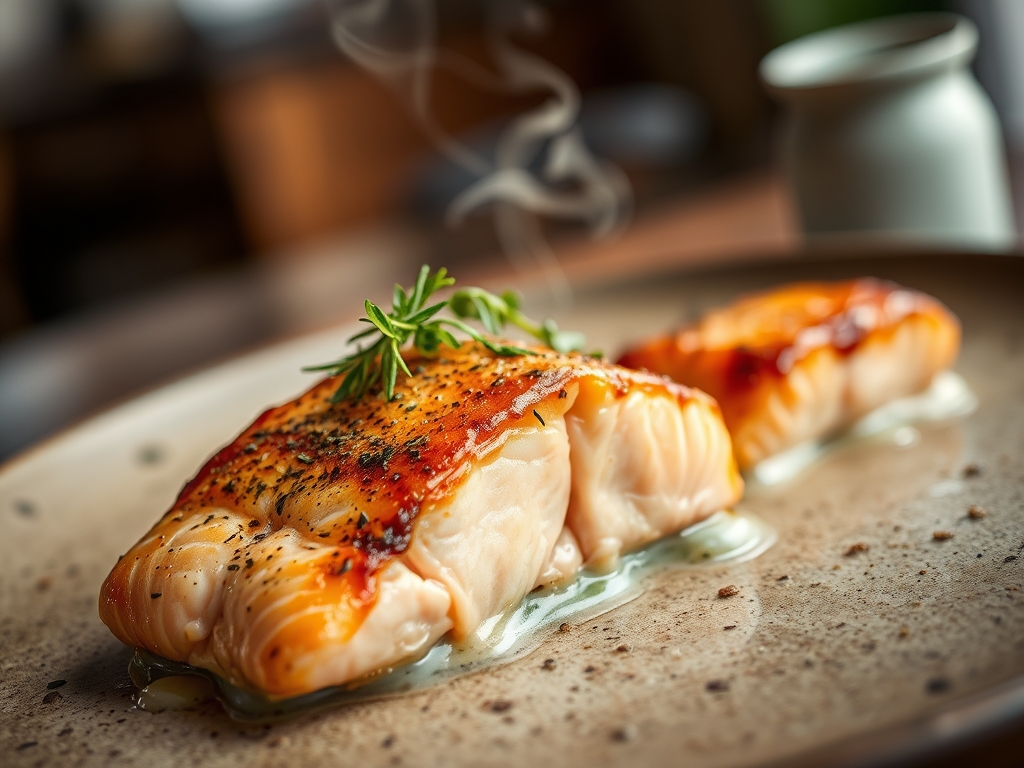
Close your eyes and listen for the sound of a heavy-bottomed stainless steel pan meeting a cold bead of oil. That sharp, aggressive sizzle is the universal language of high-end dining. Achieving restaurant quality salmon recipes at home is not about expensive ingredients; it is about mastering the physics of heat and the chemistry of protein. When you slide a knife through a perfectly seared fillet, you are looking for that translucent, buttery center contrasted against a glass-like, salty crust. Most home cooks fail because they fear the flame, but we are going to embrace the thermodynamics of the kitchen. We are moving beyond basic baking and into the world of precision searing, emulsion sauces, and delicate poaching. By the end of this guide, your kitchen will smell like a Michelin-starred bistro, and you will possess the technical prowess to manipulate moisture and fat like a seasoned executive chef.
The Gathers:
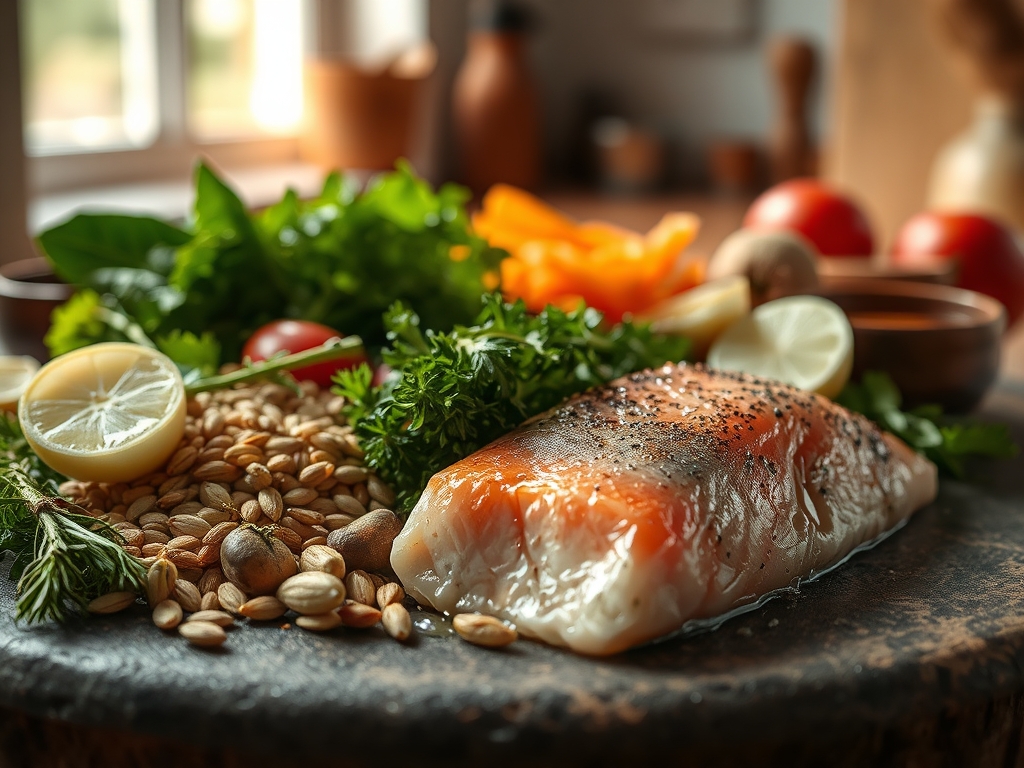
To execute these restaurant quality salmon recipes, your mise-en-place must be surgical. Start with the centerpiece: center-cut Atlantic or King salmon. Look for intramuscular fat marbling, which provides the viscous mouthfeel associated with luxury dining. You will need a high-smoke-point fat, such as avocado oil or clarified butter (ghee), to ensure you can reach the temperatures required for the Maillard reaction without scorching the lipids.
Gather your aromatics: fresh thyme sprigs, smashed garlic cloves, and shallots. For the sauces, ensure you have cold, unsalted European-style butter, which has a higher fat content than standard grocery brands, allowing for a more stable emulsion. You will also need piquant accents like capers, Meyer lemons, and white miso paste to provide acidity and umami depth.
Smart Substitutions: If you cannot find fresh tarragon for your bearnaise, use chervil or fennel fronds to maintain that anise-forward profile. If you are avoiding dairy, swap the butter for a high-quality cashew cream or a neutral oil infused with leeks to mimic the richness of a traditional beurre blanc.
The Clock:
The secret to "Chef's Flow" is front-loading your labor. Total preparation for these dishes typically spans 15 minutes, while the active cook time is a mere 6 to 8 minutes. The professional workflow dictates that you prepare your side dishes and sauce bases first. Salmon is a delicate protein that continues to cook via thermal carryover once removed from the heat; therefore, the fish must be the very last thing to touch the plate.
A professional chef never crowds the pan. If you are cooking for a crowd, work in batches. Spending 20 minutes on prep ensures that the actual cooking phase is a controlled, calm execution rather than a frantic scramble. Use a digital scale to portion your fillets into 6-ounce increments to ensure uniform cooking times across the board.
The Masterclass:
1. The Desiccation Ritual
Before the fish even nears the stove, you must use a paper towel to press every molecule of moisture from the skin. Moisture is the enemy of the sear; surface water creates steam, which prevents the skin from becoming crisp.
Pro Tip: This is known as surface dehydration. By removing water, you allow the heat to immediately begin the Maillard reaction, which is the chemical reaction between amino acids and reducing sugars that creates the brown, savory crust.
2. The Cold-Pan Strategy
Place your seasoned salmon skin-side down in a cold, heavy-bottomed skillet before turning the heat to medium-high. This allows the fat beneath the skin to render slowly, preventing the skin from shrinking too rapidly and curling.
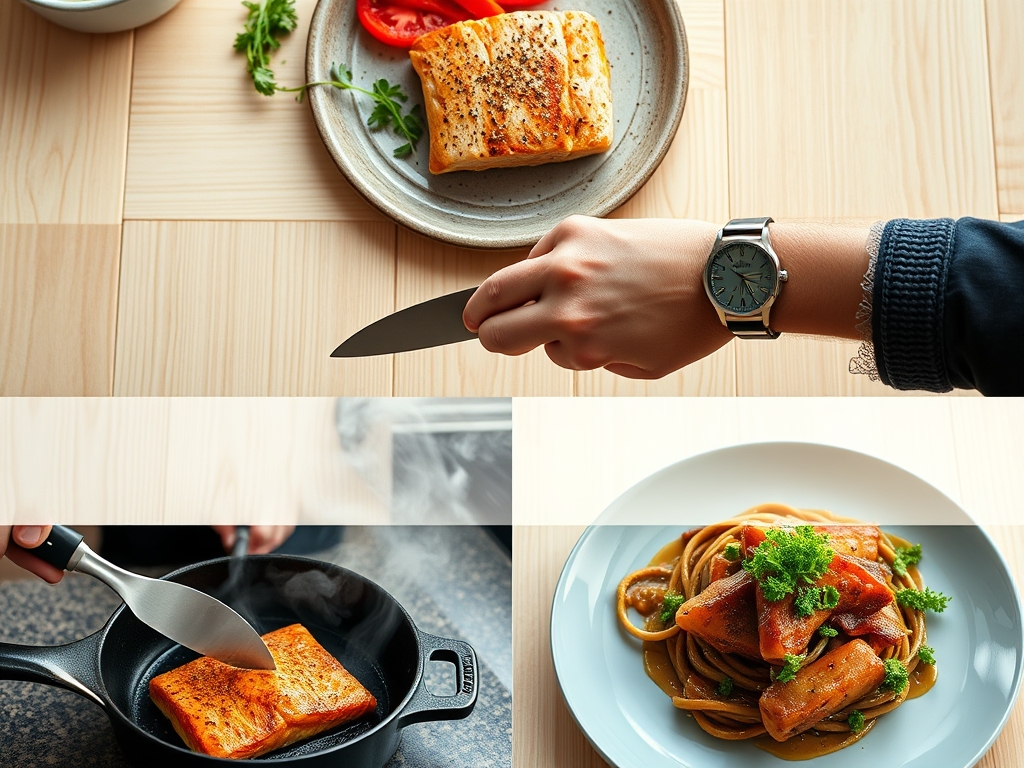
Pro Tip: Using a bench scraper to hold the fish flat for the first 30 seconds prevents the collagen in the skin from contracting, ensuring 100 percent surface contact with the pan for an even, golden finish.
3. The Arrosage Technique
Once the skin is crisp and the flesh is cooked two-thirds of the way through, flip the fillet. Add a knob of butter, garlic, and thyme to the pan. Use a large spoon to continuously douse the salmon in the foaming, hot butter.
Pro Tip: This is called arrosage, or butter basting. The hot fat gently cooks the top of the fish while infusing it with aromatic oils, creating a succulent, velvet-like texture that poaching alone cannot achieve.
4. The Deglaze and Emulsify
Remove the fish and immediately deglaze the pan with a splash of dry white wine or verjus. Use a whisk to scrape up the fond (the browned bits stuck to the pan) and slowly whisk in cold butter cubes to create a pan sauce.
Pro Tip: This creates a temporary emulsion. The proteins in the butter act as emulsifiers, binding the fat and the acidic liquid into a glossy, thick sauce that coats the back of a spoon.
5. The Rest and Carryover
Transfer the salmon to a warm plate and let it rest for at least three minutes. Do not tent it with foil, as this will trap steam and soften the skin you worked so hard to crisp.
Pro Tip: Thermal carryover will increase the internal temperature by about 5 degrees Fahrenheit after the fish leaves the pan. Pulling the salmon at 125 degrees ensures a perfect medium-rare 130 degrees by the time it reaches the table.
The Deep Dive:
Macro Nutrition: Salmon is a nutritional powerhouse, offering approximately 20 grams of protein and 12 grams of healthy fats per 100-gram serving. It is exceptionally high in Omega-3 fatty acids, which are essential for brain health and reducing inflammation.
Dietary Swaps: For a Keto version, pair your salmon with a heavy cream and spinach reduction. For a Vegan alternative to the sauce, use a silken tofu base blended with lemon and nutritional yeast. To keep the dish Gluten-Free, ensure your miso paste or soy-based glazes are certified GF.
The Fix-It:
- The Albumin Leak: If you see white goop seeping out, you have overcooked the fish, causing the protein fibers to contract and squeeze out internal moisture. Fix: Reduce your heat and pull the fish earlier next time.
- Stuck Skin: If the skin sticks, do not force it with tongs. Fix: The fish will naturally release from the pan once the proteins have fully caramelized. Wait another 30 seconds.
- Broken Sauce: If your butter sauce separates into oil and water, it got too hot. Fix: Add a teaspoon of cold heavy cream and whisk vigorously to re-emulsify the mixture.
Meal Prep: To reheat salmon without it becoming rubbery, use the "low and slow" method. Place it in a 275-degree oven with a splash of water and cover tightly with foil. This creates a gentle steam environment that rehydrates the protein.
The Wrap-Up:
Mastering restaurant quality salmon recipes is a rite of passage for any serious home cook. It requires a blend of patience, high-quality tools, and an understanding of how heat interacts with cellular structures. When you stop treating salmon as a chore and start treating it as a scientific experiment in texture and flavor, the results are transformative. Go grab your microplane, zest some lemon over that glistening fillet, and enjoy the crisp, fatty, salty perfection you just engineered.
The Kitchen Table:
How do I get the skin extra crispy?
Ensure the skin is bone-dry before cooking. Use a sharp knife to gently score the skin, which allows fat to escape and heat to penetrate, resulting in a glass-like crunch that lasts until the final bite.
What is the best internal temperature for salmon?
For a restaurant-quality finish, aim for an internal temperature of 125 to 130 degrees Fahrenheit. This results in a medium-rare center that is moist and flakey rather than dry and chalky.
Can I use frozen salmon for these recipes?
Yes, but thaw it slowly in the refrigerator for 24 hours. Pat it extremely dry to remove excess moisture from the freezing process, as residual ice crystals can ruin the texture of the sear.
Why does my salmon always smell fishy?
Freshness is key, but an acidic rinse with lemon or a quick soak in milk can neutralize trimethylamine, the compound responsible for that "fishy" odor. Always buy from a reputable fishmonger.