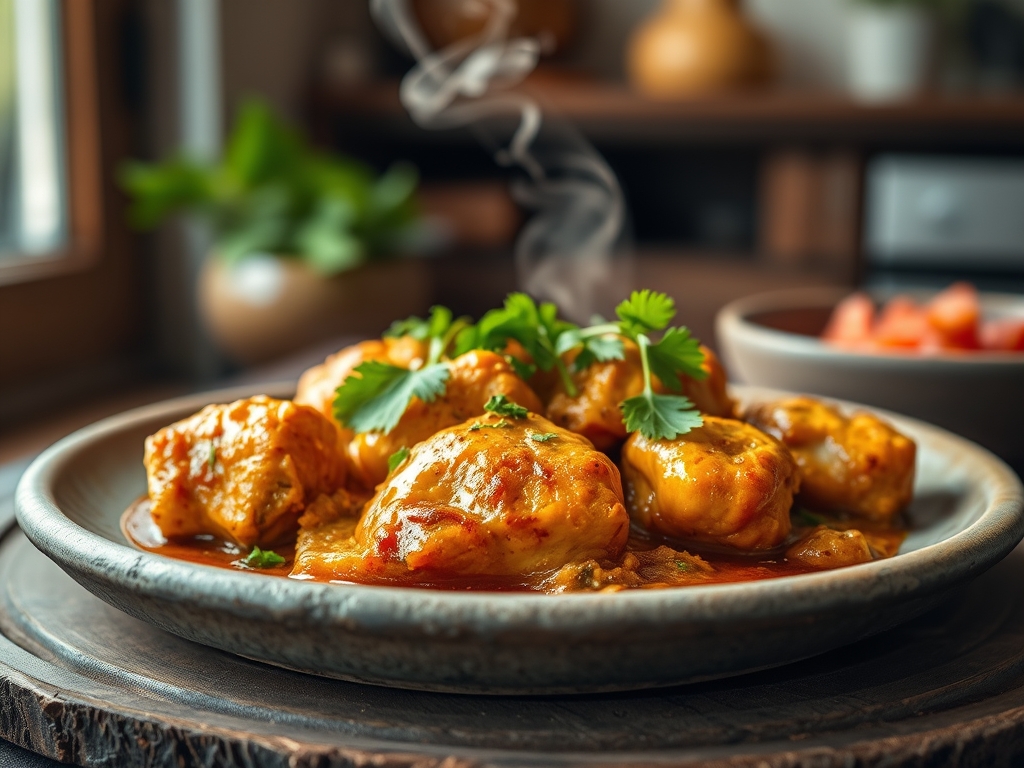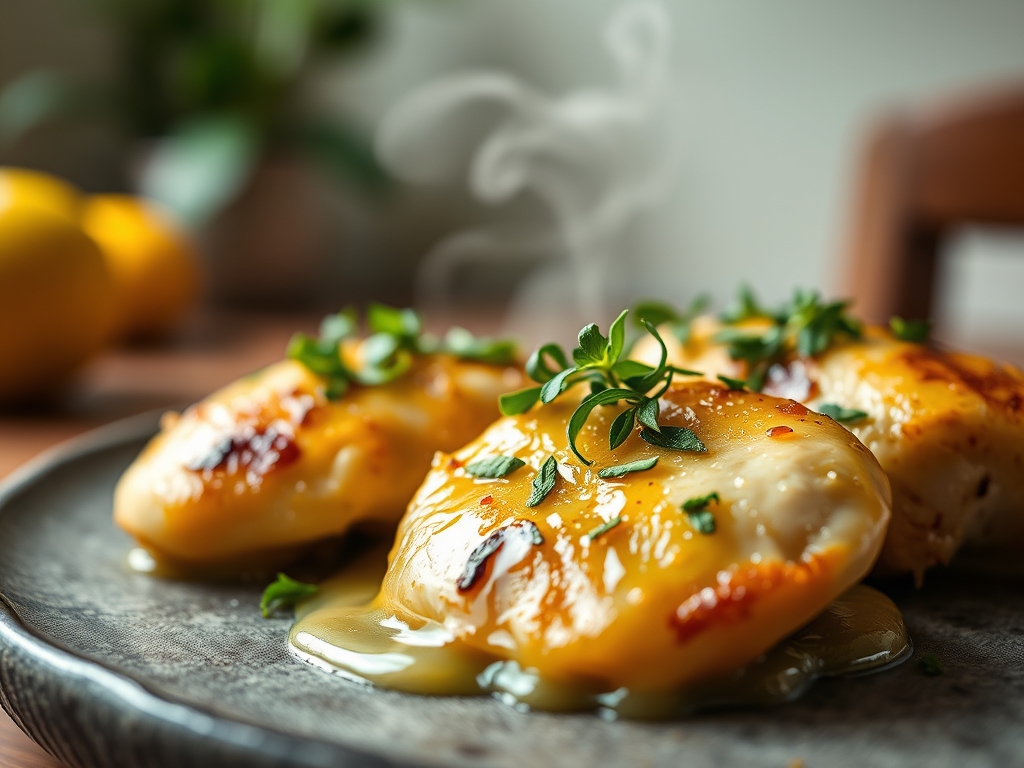
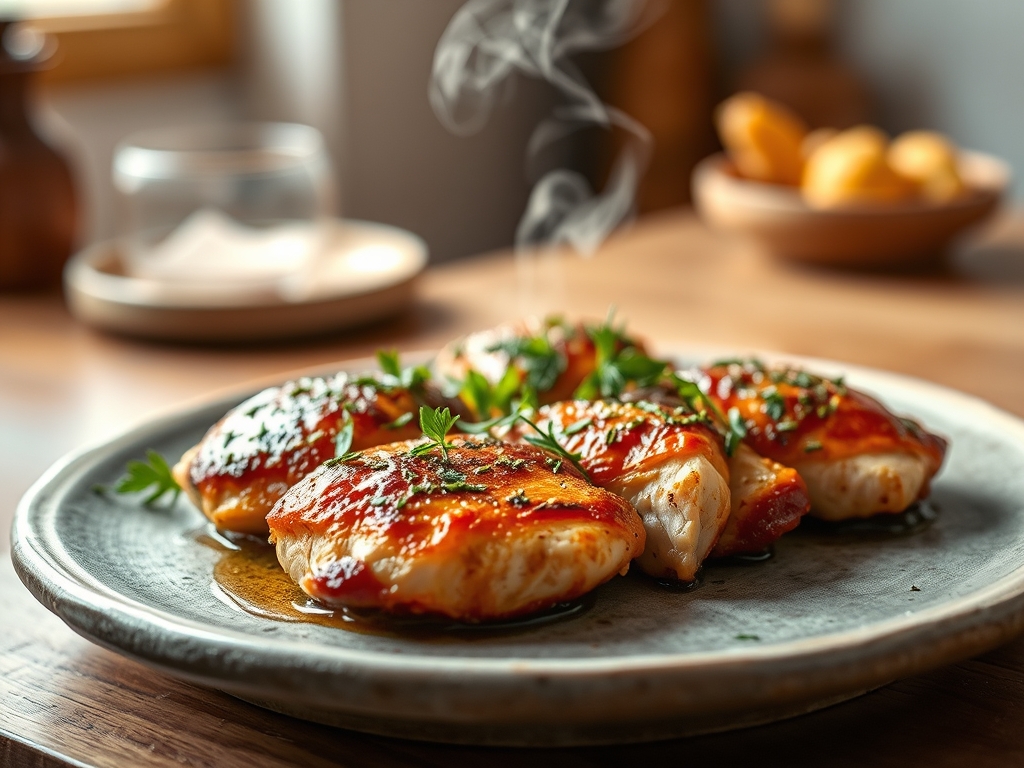
The scent of searing poultry hitting a hot skillet is a chemical symphony. It is the Maillard reaction in real time; those amino acids and reducing sugars are dancing to create a savory crust that signals deep flavor. When you are hunting for effective chicken recipes to lose weight, you do not have to settle for the rubbery, bland textures of a sad desk salad. We are reclaiming the bird. By mastering moisture retention and strategic seasoning, we can transform lean protein into a high-octane fuel that actually tastes like a luxury. This guide is your roadmap to six distinct flavor profiles that keep your metabolism humming and your palate thrilled. We are moving beyond basic boiling and into the realm of professional heat management and flavor layering.
The Gathers:
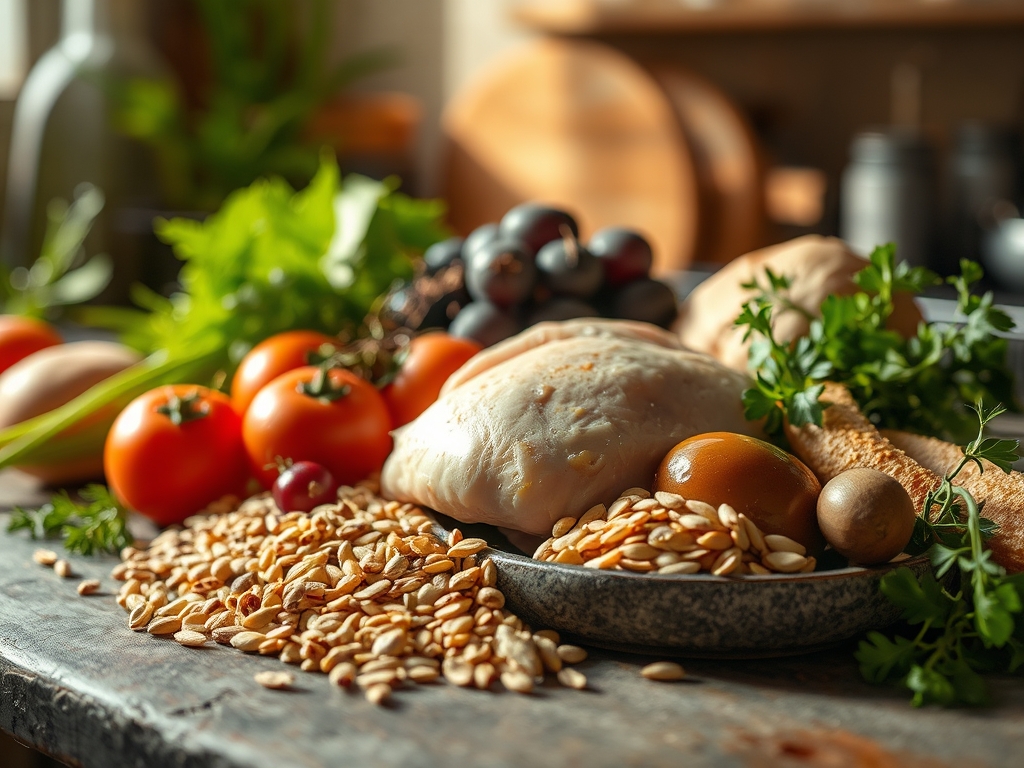
Before we ignite the burners, we must respect the mise-en-place. Our primary canvas is the boneless, skinless breast and the trim thigh. To maximize your results with chicken recipes to lose weight, you need high-quality aromatics. Gather your alliums; garlic, shallots, and scallions provide a piquant base without adding significant caloric density. You will also need a high-smoke-point oil like avocado oil to ensure your sear does not turn acrid.
Look for acids to brighten the profile. Lemons, limes, and rice wine vinegar are essential for balancing the richness of the meat. For texture, we use fibrous vegetables like snap peas, lacinato kale, and bell peppers. These provide the volume needed for satiety.
Smart Substitutions: If you are watching sodium, swap traditional soy sauce for liquid aminos or coconut aminos. Instead of heavy cream for sauces, use a viscous slurry of Greek yogurt or a touch of silken tofu blended into a smooth puree. These swaps maintain the mouthfeel of a rich sauce while keeping the macros lean and clean. Use a microplane to zest your citrus; this releases the volatile oils in the skin, providing an intense aroma that ground spices simply cannot match.
The Clock:
Efficiency in the kitchen is about the Chef's Flow. For these six meals, expect a total preparation time of 20 minutes and a collective cooking window of 25 minutes. We utilize a "staggered start" technique. While your chicken is tempering on the counter (never cook meat straight from the fridge), you should be using your bench scraper to organize your chopped aromatics.
The goal is to minimize downtime. If you are roasting one batch, you should be deglazing the pan for the next. This ensures that in under an hour, you have a full week of high-protein, low-fat meals ready for the fridge. Precision is key; use a digital scale to portion your protein to exactly five or six ounces per serving to keep your caloric tracking accurate.
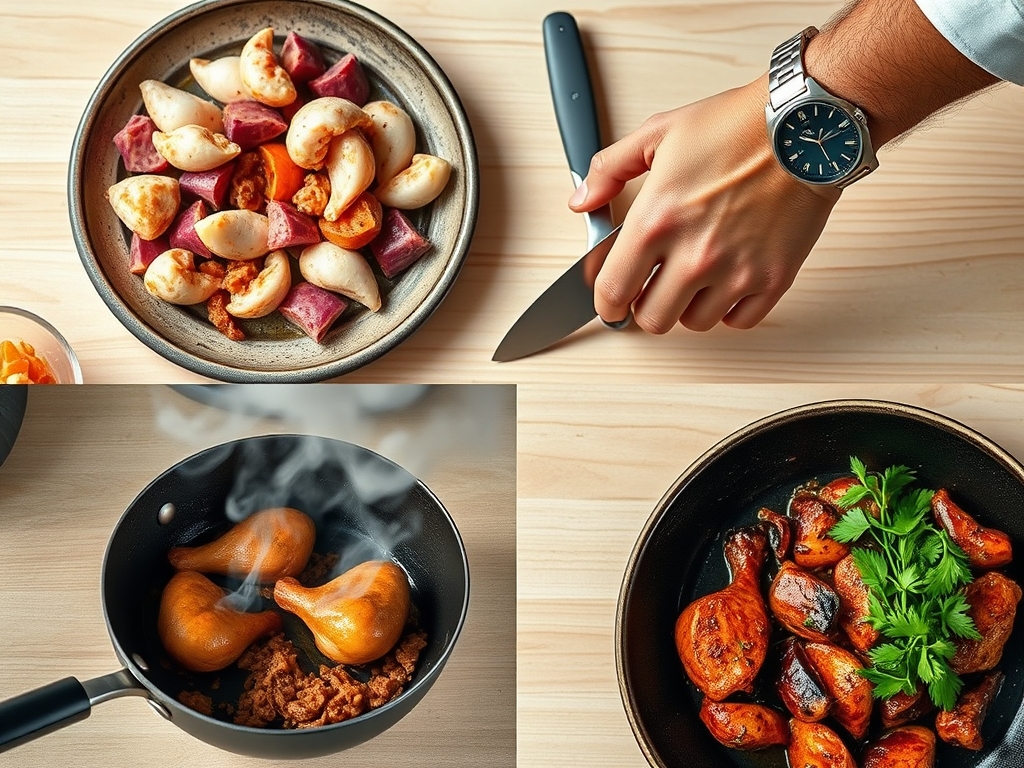
The Masterclass:
1. The Perfect Sear and Deglaze
Start with a heavy-bottomed skillet. Pat the chicken dry with paper towels to remove surface moisture. This is vital; moisture is the enemy of the crust. Place the chicken in the hot pan and do not move it for three minutes. Once a golden crust forms, flip with tongs and add a splash of chicken stock or vinegar to the pan.
Pro Tip: This is the art of deglazing. The brown bits stuck to the pan, known as the fond, contain concentrated umami. By adding liquid, you lift these flavors into a light pan sauce without needing butter or flour.
2. Low-Temperature Poaching for Tenderness
For salads, we use a gentle poaching method. Submerge the chicken in a saucier filled with water, peppercorns, and bay leaves. Bring the water to a bare simmer; never a rolling boil.
Pro Tip: This prevents the muscle fibers from tightening and squeezing out their juices. Keeping the temperature below 180 degrees Fahrenheit ensures the proteins denature slowly, resulting in a buttery texture that is perfect for cold meal prep.
3. High-Heat Roasting for Maximum Volume
Toss cubed chicken with broccoli and bell peppers. Spread them in a single layer on a sheet pan. Roast at 425 degrees Fahrenheit. The high heat causes the natural sugars in the vegetables to caramelize.
Pro Tip: This is pyrolysis. By roasting at high heat, you create complex flavor compounds in the vegetables that mimic the sweetness of sugar, making your weight-loss meals feel more indulgent.
4. The Citrus Infusion Steam
Place chicken breasts in parchment paper with sliced lemons and ginger. Fold the edges to create a sealed pouch. Bake until the pouch puffs up.
Pro Tip: This uses convection and steam. The moisture trapped inside the parchment creates a pressurized environment that forces the ginger and lemon aromatics into the meat fibers, ensuring every bite is infused with flavor.
5. The Yogurt-Based Marinade
Coat chicken thighs in a mixture of Greek yogurt and smoked paprika. Let it sit for at least thirty minutes before grilling.
Pro Tip: The lactic acid in the yogurt acts as a gentle tenderizer. It breaks down the collagen and connective tissues more slowly than harsh vinegar, resulting in a finished product that is incredibly juicy even after reheating.
6. The Quick Stir-Fry Aeration
Slice your chicken into thin strips against the grain. Use a wok or a wide skillet on the highest heat possible. Toss constantly to keep the air moving around the meat.
Pro Tip: This is about aeration and surface area. By slicing against the grain, you shorten the protein fibers, making the meat easier to chew. The high-speed tossing ensures the meat cooks in seconds, preventing the "leathery" texture often found in overcooked stir-fries.
The Deep Dive:
Macro Nutrition
Each of these chicken recipes to lose weight focuses on a specific macro profile: approximately 35g of protein, 8g of healthy fats, and 12g of complex carbohydrates. This ratio is designed to stabilize blood sugar and prevent the insulin spikes that lead to fat storage.
Dietary Swaps
- Vegan: Replace the chicken with extra-firm pressed tofu or seitan. Use the same marinating and searing techniques to achieve a similar flavor profile.
- Keto: Increase the healthy fats by adding avocado or a drizzle of extra virgin olive oil to the finished dish. Eliminate the root vegetables.
- GF: Ensure your spices and aminos are certified gluten-free. All these recipes naturally avoid wheat-based thickeners.
The Fix-It
- Dry Chicken: If you overcook the meat, do not toss it. Shred the chicken and toss it with a tablespoon of warm broth and a squeeze of lime. The liquid will penetrate the dry fibers and restore the mouthfeel.
- Lack of Flavor: You likely missed the "acid" step. Add a dash of apple cider vinegar or a squeeze of lemon at the very end. Acid acts as a flavor "magnifier" for the salt already present.
- Soggy Vegetables: This happens when the pan is overcrowded. If your veggies are steaming instead of browning, remove half and cook them in two batches to allow the steam to escape.
Meal Prep Reheating
To maintain "day-one" quality, never microwave chicken on high power. Use the 50 percent power setting. This prevents the water molecules from vibrating too violently, which is what causes that "rubbery" texture. Better yet, reheat in a covered skillet with a teaspoon of water to create a mini-steam chamber.
The Wrap-Up:
Mastering chicken recipes to lose weight is not about restriction; it is about technical execution. When you understand how to deglaze a pan, how to use lactic acid for tenderizing, and how to respect the grain of the meat, you turn a standard diet into a culinary adventure. These six methods provide a foundation that you can iterate on forever. Grab your tongs, fire up the range, and start treating your kitchen like the laboratory of health that it is. You have the tools; now go create something delicious.
The Kitchen Table:
How do I keep chicken from getting dry when meal prepping?
Use a yogurt-based marinade or the low-temperature poaching method. Both techniques preserve the internal moisture of the protein. When reheating, use a damp paper towel over the container to create a steam barrier in the microwave.
Can I use chicken thighs instead of breasts for weight loss?
Yes, thighs are acceptable if you trim the excess fat. They offer more micronutrients like iron and zinc. Just be mindful of the slightly higher caloric density and adjust your portion size using a digital scale accordingly.
What is the best way to flavor chicken without adding calories?
Utilize dry rubs with smoked paprika, cumin, and garlic powder. Fresh herbs like cilantro and basil added at the end provide a massive flavor burst. Always use citrus zest from a microplane for aromatic depth without extra sugar.
How long does cooked chicken stay fresh in the fridge?
Stored in an airtight glass container, cooked chicken remains optimal for three to four days. For the best texture, ensure the chicken has cooled completely before sealing the lid to prevent condensation from making the exterior soggy.