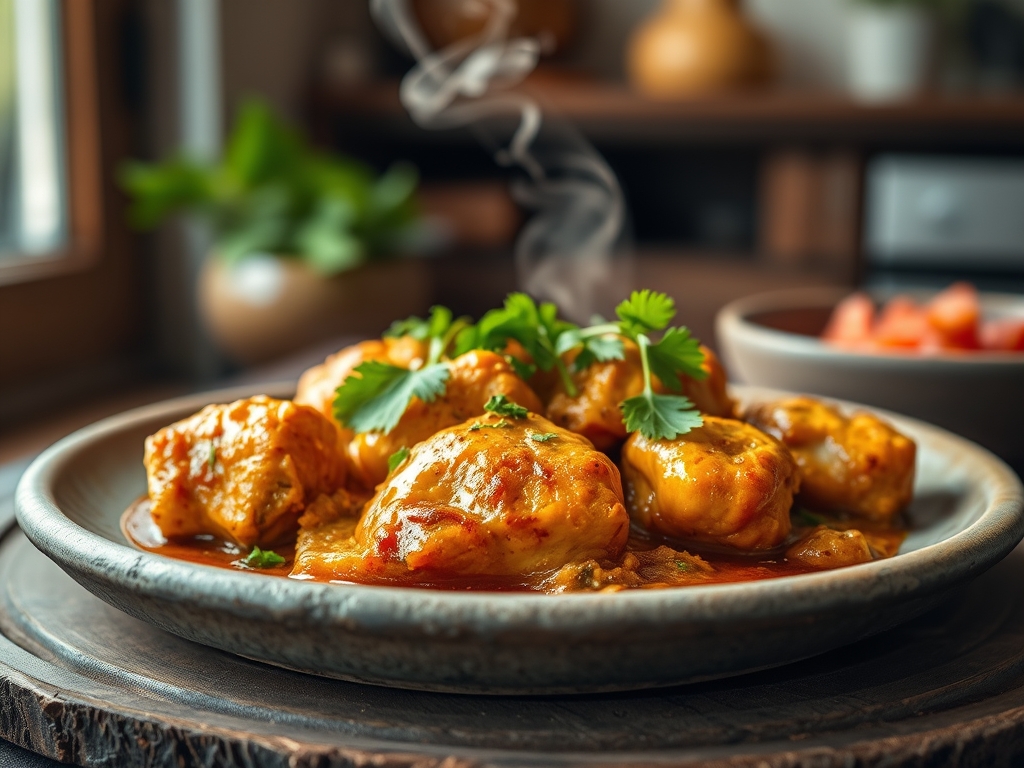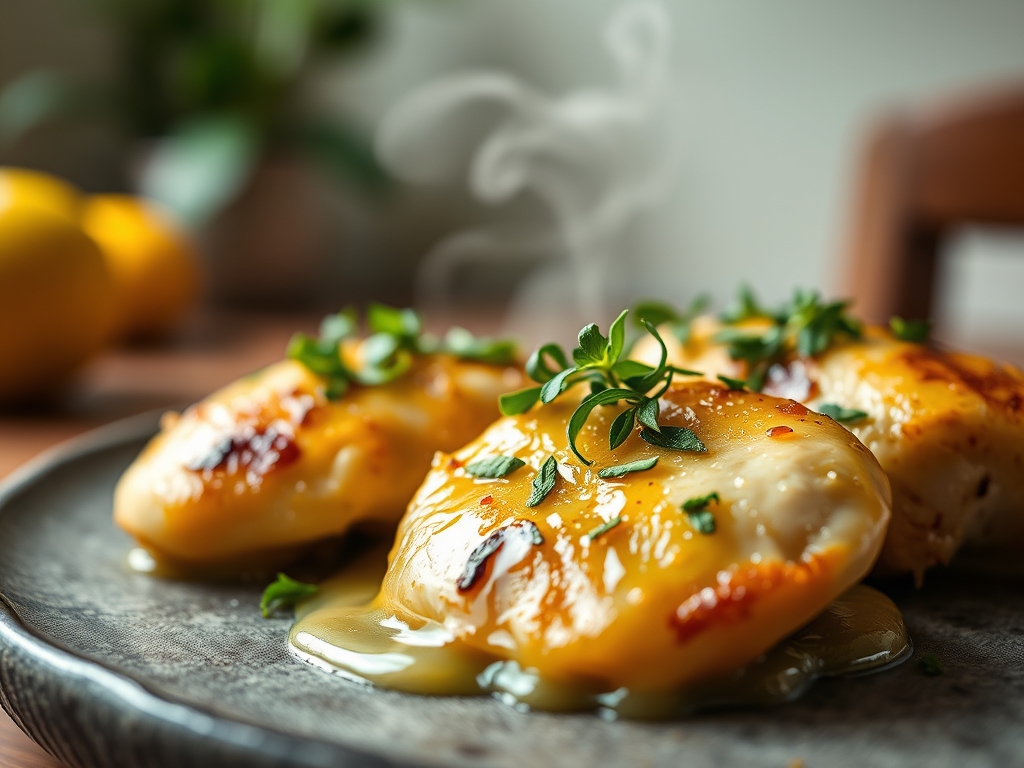
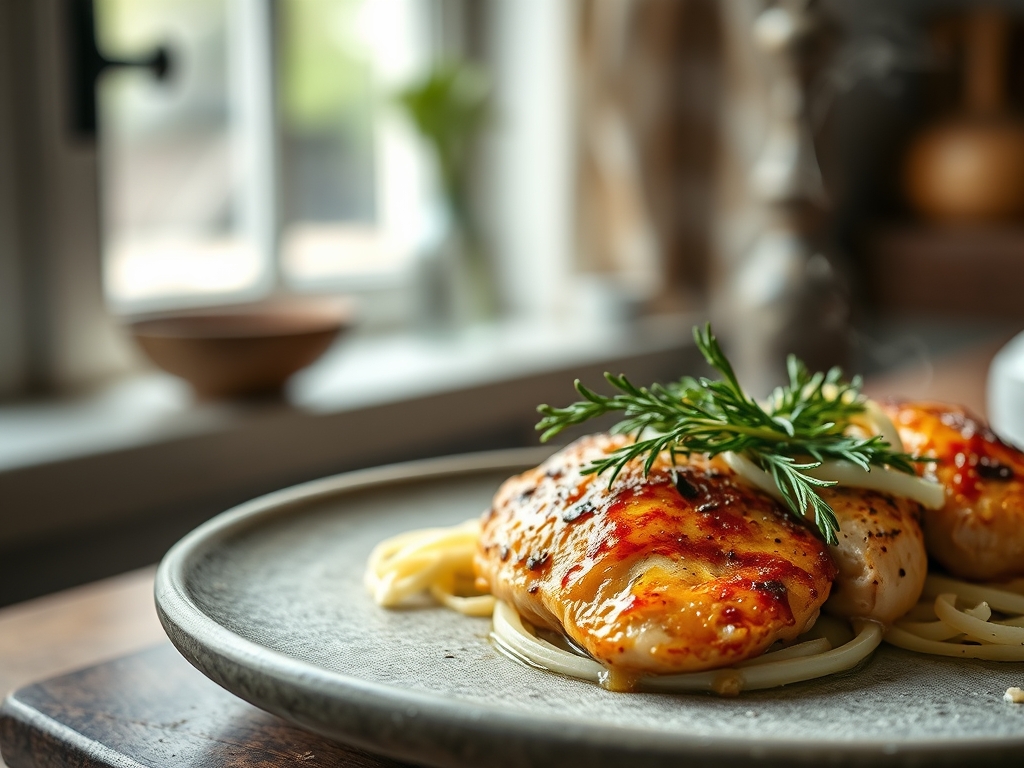
Close your eyes and imagine a kitchen filled with the scent of anise and searing poultry. It is a fragrance that manages to feel both sophisticated and incredibly cozy at the same time. If you are tired of the same old protein routine, these nine fennel chicken recipes are about to become your new weeknight obsession.
Fennel is the unsung hero of the vegetable crisper. When raw, it offers a crisp, licorice-forward bite that cuts through richness. When roasted, it transforms into a buttery, caramelized delight that pairs perfectly with succulent chicken. This combination is not just a culinary classic; it is a nutritional powerhouse. Fennel provides a significant dose of vitamin C and potassium, while lean chicken breast or thighs deliver the essential amino acids your body craves for muscle repair and metabolic health.
We are moving beyond basic roasting today. We are talking about leveraging molecular chemistry to create textures that pop and flavors that linger. Whether you are meal prepping for a busy week or hosting a dinner party where you want to look effortlessly brilliant, these fennel chicken recipes provide the perfect balance of health and high-end flavor. Let us get your mise-en-place ready and dive into the science of the perfect sear.
The Gathers:
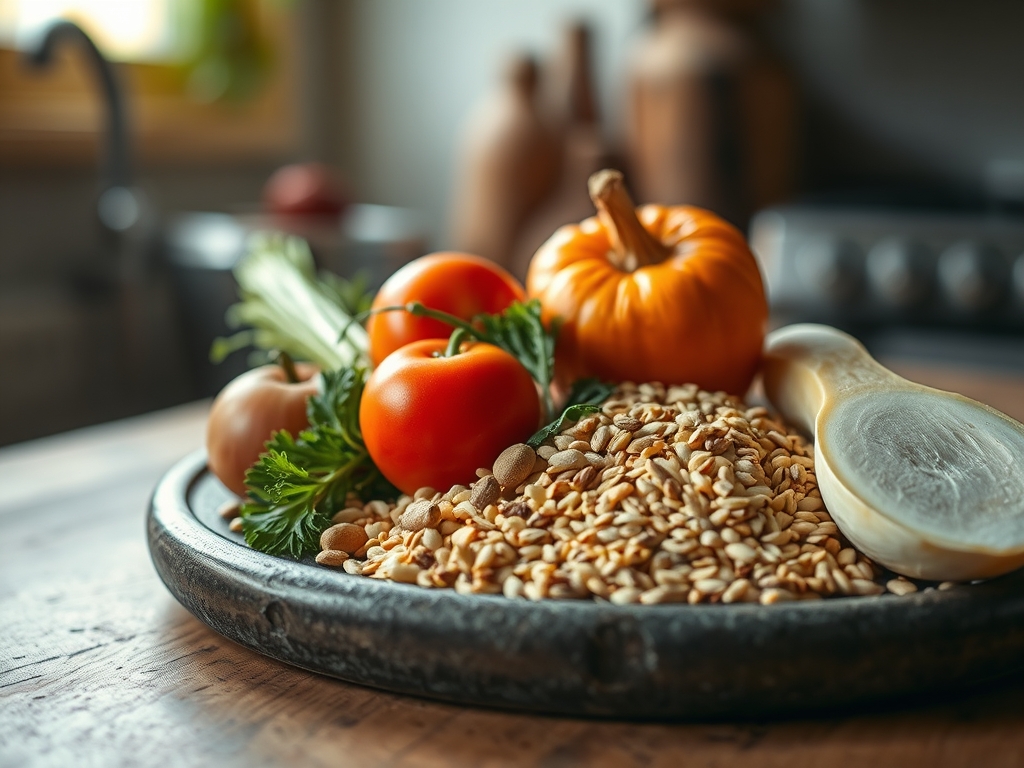
To execute these fennel chicken recipes with professional precision, your workspace must be organized. Start with your heavy-bottomed skillet or a cast iron pan; these vessels provide the thermal mass necessary for even heat distribution. You will also need a sharp chef knife for precision slicing and a microplane to zest citrus without hitting the bitter white pith.
The star of the show is the fennel bulb. Look for bulbs that are heavy for their size with bright green, feathery fronds. For the chicken, organic air-dried poultry is ideal because it contains less water weight, which ensures a better crust during the Maillard reaction. You will also need high-smoke-point fats like avocado oil or ghee to handle the high heat required for browning.
Smart Substitutions:
If you find the flavor of fennel too intense, soak the sliced bulbs in ice water for ten minutes to mellow the aromatic compounds. If you are out of fresh fennel, a tablespoon of toasted fennel seeds can mimic that earthy sweetness. For a low-sodium profile, swap traditional salt for a splash of coconut aminos or a heavy squeeze of lemon juice to brighten the dish via acidity rather than salt.
The Clock
Efficiency in the kitchen is all about the Chef's Flow. This means grouping tasks to minimize downtime. For most of these fennel chicken recipes, expect a total time of 40 minutes. You will spend 15 minutes on prep; slicing the fennel, dicing the aromatics, and patting the chicken dry. The remaining 25 minutes are for active cooking and resting.
The flow begins with the chicken. It should hit the pan first to begin the rendering process. While the protein sears, you can slice your vegetables. This "overlap" technique ensures that by the time your chicken is resting, your vegetables are finishing their sauté in the flavorful pan drippings. Never rush the rest period; five minutes of patience allows the muscle fibers to reabsorb juices, ensuring every bite is moist.
The Masterclass
1. The Surface Prep
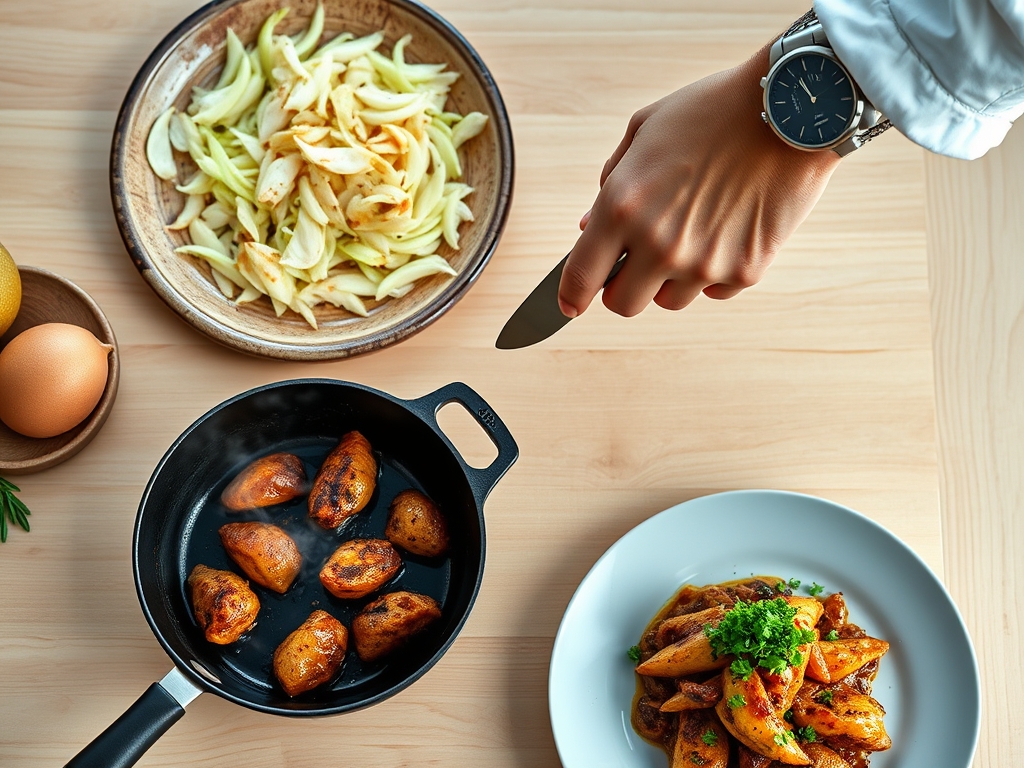
Start by patting your chicken completely dry with paper towels. Moisture is the enemy of a golden crust. Season aggressively with kosher salt and cracked black pepper from a height of twelve inches to ensure even distribution across the protein surface.
Pro Tip: This process utilizes osmosis. Salt draws moisture out to the surface, dissolves into a brine, and is then reabsorbed into the meat, seasoning it deeply and breaking down tough proteins for a more tender result.
2. High-Heat Searing
Heat your skillet until the oil shimmers but does not smoke. Place the chicken skin-side down and do not move it for at least four minutes. Use your tongs to gently lift a corner; if it sticks, it is not ready to flip.
Pro Tip: This is the Maillard reaction in action. At approximately 310 degrees Fahrenheit, amino acids and reducing sugars rearrange to create hundreds of different flavor compounds and that signature brown color.
3. Slicing the Fennel
While the chicken sears, remove the stalks and fronds from the fennel. Slice the bulb in half through the root, then use your knife to create thin, uniform wedges. Keeping a bit of the root intact prevents the layers from falling apart too early in the pan.
Pro Tip: Uniformity in slicing is not just about aesthetics. Consistent thickness ensures that every piece of fennel reaches the same level of caramelization at the exact same time.
4. Deglazing the Fond
Once the chicken is cooked through, remove it from the pan. You will see brown bits stuck to the bottom; this is "fond," and it is pure flavor. Pour in a splash of dry white wine or chicken stock and use a wooden spoon to scrape the bottom of the pan.
Pro Tip: This is a chemical process where the liquid acts as a solvent to dissolve the caramelized proteins and sugars, creating a viscous and deeply savory pan sauce.
5. The Final Infusion
Add your sliced fennel and a knob of grass-fed butter to the deglazed pan. Sauté until the fennel is translucent and slightly charred. Return the chicken to the pan for sixty seconds to coat it in the sauce and marry the flavors.
Pro Tip: Adding cold butter at the end is called monter au beurre. The milk solids and fats create an emulsion that gives your sauce a glossy, professional finish and a velvety mouthfeel.
The Deep Dive
From a macro perspective, these fennel chicken recipes are a dream. A standard serving provides roughly 35 grams of protein, 12 grams of healthy fats, and only 8 grams of complex carbohydrates. It is a high-volume, low-calorie meal that keeps you satiated.
Dietary Swaps:
For a Keto version, double the butter and add a splash of heavy cream to the pan sauce. If you are Vegan, swap the chicken for thick slabs of roasted cauliflower or firm tofu, using vegetable broth for deglazing. For Gluten-Free diners, simply ensure your chicken stock is certified GF, as the recipe naturally avoids flour-based thickeners.
The Fix-It:
- The Chicken is Dry: You likely overshot the internal temperature. Use a digital thermometer and pull the chicken at 160 degrees Fahrenheit; carryover cooking will bring it to the safe 165 mark.
- The Sauce is Broken: If the fat separates from the liquid, remove from heat and whisk in a teaspoon of warm water or mustard to re-emulsify the mixture.
- Fennel is Tough: If the fennel is still crunchy, add two tablespoons of water and cover the pan for two minutes to steam-soften the fibers.
Meal Prep Science:
When reheating, avoid the microwave if possible. The high-frequency waves agitate water molecules, often leading to "rubbery" chicken. Instead, reheat in a covered skillet over low heat with a tablespoon of water to create a gentle steam environment that preserves the original texture.
The Wrap-Up
Mastering fennel chicken recipes is like unlocking a secret level in a video game. You have taken simple, whole-food ingredients and used heat, acid, and timing to create something that tastes like it came from a bistro kitchen. This dish is proof that healthy eating does not have to be bland or repetitive. It is elegant, it is efficient, and most importantly, it is absolutely delicious. Now, grab your skillet and let the kitchen smell like a dream.
The Kitchen Table
Can I eat the green fennel fronds?
Yes, the fronds are highly aromatic and edible. Use them as a fresh garnish or chop them into salads. They provide a delicate, herb-like finish that mimics the flavor of dill but with a distinct anise undertone.
What is the best way to store leftovers?
Store in an airtight glass container for up to four days. Glass is preferable to plastic as it does not retain odors from the fennel and allows for more even temperature distribution during the reheating process.
Why is my fennel turning bitter?
Bitterness usually occurs if the fennel is burned rather than caramelized. Maintain medium-high heat and ensure there is enough fat in the pan. If it tastes bitter, add a squeeze of lemon or a pinch of sugar to balance.
Can I use frozen chicken for this?
You can, but ensure it is fully thawed and patted dry. Frozen chicken often releases more moisture during the cooking process, which can interfere with the searing and result in steamed meat rather than a golden crust.
Is fennel good for digestion?
Absolutely. Fennel contains anethole, which has antispasmodic properties that help relax the muscles in the digestive tract. This makes it an excellent ingredient for a healthy, bloat-free dinner that feels light on the stomach.