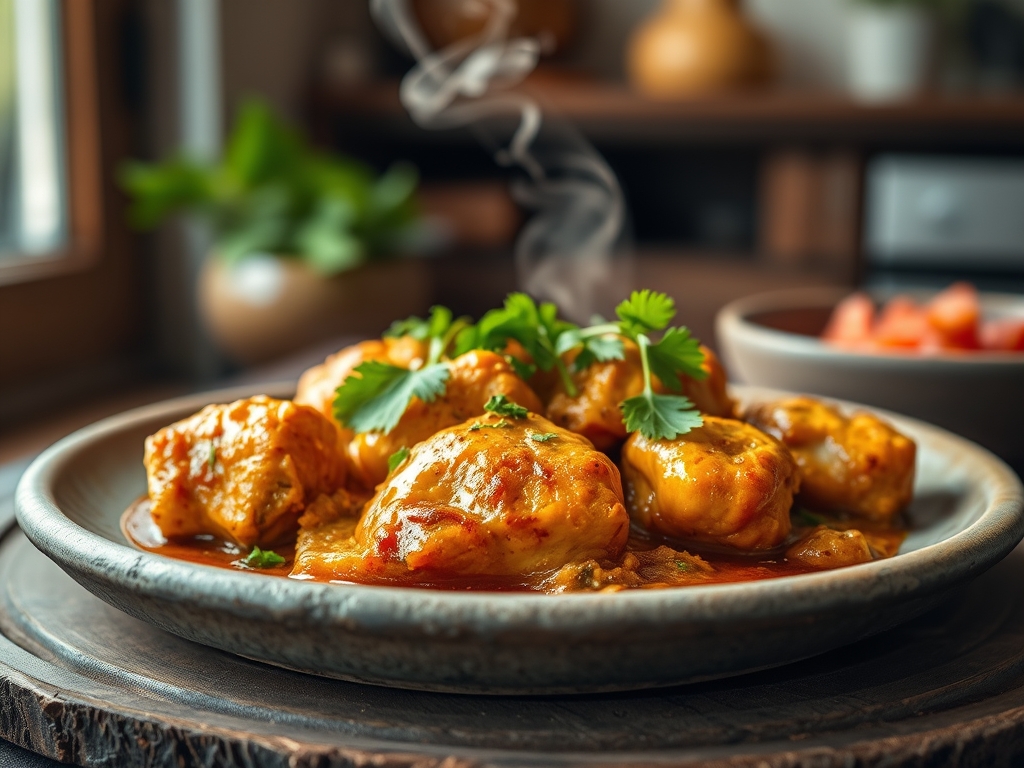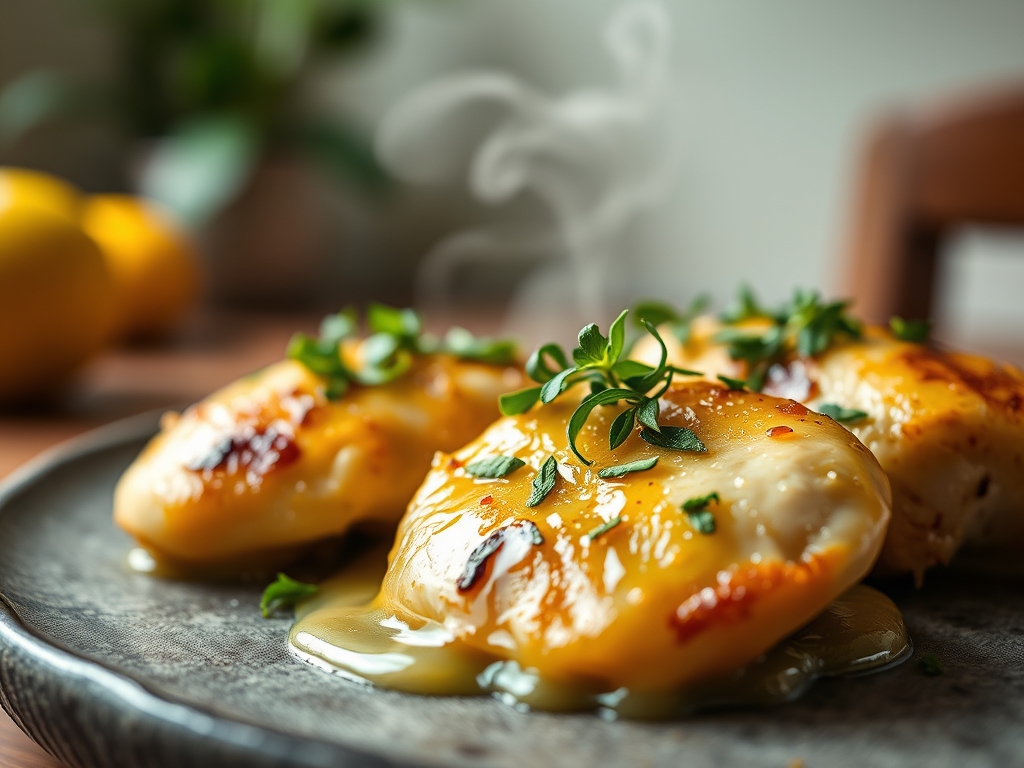
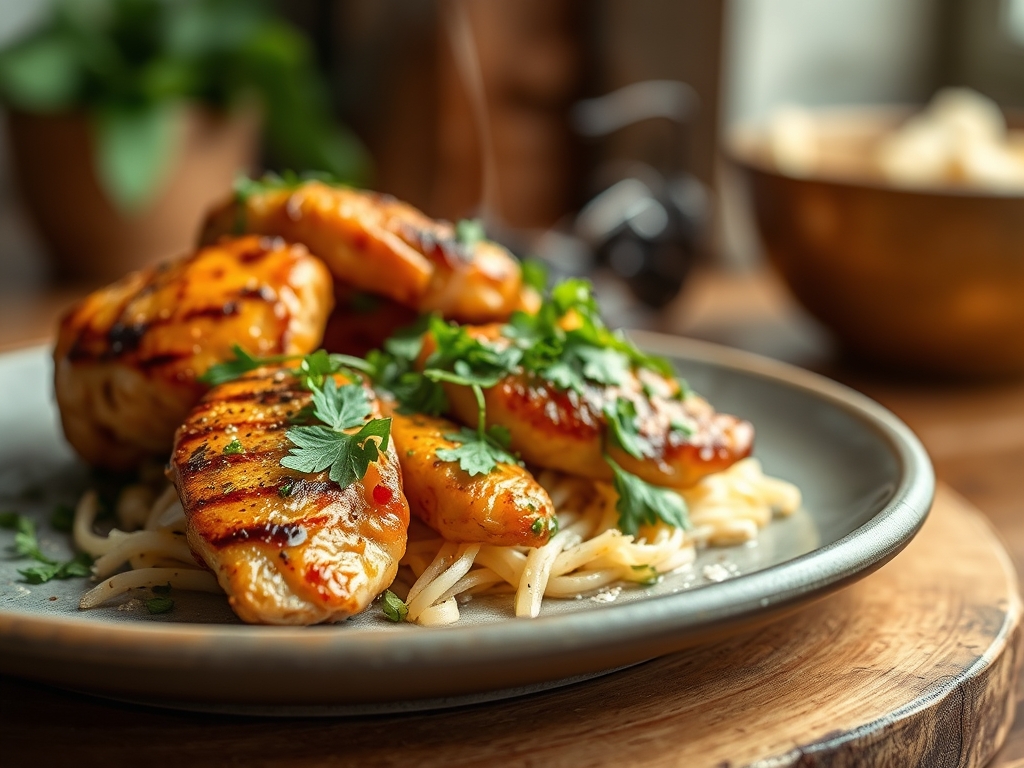
Imagine the scent of caramelized sugars hitting a blistering hot skillet; it is that intoxicating blend of charred pineapple and savory soy that stops you in your tracks. We are diving into the world of easy hawaiian chicken recipes to transform your weeknight routine from monotonous to tropical. This is not just about dumping sauce on poultry; it is about mastering the delicate balance of acidity and salt. Whether you are using a heavy-bottomed skillet or a high-pressure multicooker, the goal is a glossy, viscous glaze that clings to every fiber of the meat. We are going to harness the power of tropical enzymes to tenderize and the Maillard reaction to create deep, complex flavors that taste like a vacation on a plate.
The Gathers:
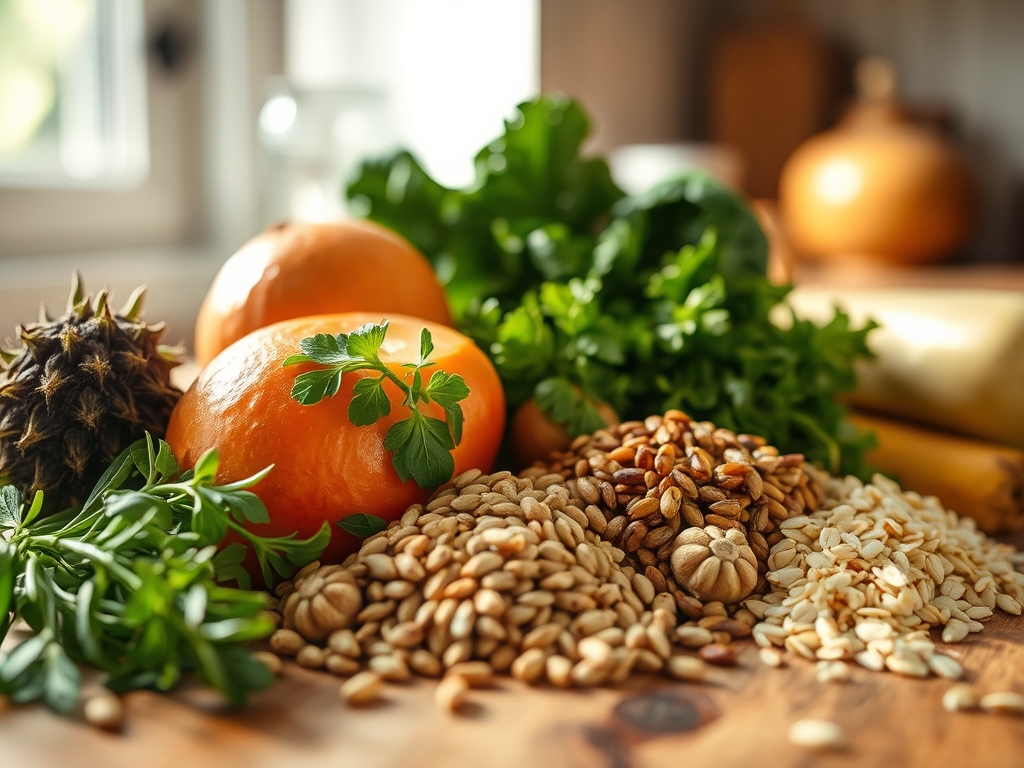
To execute these easy hawaiian chicken recipes with precision, your mise-en-place must be impeccable. We start with the protein: boneless, skinless thighs are the gold standard here because their higher fat content allows them to remain succulent even under high heat. You will need a high-quality, naturally brewed soy sauce to provide the umami backbone; look for "shoyu" for a smoother profile. For the sweetness, fresh pineapple juice is non-negotiable because it contains bromelain, a powerful enzyme that breaks down tough connective tissues.
Your aromatics should include fresh ginger and garlic. Use a microplane to grate these into a fine paste; this increases the surface area and ensures the flavors infuse the sauce without leaving chunky, bitter bits. For the fat, a neutral oil with a high smoke point like grapeseed or avocado oil is essential for achieving that initial sear.
Smart Substitutions: If you are watching your sodium, coconut aminos offer a piquant, lower-salt alternative to soy sauce. If fresh pineapple is unavailable, canned juice works, but ensure it is unsweetened to maintain control over the glycemic balance. For a spicy kick, a spoonful of sambal oelek or crushed red pepper flakes will cut through the sugar beautifully.
The Clock:
Mastering the "Chef's Flow" is about overlapping tasks to minimize downtime. For most easy hawaiian chicken recipes, you are looking at a 15-minute prep and a 20-minute cook time. While your chicken is coming to room temperature (essential for an even sear), use your bench scraper to clear your dicing station.
The flow works like this: Marinate for 30 minutes to allow the salt to penetrate the protein cells via osmosis. Sear the chicken in batches to avoid crowding the pan, which leads to steaming rather than browning. While the chicken rests, use a saucier to reduce your marinade into a thick, syrupy glaze. This sequence ensures that by the time the sauce is ready, the meat has reabsorbed its juices and is ready to be coated.
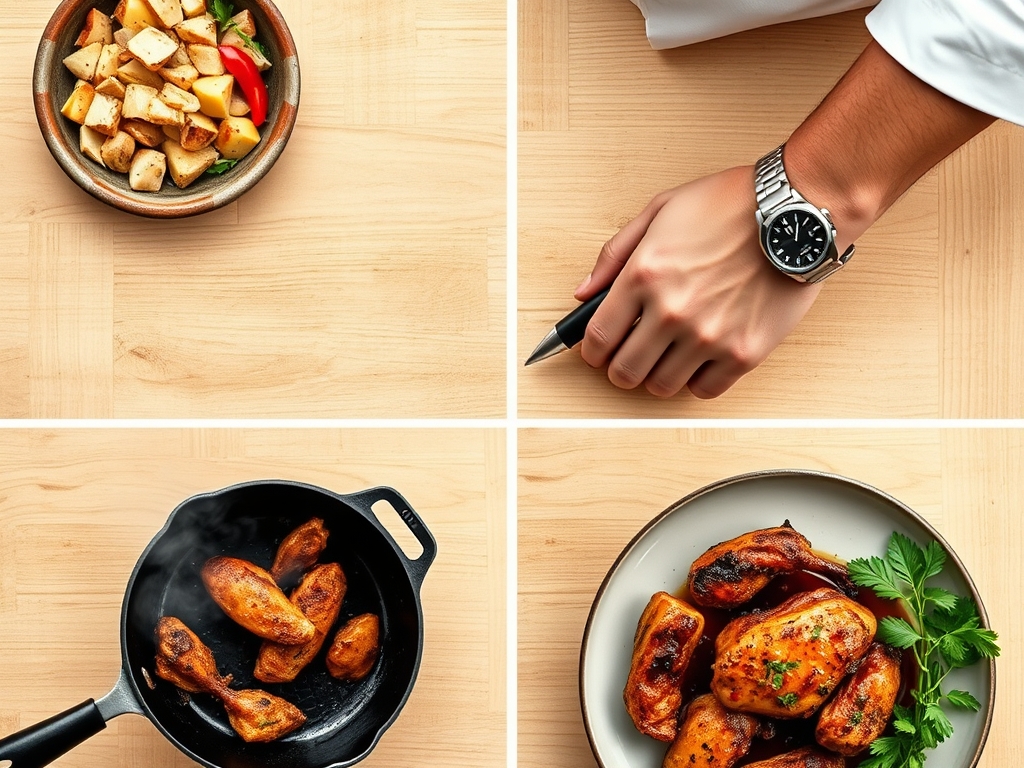
The Masterclass:
1. The Sear and Render
Pat the chicken extremely dry with paper towels. Heat your skillet until the oil shimmers. Lay the chicken away from you to avoid splashes and let it sit undisturbed for 4 to 5 minutes. Use tongs to check for a deep golden crust before flipping.
Pro Tip: This is the Maillard reaction in action. If the meat resists when you try to flip it, the proteins have not yet finished bonding and browning; wait another minute for a clean release.
2. Deglaze and Infuse
Once the chicken is removed, the bottom of your pan will be covered in "fond," those delicious brown bits. Pour in your pineapple juice and soy mixture. Use a wooden spoon to scrape the bottom of the pan, incorporating those concentrated flavors back into the liquid.
Pro Tip: Deglazing is a thermal shock that lifts flavor compounds. Using a cold liquid on a hot pan creates steam that physically loosens the caramelized proteins.
3. Emulsify the Glaze
Add a slurry of cornstarch and water to the simmering liquid. Whisk constantly as the sauce thickens from a thin juice to a viscous coating. The sauce should reach a "nappe" consistency, meaning it coats the back of a spoon without running off.
Pro Tip: This is starch gelatinization. The starch granules absorb liquid and swell, creating a network that traps water and creates that signature glossy sheen.
4. The Final Toss and Aerate
Return the chicken and any accumulated juices to the pan. Toss vigorously to coat every surface. Turn off the heat and add a splash of fresh lime juice or rice vinegar at the very end to brighten the heavy sugars.
Pro Tip: Adding acid at the end is called "brightening." It provides a sensory contrast to the dense sugars, making the dish feel lighter on the palate.
The Deep Dive:
When we look at the macro nutrition of these easy hawaiian chicken recipes, we see a high-protein profile balanced by complex carbohydrates if served over jasmine rice. A standard serving provides roughly 35g of protein and 12g of fat. To make this Keto-friendly, swap the sugar and pineapple juice for a combination of monk fruit sweetener and a drop of pineapple extract. For a Vegan twist, firm tofu or seitan can be pressed and seared using the exact same glazing technique.
The Fix-It:
- Sauce is too thin: You likely did not simmer it long enough to evaporate excess water. Simmer on high for 2 more minutes or add a tiny bit more starch slurry.
- Chicken is dry: You likely bypassed the resting phase. Always let the meat sit for 5 minutes before slicing so the internal pressure stabilizes.
- Sauce is too salty: Add a teaspoon of honey or a splash of water to dilute the sodium concentration without losing the flavor profile.
Meal Prep Science: To maintain "day-one" quality, store the sauce and chicken together. When reheating, use a microwave at 70% power or a splash of water in a skillet. This prevents the proteins from tightening up and becoming rubbery through over-coagulation.
The Wrap-Up:
You are now officially equipped to turn a few humble pantry staples into a tropical masterpiece. These easy hawaiian chicken recipes are more than just a quick dinner; they are a lesson in the harmony of sweet, salty, and acidic flavors. By focusing on the science of the sear and the chemistry of the glaze, you ensure every bite is a professional-grade experience. Grab your skillet, trust the process, and get ready to impress everyone at the table!
The Kitchen Table:
How do I make the chicken extra tender?
Use fresh pineapple juice in your marinade. The enzyme bromelain breaks down tough muscle fibers, acting as a natural tenderizer. Just don't marinate for more than 12 hours, or the meat will become mushy.
Can I use chicken breast instead of thighs?
Yes, but be careful. Breast meat is leaner and dries out quickly. Use a digital scale for even portions and a meat thermometer to pull them at 160 degrees Fahrenheit for perfect carryover cooking.
What is the best way to thicken the sauce?
Create a slurry using equal parts cornstarch and cold water. Whisk it into the boiling sauce slowly. This prevents lumps and ensures a smooth, glossy finish that clings to the chicken.
How do I get that dark, restaurant-style color?
The secret is a combination of brown sugar and high heat. The sugar undergoes caramelization while the meat undergoes the Maillard reaction, resulting in a deep, mahogany glaze that tastes rich and complex.