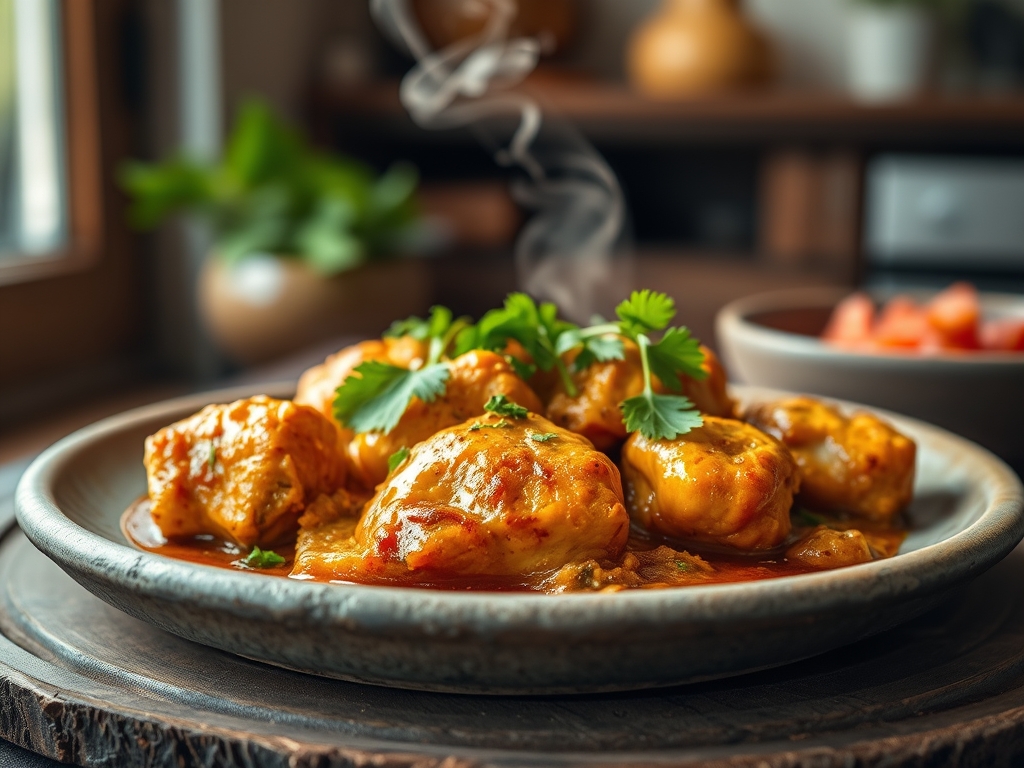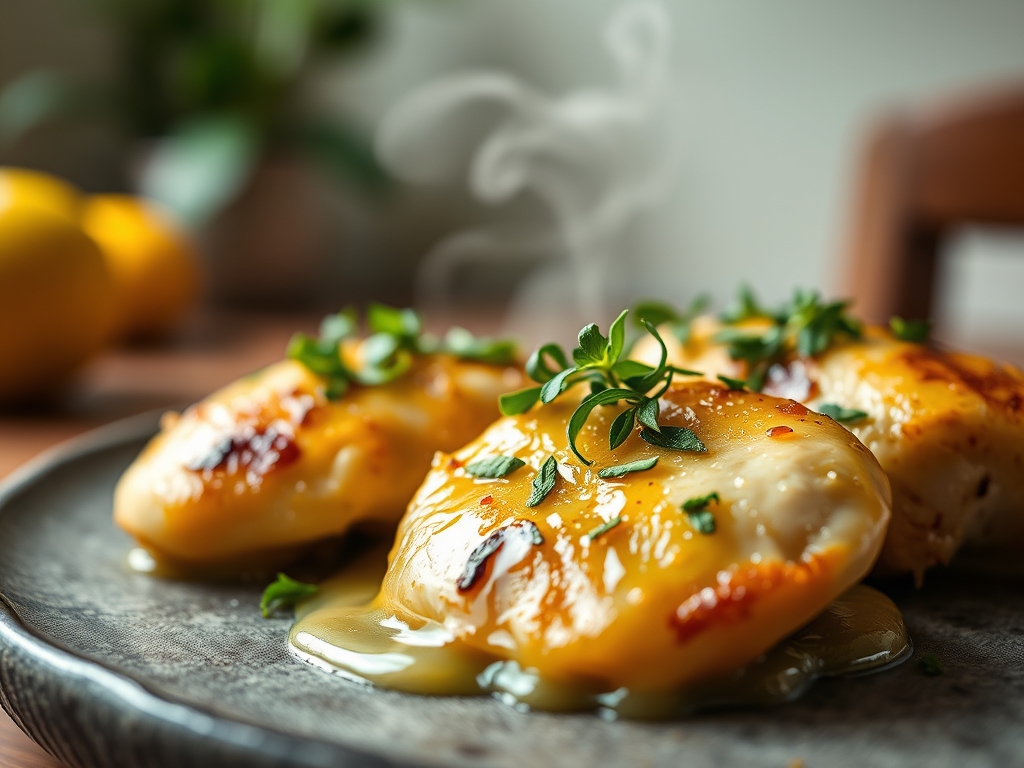
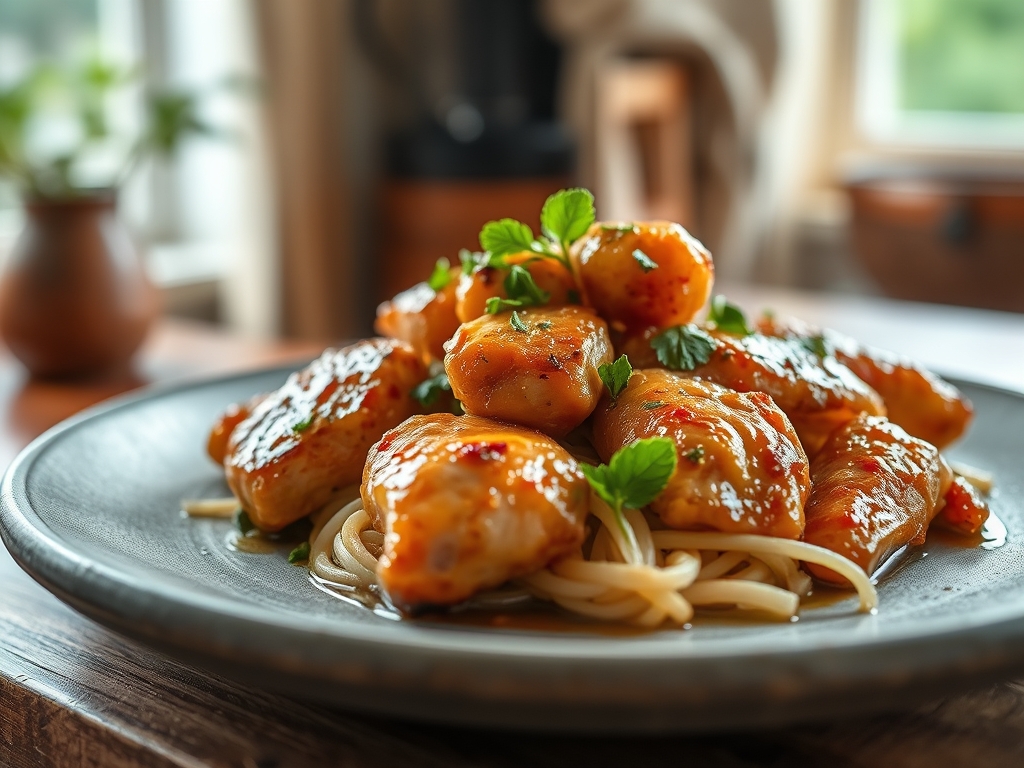
Imagine a heavy bottomed skillet sizzling on your stovetop; the sound is a rhythmic staccato as cold proteins hit shimmering oil. The air fills with the piquant aroma of crushed cloves and the deep, floral sweetness of nectar. If you are searching for the ultimate easy honey garlic chicken recipes, you have arrived at the culinary intersection of speed and sophistication. This is not just dinner; it is a masterclass in balancing the five basic tastes in under twenty minutes. We are going to transform humble poultry into a lacquered masterpiece that rivals any high end bistro, all while keeping your kitchen workflow seamless and stress free.
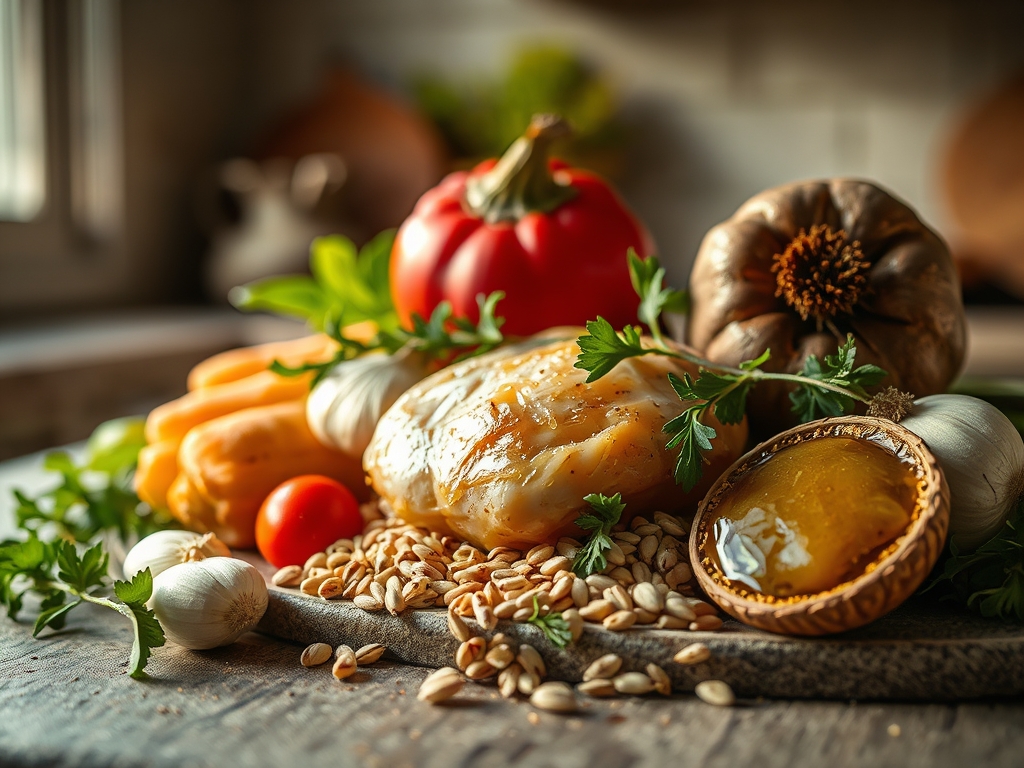
The Gathers:
Before we ignite the burners, we must respect the mise en place. High quality easy honey garlic chicken recipes depend entirely on the quality of your aromatics and the viscosity of your glaze. You will need chicken thighs or breasts; thighs are preferable for their higher fat content which allows them to remain succulent during high heat searing. For the sauce, gather raw honey, low sodium soy sauce (to control the salinity), and fresh garlic. Do not use the pre minced jars; the sulfurous compounds in fresh garlic provide a sharp bite that bottled versions lack.
Smart Substitutions: If you are watching your glycemic index, substitute the honey with agave nectar or a monk fruit syrup. For those avoiding soy, coconut aminos offer a similar umami profile with a slightly sweeter finish. If you lack fresh ginger, a pinch of ground ginger can work, though it lacks the fibrous zing of the fresh rhizome. Use a microplane to zest your aromatics; this increases surface area and ensures the essential oils infuse into the sauce instantly.
The Clock:
Efficiency in the kitchen is about "Chef's Flow." This refers to the synchronization of tasks to minimize downtime. For these easy honey garlic chicken recipes, your active prep time is exactly ten minutes. This includes dicing the chicken into uniform one inch cubes to ensure even thermal distribution. The cooking process takes another ten minutes.
The flow works like this: while your heavy bottomed skillet preheats, you whisk the sauce. As the chicken renders its fat and develops a golden crust, you prepare your garnishes. By the time the meat reaches an internal temperature of 160 degrees Fahrenheit, your sauce is ready to deglaze the pan. This tight window ensures the garlic stays fragrant without turning bitter from overexposure to heat.
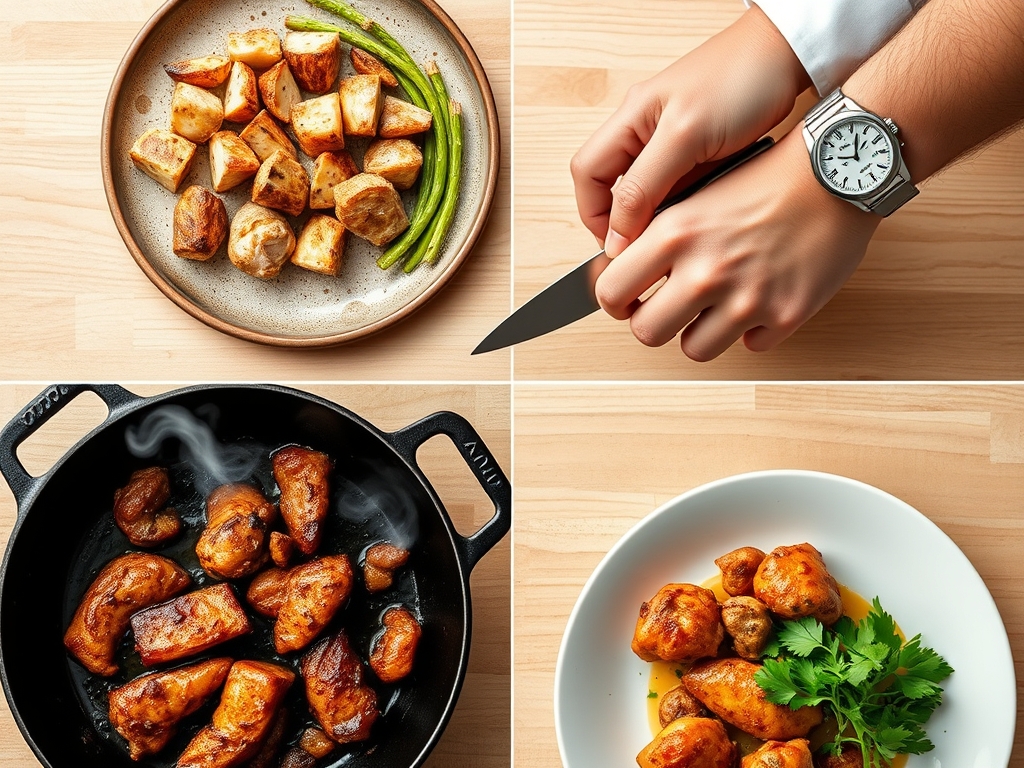
The Masterclass:
1. The Sear and the Maillard Reaction
Pat your chicken dry with paper towels. Moisture is the enemy of a good sear. Place the pieces in a hot skillet with a high smoke point oil like avocado or grapeseed oil. Do not crowd the pan; if the pieces touch, they will steam rather than brown.
Pro Tip: The Maillard Reaction occurs between 280 and 330 degrees Fahrenheit. It is a chemical reaction between amino acids and reducing sugars that creates hundreds of different flavor compounds. If you move the chicken too early, you lose that savory complexity.
2. Infusing the Aromatics
Once the chicken is browned and 80 percent cooked, push it to the perimeter of the pan. Add your minced garlic and grated ginger to the center. Use your tongs to swirl them in the residual fat for exactly thirty seconds until they become translucent and fragrant.
Pro Tip: Garlic contains allicin, which is highly heat sensitive. By adding it toward the end of the cook time, you preserve the sharp, antimicrobial properties and prevent the bitter notes that occur when garlic solids carbonize.
3. Deglazing and Emulsification
Pour your honey and soy mixture directly into the hot pan. Use a wooden spoon or a bench scraper to lift the "fond"—those flavorful brown bits stuck to the bottom. Bring the liquid to a vigorous simmer.
Pro Tip: As the water evaporates, the sauce becomes more viscous. The honey acts as a natural emulsifier, binding the fats from the chicken with the water based soy sauce to create a glossy, velvet like coating.
4. The Glaze and Finish
Toss the chicken continuously in the bubbling sauce. The sugars in the honey will begin to caramelize, turning the sauce into a thick lacquer that clings to the meat. Remove from heat when the sauce coats the back of a spoon.
Pro Tip: Consider thermal carryover. The internal temperature of the chicken will rise by about 5 degrees after you remove it from the heat. Pulling the pan at 160 degrees ensures a final, juicy result of 165 degrees.
The Deep Dive:
When we look at the macro nutrition, these easy honey garlic chicken recipes are powerhouses of protein. A standard serving provides approximately 35 grams of protein and 12 grams of healthy fats. While the honey adds carbohydrates, you can mitigate the caloric load by serving the dish over cauliflower rice or a bed of sautéed bok choy.
Dietary Swaps: To make this Keto friendly, use an allulose based honey substitute. For a Vegan version, swap the chicken for extra firm tofu or cauliflower florets; just ensure you press the tofu to remove excess water so it can achieve a crispy exterior. For Gluten Free requirements, always opt for Tamari instead of standard soy sauce.
The Fix-It:
- Sauce too thin? Whisk one teaspoon of cornstarch with a tablespoon of cold water to create a slurry. Add it to the boiling sauce to instantly increase the viscosity.
- Chicken is dry? You likely overcooked it. Next time, use a digital scale to ensure uniform pieces and a meat thermometer to track the temperature.
- Too salty? Add a splash of rice vinegar or a squeeze of lime. The acidity will cut through the sodium and balance the palate.
Meal Prep Science: To maintain "day one" quality, store the sauce and chicken together. When reheating, avoid the microwave if possible. Instead, use a saucier over low heat with a tablespoon of water. This rehydrates the proteins and thins the honey glaze back to its original silky state without toughening the meat.
The Wrap-Up:
Mastering easy honey garlic chicken recipes is a gateway to becoming a more confident, efficient home cook. By understanding the science of the sear and the chemistry of a perfect glaze, you turn a simple weeknight meal into a culinary event. These recipes are fast, flavorful, and incredibly versatile. Whether you are feeding a hungry family or prepping for a busy week, the combination of sticky honey and pungent garlic is a guaranteed win. Grab your skillet and get cooking!
The Kitchen Table:
Can I use frozen chicken for this recipe?
Yes, but you must thaw it completely and pat it dry. Excess moisture from frozen poultry prevents the Maillard Reaction, resulting in grey, steamed meat rather than a golden, crispy crust.
How do I prevent the honey from burning?
Add the honey sauce only after the chicken is mostly cooked. Keep the sauce at a simmer rather than a rolling boil; high sugar content can quickly transition from caramelization to carbonization.
What is the best way to store leftovers?
Store in an airtight glass container for up to four days. Glass is non reactive and won't absorb the strong garlic odors. Reheat gently on the stovetop to maintain the sauce's glossy texture.
Why is my sauce not sticking to the chicken?
The sauce likely hasn't reduced enough. Continue simmering until the water content evaporates, leaving behind a concentrated, viscous glaze. A cornstarch slurry can also help the sauce adhere to the protein.