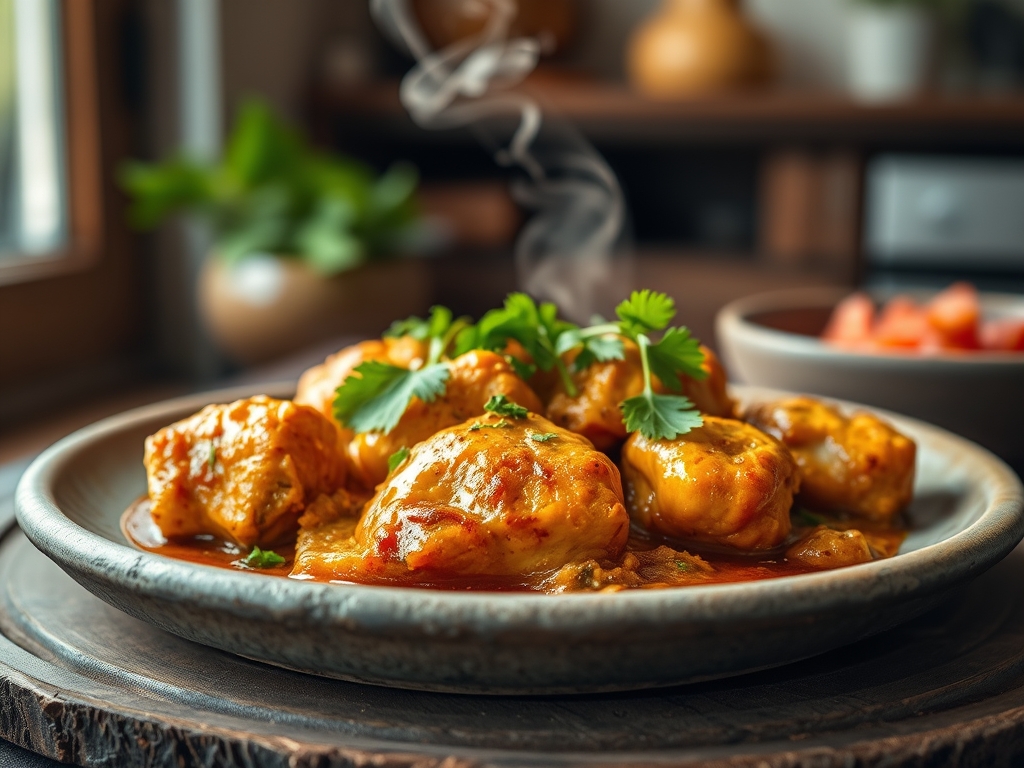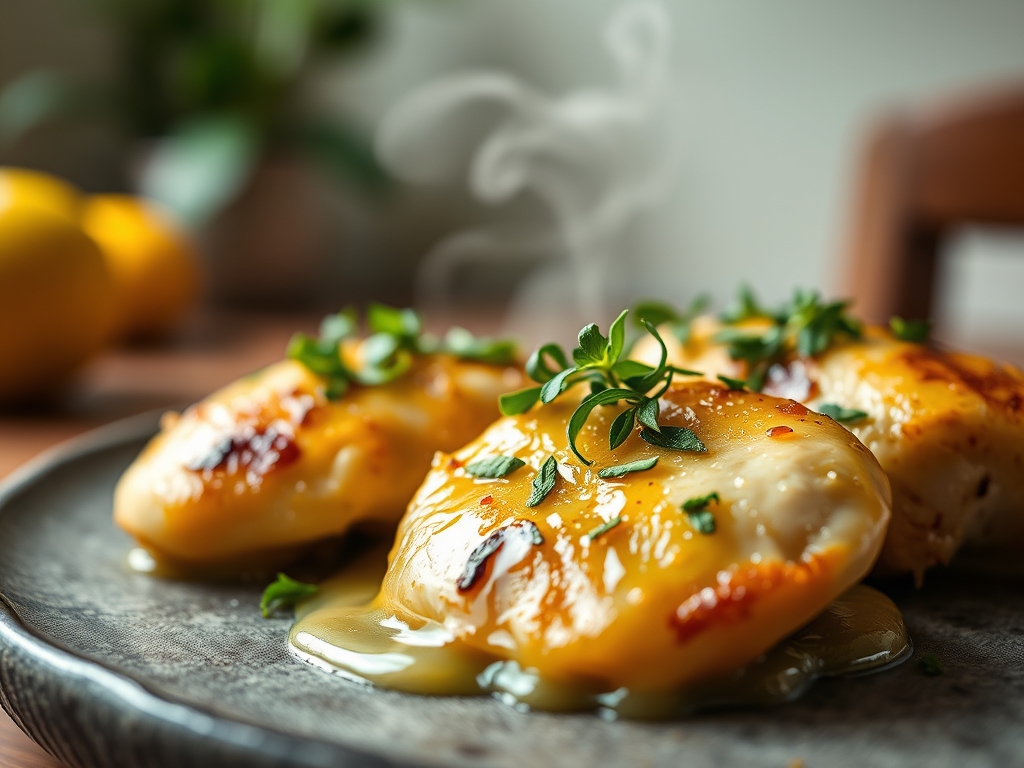
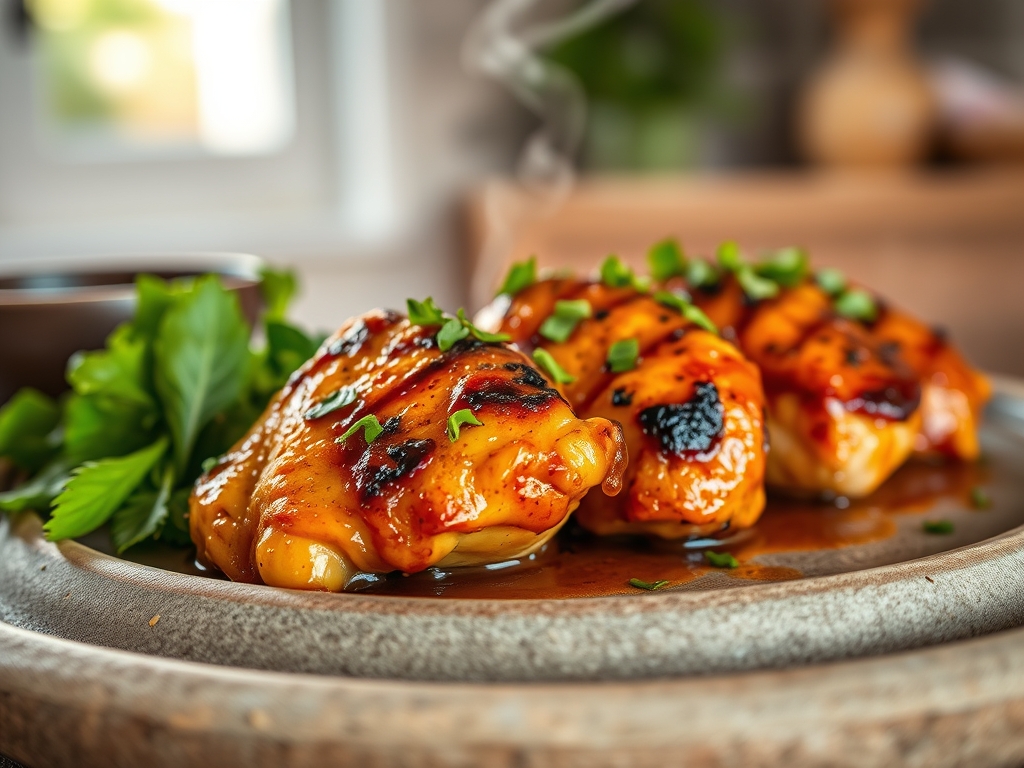
Close your eyes and listen for that specific, rhythmic sizzle. It is the sound of moisture meeting high heat; the sound of a perfect dinner. When you are hunting for authentic mexican marinated chicken recipes, you are actually looking for the intersection of acid, fat, and fire. It is about more than just tossing poultry into a bowl of store-bought salsa. We are talking about deep, cellular level flavor infusion that transforms a humble chicken breast into a succulent, charred masterpiece. The secret lies in the chemistry of the marinade, where enzymes break down tough proteins and lipids carry the heat of the chiles directly into the fibers. This process ensures every bite is a balanced explosion of citrus and spice. Whether you are prepping for a Tuesday taco night or a weekend feast, mastering these eight secrets will elevate your kitchen game from amateur to artisanal. Grab your apron and your favorite heavy-bottomed skillet; we are about to dive into the molecular magic of the perfect Mexican grill.
The Gathers:
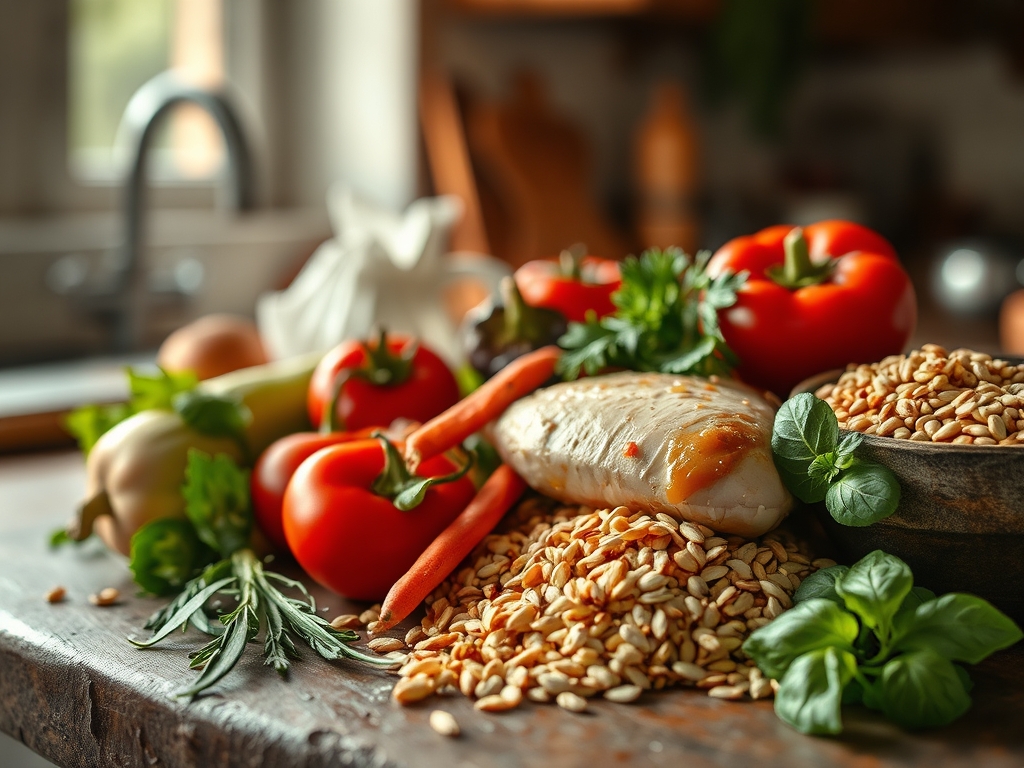
To achieve the results seen in the professional culinary world, your mise-en-place must be precise. Start with high-quality chicken thighs or breasts; thighs are preferred for their higher fat content, which leads to better moisture retention. You will need a microplane to zest three large limes and two cloves of garlic. The zest contains the essential oils that provide a bright, aromatic punch without the curdling risk of pure juice. For the base, select a neutral oil with a high smoke point like avocado oil; it acts as a viscous carrier for the spices.
Your spice profile should include ground cumin, smoked paprika, and dried Mexican oregano. Note that Mexican oregano is actually a relative of lemon verbena, providing a citrusy undertone that Mediterranean oregano lacks. Use a digital scale to measure out 15 grams of kosher salt per pound of meat; salt is the only ingredient that truly penetrates the protein structure. For the "Smart Substitutions," if you find yourself without fresh limes, a splash of apple cider vinegar provides the necessary piquant acidity. If you need a smoky kick without the heat, substitute chipotle powder for smoked paprika. Always have a bench scraper handy to clear your board of garlic skins and cilantro stems, keeping your workspace clinical and efficient.
The Clock
The "Chef's Flow" is all about timing and thermal management. Total preparation time for the marinade is approximately 15 minutes, but the real work happens in the quiet hours of the refrigerator. You want a minimum of two hours for the salt to begin the denaturation process; however, six hours is the "sweet spot" for maximum flavor. Never exceed 24 hours, or the acid will begin to "cook" the meat, resulting in a mealy, unappealing texture.
Cooking takes roughly 12 to 18 minutes depending on your heat source. A heavy-bottomed skillet or a cast iron pan requires a 5-minute preheat to ensure even heat distribution. Factoring in a mandatory 10-minute rest period after cooking is non-negotiable. This allows the internal juices to redistribute, ensuring they stay in the meat rather than flooding your cutting board.
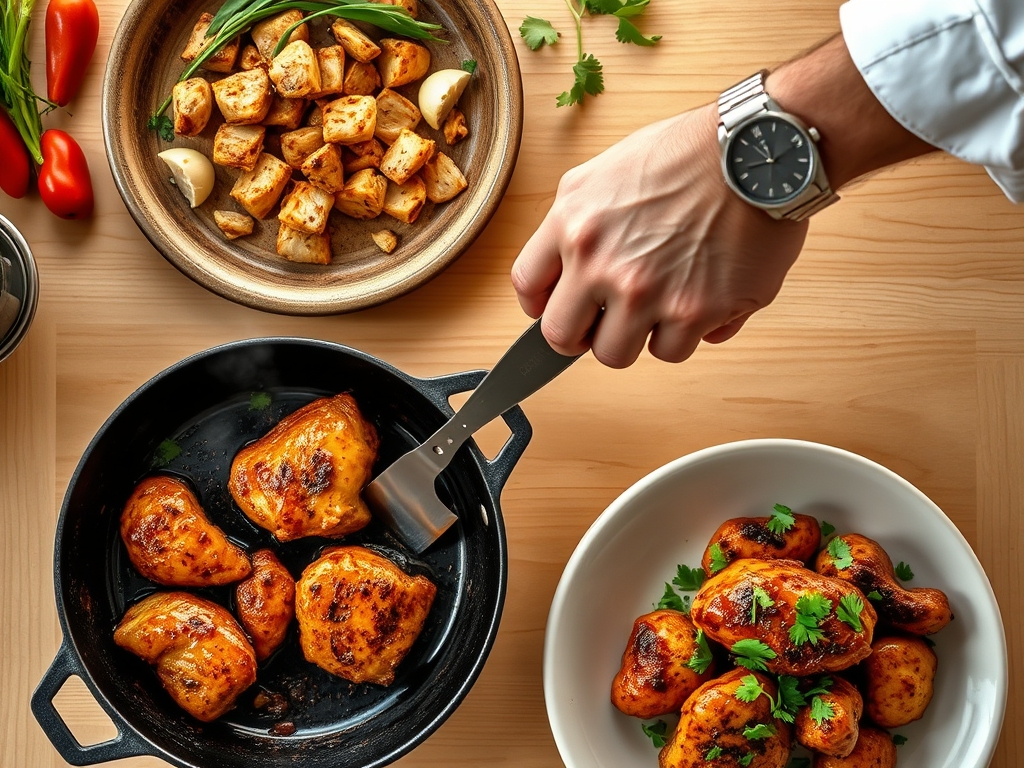
The Masterclass
1. The Emulsification Phase
Before the chicken ever touches the bowl, you must create a stable emulsion. Whisk your oil, lime juice, and spices in a saucier or small bowl until the mixture is thick and uniform.
Pro Tip: This ensures that the fat-soluble compounds in the spices are evenly distributed. Without emulsification, the oil will simply slide off the meat, taking the flavor with it.
2. Surface Area Optimization
Using a sharp chef's knife, lightly score the surface of the chicken in a crosshatch pattern. This increases the surface area exposed to the marinade.
Pro Tip: Scoring facilitates enzymatic browning (the Maillard reaction) by allowing more of the marinade's sugars and proteins to contact the heat source directly.
3. The Cold Infusion
Place the chicken and marinade in a vacuum-sealed bag or a glass bowl, ensuring every inch is coated. Refrigerate immediately.
Pro Tip: Cold temperatures slow down bacterial growth while allowing the salt to draw moisture into the cells via osmosis, a process that actually seasons the meat from the inside out.
4. Tempering the Protein
Remove the chicken from the fridge 20 minutes before cooking to take the chill off.
Pro Tip: This prevents "thermal shock," where the outside of the meat overcooks and dries out before the center reaches a safe temperature. It ensures a more even thermal gradient.
5. The High-Sear Execution
Heat your skillet until the oil just begins to shimmer. Lay the chicken away from you to avoid oil splatter, using tongs for maximum control.
Pro Tip: Do not crowd the pan. Overcrowding leads to steam production rather than searing, which inhibits the Maillard reaction and leaves the chicken gray and rubbery.
6. The Deglaze and Baste
In the final two minutes of cooking, add a tablespoon of butter and a splash of water or stock to the pan. Scrape up the browned bits (the fond).
Pro Tip: This process, known as deglazing, incorporates the concentrated flavors from the bottom of the pan back into a glaze that coats the chicken.
7. Monitoring Internal Temperature
Use a digital probe thermometer to pull the chicken at 160 degrees Fahrenheit.
Pro Tip: This accounts for thermal carryover. The internal temperature will continue to rise to the safe 165 degree mark while the meat rests on the board.
8. The Essential Rest
Transfer the chicken to a warm plate and tent loosely with foil for 10 minutes.
Pro Tip: Resting allows the muscle fibers, which tightened during cooking, to relax and reabsorb the viscous juices. Cutting too early results in a 20 percent loss of total moisture.
The Deep Dive
From a nutritional standpoint, this recipe is a powerhouse. A standard 6-ounce serving provides roughly 40 grams of lean protein and 12 grams of healthy fats, primarily from the avocado oil. For those following a Keto lifestyle, this is a perfect primary protein. To make this Vegan, swap the chicken for extra-firm tofu or oyster mushrooms; just be sure to press the tofu first to allow for maximum marinade absorption. For a Gluten-Free version, simply ensure your dried spices are certified GF, as some anti-caking agents contain traces of wheat.
Even the best chefs hit snags. If your chicken is too salty, balance the dish with an extra squeeze of fresh lime or a dollop of unsweetened Greek yogurt. If the exterior is burnt but the inside is raw, your pan was too hot; finish the chicken in a 350-degree oven to reach the target temperature. If the chicken is "rubbery," it likely spent too long in an acidic marinade.
For meal prep, reheating is a science. Avoid the microwave, which vibrates water molecules and toughens the protein. Instead, reheat in a covered skillet with a teaspoon of water over medium-low heat. This creates a gentle steam environment that restores the "day-one" suppleness of the meat.
The Wrap-Up
Mastering mexican marinated chicken recipes is your ticket to becoming the most popular cook in your circle. By understanding the chemistry of the Maillard reaction and the importance of osmosis, you are no longer just following a recipe; you are engineering flavor. Remember to respect the rest time and always use fresh aromatics. Your kitchen is now a laboratory of deliciousness. Go forth and sear with confidence; your perfect taco is waiting.
The Kitchen Table
How long should I marinate chicken for tacos?
For the best results, marinate for 2 to 6 hours. This timeframe allows the salt and aromatics to penetrate the meat without the acid breaking down the protein fibers too much, which can cause a mushy or mealy texture.
Can I freeze chicken in the Mexican marinade?
Yes, freezing chicken in the marinade is an excellent time-saver. The marination process happens during the thawing phase in the refrigerator. Just ensure you use a heavy-duty, airtight freezer bag to prevent freezer burn and maintain flavor integrity.
What is the best oil for Mexican marinades?
Use a neutral oil with a high smoke point, such as avocado or grapeseed oil. These oils can withstand the high heat required for a proper sear without smoking or developing bitter off-flavors, unlike extra virgin olive oil.
Why is my marinated chicken dry?
Dryness usually stems from overcooking or skipping the resting phase. Always use a meat thermometer to pull the chicken at 160 degrees Fahrenheit and let it rest for 10 minutes to allow the internal juices to redistribute through the fibers.