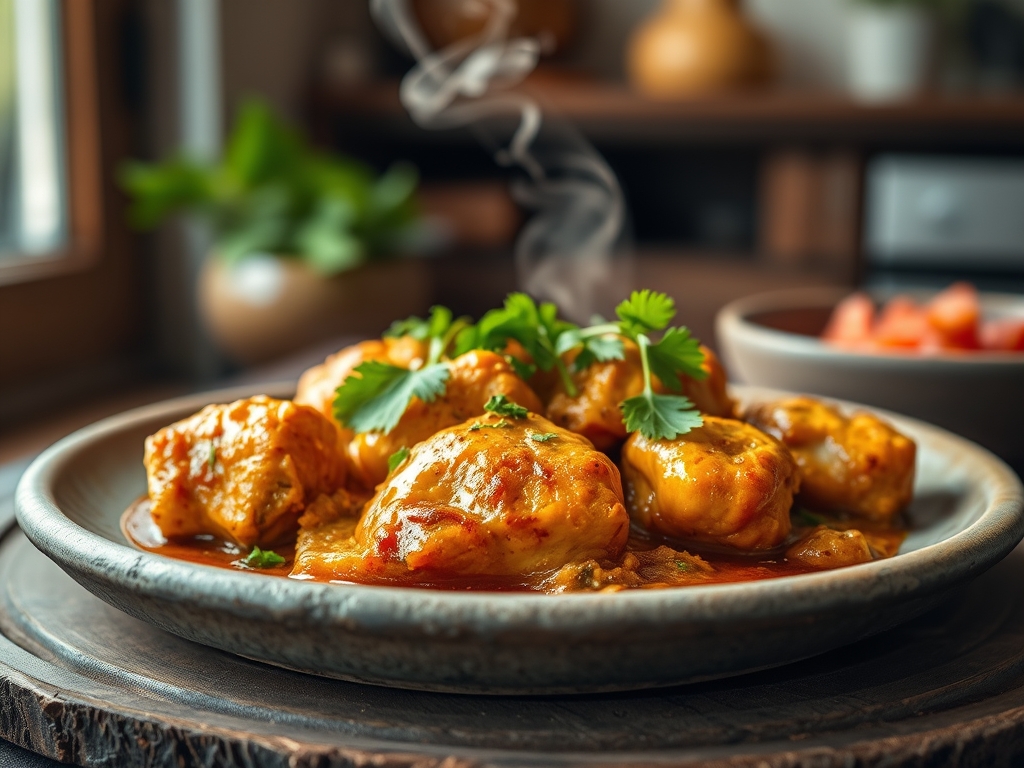
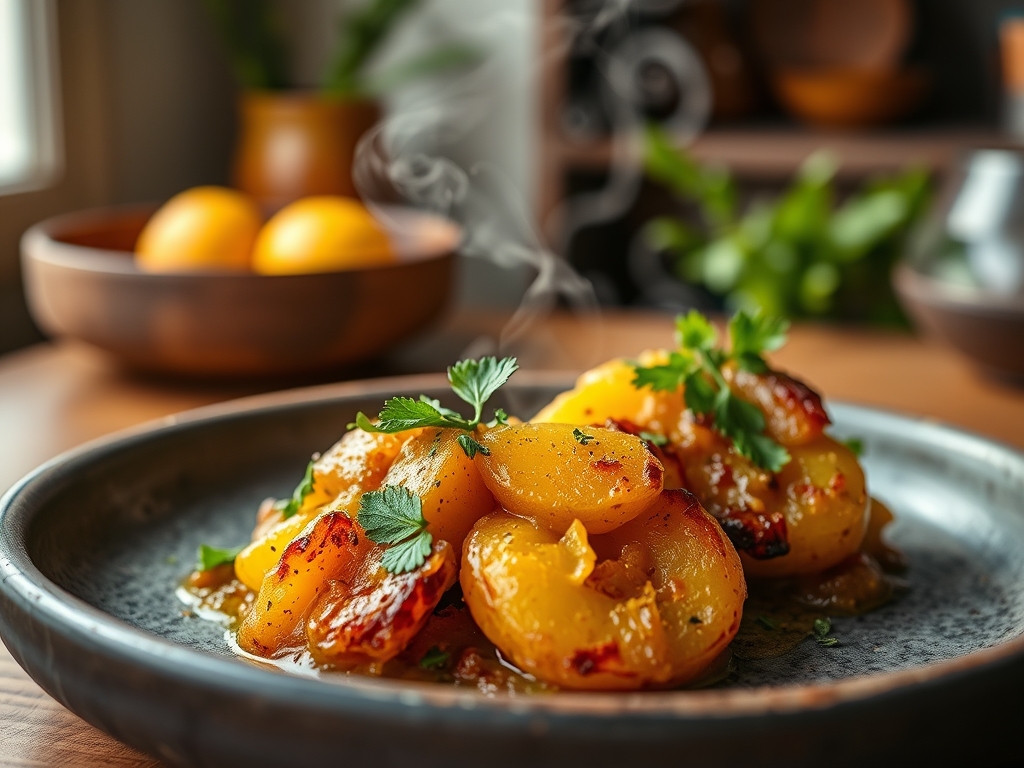
Picture the scent of toasted cumin seeds hitting hot ghee; it is a sharp, earthy perfume that fills your kitchen in seconds. When you master instant pot potato recipes indian style, you are not just cooking; you are orchestrating a complex chemical symphony of spices and starch. We are chasing that perfect, velvety interior and a piquant, spice-crusted exterior that defines authentic Desi comfort food.
The magic of the Instant Pot lies in its ability to force flavors into the very center of a dense tuber. Normally, a potato is a stubborn starch fortress. However, under high pressure, the moisture is driven into the cellular structure, hydrating the starches while the aromatic oils from your spices infuse every bite. Whether you are craving a dry, crispy Aloo Fry or a lush, gravy-based Dum Aloo, the pressure cooker is your secret weapon for achieving deep, slow-cooked flavor in a fraction of the time. We are going to dive into the molecular mechanics of the perfect potato, ensuring your results are never mushy but always magnificent.
The Gathers:
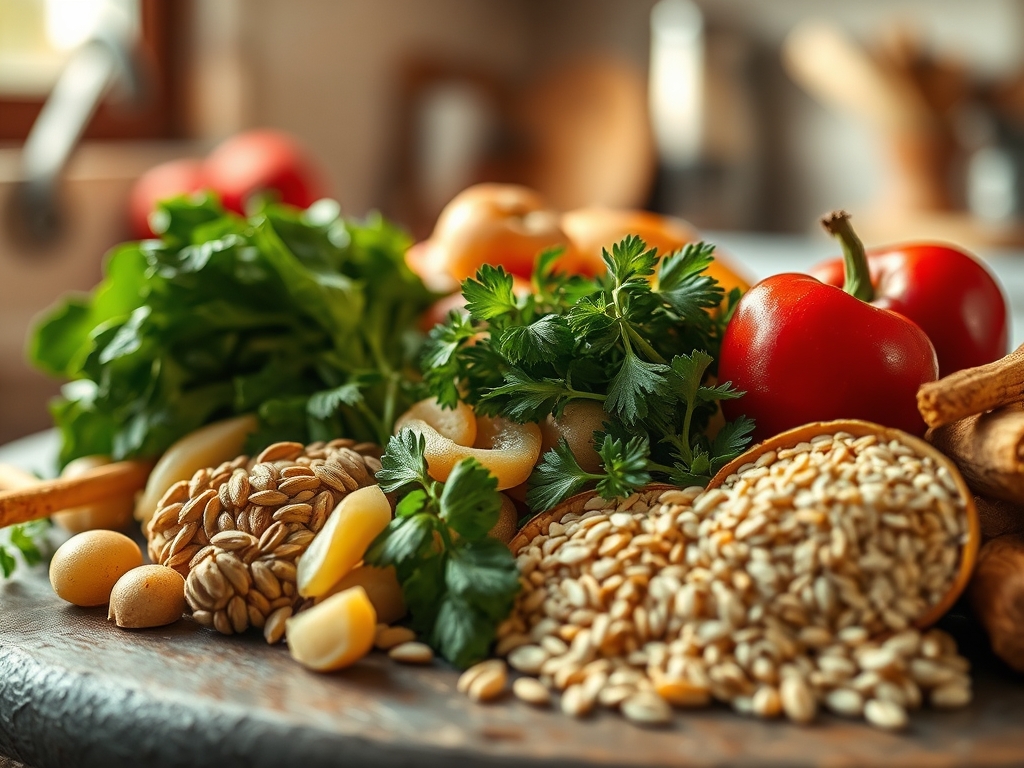
To begin, clear your workstation with a bench scraper and assemble your mise-en-place. For the most authentic results, use Yukon Gold potatoes; their medium starch content provides a creamy mouthfeel without disintegrating like a Russet might. You will need high-quality fats. Ghee is king here because of its high smoke point and nutty, toasted milk solids, but a neutral avocado oil works for a vegan approach.
Your spice kit is your laboratory. You need whole cumin seeds (jeera), turmeric for its earthy bitterness and antiseptic yellow hue, and Kashmiri red chili powder for that vibrant crimson glow without overwhelming heat. Do not forget the aromatics: fresh ginger and garlic turned into a fine paste using a microplane to maximize surface area for flavor release.
Smart Substitutions: If you cannot find amchur (dried mango powder), use a squeeze of fresh lime at the very end to provide that necessary acid hit. If you are watching your glycemic index, you can swap half of the potatoes for cauliflower florets (Aloo Gobi style), but remember that cauliflower requires a much shorter cook time to avoid becoming a sulfurous puree.
The Clock:
Efficiency in the kitchen is about "Chef's Flow." Your total active prep time is roughly 15 minutes. This includes washing, peeling, and cubing your potatoes into uniform 1-inch pieces. Uniformity is not just for aesthetics; it ensures every piece reaches the same level of starch gelatinization at the exact same moment.
The Instant Pot cycle involves three distinct phases. First, the 5-minute "Sauté" phase to bloom spices and aromatics. Second, the 4-to-6-minute high-pressure cycle. Finally, the 5-to-10-minute natural pressure release. Total "Table Time" is approximately 30 minutes. While the pot is pressurized, use that window to wash your saucier or prep a fresh cilantro garnish. This prevents kitchen chaos and keeps your workspace pristine.
The Masterclass:
1. The Tempering (Tadka)
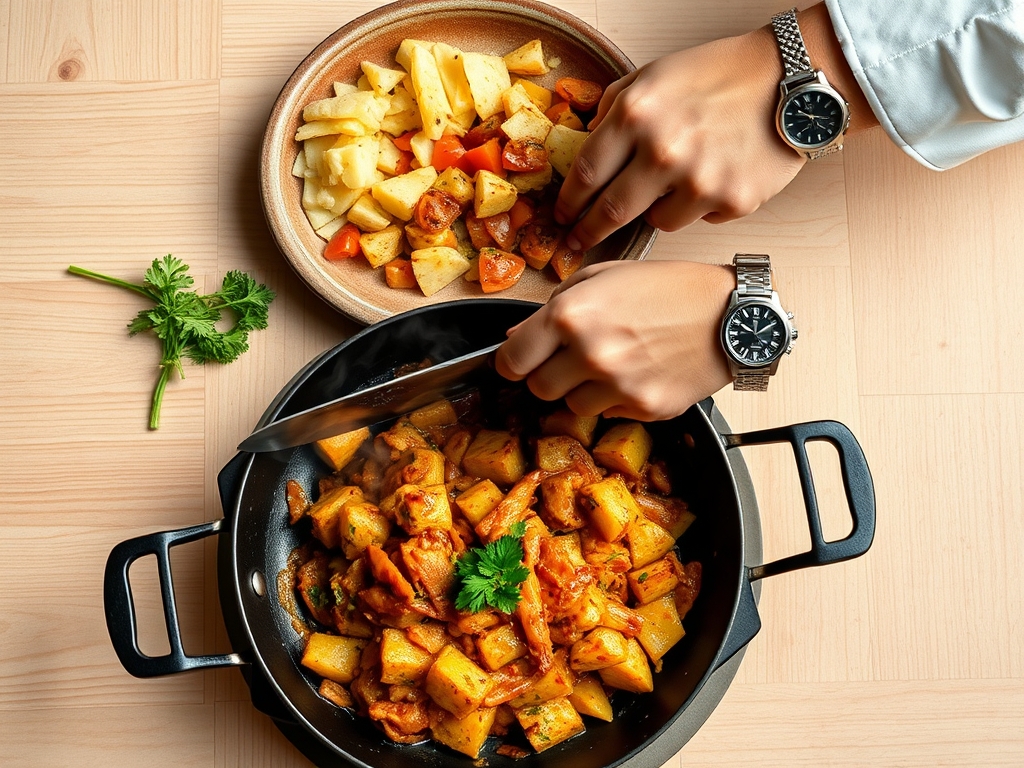
Set your Instant Pot to Sauté mode and add two tablespoons of ghee. Once the display reads "Hot," toss in your whole cumin seeds and a pinch of asafoetida (hing). Wait for the seeds to sizzle and change color.
Pro Tip: This is called tempering. The heat causes the essential oils in the spices to undergo a fat-soluble extraction, which carries the flavor throughout the entire dish.
2. The Aromatic Base
Add your finely minced onions and sauté until they are translucent. Add the ginger-garlic paste and green chilies. Stir constantly with a wooden spoon to prevent the sugars from scorching.
Pro Tip: This stage involves the Maillard reaction, where amino acids and reducing sugars create new, complex flavor compounds. If the pot looks dry, add a tablespoon of water to deglaze the bottom.
3. The Spice Infusion
Turn off the heat briefly to prevent burning. Add your turmeric, coriander powder, and chili powder. Stir for 30 seconds until the mixture becomes highly aromatic and the oil starts to separate from the spices.
Pro Tip: Spices are hydrophobic. Toasting them in oil (rather than water) ensures the flavor molecules are properly "unlocked" and ready to coat the potatoes.
4. The Potato Integration
Toss in your cubed potatoes and salt. Stir vigorously to ensure every cube is coated in the spice paste. Add exactly half a cup of water or vegetable stock.
Pro Tip: Using a digital scale to measure your water ensures you have enough liquid to reach pressure without creating a watery soup. The salt here initiates osmosis, drawing out just enough potato moisture to create a thick sauce.
5. The Pressure Phase
Secure the lid and set the valve to "Sealing." Select High Pressure for 4 minutes. Once the timer beeps, let the pressure release naturally for 5 minutes before toggling the valve.
Pro Tip: Thermal carryover continues to cook the potatoes during the natural release. A quick release can cause the potato cells to rupture from the sudden pressure change, leading to a mealy texture.
6. The Final Reduction
Open the lid and check the consistency. If the sauce is too thin, select Sauté mode again for 2 minutes. Use the back of your spoon to crush two or three potato cubes into the liquid.
Pro Tip: This releases extra starch into the sauce, acting as a natural viscous thickener without the need for flour or cornstarch.
7. The Brightening
Turn off the heat and stir in garam masala and a handful of chopped cilantro. Add a squeeze of lemon juice or a teaspoon of amchur.
Pro Tip: Garam masala is a finishing spice. Its volatile aromatics are heat-sensitive; adding it at the end preserves its floral, peppery top notes.
The Deep Dive:
From a nutritional standpoint, potatoes are a powerhouse of potassium and Vitamin C. A standard serving of these instant pot potato recipes indian style contains about 220 calories, 4g of fiber, and 3g of protein. To make this Keto-friendly, substitute the potatoes with daikon radish or turnips, which mimic the texture but with significantly fewer carbohydrates. For a Vegan version, simply replace ghee with coconut oil or mustard oil.
The Fix-It:
- The Burn Signal: If your pot triggers a burn warning, you likely didn't deglaze the bottom properly. Transfer the contents to a bowl, scrub the pot liner, add two tablespoons of extra water, and restart.
- Mushy Potatoes: You likely cut the pieces too small or used a "Quick Release" too early. Next time, aim for larger chunks.
- Bland Sauce: This usually means the salt or acid is low. Add a pinch of salt and a dash of vinegar or lemon to "wake up" the flavors.
Meal Prep Science: Potatoes are famous for "retrogradation." When they cool, the starches crystallize, making them firmer and increasing the amount of resistant starch (which is great for gut health). To reheat, add a splash of water and use the "Steam" function for 2 minutes to restore that creamy texture without making them rubbery.
The Wrap-Up:
There you have it; the science of the perfect spud is now in your hands. By understanding how pressure, fat, and spices interact, you have elevated a humble root vegetable into a gourmet masterpiece. These instant pot potato recipes indian style are more than just a quick dinner; they are a gateway to mastering the nuances of Vedic cooking. So, grab your Instant Pot, trust the chemistry, and get ready for a kitchen that smells like a dream.
The Kitchen Table:
Can I use frozen potatoes for Indian recipes?
Yes, but reduce the pressure cooking time to 2 minutes. Frozen potatoes are often blanched, meaning they are partially cooked. This prevents them from turning into a flavorless mash during the high-pressure cycle.
Why are my potatoes sticking to the bottom?
Sticking usually occurs when there is insufficient fat or if you failed to deglaze after sautéing aromatics. Always use a wooden spoon to scrape the browned bits (fond) off the bottom before sealing the lid.
What is the best potato for Indian gravy?
Yukon Gold is the gold standard. They possess a buttery texture and hold their shape well under pressure. Russets tend to fall apart, while red potatoes can sometimes remain too waxy for thick gravies.
Can I cook rice and potatoes together?
Absolutely. Use the "Pot-in-Pot" method. Place your potatoes and spices in the bottom, then set a tall trivet over them with a stainless steel bowl of rice and water on top for a complete meal.