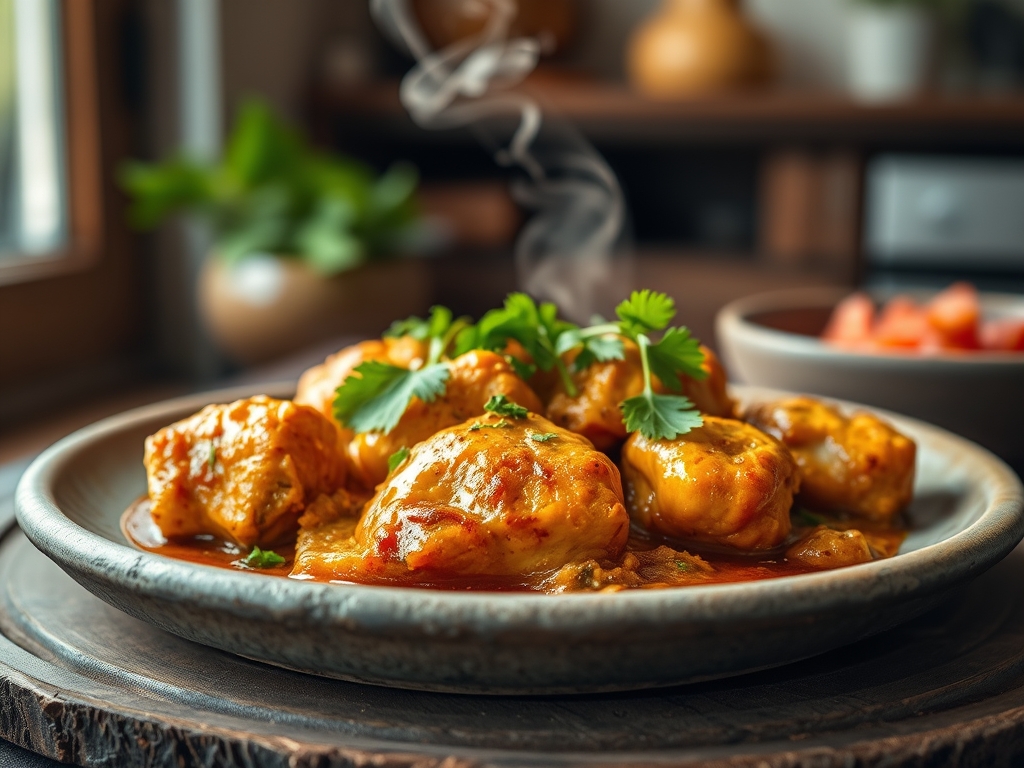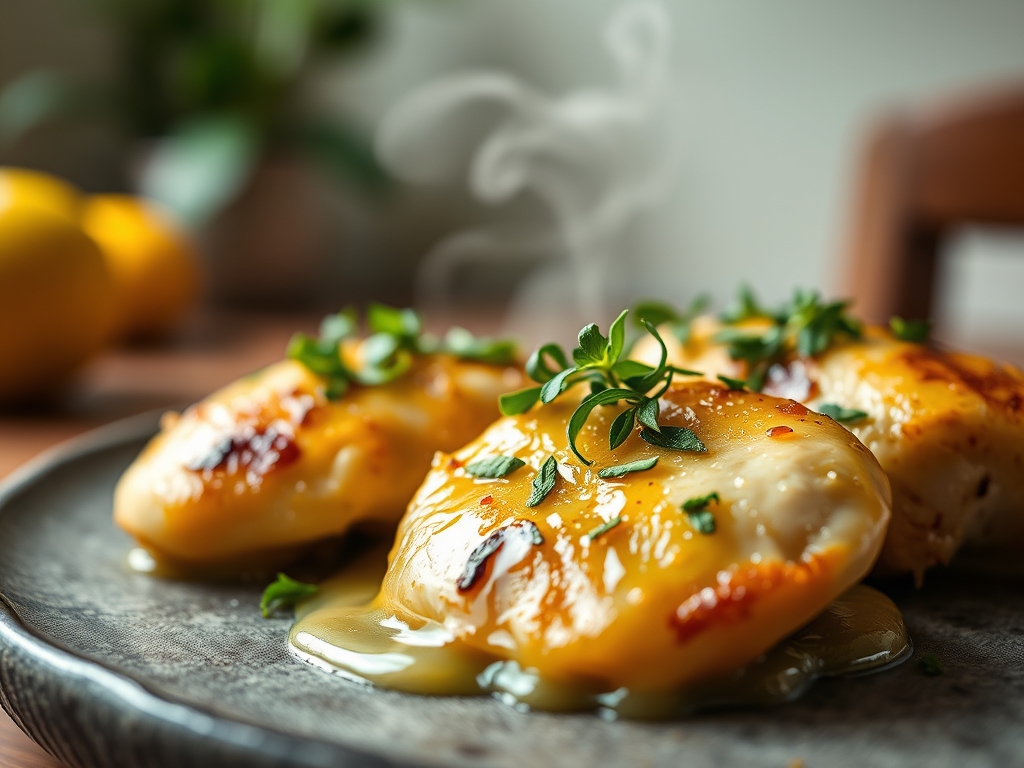
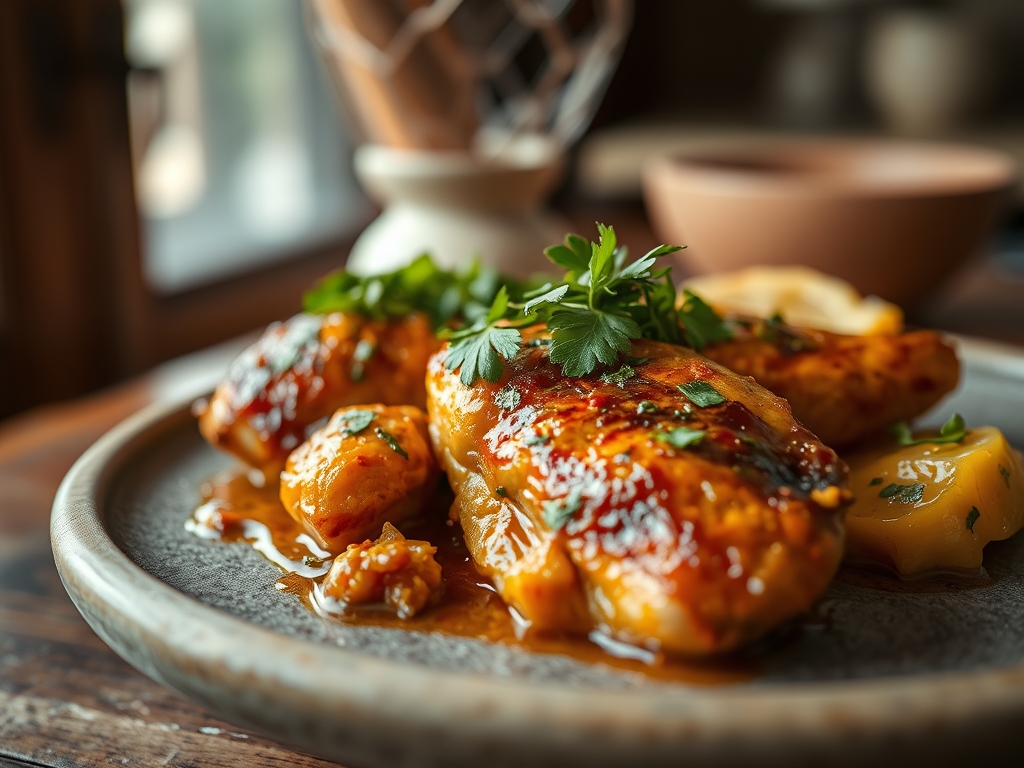
Imagine the hiss of a heavy-bottomed skillet meeting cold protein; it is the sound of a culinary transformation about to unfold. You have likely been told that white meat is the boring, dry cousin of the chicken world, but that is a lie born of poor technique. When you master breast chicken recipes indian style, you are not just cooking; you are conducting a symphony of spices that penetrate deep into the muscle fibers. The air in your kitchen should turn thick with the scent of toasted cumin and the sharp, piquant bite of fresh ginger. We are moving beyond the rubbery textures of basic meal prep and into the realm of succulent, spice-infused masterpieces that defy every stereotype of the lean bird. Whether it is the velvety finish of a butter-based gravy or the charred, smoky edges of a stovetop tikka, these dishes rely on the delicate balance of heat and acid. We are going to treat these lean cuts with the respect they deserve; using science to keep them juicy while layering flavors that linger long after the last bite.
The Gathers:
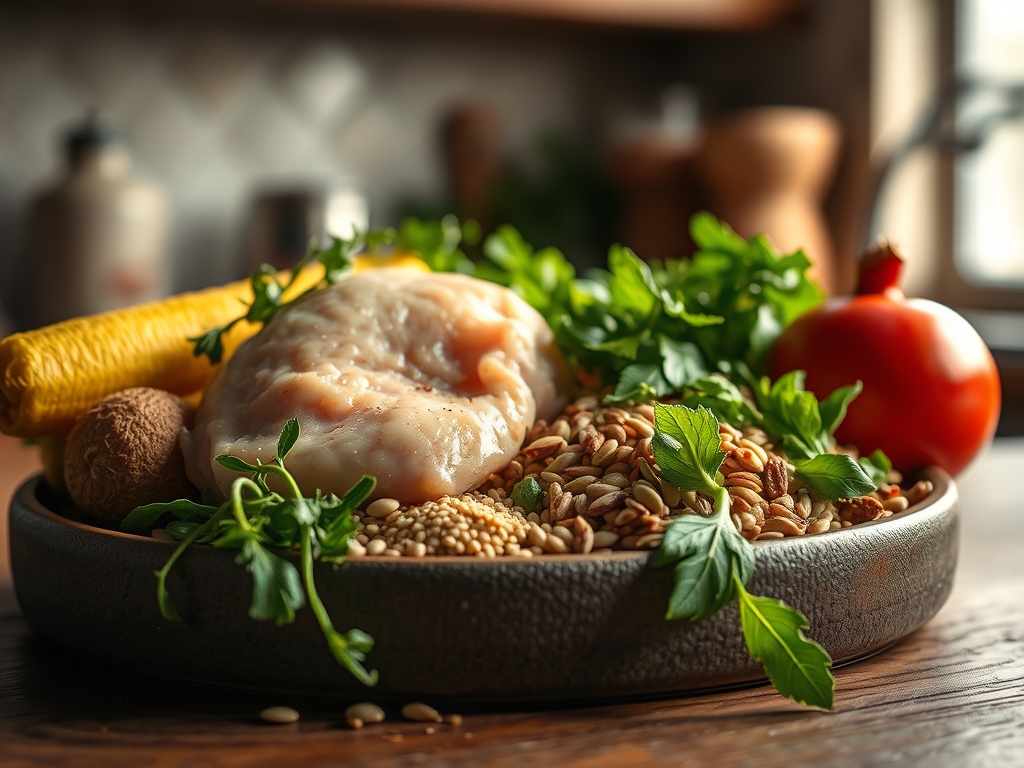
To achieve restaurant-quality results, your mise-en-place must be precise. Start with your protein: 800 grams of chicken breast, cleaned of silverskin and sliced against the grain to shorten the muscle fibers. For the aromatics, you will need a mountain of garlic and ginger, ideally processed into a smooth paste using a microplane to maximize surface area for flavor extraction. Your dry spice kit, or masala dabba, should include turmeric for its earthy base, Kashmiri chili powder for that vibrant crimson hue without overwhelming heat, and garam masala for a complex, aromatic finish.
The fats are equally critical. Use high-smoke point neutral oils or clarified butter (ghee) to prevent bitter, burnt notes during the searing phase. For the viscous elements of your sauces, gather full-fat Greek yogurt, which acts as a tenderizing marinade thanks to its lactic acid content, and canned tomato puree for a consistent acidic baseline.
Smart Substitutions:
If you are looking to lighten the profile, swap heavy cream for cashew paste; simply soak raw cashews in hot water and blend until silk-smooth. This provides the same luxurious mouthfeel through plant-based emulsification. If you lack fresh curry leaves, a zest of lime and a pinch of bay leaf can mimic that citrusy, herbal undertone, though nothing truly replaces the volatile oils of the fresh leaf.
The Clock
Efficiency in the kitchen is about the "Chef's Flow," which means overlapping tasks to minimize downtime. Expect a 20-minute prep window for chopping and marinating, followed by a 25-minute active cook time. The secret to these breast chicken recipes indian is the resting period. You must account for 5 to 10 minutes of "carryover cooking" where the internal temperature stabilizes. If you rush the bird from the pan to the plate, the juices will flee the fibers, leaving you with a dry result. Total time from pantry to table is approximately 55 minutes.
The Masterclass
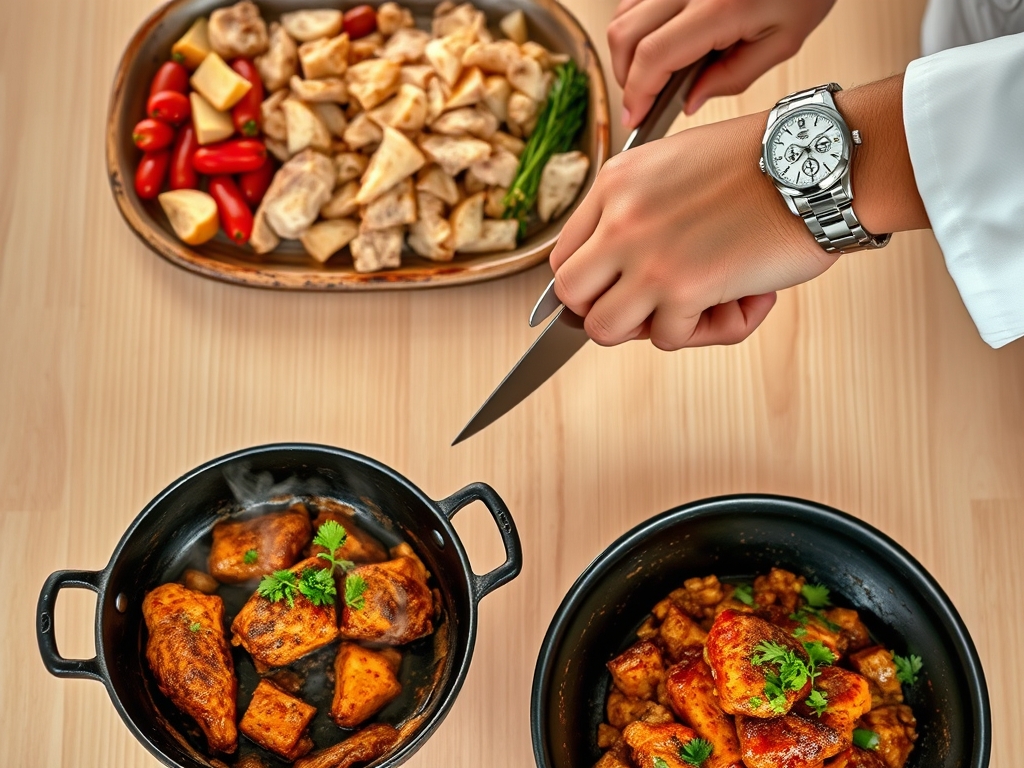
1. The Acidic Marination
Coat your chicken strips in a mixture of yogurt, lemon juice, and salt. Allow this to sit for at least 15 minutes.
Pro Tip: This is chemical tenderization. The lactic acid in the yogurt breaks down the tough protein collagen, while the salt denatures the proteins, allowing them to retain more moisture during the high-heat cooking phase.
2. Tempering the Spices
Heat your skillet and add whole spices like cinnamon sticks and cardamom pods to the hot oil.
Pro Tip: This process, known as "blooming," releases fat-soluble flavor compounds that stay dormant in dry spices. You are essentially infusing the cooking medium with the spice's DNA before the main ingredients even touch the pan.
3. The Aromatics Base
Add your finely diced onions and sauté until they reach a deep caramel brown. Use a wooden spoon to scrape the bottom.
Pro Tip: This is the Maillard reaction in action. You are creating complex sugars and savory depth. If the onions start to stick, add a tablespoon of water to deglaze the pan and incorporate those flavorful browned bits back into the base.
4. Searing the Protein
Increase the heat and add the chicken in a single layer. Do not crowd the pan.
Pro Tip: Crowding the pan causes the temperature to drop, leading to steaming rather than searing. You want a rapid sear to create a crust that provides textural contrast to the tender interior.
5. Building the Gravy
Incorporate your tomato puree and ground spices, stirring constantly to prevent scorching.
Pro Tip: Watch for the oil to separate from the masala. This "oil splitting" is a visual cue that the water has evaporated and the spices are fully cooked and integrated into the fat, ensuring a rich, non-gritty texture.
6. The Emulsification Finish
Lower the heat and stir in your cream or cashew paste, whisking gently.
Pro Tip: Rapid boiling after adding dairy can cause curdling. By keeping the temperature low, you maintain a stable emulsion where the fats and liquids stay bonded for a glossy, professional finish.
7. The Rest and Garnish
Remove from heat and let the dish sit for five minutes before folding in fresh cilantro.
Pro Tip: Thermal carryover will finish the cooking process. Resting allows the muscle fibers to relax and reabsorb the sauce, ensuring every bite is saturated with flavor.
The Deep Dive
Macro Nutrition:
A standard serving of these breast chicken recipes indian provides roughly 35 grams of protein with moderate fats, depending on your use of cream. It is a high-thermogenic meal, meaning your body burns significant energy just processing the lean protein and spices like ginger and chili.
Dietary Swaps:
For a Keto version, eliminate the onions and use heavy cream and extra ghee. Vegan enthusiasts can swap the chicken for extra-firm tofu or seitan, using coconut milk as the base. All recipes are naturally Gluten-Free provided you check your spice blends for anti-caking agents that may contain wheat.
The Fix-It:
- The Sauce is Too Thin: Simmer uncovered to reduce the liquid, or whisk in a teaspoon of chickpea flour (besan) toasted in a little oil to act as a thickener.
- The Chicken is Tough: You likely overcooked it. Next time, use a digital scale to ensure even piece sizes and pull the chicken when it hits 160 degrees Fahrenheit; it will reach the safe 165 mark while resting.
- The Spices Taste Raw: This happens if you do not cook the ginger-garlic paste long enough. Fix it by adding a splash of hot water and simmering for another five minutes to mellow the sharp "bite."
Meal Prep Science:
When reheating, avoid the microwave if possible. Use a saucier on low heat with a splash of water or chicken stock. This restores the moisture lost during refrigeration and prevents the fats from breaking, maintaining that "day-one" silkiness.
The Wrap-Up
Mastering breast chicken recipes indian is about more than just following a list of ingredients; it is about understanding how heat, fat, and acid interact with lean protein. By focusing on the science of marination and the art of spice blooming, you transform a humble grocery staple into a vibrant, restaurant-quality feast. Grab your tongs and your favorite heavy skillet; it is time to turn your kitchen into the best Indian bistro in town. You have the tools, the techniques, and the flavor profiles to make white meat the star of the show every single night.
The Kitchen Table
How do I keep chicken breast from getting dry in curry?
The secret is a yogurt-based marinade and avoiding overcooking. The lactic acid tenderizes the meat, while pulling the chicken off the heat at 160 degrees Fahrenheit allows carryover cooking to finish the job perfectly without losing moisture.
Can I use frozen chicken for these recipes?
Yes, but ensure it is completely thawed and patted dry with paper towels. Excess moisture on the surface of frozen chicken prevents the Maillard reaction, leading to grey, steamed meat instead of a flavorful, golden-brown sear.
What is the best way to thicken an Indian gravy?
Avoid cornstarch; instead, use blended cashews, a splash of heavy cream, or finely grated onions that have been caramelized down. These methods add thickness while contributing to the complex flavor profile and luxurious mouthfeel of the dish.
Why does my ginger-garlic paste taste bitter?
Bitterness usually occurs if the paste is burned or if the green germ inside the garlic was not removed. Sauté the paste on medium heat until the raw smell disappears, but stop before it turns dark brown to maintain sweetness.