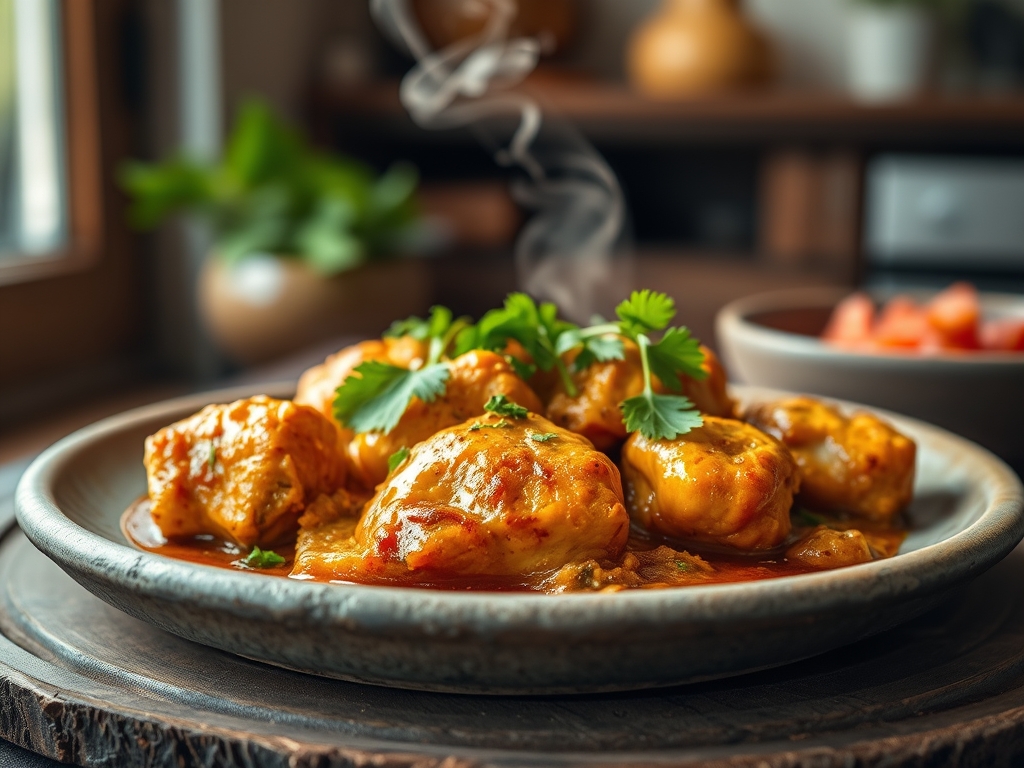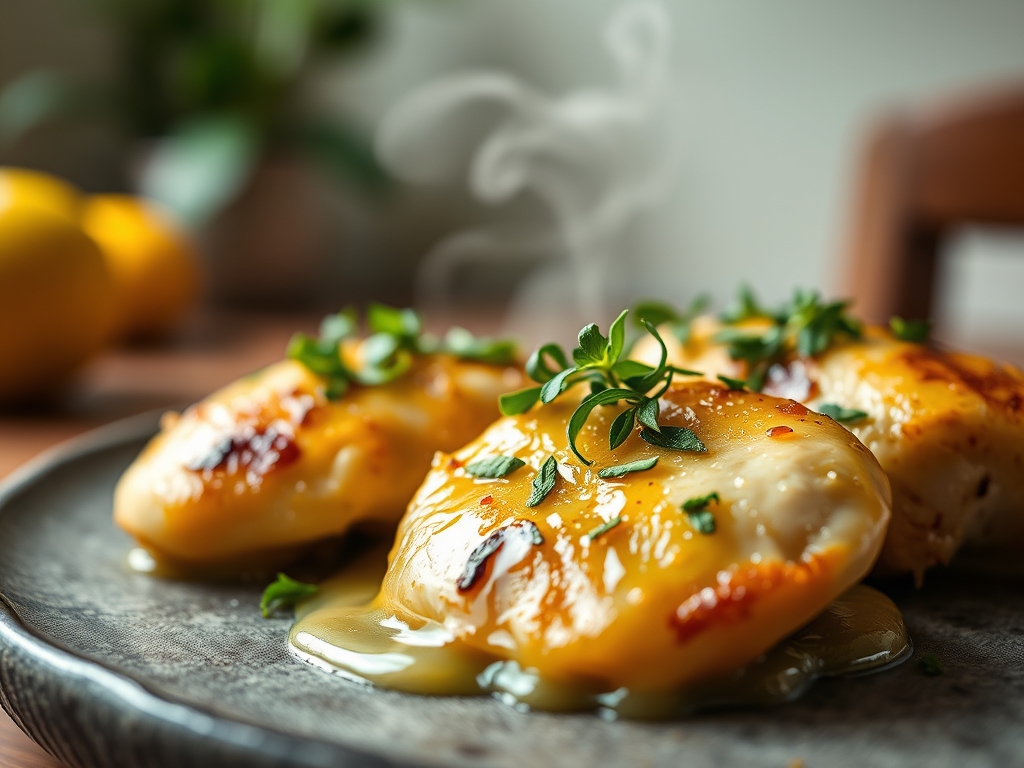
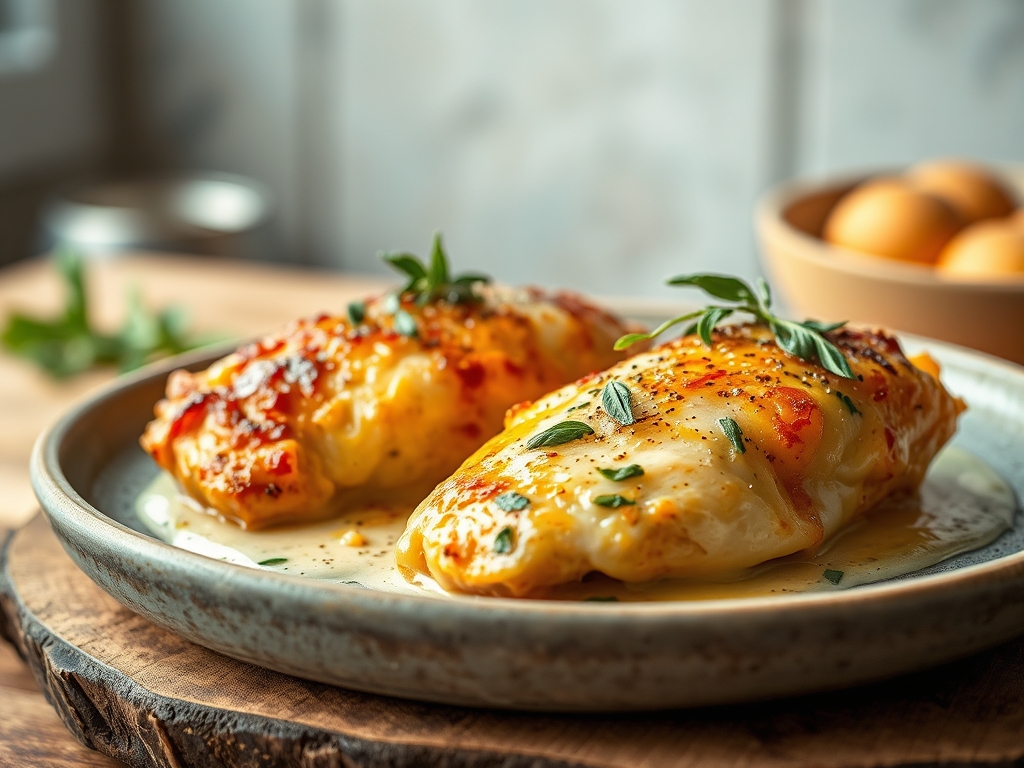
There is a specific, Pavlovian response that occurs when the scent of bubbling Parmesan and heavy cream hits a hot oven. It is the gold standard of comfort. When you master baked creamy chicken recipes, you are not just cooking; you are engineering a masterpiece of fat, salt, and acid. It is the ultimate kitchen win for any night of the week.
Imagine the sound of a knife piercing a golden, crusted exterior to reveal meat so tender it practically dissolves. This is the magic of the emulsion. By bathing lean protein in a high-fat environment, you create a thermal buffer that prevents the muscle fibers from tightening into woodiness. Whether you are craving a sharp garlic kick or a mellow mushroom finish, these nine variations provide a blueprint for culinary success. We are moving beyond the basic "cream of anything" cans. We are talking about building sophisticated, velvet-textured sauces from scratch that cling to every curve of the poultry. Grab your favorite apron and clear the counter. We are about to turn your kitchen into a high-end bistro with minimal effort and maximum flavor density.
The Gathers:
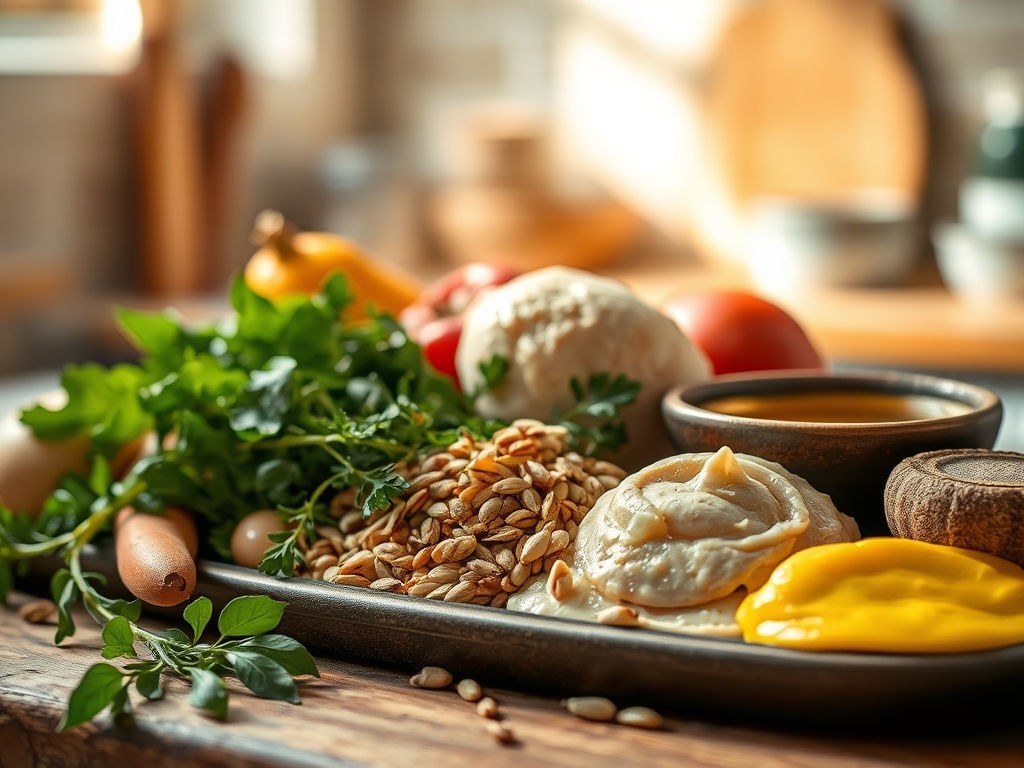
To achieve the perfect viscous consistency, your mise-en-place must be precise. Start with high-quality poultry; organic thighs offer more intermuscular fat, while breasts require a more delicate touch. You will need a heavy-bottomed skillet for the initial sear and a microplane for zesting aromatics. Your dairy component is the backbone. Heavy cream is the standard because its high fat content prevents curdling at high temperatures.
Smart Substitutions: If you are looking to lighten the profile without losing the mouthfeel, Greek yogurt is a brilliant substitute, though it must be folded in at the end to prevent splitting. For a dairy-free alternative, full-fat coconut milk provides the necessary lipids, but you must add a splash of apple cider vinegar to cut through the tropical sweetness. Always use a digital scale for your dry spices to ensure consistency; a pinch too much dried thyme can quickly veer into medicinal territory. Ensure your aromatics like shallots and garlic are finely minced using a sharp chef's knife to allow them to melt into the sauce base.
The Clock
Efficiency in the kitchen is about the Chef's Flow. This is the art of overlapping tasks so that no second is wasted. Your total active prep time should be roughly 15 minutes, with a bake time of 25 to 35 minutes depending on the cut of meat.
Start by preheating your oven to 400 degrees Fahrenheit. While the oven reaches temperature, use those 10 minutes to sear your chicken. This is not about cooking it through; it is about the Maillard reaction. Once the chicken is in the oven, you have a 20-minute window. Use this time to clean your saucier and prep a side dish like blanched asparagus or a crisp arugula salad. By the time the timer dings, your kitchen is clean, your sides are ready, and the chicken has reached its peak internal temperature.
The Masterclass
1. The Sear and Render
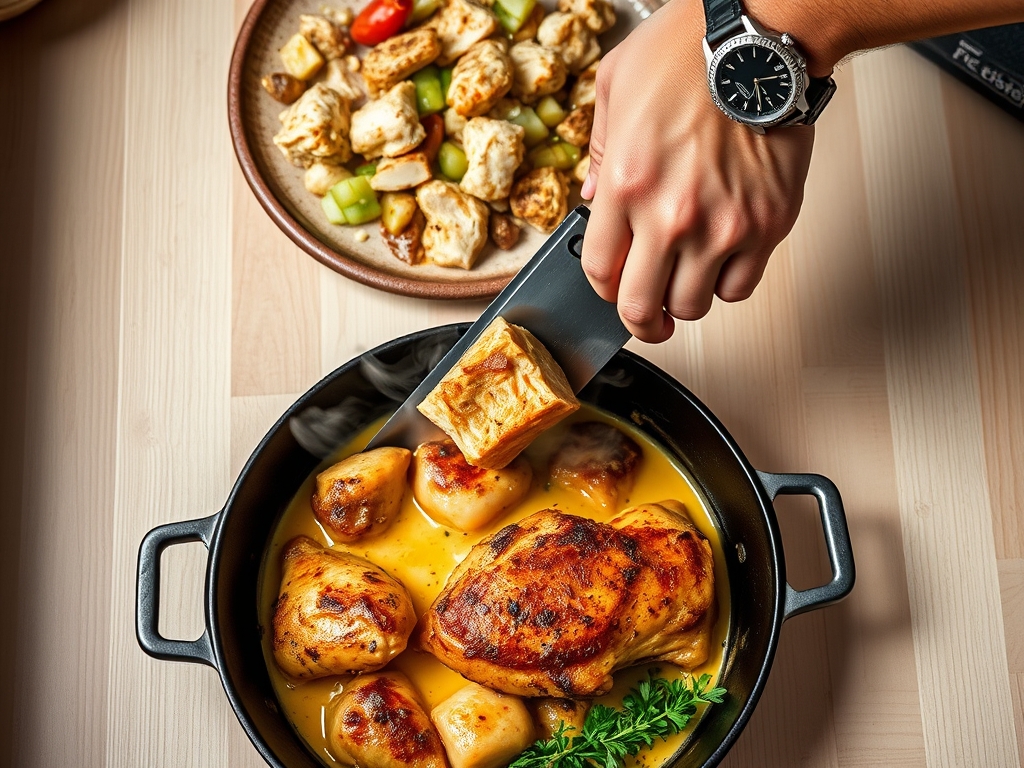
Place your chicken in a hot pan with a high-smoke-point oil. Do not crowd the pan; this leads to steaming rather than browning. Use tongs to flip the meat only once a deep golden crust has formed.
Pro Tip: This stage initiates enzymatic browning. The amino acids and reducing sugars react under heat to create hundreds of different flavor compounds that a raw bake simply cannot replicate.
2. Deglaze the Foundation
Remove the chicken and pour off excess fat, leaving about a tablespoon. Pour in a splash of dry white wine or chicken stock. Use a wooden spoon to scrape the brown bits (the fond) from the bottom of the pan.
Pro Tip: Deglazing captures the caramelized proteins stuck to the pan, integrating them into your sauce for a deeper, more complex umami profile.
3. Build the Emulsion
Lower the heat and whisk in your cream, aromatics, and cheese. Continue to stir until the sauce is glossy and coats the back of a spoon. This is the point where you infuse the liquid with herbs like rosemary or tarragon.
Pro Tip: Constant agitation prevents the milk solids from scorching. You are creating a stable colloidal suspension where fat droplets are evenly dispersed throughout the water-based liquid.
4. The Final Bake
Return the chicken to the pan or transfer to a baking dish, pouring the sauce over the top. Slide it into the oven. The ambient heat will finish the interior of the meat while the sauce reduces and thickens.
Pro Tip: Use an instant-read thermometer to pull the chicken at 160 degrees Fahrenheit. Thermal carryover will bring it to the food-safe 165 degrees while it rests, ensuring the juiciest results.
The Deep Dive
From a nutritional standpoint, baked creamy chicken recipes are a powerhouse of protein and healthy fats. A standard serving contains approximately 35g of protein and 25g of fat. For those following a Keto lifestyle, this is a dream meal. If you are Gluten-Free, simply ensure your thickening agent is cornstarch or a reduction rather than a flour-based roux.
The Fix-It:
- The Sauce Split: If your sauce looks oily, whisk in a teaspoon of warm water or an extra splash of cream to re-emulsify the fats.
- Rubbery Chicken: This usually means the heat was too high for too long. Next time, use a digital scale to ensure even thickness of the meat.
- Bland Flavor: You likely forgot to deglaze. Add a squeeze of lemon juice at the end to brighten the heavy fats.
Meal Prep: To maintain "day-one" quality, reheat your leftovers in a small saucepan over low heat. Add a tablespoon of milk to loosen the sauce. Avoid the microwave if possible, as it can cause the fats to separate and the chicken to become "rubbery" due to uneven molecular vibration.
The Wrap-Up
Mastering the art of the creamy bake is like having a superpower in your culinary utility belt. It is sophisticated enough for a dinner party yet cozy enough for a rainy Tuesday. By understanding the science of the sear and the stability of the emulsion, you have elevated a simple protein into something truly extraordinary. Now, go forth and whisk with confidence; your kitchen is waiting for its next masterpiece.
The Kitchen Table
How do I prevent my cream sauce from curdling in the oven?
Use full-fat heavy cream and avoid boiling the sauce before it enters the oven. High fat content acts as a stabilizer. If using low-fat dairy, whisk in a bit of cornstarch to provide a heat-resistant structural bond.
Can I use frozen chicken for these recipes?
Always thaw chicken completely before cooking. Frozen meat releases excess moisture as it thaws in the oven, which will dilute your sauce and prevent the Maillard reaction from occurring, resulting in a soggy, grey texture.
What is the best way to thicken a sauce that is too runny?
Remove the chicken and simmer the sauce on the stovetop to evaporate excess water. Alternatively, whisk a small amount of room-temperature butter and flour (a beurre manie) into the bubbling liquid for an instant, glossy thickening effect.
How long can I store leftover creamy chicken?
Store leftovers in an airtight container for up to three days. Because of the dairy content, the sauce may thicken significantly in the fridge. Reheat gently with a splash of broth or cream to restore the original viscous texture.