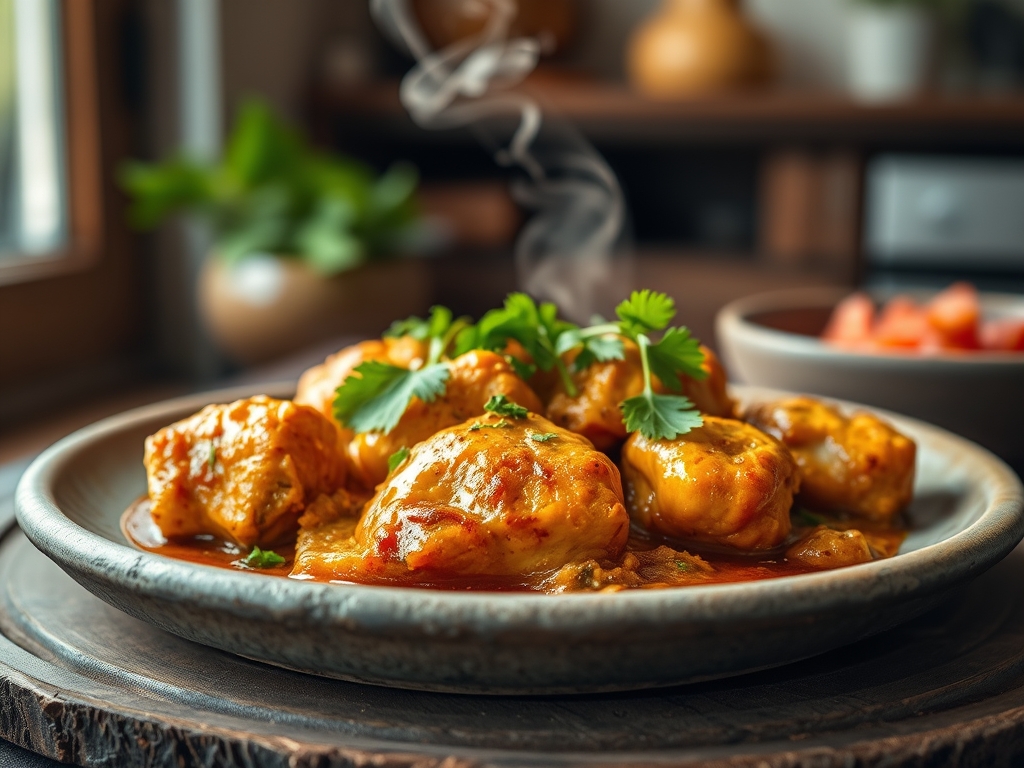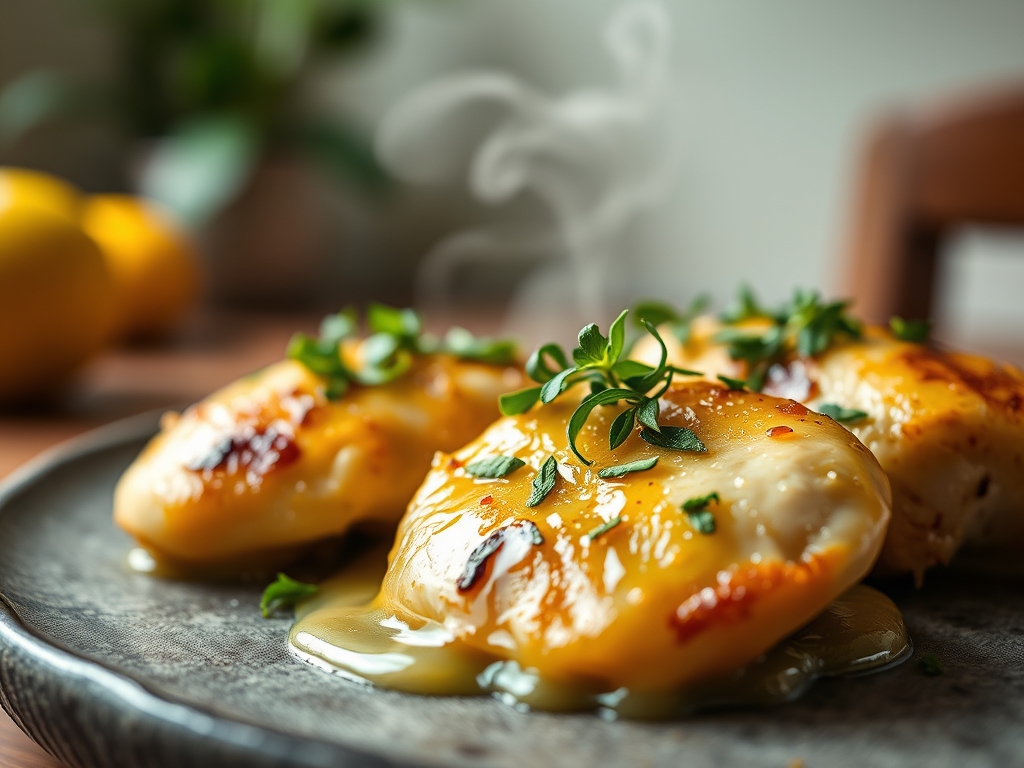
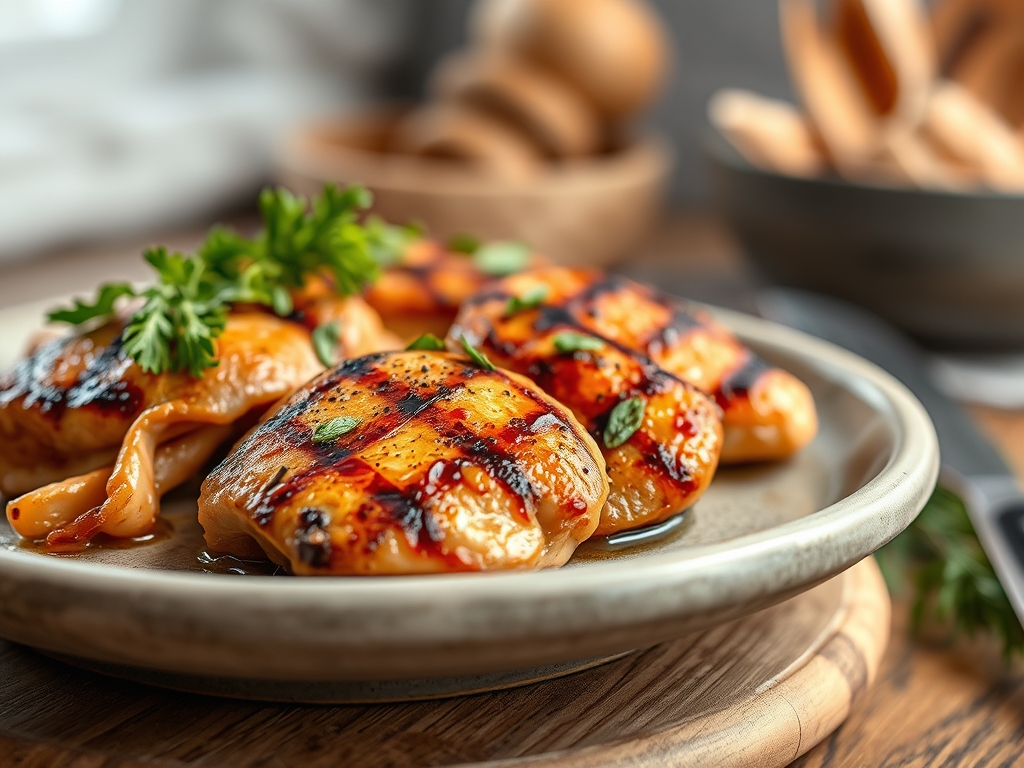
Picture the scene: the sun is dipping below the horizon, the air is thick with the scent of charred rosemary, and your grill is sizzling with the promise of a perfect feast. Mastering mediterranean grilled chicken recipes is not just about following a list of steps; it is about harnessing the power of fire and acid to transform humble poultry into a culinary masterpiece. We are chasing that specific sensory profile: the crunch of salt flakes, the bright zing of lemon zest, and the smoky depth that only high-heat caramelization can provide. Whether you are hosting a sprawling backyard garden party or just trying to survive a Tuesday night with some dignity intact, these techniques will elevate your kitchen game from amateur to artisanal. We are going beyond the basic marinade. We are talking about the molecular magic that happens when high-quality olive oil meets heat and protein. Grab your favorite apron and a glass of chilled white wine; it is time to turn your patio into a sun-drenched taverna.
The Gathers:
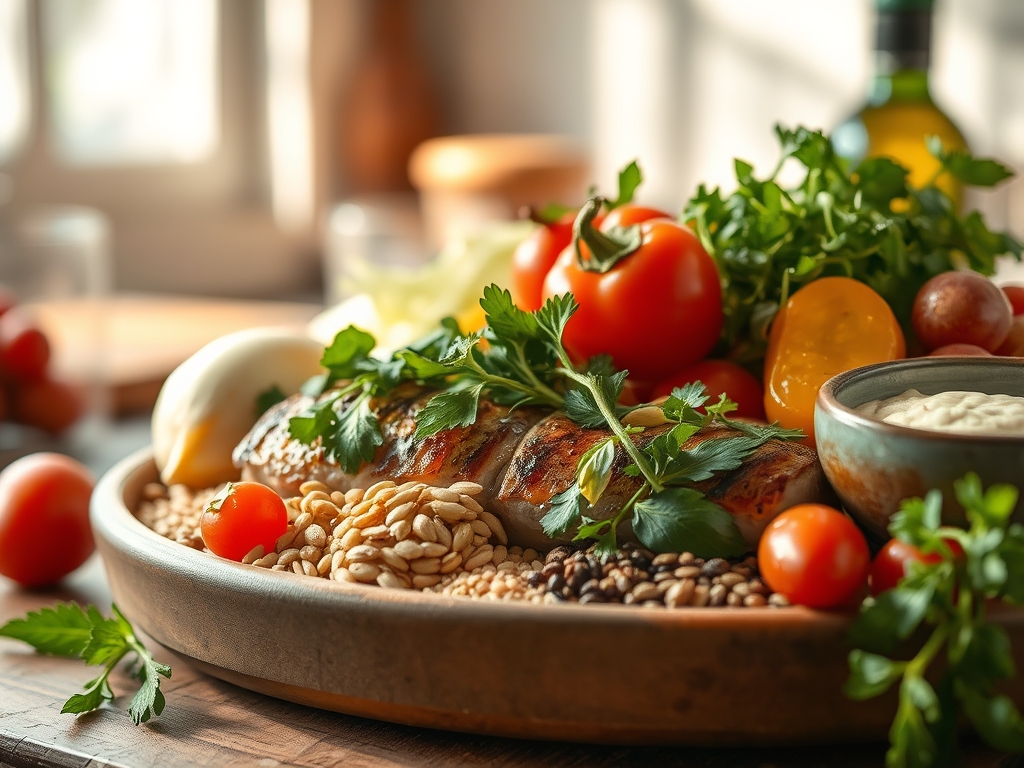
To achieve professional results, your mise-en-place must be precise. Start with high-quality chicken thighs or breasts; I prefer thighs for their higher fat content, which ensures they remain succulent even under intense heat. You will need a viscous extra virgin olive oil to act as your primary fat carrier. For the aromatics, gather fresh oregano, flat-leaf parsley, and several cloves of garlic. Do not just chop that garlic; use a microplane to grate it into a fine paste. This increases the surface area, allowing the allicin to infuse the oil more effectively.
Your pantry should also yield some piquant elements: red wine vinegar, preserved lemons, and perhaps some Aleppo pepper for a subtle, fruity heat. Use a digital scale to measure your salt; aim for roughly 1.5 percent salt by weight relative to your meat. This ensures deep seasoning through osmosis rather than just surface-level saltiness.
Smart Substitutions:
If you are out of fresh lemons, a splash of high-quality white balsamic vinegar offers a similar acidic brightness. No fresh oregano? Use half the amount of dried, but rub it between your palms first to aerate the oils and wake up the flavor profile. If you want to skip the poultry, firm blocks of halloumi or thick-cut cauliflower steaks respond beautifully to these exact same flavor profiles.
The Clock
Efficiency in the kitchen is all about the Chef's Flow. This is the art of overlapping tasks so that nothing sits idle and nothing burns.
- Prep Time: 20 minutes (chopping, whisking, and trimming).
- Marinating: 30 minutes to 4 hours. Do not exceed 24 hours, or the acid will begin to "cook" the protein fibers, resulting in a mealy texture.
- Grill Time: 12 to 15 minutes, depending on the thickness of the cut.
- Resting: 5 to 8 minutes. This is non-negotiable for moisture retention.
The flow is simple: prepare your marinade first, get the chicken submerged, and then use the marinating window to prep your side dishes or clean your heavy-bottomed skillet if you are doing a stovetop version. Always preheat your grill 15 minutes before you intend to cook to ensure the grates are sterilized and searing-hot.
The Masterclass
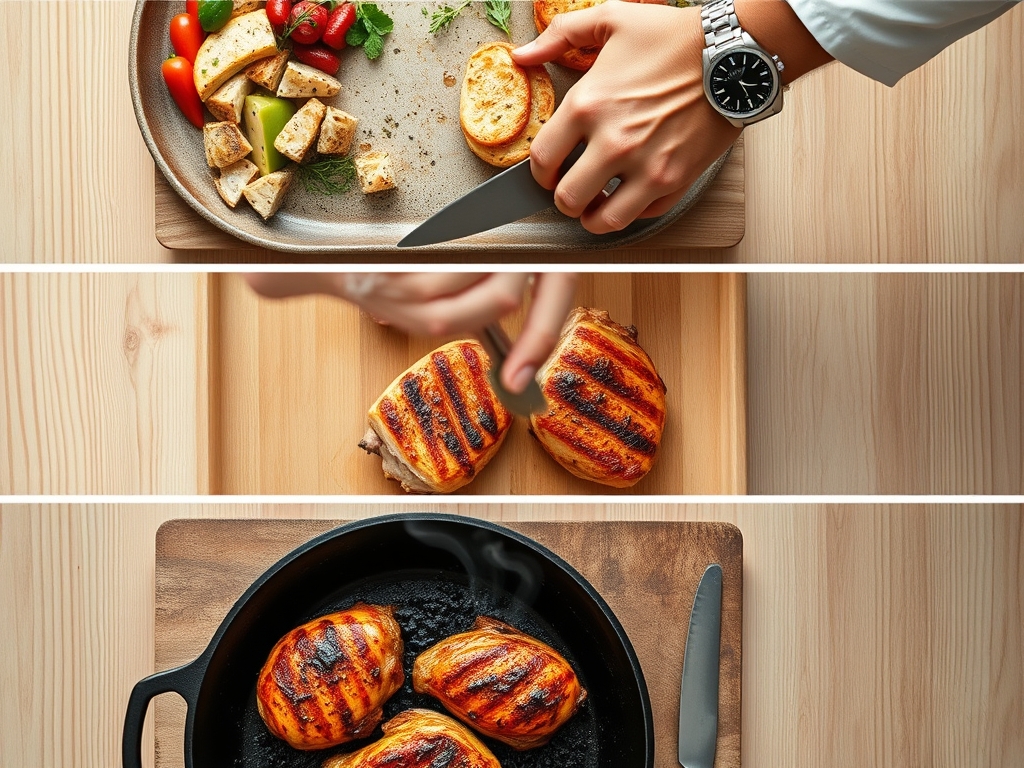
1. The Emulsified Marinade
Combine your oil, acid, and aromatics in a small saucier or bowl. Whisk vigorously until the mixture is emulsified.
Pro Tip: This emulsion ensures that the fat and water-based flavors cling to the meat evenly. The science here involves surfactants in the garlic and mustard that bridge the gap between oil and vinegar, preventing the marinade from sliding off the chicken.
2. The Surface Prep
Pat your chicken bone-dry with paper towels before adding the marinade.
Pro Tip: Moisture is the enemy of the Maillard reaction. If the surface is wet, the energy from the grill will be wasted evaporating water rather than browning the proteins. Drying the skin allows for immediate caramelization and a crispier exterior.
3. The High-Heat Sear
Place the chicken on the hottest part of the grill using long-handled tongs. Leave it alone for at least four minutes.
Pro Tip: This is the "release" phase. When the proteins have sufficiently browned and formed a crust, the meat will naturally release from the grates. If it sticks, it is not ready to flip. This prevents tearing the delicate muscle fibers.
4. The Indirect Finish
Move the chicken to a cooler zone of the grill and close the lid to finish cooking.
Pro Tip: This utilizes convection heat to cook the interior without burning the exterior. Use a digital thermometer to pull the chicken at 160 degrees Fahrenheit. Thermal carryover will bring it up to the safe 165 degrees while it rests.
5. The Rest and Slice
Transfer the meat to a cutting board and let it sit undisturbed. Use a bench scraper to move any juices back onto the serving platter.
Pro Tip: Resting allows the muscle fibers to relax and reabsorb the internal juices. If you slice too soon, the liquid will flood the board, leaving you with dry, stringy meat.
The Deep Dive
Macro Nutrition:
A standard 6-ounce serving of this Mediterranean chicken provides roughly 42g of protein, 12g of healthy fats (mostly monounsaturated from olive oil), and zero carbohydrates. It is a nutritional powerhouse for muscle repair and sustained energy.
Dietary Swaps:
- Vegan: Use the marinade on thick slices of eggplant or "steaks" of extra-firm tofu.
- Keto: This recipe is naturally keto-friendly; just ensure your vinegar has no added sugars.
- GF: Naturally gluten-free, but always check your spice blends for hidden anti-caking agents that may contain wheat.
The Fix-It:
- Flare-ups: If the fat drips and causes flames, move the chicken immediately to the indirect zone. Do not spray with water; it creates a "sooty" steam that ruins the flavor.
- Rubbery Skin: This happens if the grill is not hot enough. Ensure your grates are screaming hot before the meat touches them.
- Bland Interior: If the flavor is only on the outside, try "dry brining" with salt for an hour before adding the liquid marinade.
Meal Prep Science:
To reheat without that "leftover chicken" smell, avoid the microwave. The microwave causes rapid vibration of water molecules which can denature proteins too quickly. Instead, slice the chicken and flash-sear it in a pan with a tablespoon of water or broth to create steam and restore moisture.
The Wrap-Up
There is a reason mediterranean grilled chicken recipes have stood the test of time; they represent the perfect balance of heat, fat, and acidity. By understanding the chemistry of the marinade and the physics of the grill, you move from being a recipe-follower to a true culinary artist. Remember to trust your tools, watch your temperatures, and never skip the rest. Now, get out there and fire up that grill; your perfectly charred, herb-infused masterpiece is waiting.
The Kitchen Table
How long should I marinate Mediterranean chicken?
Aim for 30 minutes to 4 hours. Any longer and the acid in the lemon or vinegar will break down the protein fibers too much, resulting in a mushy, unappealing texture rather than a tender one.
Can I use chicken breasts instead of thighs?
Yes, but be vigilant. Breasts are leaner and prone to drying out. Use a meat thermometer to pull them at exactly 160 degrees Fahrenheit to account for carryover cooking during the resting phase.
What is the best oil for grilling?
Use a high-quality extra virgin olive oil for flavor, but ensure your grill grates are clean. While olive oil has a lower smoke point, the short contact time with high heat creates a superior crust.
How do I prevent chicken from sticking to the grill?
Ensure your grates are preheated and clean. Pat the chicken dry before marinating and do not attempt to flip the meat until it naturally releases from the metal through the Maillard reaction.
What are the best side dishes for this chicken?
Pair it with a bright Greek salad, toasted pita, or a lemon-herb orzo. The acidity in the chicken complements starchy sides and fresh, crunchy vegetables perfectly for a balanced Mediterranean plate.