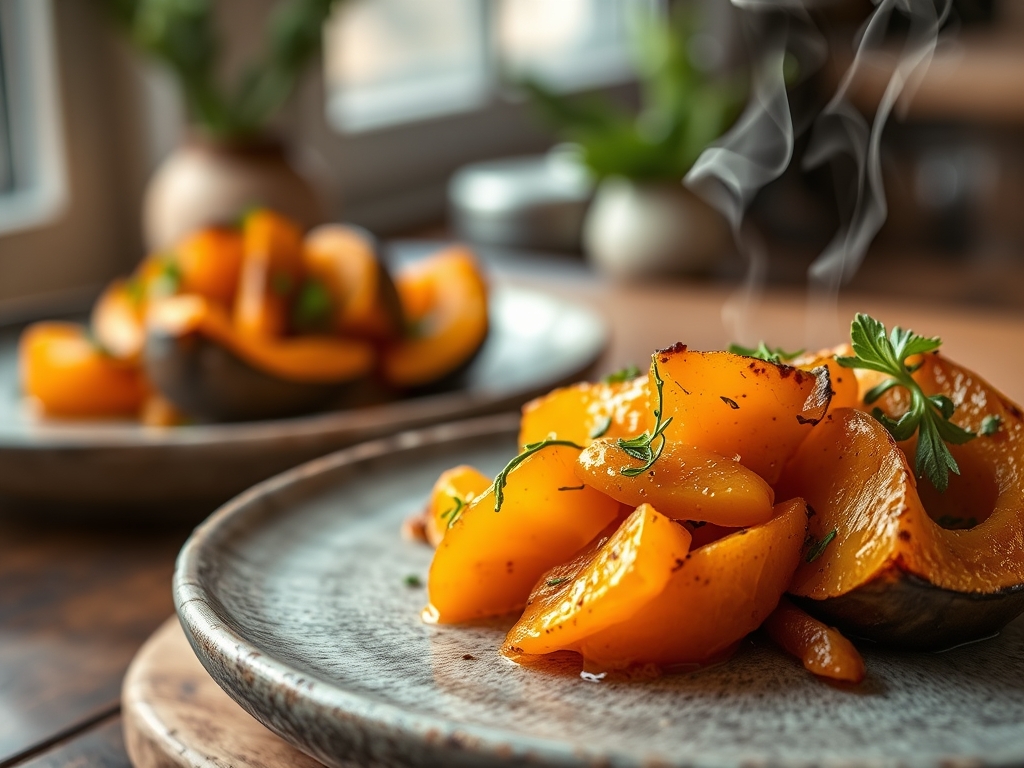
Picture the kitchen at sunset; the air is heavy with the scent of caramelizing sugars and woodsy herbs. There is a specific, intoxicating alchemy that happens when you combine the nutty, fibrous depth of winter squash with the creamy, saccharine velvet of a yam. Mastering acorn squash and sweet potato recipes is less about following a list and more about managing the moisture content of these spectacular tubers. We are looking for that elusive balance between a crisp, Maillard-charred exterior and a center so soft it practically collapses upon contact with your fork. It is rustic elegance at its finest.
You have likely seen these two paired in lackluster mashes, but we are elevating the duo. By understanding the cellular structure of these vegetables, we can manipulate their starch granules to create textures ranging from airy mousses to charred, savory medallions. Whether you are hosting a formal dinner or just craving a bowl of autumnal comfort, these techniques ensure every bite is a masterclass in flavor layering. Let us get your workstation ready for some serious culinary magic.
The Gathers:
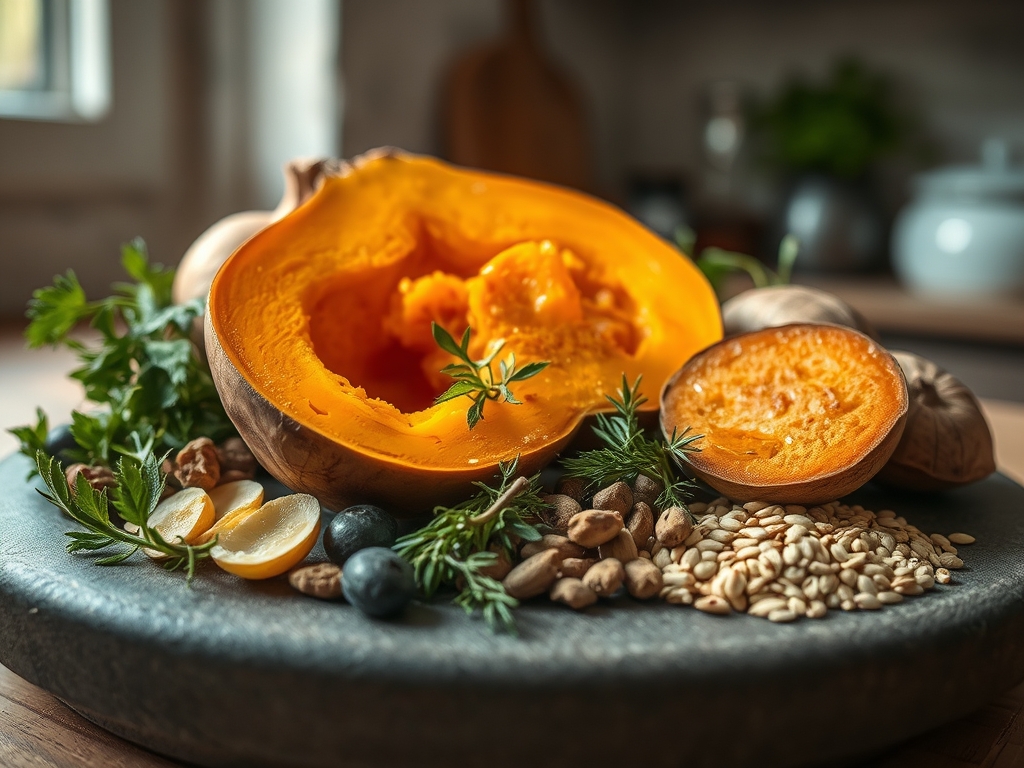
To begin, clear your workspace and grab your digital scale. Precision in weight ensures that your ratios of squash to potato remain consistent; too much squash and the dish becomes watery; too much potato and it feels heavy. You will need two medium acorn squashes, recognizable by their deep green, ridged skin and bright orange flesh. Pair these with three large jewel or garnet sweet potatoes. Look for skins that are taut and free of soft spots, which indicate internal fermentation.
Your aromatics are equally vital. Gather fresh sage, rosemary, and thyme. These woody herbs contain essential oils that infuse better when exposed to fat during the roasting process. You will also need high-quality unsalted butter (look for 82 percent butterfat) and a bottle of pure maple syrup to act as a catalyst for browning. For your "Smart Substitutions," if you find yourself without acorn squash, a Kabocha squash offers a similar starch profile. If you are dodging dairy, a high-fat coconut milk or a neutral avocado oil can replace butter without sacrificing the viscous mouthfeel we crave. Finally, keep a microplane nearby for zesting citrus or grating fresh nutmeg; these tiny additions provide the piquant high notes that cut through the density of the starch.
The Clock:
Efficiency in the kitchen is all about the "Chef's Flow." Total active prep time for these acorn squash and sweet potato recipes is roughly 20 minutes, while the oven does the heavy lifting for 45 to 50 minutes. The secret to a seamless flow is staging. While your oven preheats to a roaring 425 degrees Fahrenheit, you should be peeling and dicing.
Never wait for the oven to finish before you start your reductions or herb prep. By the time the vegetables are halfway through their roast, your brown butter should be rendered and your garnishes chopped. This synchronization ensures that the vegetables never sit on the counter losing heat; they go straight from the sheet pan into their final glaze or serving vessel, preserving the integrity of the vegetable's cell walls.
The Masterclass:
1. The Precision Cut
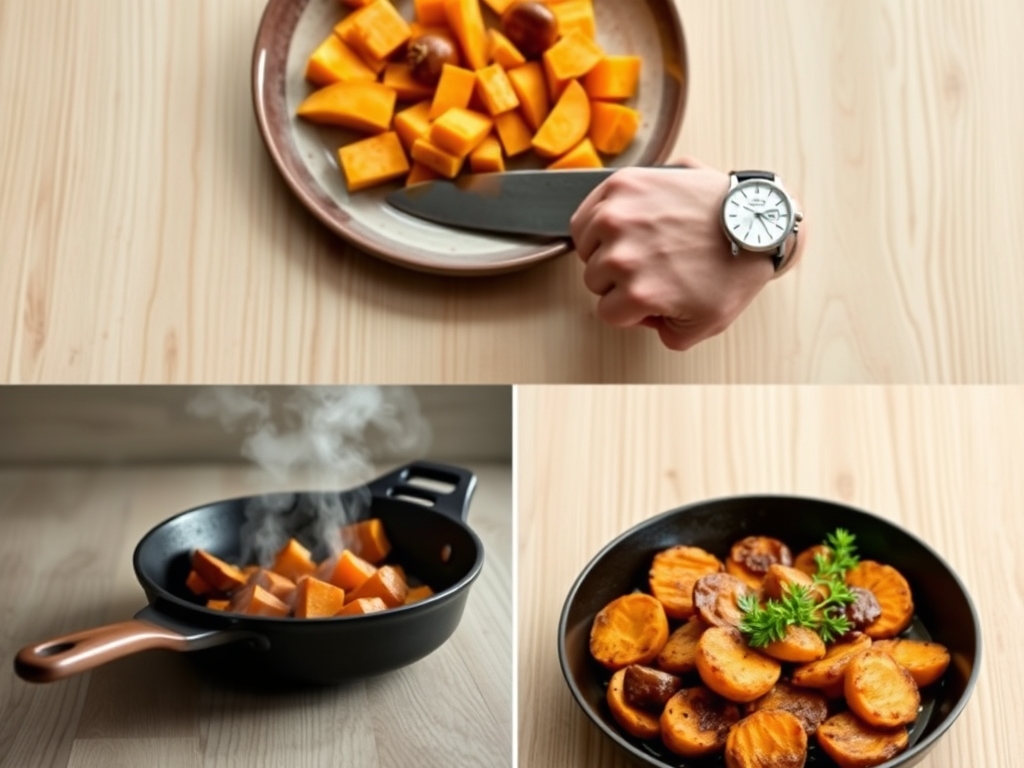
Using a sharpened chef's knife or a heavy-duty cleaver, bisect the acorn squash and remove the seeds with a sturdy spoon. Peel the sweet potatoes and cut both vegetables into uniform 1 inch cubes. Consistency here is not just for aesthetics; it ensures that every piece reaches the same internal temperature simultaneously.
Pro Tip: This is about surface area-to-volume ratio. Smaller, uniform cubes increase the area available for the Maillard reaction, which is the chemical reaction between amino acids and reducing sugars that gives browned food its distinctive flavor.
2. The Fat Coating
Place your cubes in a large mixing bowl. Drizzle with melted butter or oil and toss vigorously. You want every millimeter of the vegetable coated in a thin, shimmering film of fat. This fat acts as a heat conductor, ensuring the dry heat of the oven penetrates the dense centers of the potatoes quickly.
Pro Tip: Fat prevents enzymatic browning by creating a barrier against oxygen. It also ensures that salt and spices adhere to the surface rather than falling to the bottom of the roasting pan.
3. The High-Heat Roast
Spread the vegetables across two parchment-lined baking sheets. Do not crowd them. If the pieces are touching, they will steam rather than roast, resulting in a mushy texture. Slide them into the oven and roast until the bottoms are deeply bronzed.
Pro Tip: Avoid the urge to flip them too early. You need thermal conduction from the hot pan to build a crust. Moving them prematurely tears the delicate, caramelizing sugars away from the vegetable.
4. The Herb Infusion
While the vegetables roast, use a saucier to melt butter over medium heat. Add your sage and rosemary. Watch for the butter to foam and then subside as the water evaporates. Once the milk solids turn a toasted hazelnut color, remove from heat.
Pro Tip: This process is called rendering the butter. By removing the water content, you concentrate the fats and create a toasted flavor profile that perfectly complements the earthiness of the squash.
5. The Final Glaze
In the final five minutes of roasting, drizzle the maple syrup and the herb butter over the vegetables directly on the pan. Use tongs to gently toss them. Return to the oven for a final blast of heat to set the glaze.
Pro Tip: The sugars in the syrup will undergo caramelization at 320 degrees Fahrenheit. This short window of high heat creates a tacky, glass-like coating that seals in moisture.
6. The Rest and Season
Remove from the oven and let the vegetables sit for three minutes before serving. This is the time to hit them with a final sprinkle of flaky sea salt and a grating of fresh zest using your microplane.
Pro Tip: This allows for thermal carryover. The internal residual heat finishes cooking the very center of the cubes without burning the exterior, ensuring a melt-in-your-mouth experience.
The Deep Dive:
Nutritionally, acorn squash and sweet potato recipes are powerhouses. They are exceptionally high in Vitamin A (beta-carotene) and Vitamin C, which are fat-soluble, meaning the butter we used actually helps your body absorb these nutrients. For those on specific diets, these recipes are naturally gluten-free. To make it Keto-friendly, swap the sweet potatoes for extra squash and replace the maple syrup with a monk fruit sweetener. For a vegan version, use a high-quality olive oil or avocado oil.
If you encounter pitfalls, do not panic. If your squash is too "stringy," it likely grew too large; a quick pulse in a food processor with a splash of cream will fix the texture. If the vegetables are burnt on the bottom but raw inside, your oven rack was too low; move it to the center and cover with foil to finish. If the dish is too sweet, deglaze the pan with a teaspoon of apple cider vinegar to provide an acidic balance.
For meal prep, store leftovers in an airtight glass container. To reheat, avoid the microwave, which turns the starch into a gummy mess. Instead, use a heavy-bottomed skillet with a touch of oil to re-crisp the edges, maintaining that "day-one" structural integrity.
The Wrap-Up:
There you have it; a sophisticated, scientifically-backed approach to the ultimate autumn side dish. By focusing on heat management and the chemistry of caramelization, you have turned humble root vegetables into a gourmet experience. These acorn squash and sweet potato recipes are meant to be shared, so pile them high on a warmed platter and watch them disappear. Go ahead and flex those culinary muscles; you have earned the title of master roaster tonight!
The Kitchen Table:
Can I roast the squash with the skin on?
Yes, acorn squash skin is technically edible and becomes quite tender when roasted. However, for a more refined, consistent mouthfeel in a blended or cubed dish, peeling is generally preferred by professional chefs.
Why did my sweet potatoes turn out mushy?
Mushiness usually results from overcrowding the pan. When vegetables are too close, the moisture they release creates steam. Use two pans to ensure proper airflow and a crisp, caramelized exterior.
What is the best way to peel an acorn squash?
The ridges make peeling difficult. It is easiest to slice the squash into rounds or wedges first, then use a sharp paring knife to remove the skin from each individual piece.
Can I prep these vegetables a day in advance?
Absolutely. Cube the squash and potatoes, then store them in an airtight container in the fridge. Do not add salt or oil until you are ready to roast to prevent the vegetables from releasing excess water.