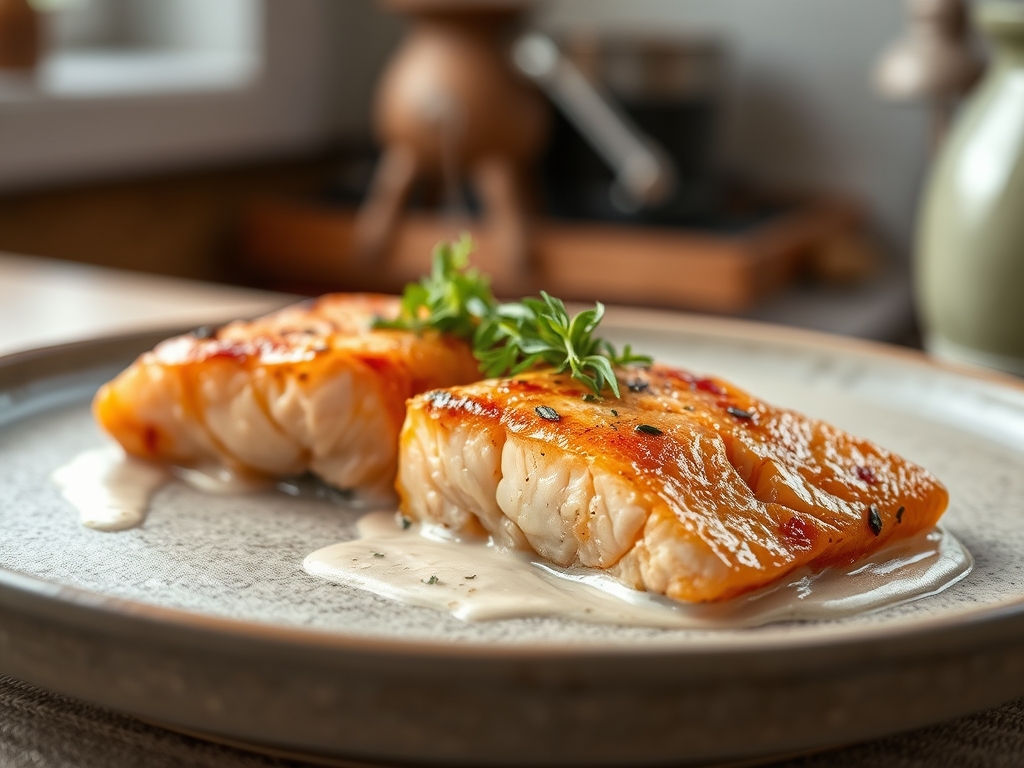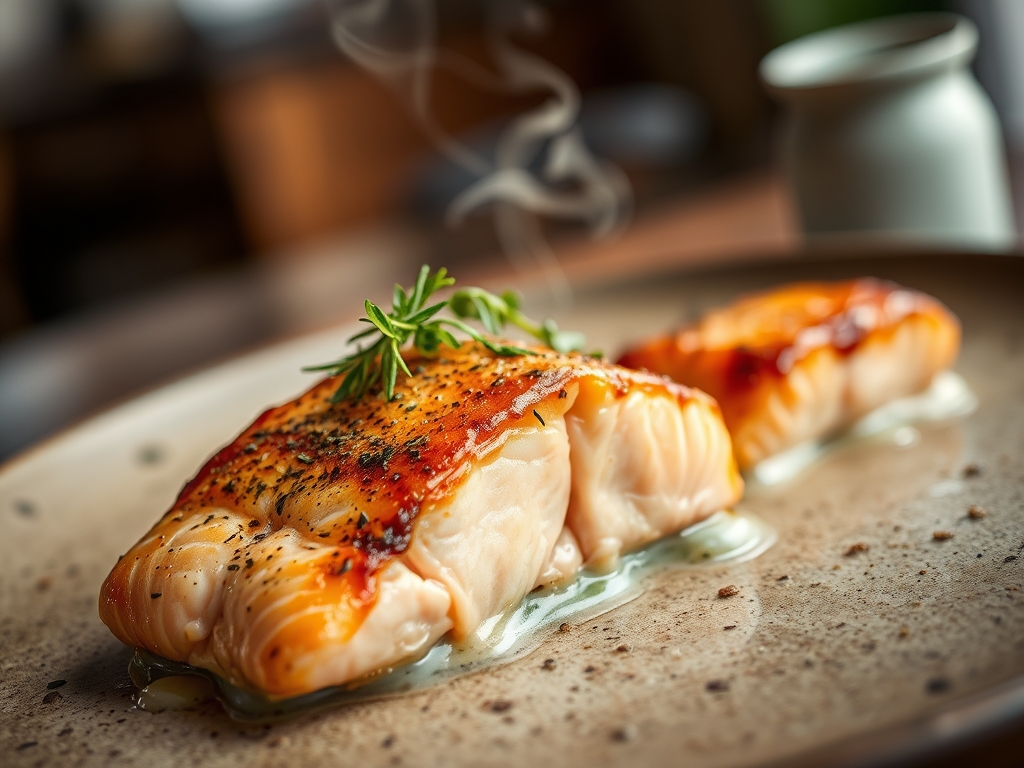
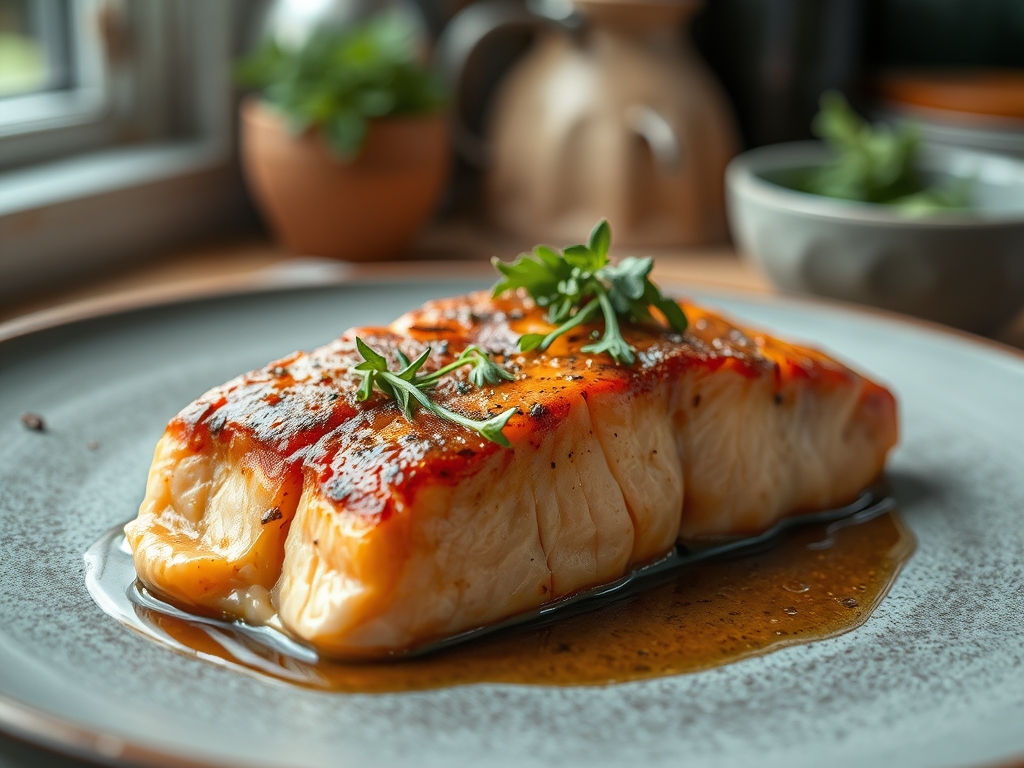
Picture the sizzle as cold protein hits a shimmering, hot skillet. That sound is the overture to a perfect dinner. When you master whole foods salmon recipes, you are not just cooking; you are orchestrating a chemical transformation that turns a simple fillet into a buttery, flaky masterpiece. It is about honoring the ingredient and the science behind the sear.
We have all been there. You buy a gorgeous piece of wild caught fish, only to have it stick to the pan or turn out as dry as a desert. It is heartbreaking. But today, we are changing that narrative. We are diving into the molecular magic of the kitchen to ensure your salmon is consistently restaurant quality. From understanding the Maillard reaction to mastering the art of the emulsion, I am going to walk you through the secrets that professional chefs use to keep their dishes vibrant, healthy, and absolutely delicious.
The Gathers:
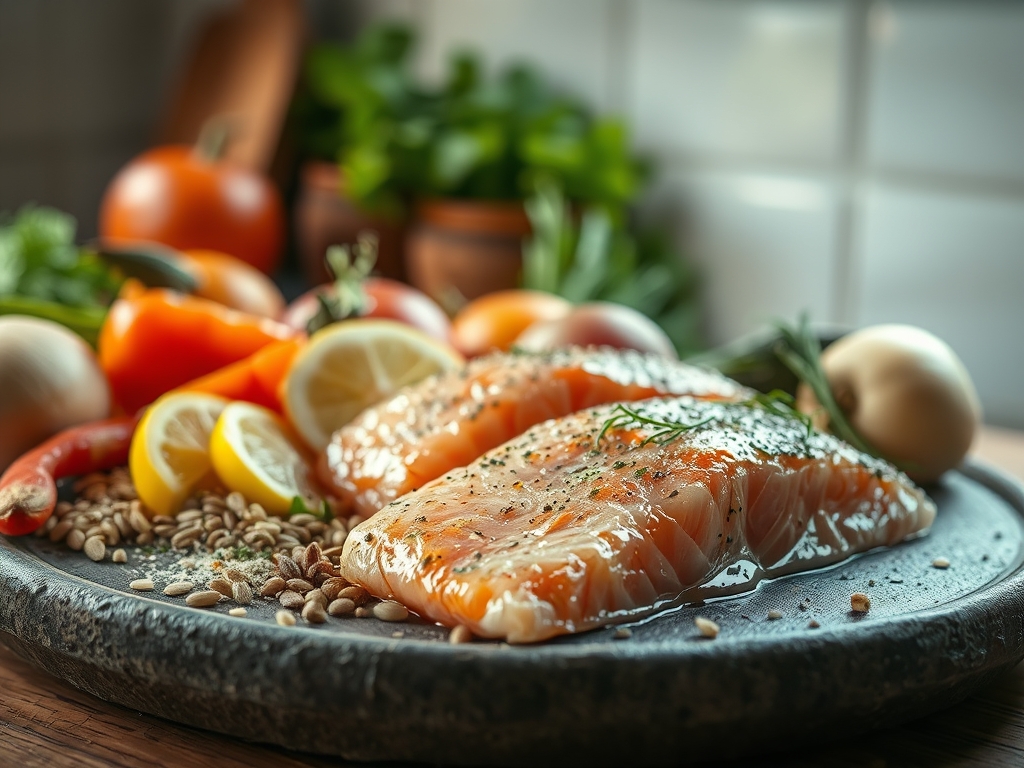
Before we ignite the flame, we must assemble our laboratory. Your mise-en-place is the foundation of culinary success. You will need a high quality heavy-bottomed skillet, preferably cast iron or stainless steel, to ensure even heat distribution. Grab your digital scale to ensure your portions are uniform; this is the only way to guarantee consistent cook times across the board.
Our primary subject is a center-cut Atlantic or Sockeye fillet. You will also need high smoke point fats like avocado oil or ghee to prevent acrid flavors. For the aromatics, gather fresh dill, a head of garlic, and a bright lemon. Use a microplane to harvest the zest without hitting the bitter white pith. If you are looking for smart substitutions, swap honey for maple syrup to lean into those earthy, whole food notes, or use coconut aminos instead of soy sauce for a grain-free umami punch. The goal is a balance of viscous fats and piquant acids that wake up the palate.
The Clock
Efficiency in the kitchen is about the Chef's Flow. This is the rhythmic sequence of tasks that prevents frantic energy. Your total active prep time should be roughly 15 minutes, with a cooking window of 8 to 12 minutes depending on the thickness of your protein.
The flow begins with the "Chill Break." Take your salmon out of the refrigerator 20 minutes before cooking. This allows the internal temperature to rise slightly, preventing a "thermal shock" where the outside burns before the inside is even warm. While the fish tempers, use a bench scraper to organize your chopped herbs and minced garlic. This keeps your workspace clean and your mind focused. Remember, the clock starts the moment the oil begins to shimmer, not when you start chopping.
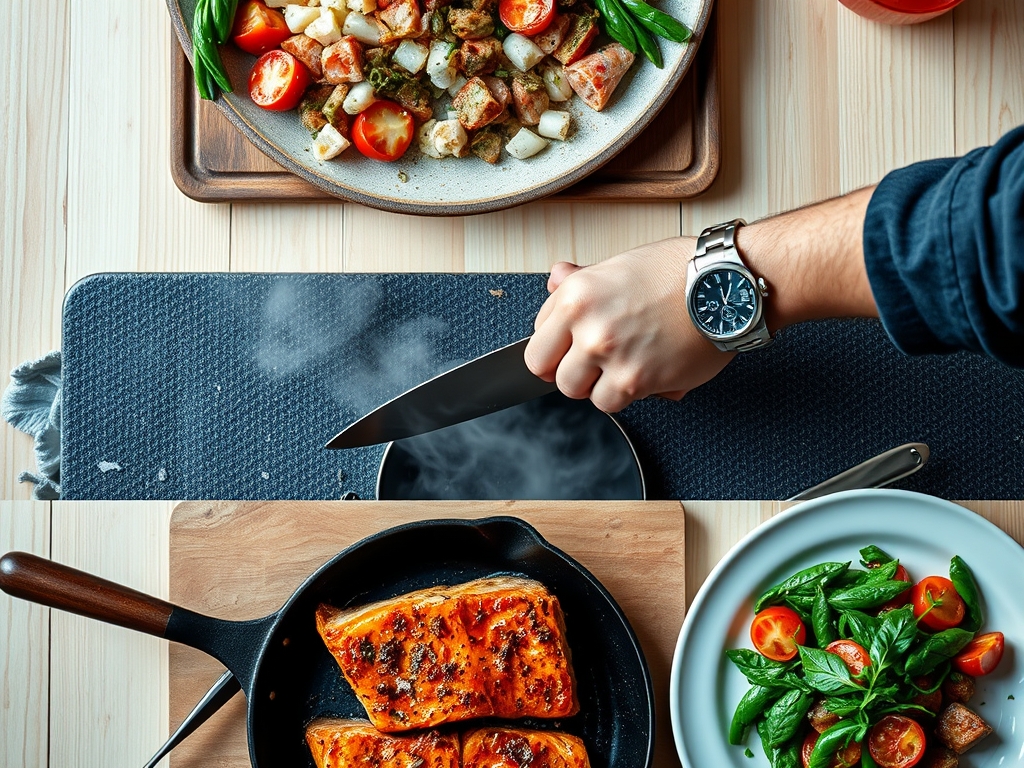
The Masterclass
1. The Desiccation Ritual
Use a paper towel to pat the skin side of the salmon until it is bone dry. Moisture is the enemy of a crisp finish. If there is water on the surface, it will turn to steam, preventing the skin from becoming crunchy.
Pro Tip: This process prevents the Leidenfrost effect, where a layer of steam actually lifts the fish off the pan, preventing the direct contact needed for enzymatic browning.
2. The Seasoning Height
Hold your salt cellar at least twelve inches above the fillet. This ensures an even distribution of crystals rather than concentrated salty hot spots. Season only right before the fish hits the pan to avoid drawing out internal moisture prematurely.
Pro Tip: Salt acts as a denaturant, beginning to break down protein structures. Doing this too early can result in a "cured" texture rather than a flaky one.
3. The Initial Sear
Place the salmon skin-side down in your heavy-bottomed skillet. Use a fish spatula to press down firmly for the first thirty seconds. This prevents the skin from curling as the proteins contract under heat.
Pro Tip: This step maximizes the Maillard reaction, a chemical reaction between amino acids and reducing sugars that gives browned food its distinctive flavor profile.
4. The Rendering Phase
Lower the heat to medium. You want to render the fat beneath the skin slowly. Watch the side of the fillet; you will see the opaque color creep up from the bottom as the heat conducts through the flesh.
Pro Tip: Slow rendering prevents the "white stuff" (albumin) from pushing out. Albumin is just protein, but its presence usually indicates the muscle fibers contracted too violently from high heat.
5. The Aromatic Infusion
Toss in your smashed garlic cloves and a knob of ghee. Use a spoon or a small saucier technique to tilt the pan and baste the hot, flavored fat over the top of the fish. This is called arrosage.
Pro Tip: Fat is a flavor carrier. By basting, you infuse the fat-soluble compounds from the garlic and herbs directly into the protein.
6. The Gentle Flip
Using your tongs or a flexible spatula, gently flip the fish. It should only need about 60 seconds on the flesh side to finish. The goal is a medium-rare center that glows translucent pink.
Pro Tip: Utilize thermal carryover. Remove the fish when it is 5 degrees below your target temperature; the residual heat will finish the job on the plate.
7. The Acid Brightening
Once the fish is off the heat, hit it with a fresh squeeze of lemon juice. The acid cuts through the richness of the omega-3 fats and creates a balanced mouthfeel.
Pro Tip: Acid acts as a flavor "highlighter." It lowers the pH on the surface of the food, which helps our taste buds perceive flavors more sharply.
8. The Resting Period
Let the salmon rest on a warm plate for three minutes before serving. This allows the juices to redistribute through the muscle fibers so they don't run out the moment you take a bite.
Pro Tip: Resting allows the viscous proteins to firm up slightly, ensuring the fish flakes perfectly along its natural fat lines.
The Deep Dive
From a macro perspective, salmon is a powerhouse. It is rich in high quality protein and essential fatty acids. If you are following a Keto lifestyle, double down on the ghee basting. For a Vegan alternative, this same searing technique works beautifully with "salmon" blocks made from marinated tofu or pressed watermelon.
If you run into trouble, let's look at The Fix-It. Is your skin soggy? You likely didn't use enough heat or didn't dry the skin well enough. Fix it by finishing the fish under a broiler for 60 seconds. Is the fish sticking? You probably tried to flip it too early. Protein "releases" from the pan naturally once the sear is complete. Is it dry? You missed the carryover window. Next time, use a digital thermometer to pull it at 125 degrees Fahrenheit.
For meal prep, reheating is a science. Avoid the microwave, which vibrates water molecules and toughens the protein. Instead, use a low oven (275 degrees) with a splash of water and a cover to create a gentle steam environment. This preserves the "day-one" flake and moisture.
The Wrap-Up
Mastering the art of salmon is a gateway to culinary confidence. By focusing on the science of heat and the quality of your whole foods ingredients, you transform a simple Tuesday night dinner into a gourmet experience. Remember to trust your senses; listen for the sizzle, watch for the color change, and always, always dry that skin. You have the tools, the techniques, and the wit to make every meal a masterpiece. Now, get that skillet hot!
The Kitchen Table
How do I prevent salmon from sticking to the pan?
Ensure your skillet is properly preheated and use enough high smoke point oil. Most importantly, do not touch the fish until the protein has naturally seared and released from the surface. If it resists the spatula, it is not ready.
What is the white stuff that comes out of salmon?
That is albumin, a liquid protein that solidifies when heated. While safe to eat, it usually indicates the fish was cooked too quickly or at a temperature that was too high, causing the muscle fibers to contract and squeeze it out.
Can I cook salmon from frozen?
It is possible, but for the best texture, thaw it in the refrigerator overnight. Cooking from frozen often leads to an uneven result where the exterior is overcooked and dry while the interior remains cold or raw.
How do I know when salmon is perfectly cooked?
The most reliable method is using a digital thermometer to reach an internal temperature of 125 to 130 degrees Fahrenheit. Visually, the fish should be opaque on the outside and flake easily with a fork while remaining slightly translucent in the center.