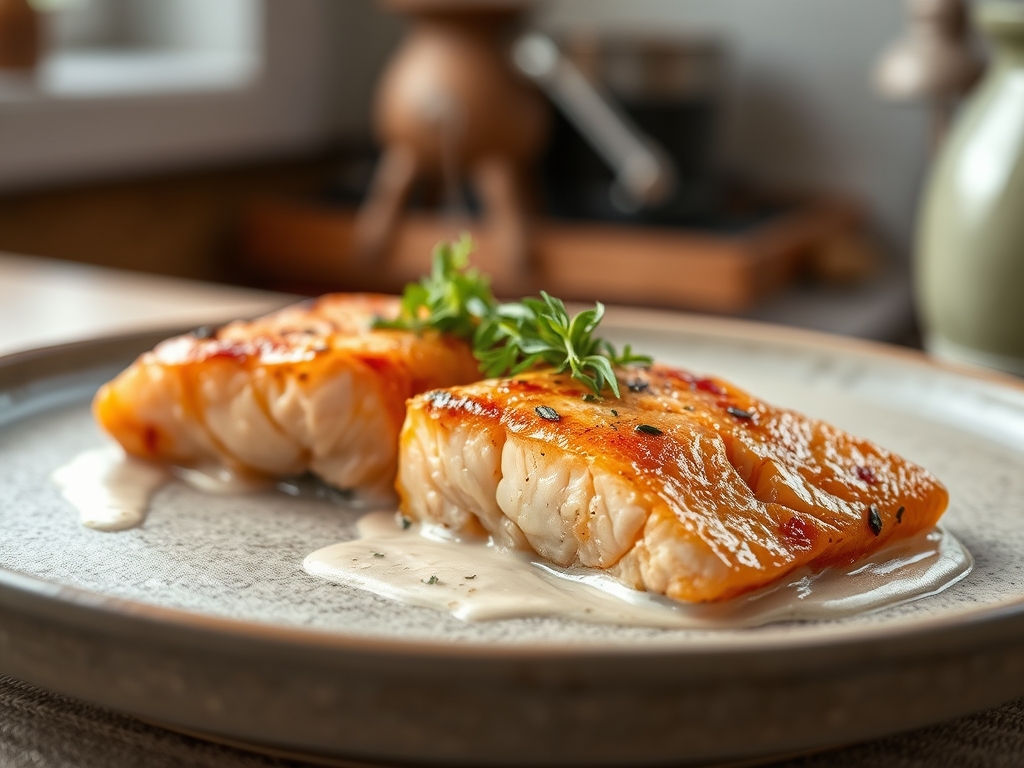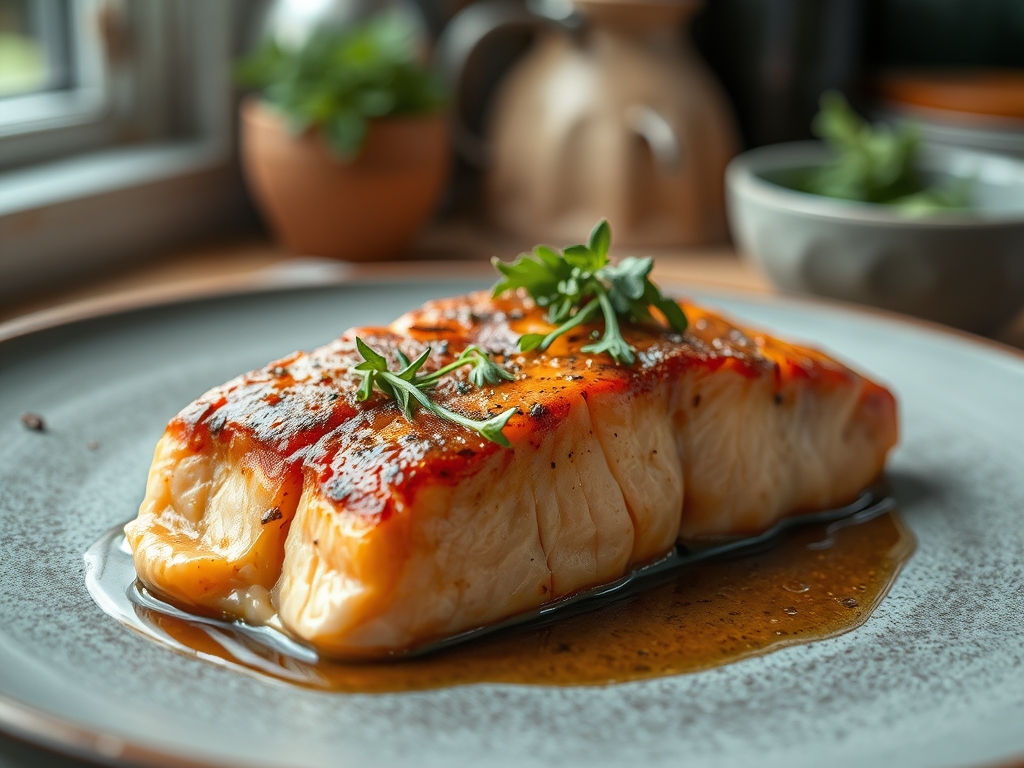
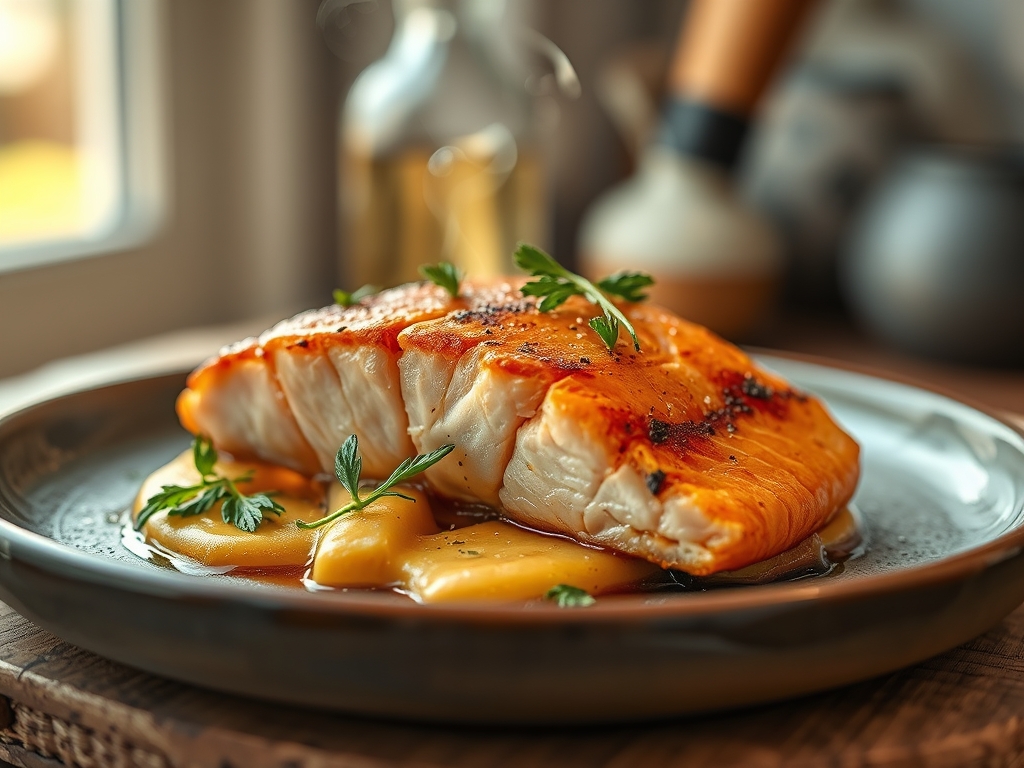
Imagine the sound of a heavy-bottomed stainless steel skillet meeting a high-flame burner; the metal expands slightly, humming in anticipation of the sear. When you explore the world of salmon recipes nyt cooking, you are not just looking for a meal; you are seeking that perfect, glass-like crust and a center that yields like butter. Salmon is the ultimate culinary chameleon. It carries the weight of heavy cream sauces just as easily as it anchors a bright, citrusy crudo. We are diving into ten masterpieces that elevate this pink-fleshed protein from a weeknight staple to a fine-dining experience. Whether you are aiming for the iconic slow-roast that preserves every drop of intracellular moisture or a high-heat pan-sear that triggers the Maillard reaction for a savory, umami-rich crust, the secret lies in understanding the molecular structure of the fish. We are going to master the art of the perfect flake, ensuring your dinner table feels like a Michelin-starred sanctuary.
The Gathers:
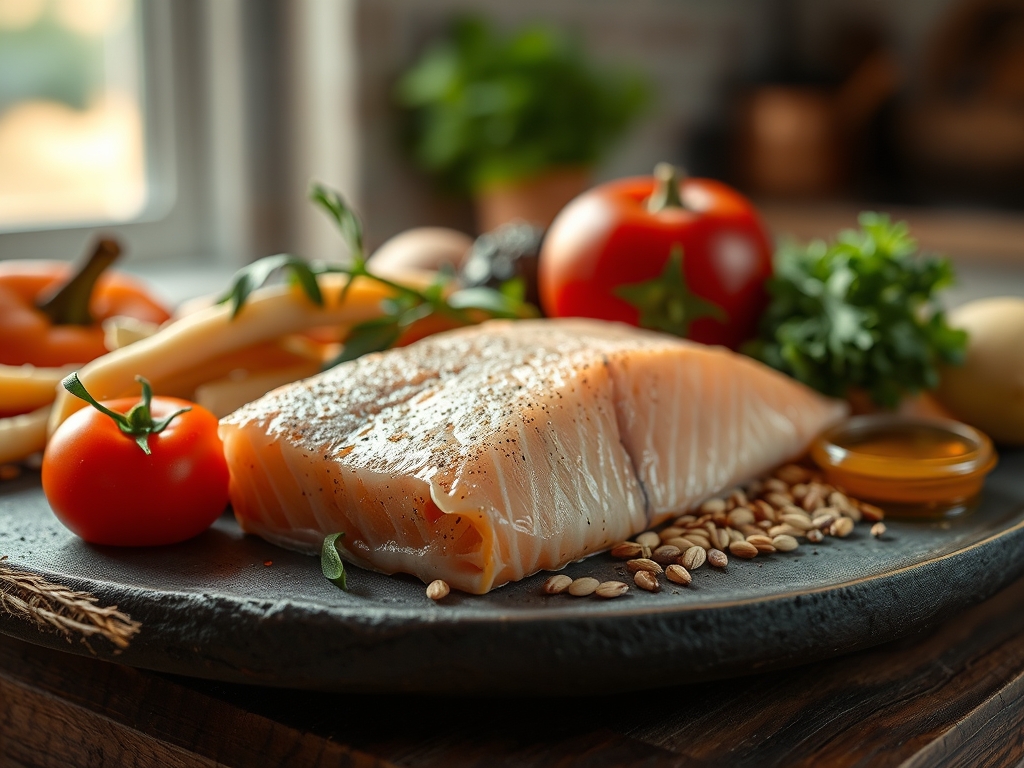
To execute these salmon recipes nyt cooking favorites, your mise-en-place must be precise. Start with high-quality fillets, preferably center-cut for uniform thickness. You will need a viscous fat source; high-smoke point oils like avocado oil are superior to butter for the initial sear because they do not burn at 400 degrees Fahrenheit. Gather your aromatics: fresh dill, flat-leaf parsley, and garlic cloves that you will crush to release their essential oils. For acidity, keep lemons and a bottle of dry white wine nearby to deglaze the pan and create a pan sauce. Use a digital scale to ensure your salt ratios are exact; 1.5 percent of the fish weight is the golden rule for seasoning.
Smart Substitutions: If you cannot find fresh tarragon, use a pinch of ground fennel seed to mimic that anise-like profile. For a dairy-free richness, replace heavy cream with full-fat coconut milk or a cashew cream that has been blended until completely smooth. If you are avoiding alcohol, a splash of verjus or a high-quality white wine vinegar diluted with water provides the necessary piquant lift without the ethanol.
The Clock
The "Chef's Flow" is about managing thermal energy and timing. Prep time for these masterpieces generally sits at 15 minutes, mostly involving patting the fish bone-dry and mincing aromatics. The cook time varies by method: a high-heat sear takes roughly 6 to 8 minutes, while a low-and-slow roast might require 20 minutes at 275 degrees Fahrenheit. Total time is usually under 35 minutes. The "Flow" means you start your side dishes (like a quick farro or blanched asparagus) before the salmon hits the heat. Salmon waits for no one; it must be served the moment it hits its target internal temperature to avoid the dreaded albumin bleed.
The Masterclass
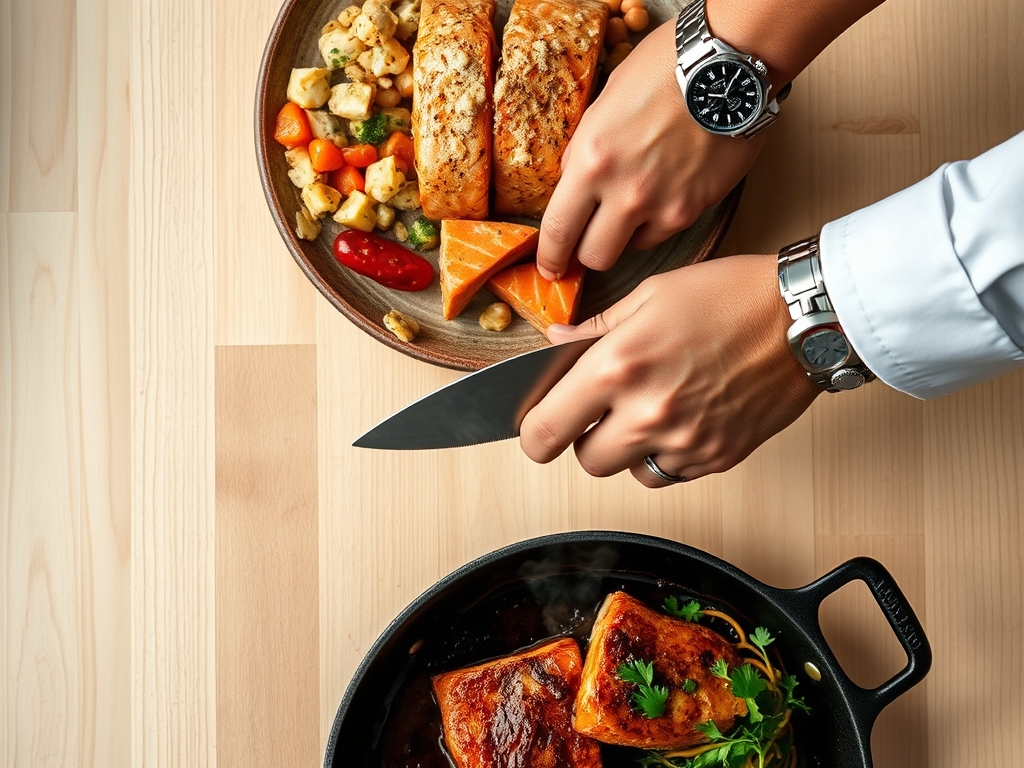
1. The Moisture Barrier
Before the fish touches the pan, use a paper towel to remove every trace of surface moisture. This prevents the fish from steaming rather than searing. Use a microplane to zest lemon directly over the flesh for an immediate aromatic infusion.
Pro Tip: This is about thermodynamics. Water evaporates at 212 degrees, but the Maillard reaction (browning) requires temperatures above 300 degrees. If the surface is wet, the energy goes into boiling water instead of browning protein.
2. The Cold-Pan Start
For skin-on fillets, place the fish skin-side down in a cold, heavy-bottomed skillet before turning on the heat. This allows the subcutaneous fat to render slowly, resulting in skin that is as crisp as a potato chip.
Pro Tip: Starting cold prevents the protein fibers from "shocking" and contracting too quickly, which often causes the fish to curl or squeeze out its juices.
3. The Arrosé Technique
Once you flip the salmon, drop a knob of butter and a sprig of thyme into the pan. Use a large spoon to continuously baste the hot, foaming butter over the cooked side. This is called arrosé, and it adds a nutty, toasted flavor profile.
Pro Tip: Butter contains milk solids that caramelize quickly. Basting creates a secondary layer of flavor through enzymatic browning while keeping the top of the fillet warm.
4. The Gentle Rest
Transfer the salmon to a warm plate and let it rest for exactly three minutes. Use your tongs to handle it gently so you do not break the delicate flakes.
Pro Tip: Thermal carryover is real. The internal temperature will rise by 5 to 7 degrees after you remove it from the heat. Resting allows the muscle fibers to reabsorb the juices, ensuring a succulent bite.
The Deep Dive
Macro Nutrition: Salmon is a powerhouse of Omega-3 fatty acids (EPA and DHA), which are essential for brain health. A standard 6-ounce fillet provides approximately 34 grams of high-quality protein and zero carbohydrates, making it a staple for metabolic health.
Dietary Swaps:
- Keto: Focus on high-fat pan sauces using heavy cream and grass-fed butter.
- Vegan: While we are focusing on salmon, you can apply these searing techniques to thick-cut "steaks" of king oyster mushrooms or firm tofu.
- GF: Salmon is naturally gluten-free; just ensure your soy sauce substitutions are Tamari or coconut aminos.
The Fix-It:
- The Skin is Soggy: You likely flipped it too early. The skin will naturally "release" from the pan once the proteins have fully dehydrated and crisped.
- White Gunk (Albumin) Appears: This means the heat was too high or the fish was overcooked. It is just coagulated protein, but to avoid it, pull the fish off the heat 5 degrees before your target temperature.
- The Fish Sticks: Your pan wasn't hot enough, or you didn't use enough fat. Ensure the oil is shimmering before adding the protein.
Meal Prep: To reheat salmon without it becoming rubbery, avoid the microwave. Use a toaster oven at 300 degrees with a splash of water and a cover to create a gentle steam environment. This preserves the viscous texture of the fats.
The Wrap-Up
Mastering salmon recipes nyt cooking is about more than following a list of ingredients; it is about the relationship between heat, fat, and time. When you hear that sizzle and smell the deep, oceanic aroma of a perfectly seared fillet, you know you have achieved something special. Use your bench scraper to clean your station, pour yourself a glass of that crisp white wine you used for deglazing, and enjoy the fruits of your scientific labor. You are no longer just cooking; you are engineering flavor.
The Kitchen Table
How do I know when salmon is perfectly cooked?
The most reliable method is using a digital thermometer to reach an internal temperature of 125 degrees Fahrenheit for medium-rare. Alternatively, the flesh should just begin to flake when pressed gently with a fork or a saucier spoon.
Why does my salmon always stick to the stainless steel pan?
Sticking occurs when the protein forms a bond with the metal. To prevent this, ensure the pan and oil are shimmering hot before adding the fish. Leave it undisturbed until the skin naturally releases once the crust has formed.
Can I cook salmon directly from the freezer?
It is not recommended for gourmet results. Thawing in the refrigerator overnight ensures even heat distribution. Cooking from frozen often leads to an overcooked exterior and a raw, icy center, ruining the delicate protein structure.
What is the best way to store leftover cooked salmon?
Store leftovers in an airtight glass container for up to two days. To maintain quality, avoid freezing cooked salmon, as the ice crystals will rupture the cell walls, leading to a mushy texture upon thawing and reheating.