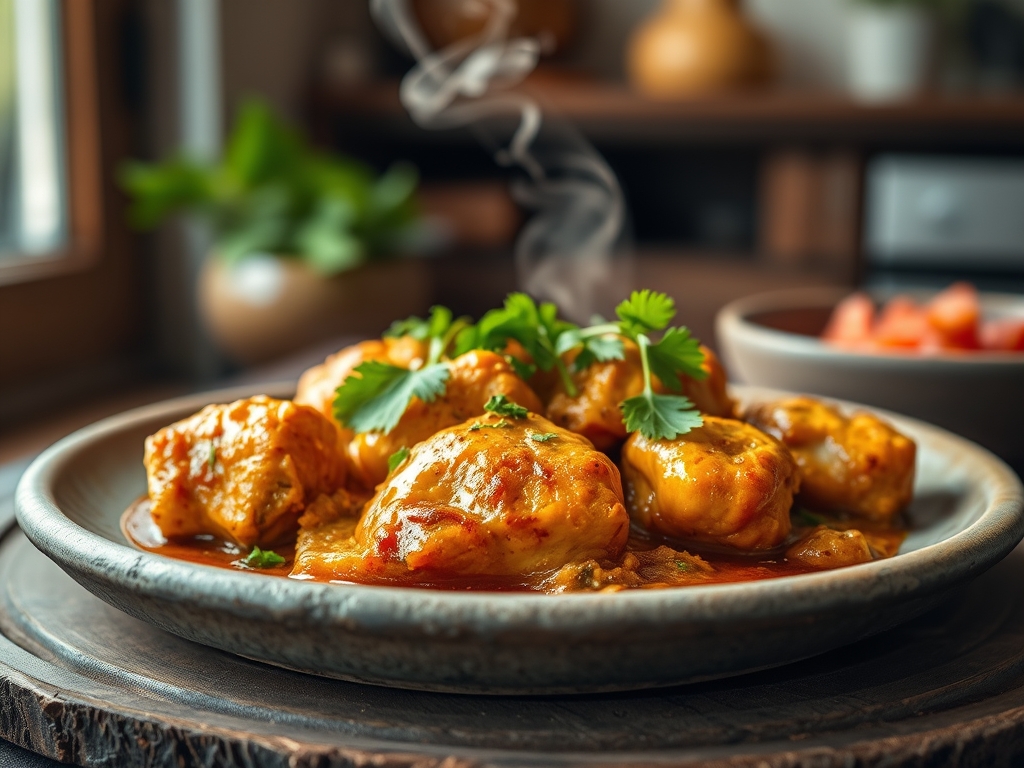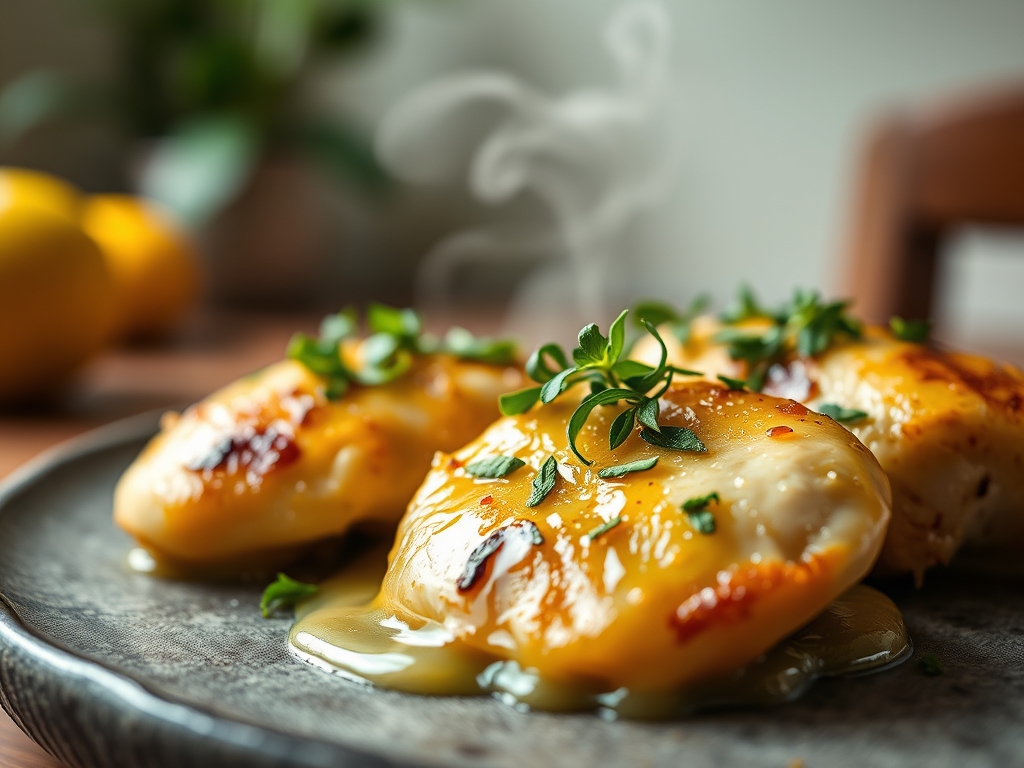
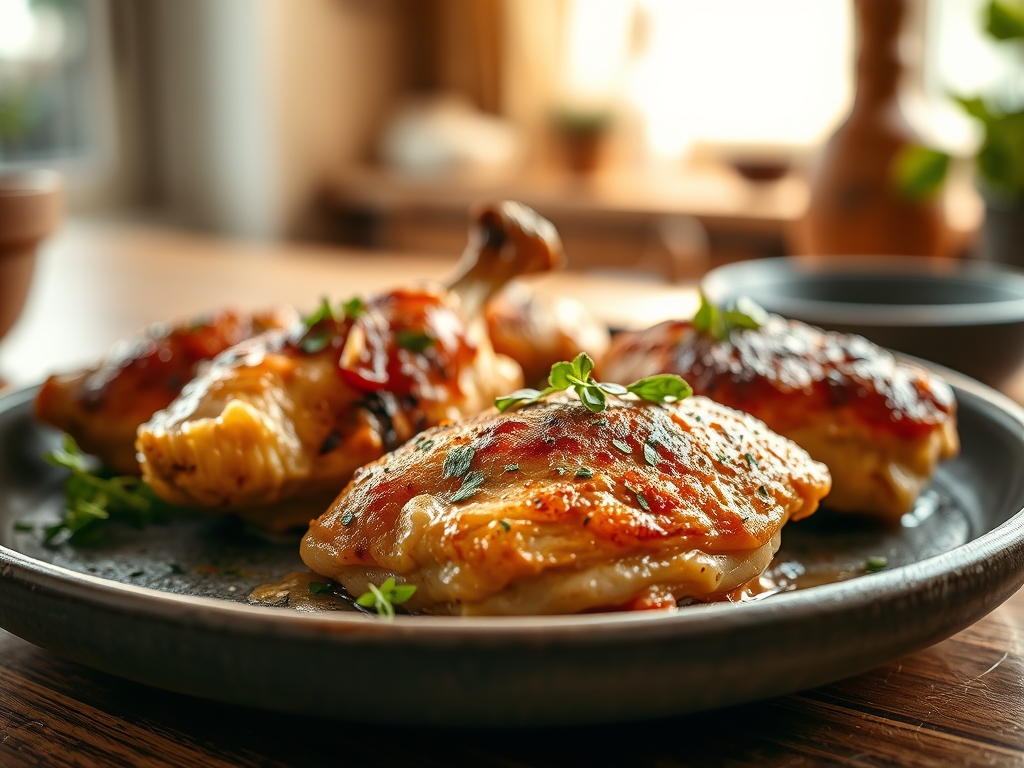
Imagine the scent of bubbling Gruyere and roasted garlic drifting from your oven on a rainy Tuesday evening. It is the ultimate domestic victory. When you master cooked chicken recipes casseroles, you are not just throwing leftovers into a dish; you are engineering a symphony of textures and flavors that redefine the concept of convenience. We are taking that humble rotisserie bird and elevating it through the power of emulsification and thermal precision.
There is a specific kind of magic that happens when protein meets a high-fat binder under consistent heat. We are looking for that perfect golden crust, known scientifically as the Maillard reaction, which transforms simple sugars and amino acids into a complex profile of savory notes. Whether you are craving a creamy tetrazzini or a spicy enchilada bake, the secret lies in the moisture management. By the time we are finished, your kitchen will feel like a high-end bistro, and your meal prep game will be entirely untouchable.
The Gathers:
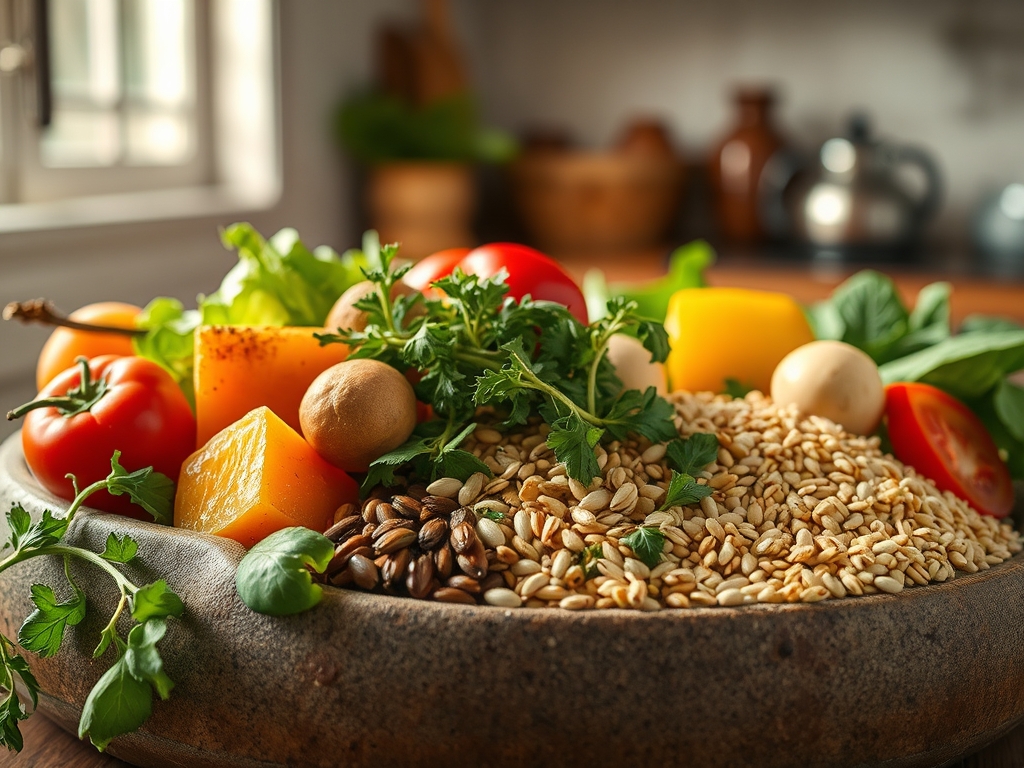
To execute these cooked chicken recipes casseroles with professional finesse, your mise-en-place must be impeccable. Start with your protein; ideally, chicken that has been poached or roasted to an internal temperature of 165 degrees Fahrenheit. You will need a saucier or a heavy-bottomed skillet to create your base liquids. High-quality fats like grass-fed butter or extra virgin olive oil are non-negotiable for achieving a viscous sauce that coats the back of a spoon.
Your aromatics should be prepped with precision. Use a microplane for your garlic and ginger to ensure they integrate seamlessly without leaving fibrous chunks. For the starch component, whether you choose jasmine rice, egg noodles, or quinoa, ensure they are slightly undercooked. This allows them to absorb the infuse flavors of your sauce during the final bake without becoming mushy.
Smart Substitutions:
If you are looking to lighten the profile, swap heavy cream for a Greek yogurt and chicken stock emulsion. To add a piquant kick, substitute standard cheddar for a sharp Manchego or a smoked Gouda. If you find yourself out of breadcrumbs, crushed pork rinds or toasted panko provide an excellent textural contrast that maintains its crunch even after refrigeration.
The Clock:
Efficiency in the kitchen is about understanding the "Chef's Flow." For most cooked chicken recipes casseroles, your active prep time should clock in at approximately 20 minutes. This includes dicing your aromatics and whisking your binder. The "inactive" bake time usually ranges from 25 to 35 minutes at a standard 375 degrees Fahrenheit.
The Chef's Flow dictates that you preheat your oven immediately. While the oven reaches its target temperature, you should be rendering fats and sautéing your mirepoix. By the time your sauce is thickened, your oven is ready. This overlap ensures that the dish enters the heat while the internal components are still warm, reducing the total thermal energy required to reach a bubbling state.
The Masterclass:
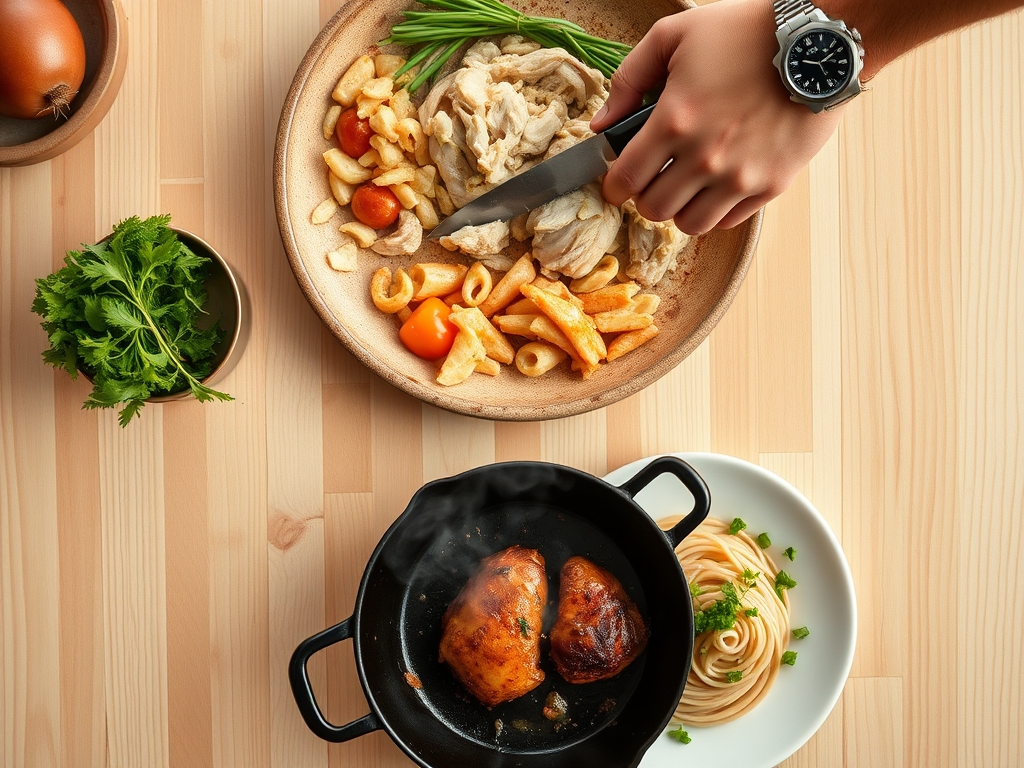
1. The Foundation of Flavor
Begin by melting your fat in a saucier and adding your aromatics. Sauté until the onions are translucent and the garlic is fragrant.
Pro Tip: This stage is about enzymatic browning. By slowly heating the aromatics, you break down the sulfur compounds, creating a sweeter and deeper flavor base for your sauce.
2. Creating the Emulsion
Whisk in your flour or thickener to create a roux. Gradually add your liquid (stock or cream) while whisking constantly to prevent lumps.
Pro Tip: Use a digital scale to measure your flour and butter. A perfect 1:1 ratio by weight ensures a stable emulsion that won't break or become oily under high heat.
3. Folding the Protein
Gently fold your shredded chicken and cooked starches into the sauce using a silicone spatula. Ensure every piece is evenly coated to prevent drying.
Pro Tip: This is the "hydration phase." The starches will continue to pull moisture from the sauce, so ensure your mixture looks slightly more liquid than you want the final result to be.
4. The Topping Layer
Distribute your cheese and crunch elements (like panko or nuts) evenly across the surface.
Pro Tip: To maximize the Maillard reaction, spray the topping lightly with oil. This increases the surface temperature, leading to a more shatteringly crisp crust.
5. The Final Bake
Place the dish on the center rack. Bake until the edges are bubbling and the center reaches 165 degrees Fahrenheit.
Pro Tip: Respect thermal carryover. Remove the casserole when it is five degrees below your target temperature. The residual heat will finish the cooking process while the dish rests on the counter.
6. The Rest Period
Allow the casserole to sit for at least 10 minutes before serving.
Pro Tip: Resting allows the proteins and starches to reabsorb the steam, resulting in a cohesive slice rather than a runny mess on the plate.
7. The Garnish Finish
Use a bench scraper to clean your workspace while the dish rests, then finish with fresh herbs like parsley or chives.
Pro Tip: Adding fresh herbs at the very end preserves their volatile oils, providing a bright, aromatic contrast to the rich, baked flavors.
8. Quality Control
Taste a small corner to ensure the seasoning is balanced. If it feels flat, a tiny squeeze of lemon juice can brighten the entire dish.
Pro Tip: Acid acts as a flavor reinforcer. It cuts through the heavy fats of the cheese and cream, making the savory chicken notes pop.
The Deep Dive:
From a macro perspective, cooked chicken recipes casseroles are protein powerhouses. A standard serving provides roughly 30 grams of protein, balanced by complex carbohydrates and fats. For those on specific diets, the swaps are simple. Keto followers can replace noodles with cauliflower florets. For a vegan-adjacent version, use a cashew-based cream and nutritional yeast for that "cheesy" umami.
The Fix-It:
If your casserole is too dry, whisk two tablespoons of warm stock into the center before serving. If it is too greasy, you likely used a low-quality cheese; blot the surface with a paper towel and add a layer of toasted breadcrumbs to absorb the excess oil. If the noodles are mushy, you overcooked them initially; next time, pull them from the boiling water when they are still slightly firm to the bite.
Meal Prep Science:
To maintain "day-one" quality, reheat your portions in the oven rather than the microwave. Microwaves vibrate water molecules, which can turn your crust soggy. A 350-degree oven for 15 minutes will aerate the topping and restore the original texture.
The Wrap-Up:
Mastering these cooked chicken recipes casseroles is about more than just a quick dinner; it is about understanding the chemistry of comfort. By focusing on stable emulsions, proper resting times, and the science of the Maillard reaction, you transform basic ingredients into a culinary masterpiece. Grab your tongs and your favorite baking dish; it is time to create something truly spectacular that will have everyone asking for seconds.
The Kitchen Table:
How do I prevent my chicken casserole from being dry?
Ensure your sauce-to-solid ratio is generous. Use a saucier to create a thick, stable emulsion and always undercook your pasta or rice. This prevents the starches from absorbing every drop of moisture during the baking process.
Can I freeze cooked chicken casseroles?
Yes, but freeze them before the final bake. Wrap tightly in foil to prevent freezer burn. When ready to eat, thaw in the refrigerator overnight and bake as directed, adding five minutes to the total time to account for the chill.
What is the best cheese for a golden crust?
A mix of low-moisture mozzarella for stretch and sharp cheddar or Parmesan for flavor is ideal. The high protein content in Parmesan encourages the Maillard reaction, resulting in a perfectly browned, crispy top layer every time.
Why did my cream sauce break in the oven?
Sauces usually break due to high heat or a lack of stabilizer. Ensure you use a proper roux (flour and fat) and avoid boiling the casserole at extreme temperatures. A steady 375 degrees Fahrenheit keeps the emulsion intact.
How long does cooked chicken last in the fridge?
Cooked chicken is safe for three to four days when stored in an airtight container. If you are meal prepping, ensure the casserole is cooled completely before sealing to prevent excess condensation from making the dish soggy.