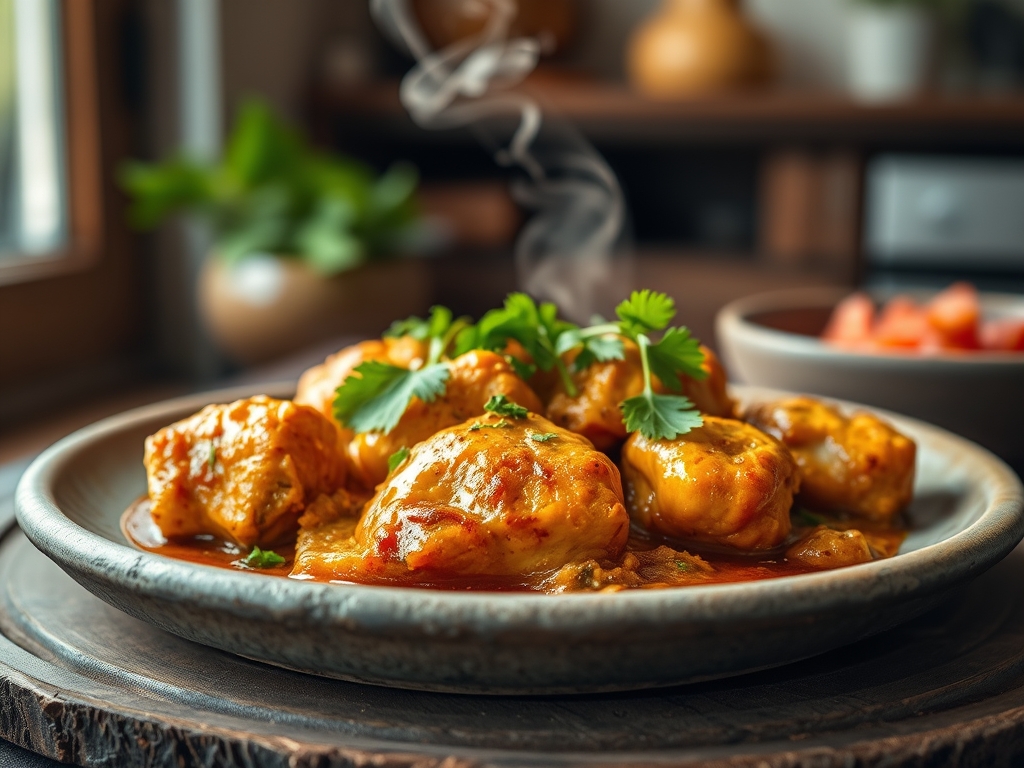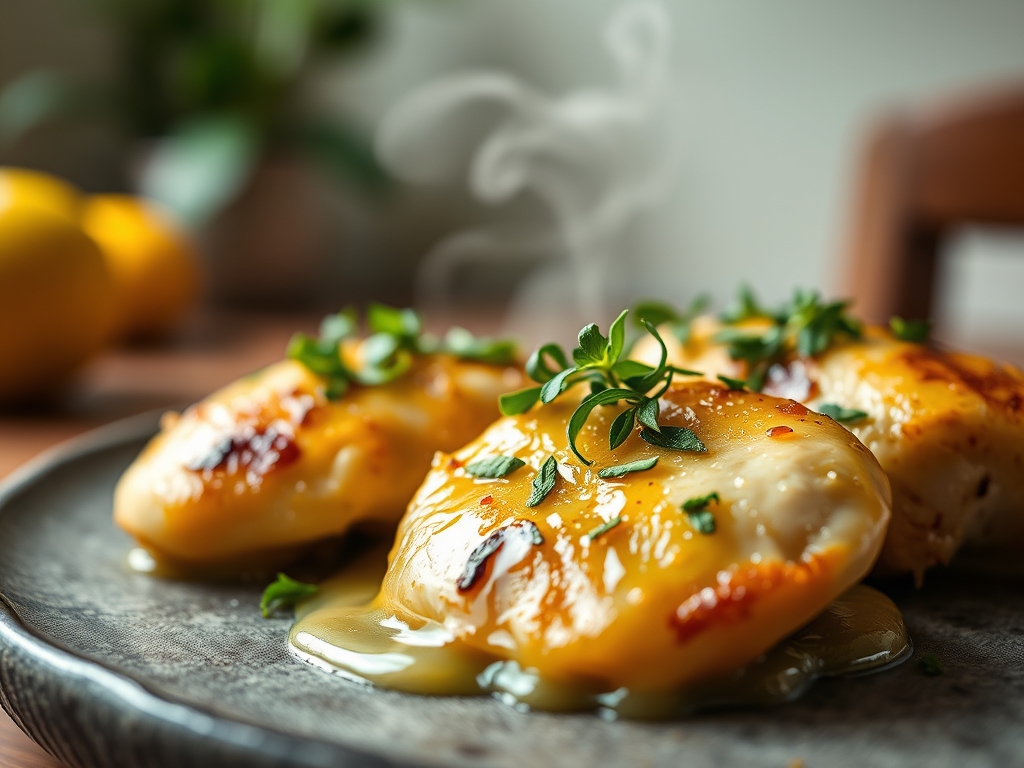
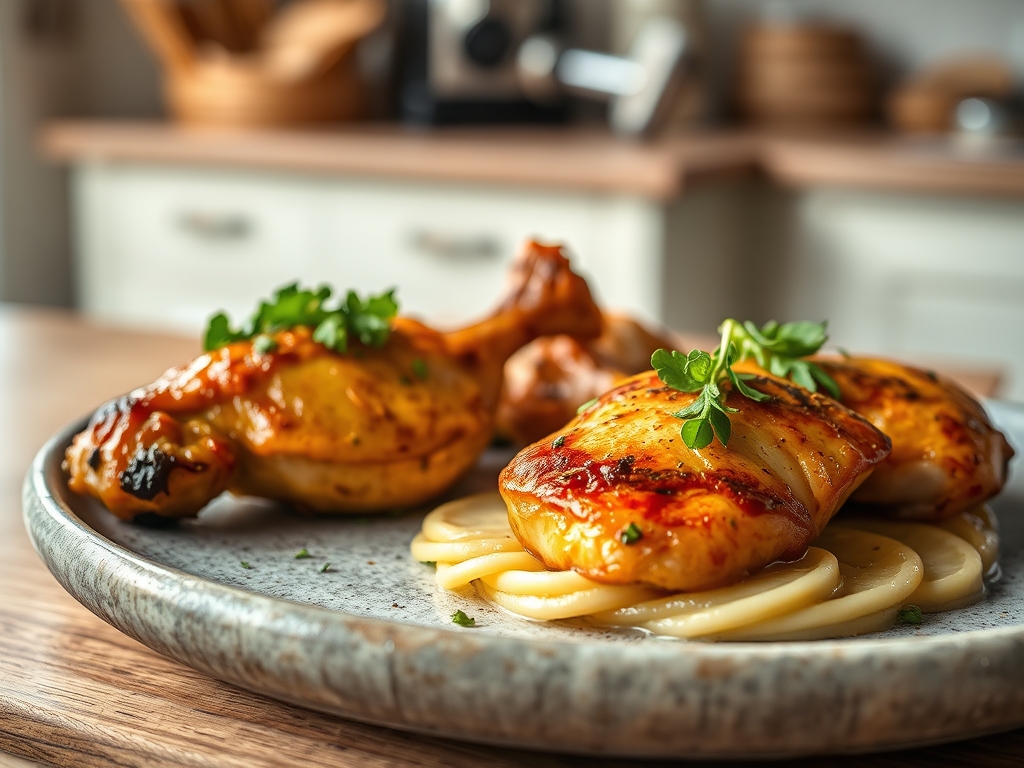
Picture this: the air in your kitchen is thick with the scent of toasted garlic and the savory, golden hum of Maillard reactions happening in real time. Your doorbell is ringing; your favorite people are spilling through the door; and you are standing there, glass of wine in hand, completely unbothered. This is the magic of mastering chicken recipes for a crowd. It is the culinary sweet spot where high-volume efficiency meets restaurant-grade technique. We are moving past the dry, uninspired trays of the past and stepping into a world of succulent lipids and perfectly balanced acidity.
Whether you are hosting a sprawling backyard bash or an intimate but hungry dinner party, the bird is your best friend. It is a blank canvas for complex flavor profiles and a reliable vehicle for global spices. Today, we are not just cooking; we are engineering an experience. From the snap of a perfectly seared skin to the viscous gloss of a reduction sauce, these nine variations will transform your hosting reputation. We will use heat, salt, and fat as our primary tools to ensure every plate coming out of your kitchen is a masterpiece of texture and taste.
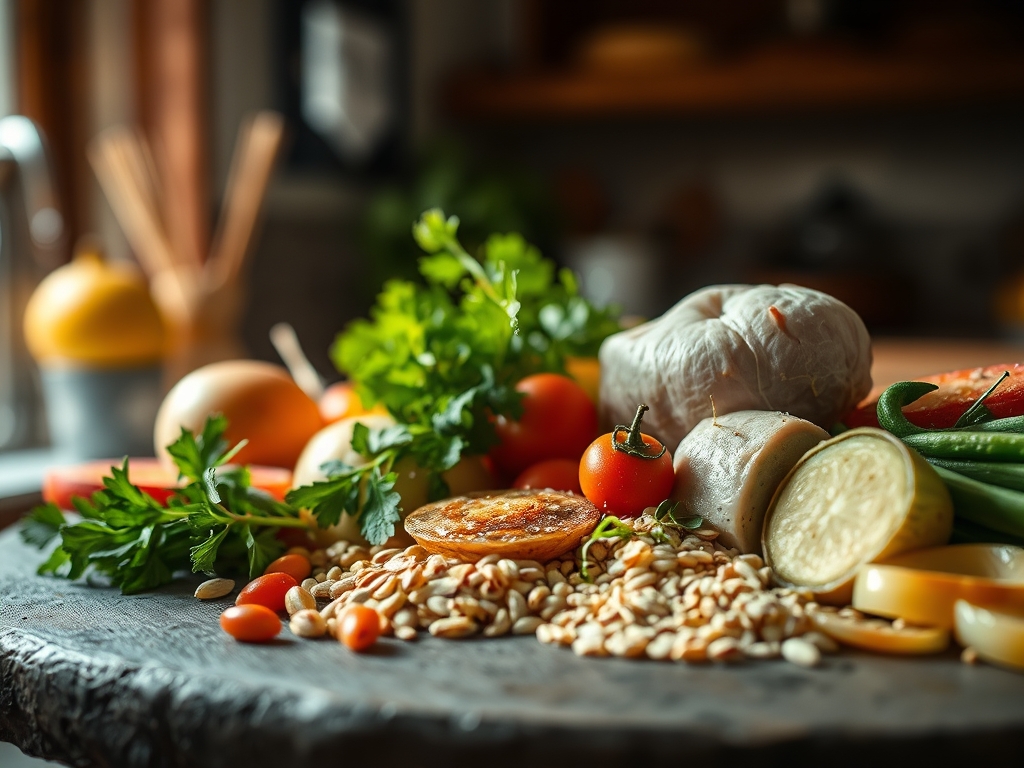
The Gathers:
Before we strike a match, we must respect the mise-en-place. High-volume cooking demands a disciplined workspace. Your counter should be a landscape of textures: the coarse granules of kosher salt, the translucent shimmer of high-smoke-point oils, and the vibrant, chlorophyll-rich pop of fresh herbs. To execute these chicken recipes for a crowd, you will need a digital scale for precise seasoning ratios and a microplane to unleash the aromatic oils of citrus and ginger.
Smart Substitutions:
If you cannot find bone-in thighs, which offer superior connective tissue breakdown and moisture, you can substitute drumsticks; however, you must adjust your thermal monitoring. For a lighter profile, swap heavy cream for emulsified cashew butter to maintain that luxurious mouthfeel without the dairy weight. If a recipe calls for dry white wine to deglaze, but your pantry is bare, a splash of verjuice or a diluted apple cider vinegar provides the necessary piquant acidity to cut through the rendered fats.
The Clock
Mastering the "Chef's Flow" is about overlapping tasks to minimize dead time. For a crowd of twelve, expect a 60-minute active prep phase followed by a 45-to-90-minute cooking window depending on your chosen method. The secret is the staggered start. While your chicken is undergoing its initial sear and render in a heavy-bottomed skillet, you should be utilizing your bench scraper to clear your board for the aromatics.
Efficiency is found in the "rest." Always account for a 15-minute resting period post-heat. This allows the internal pressure to stabilize and the juices to reabsorb into the muscle fibers. If you carve too early, you lose the hydrostatic pressure that keeps the meat moist, resulting in a dry plate and a puddle on your cutting board.
The Masterclass
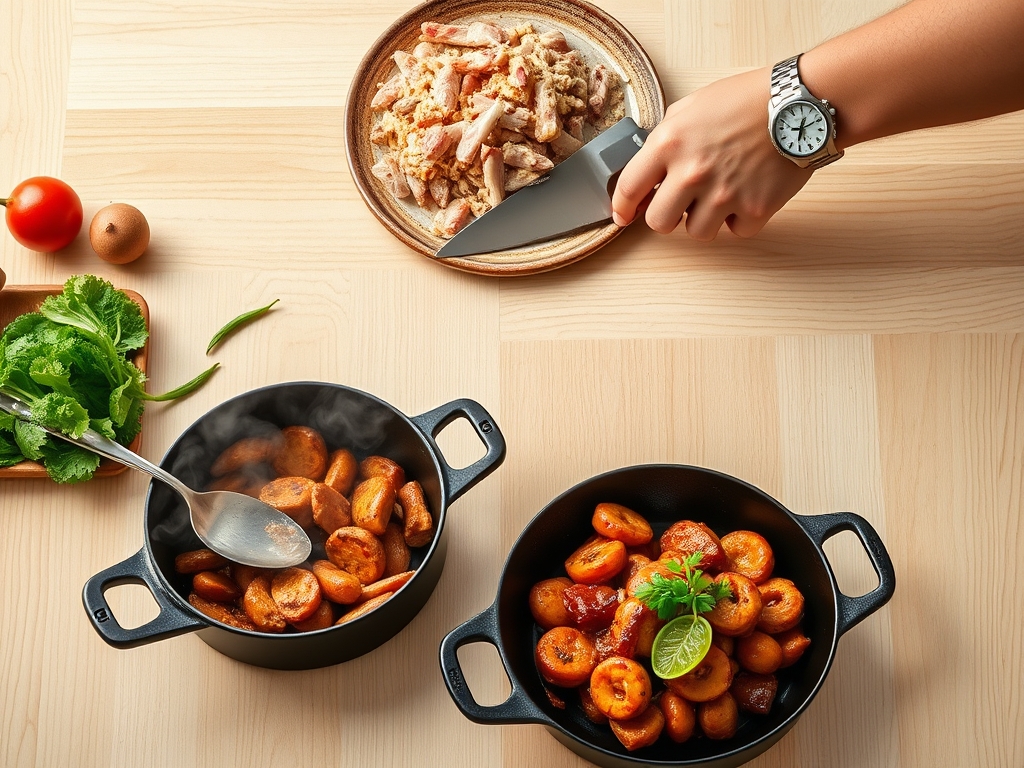
1. The Strategic Sear
Begin by patting the protein bone-dry with paper towels to remove surface moisture. Place the chicken skin-side down in a cold heavy-bottomed skillet and gradually raise the heat. This allows the fat to render slowly, resulting in a glass-like crunch rather than a rubbery finish.
Pro Tip: This is Enzymatic Browning. By starting cold, you maximize the time the fat has to liquify, preventing the skin from shrinking too rapidly and trapping steam.
2. Deglazing the Fond
Once the chicken is removed, you will see golden-brown bits stuck to the pan. This is fond, a concentrated explosion of flavor. Pour in your liquid (stock, wine, or citrus) and use a saucier whisk or wooden spoon to scrape the bottom.
Pro Tip: This process uses solvent extraction to pull flavorful compounds into your sauce that would otherwise be lost. It creates a cohesive bridge between the meat and the side dishes.
3. The Low and Slow Braise
For large batches, transition your seared chicken into a deep roasting pan. Submerge it halfway in a viscous braising liquid and cover tightly. The goal is to break down the collagen into gelatin without boiling the proteins into toughness.
Pro Tip: Maintain a temperature around 300 degrees Fahrenheit. This slow energy transfer ensures thermal equilibrium, meaning the center reaches safety without the exterior becoming fibrous.
4. The Aromatic Infusion
In the final fifteen minutes, add your delicate aromatics like tarragon, chives, or lemon zest. These contain volatile organic compounds that dissipate under prolonged high heat. Adding them late ensures a bright, fresh finish.
Pro Tip: This is known as layering flavors. By adding ingredients at different stages, you create a complex "flavor arc" that hits the palate at different times.
5. The Rest and Carve
Transfer the chicken to a warm platter. Use tongs to handle the pieces gently, avoiding piercing the skin. Tent loosely with foil to retain heat while allowing steam to escape, preserving the crispness you worked so hard to achieve.
Pro Tip: Thermal carryover will raise the internal temperature by 5 to 10 degrees after the meat leaves the oven. Pulling the bird at 160 degrees ensures it hits the perfect 165-degree mark on the table.
The Deep Dive
When feeding a crowd, nutrition and dietary inclusivity are paramount. A standard 6-ounce serving of chicken provides roughly 42 grams of high-quality protein and essential micronutrients like B12 and selenium.
Dietary Swaps:
- Vegan: Replace chicken with thick-cut "steaks" of cauliflower or oyster mushrooms; use miso paste to replicate the savory umami of rendered chicken fat.
- Keto: Avoid flour-based thickeners in your sauces; use a xanthan gum slurry or simply reduce the liquid by half to achieve a coating consistency.
- Gluten-Free: Ensure your chicken stock is certified GF and use tamari instead of soy sauce for Asian-inspired profiles.
The Fix-It:
- Broken Sauce: If your sauce separates, it has lost its emulsification. Whisk in a tablespoon of heavy cream or a cold knob of butter off the heat to re-bind the fats.
- Dry Breast Meat: If you overshot the temp, shred the meat and toss it in a piquant vinaigrette or a rich gravy. The added fats and acids will mask the texture.
- Pale Skin: If the chicken looks anemic, a quick 2-minute blast under the broiler will trigger the Maillard reaction for a last-minute glow-up.
Meal Prep Science:
To reheat for "day-one" quality, avoid the microwave, which vibrates water molecules and turns chicken into rubber. Instead, use a low oven (275 degrees) with a splash of stock. This creates a mini-steam chamber that rehydrates the fibers without overcooking the proteins.
The Wrap-Up
Hosting doesn't have to be a high-stress endurance sport. By understanding the chemistry of your ingredients and the physics of your kitchen tools, you can produce chicken recipes for a crowd that feel effortless and taste expensive. Remember: cook with your senses. Listen for the sizzle, watch for the viscous bubble of a reducing sauce, and always trust your digital thermometer. Now, go forth, pour another glass, and let the bird take center stage!
The Kitchen Table
How do I keep chicken moist when cooking for 20 people?
The secret is the braising technique. Cooking the chicken partially submerged in liquid prevents evaporation. Additionally, always allow the meat to rest for at least 15 minutes to ensure hydrostatic pressure redistributes the juices throughout the muscle fibers.
What is the best way to scale up seasoning?
Do not simply multiply salt by the number of guests. Use a digital scale to aim for 1.5% salt by weight of the meat. This scientific ratio ensures consistent seasoning across large batches without over-salting the exterior.
Can I prep these chicken dishes a day in advance?
Yes. In fact, stews and braises often taste better the next day because aromatic compounds have more time to infuse. Store in an airtight container and reheat slowly to preserve the delicate protein structures.
How do I get crispy skin on a large scale?
Avoid overcrowding your pans. If the pieces are too close, they trap steam and "boil" instead of searing. Use multiple heavy-bottomed skillets or sear in batches to ensure maximum Maillard reaction and fat rendering.