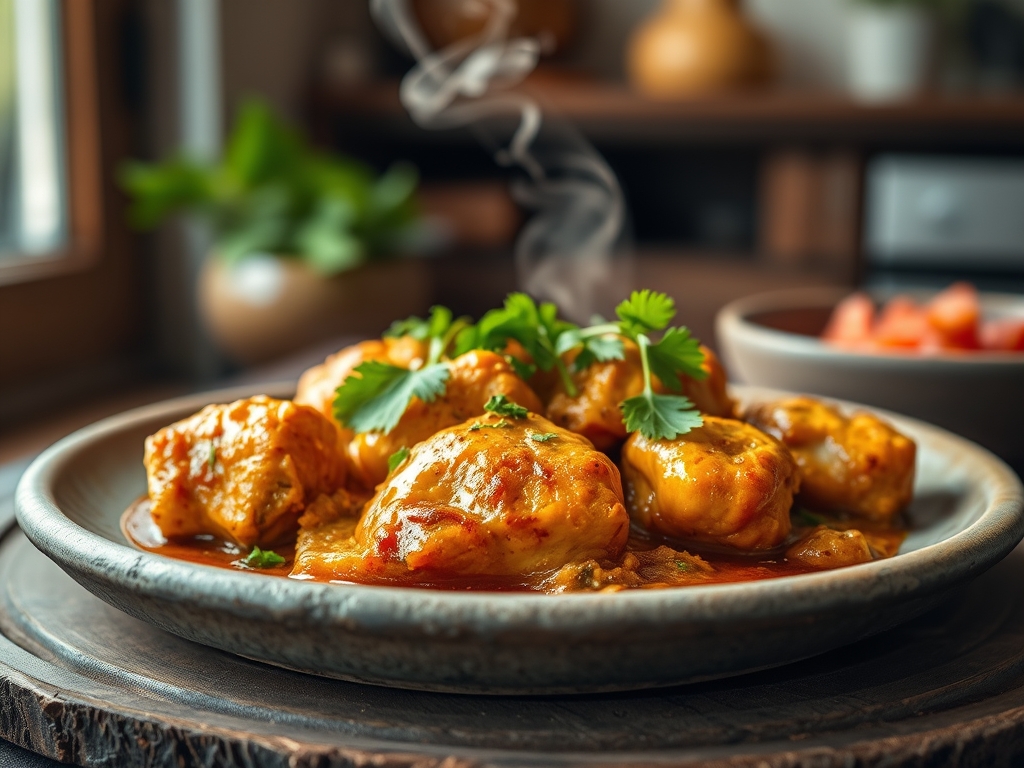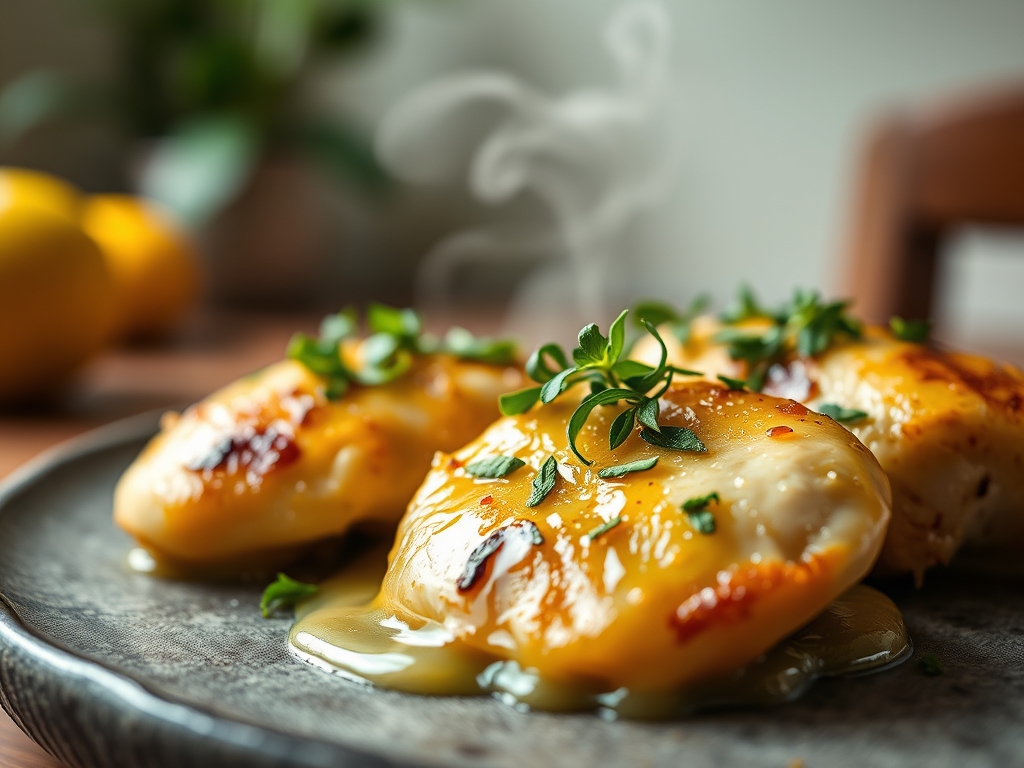
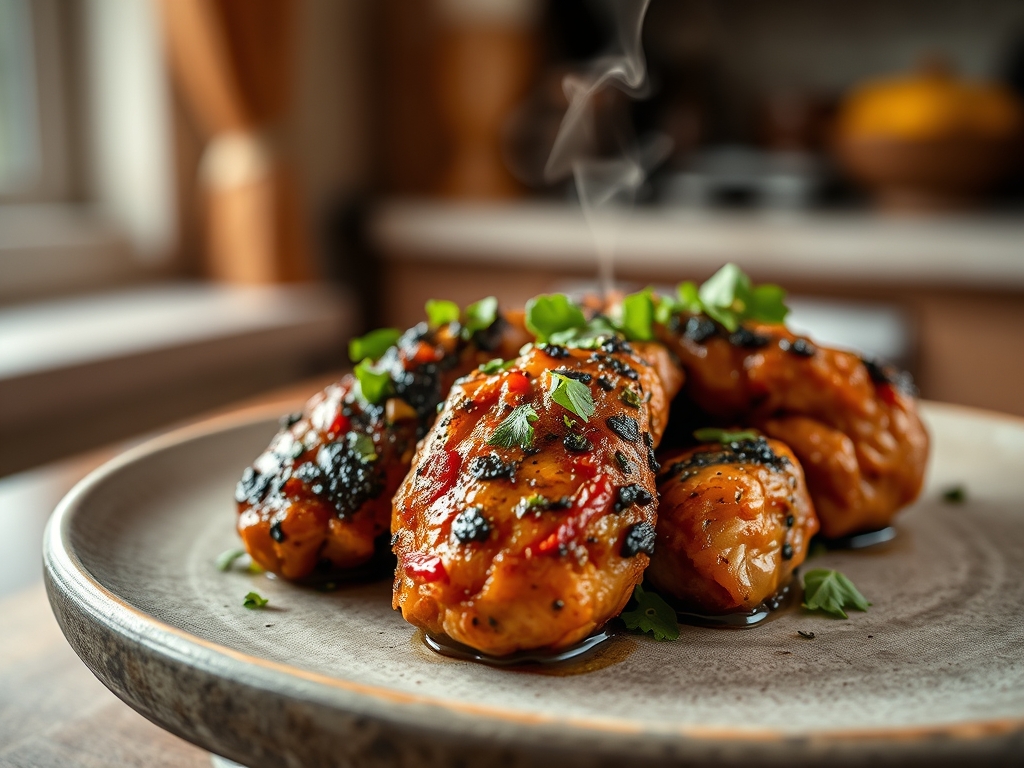
Close your eyes and imagine the scent of pimento wood smoke dancing through a humid tropical breeze. That sharp, piquant aroma of crushed allspice and the aggressive heat of scotch bonnet peppers is unmistakable. When we talk about authentic caribbean jerk chicken recipes, we are not just discussing a meal; we are discussing a centuries-old preservation technique that evolved into a culinary masterpiece. The secret lies in the balance of fire and fragrance. It is a sensory overload where the skin of the chicken undergoes a dramatic transformation, becoming a charred, caramelized map of flavor. Whether you are using a traditional pit or a modern heavy-bottomed skillet, the goal is to achieve that perfect juxtaposition of crispy, rendered fat and juicy, spice-infused meat. This is soul food with a high-octane kick. We are diving deep into the chemistry of the marinade, the physics of the grill, and the art of the perfect char. Grab your apron and your favorite tongs because we are about to turn your kitchen into a high-heat laboratory of flavor.
The Gathers:
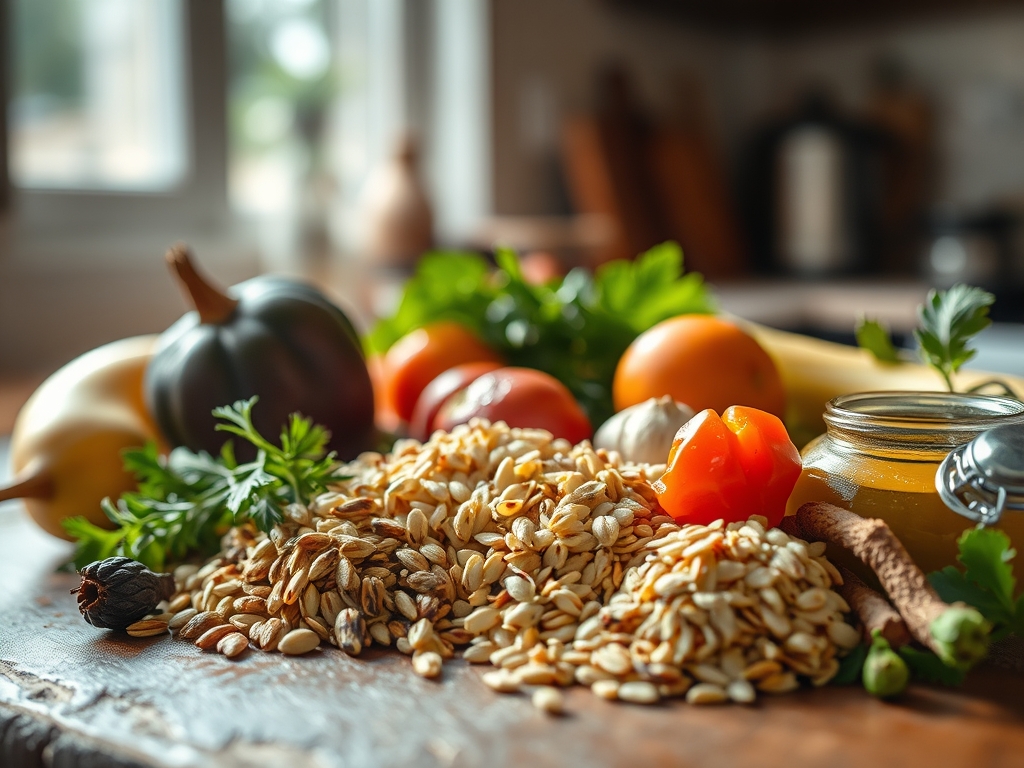
To master caribbean jerk chicken recipes, your mise-en-place must be precise. The marinade is a complex emulsion of aromatics and acids. You will need fresh scallions, a handful of thyme sprigs, and several cloves of garlic. The backbone of the flavor comes from whole allspice berries, which contain eugenol, the same aromatic compound found in cloves. Use a microplane to grate fresh ginger and nutmeg for maximum volatile oil release. For the heat, scotch bonnet peppers are non-negotiable; they provide a fruity, floral undertone that habaneros simply cannot replicate.
Smart Substitutions are essential for the modern cook. If you cannot find scotch bonnets, use habaneros but add a teaspoon of apricot preserves to mimic the fruity profile. If you lack pimento wood for smoking, soak whole allspice berries in water and toss them onto your charcoal to create a similar aromatic infusion. For the acid component, lime juice provides a bright, citrusy lift, but apple cider vinegar offers a more stable, fermented depth that helps tenderize the protein fibers through enzymatic breakdown.
The Clock: 24 Hours to Perfection
The "Chef's Flow" is all about timing. Total preparation time is approximately 30 minutes of active labor, but the passive time is where the magic happens. You must allow at least 12 to 24 hours for the marinade to penetrate the muscle tissue. During this time, the salt in the rub acts as a dry brine, denaturing the proteins so they can retain more moisture during the high-heat cooking process.
The cooking phase takes roughly 45 to 60 minutes depending on your heat source. If you are using a grill, you will spend the first 15 minutes over direct heat to trigger the Maillard reaction, followed by 30 minutes of indirect heat to ensure the internal temperature reaches 165 degrees Fahrenheit. Always allow for a 10-minute rest period. This is not just a suggestion; it is thermodynamics. Resting allows the internal juices to redistribute, ensuring that your first bite is as succulent as the last.
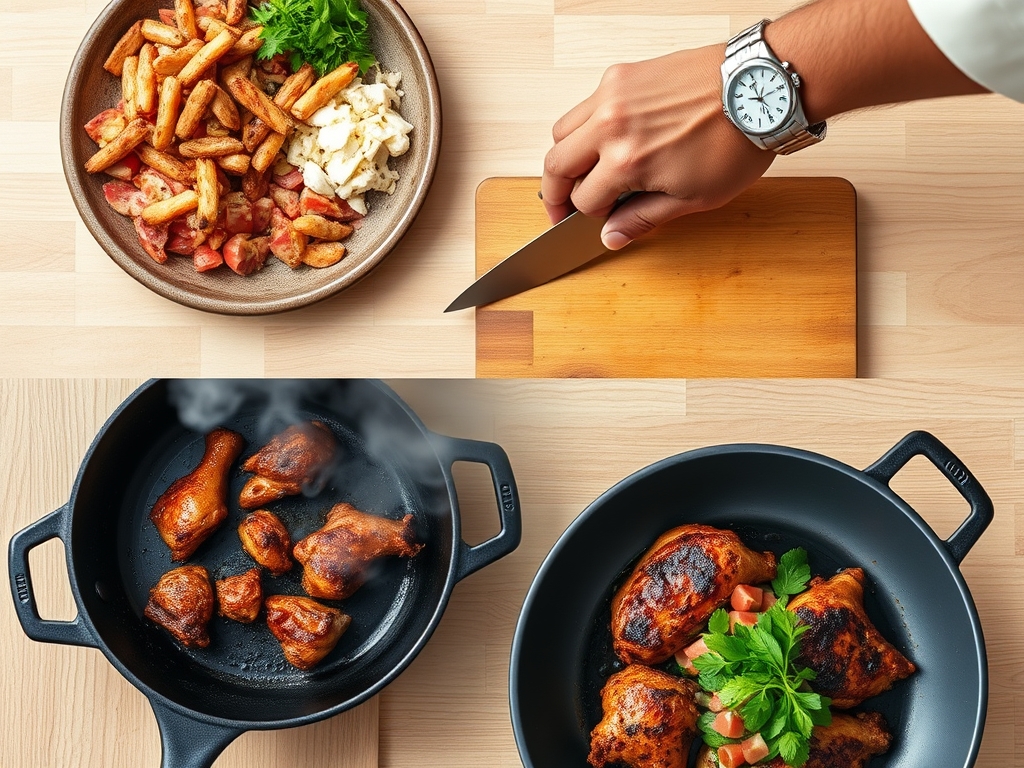
The Masterclass:
1. The Aromatic Emulsion
Combine your peppers, scallions, garlic, and spices in a high-speed blender or food processor. Slowly stream in oil to create a viscous emulsion that will cling to the meat.
Pro Tip: Adding a touch of oil helps dissolve the fat-soluble capsaicin in the peppers, ensuring the heat is evenly distributed throughout the marinade rather than concentrated in spicy hot spots.
2. The Surface Preparation
Use a sharp chef's knife to make shallow incisions in the chicken skin and flesh. This increases the surface area for the marinade to interact with.
Pro Tip: This technique facilitates faster heat transfer and deeper flavor penetration. It also helps the skin render more efficiently, preventing a rubbery texture.
3. The Long Soak
Massage the marinade into every crevice of the chicken. Place the meat in a non-reactive glass bowl or a heavy-duty vacuum bag to prevent oxidation.
Pro Tip: Vacuum sealing the chicken actually forces the marinade into the pores of the meat through atmospheric pressure, accelerating the marination process significantly.
4. The Searing Phase
Place the chicken on a preheated grill or a heavy-bottomed skillet. You want to hear a violent sizzle the moment the skin hits the surface.
Pro Tip: This initial high-heat contact triggers enzymatic browning. The sugars in the marinade (from the onions and fruit) caramelize, creating a complex crust of flavor compounds.
5. The Indirect Finish
Move the chicken away from the direct flame or lower the stove heat. Cover the grill or pan to create a convection environment.
Pro Tip: This prevents the exterior from burning before the interior is safe to eat. Use a digital scale or meat thermometer to pull the chicken at 160 degrees, as thermal carryover will bring it to the final 165 degrees while resting.
The Deep Dive:
From a macro nutrition perspective, caribbean jerk chicken recipes are surprisingly lean. A standard 6-ounce serving of breast meat provides roughly 35 grams of protein with minimal carbohydrates, provided you do not go overboard with added sugars in the marinade. For those following a Keto lifestyle, this is a dream meal. Vegan enthusiasts can swap the chicken for firm tofu or oyster mushrooms; just be sure to press the tofu first to ensure it can absorb the marinade.
The Fix-It: Common Pitfalls
- The Skin is Rubbery: This happens when the heat is too low. Fix it by finishing the chicken under a broiler for 2 minutes to crisp the fat.
- The Meat is Dry: You likely skipped the rest period. If it is already dry, shred the meat and toss it in a bit of reserved marinade and chicken stock to rehydrate.
- Too Much Heat: If the scotch bonnets are overwhelming, serve the chicken with a side of lime-infused yogurt or coconut rice to neutralize the capsaicin on your palate.
Meal Prep Science: To maintain "day-one" quality, reheat your jerk chicken in an air fryer at 350 degrees for 5 minutes. This rapidly dehydrates the skin to restore crispness without overcooking the interior, a feat a microwave simply cannot achieve.
The Wrap-Up:
Mastering caribbean jerk chicken recipes is a rite of passage for any serious home cook. It is a beautiful marriage of aggressive spice and technical precision. By understanding the chemistry of your marinade and the physics of your heat source, you can recreate the authentic flavors of a Jamaican roadside stand in your own backyard. Remember, the secret is in the smoke, the soak, and the sear. Now, go forth and bring that bold, tropical fire to your dinner table!
The Kitchen Table:
How do I make jerk chicken less spicy?
Remove the seeds and white membranes from the scotch bonnet peppers before blending. These parts contain the highest concentration of capsaicin. You can also substitute half of the peppers with mild bell peppers to maintain the bulk of the marinade.
Can I bake jerk chicken instead of grilling?
Yes. Use a wire rack set over a baking sheet to allow hot air to circulate around the entire piece of meat. Bake at 400 degrees Fahrenheit to encourage the Maillard reaction and ensure the skin becomes crispy rather than soggy.
What is the best wood for smoking jerk chicken?
Authentic jerk uses pimento wood. If unavailable, allspice berries soaked in water and placed on charcoal provide the closest flavor profile. For wood chunks, pecan or fruitwoods like apple provide a mild sweetness that complements the spicy marinade beautifully.
How long does the marinade last in the fridge?
A fresh jerk marinade will last up to two weeks in an airtight container. The high acidity from the lime juice and vinegar, combined with the antimicrobial properties of garlic and peppers, acts as a natural preservative for the sauce.