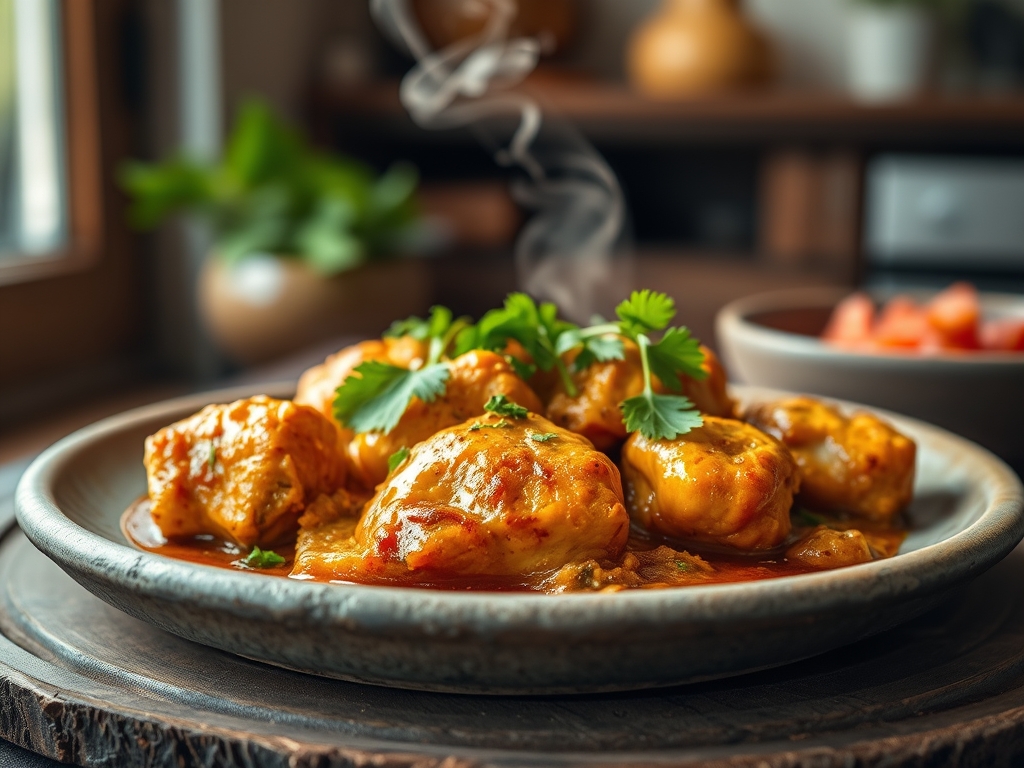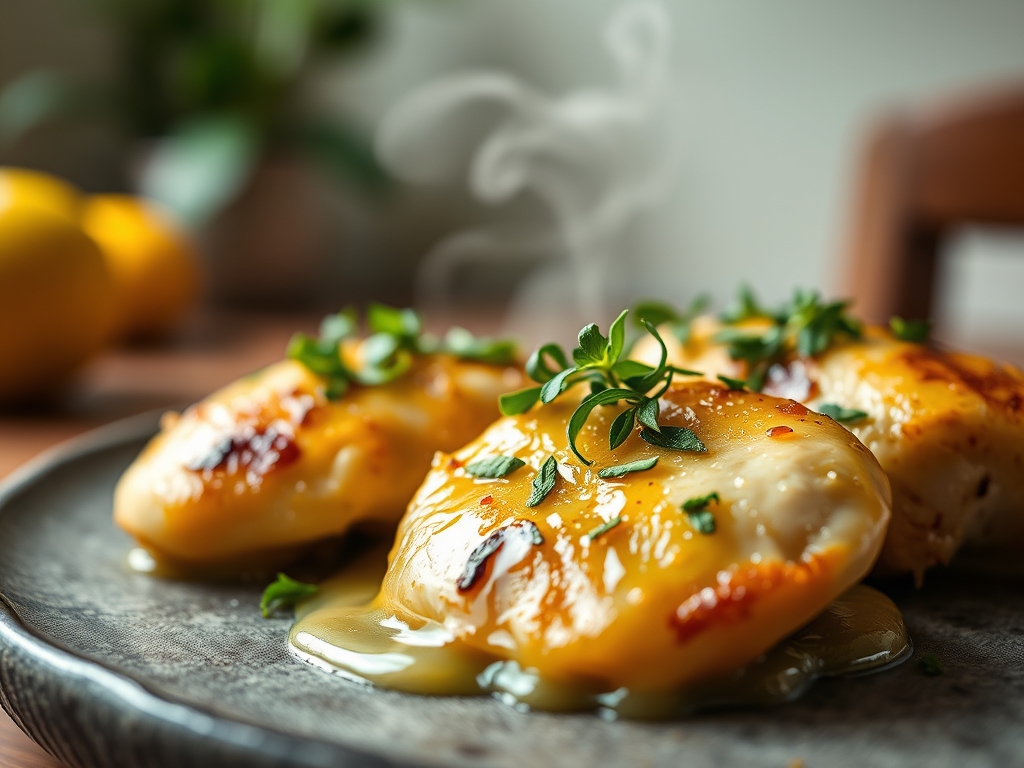
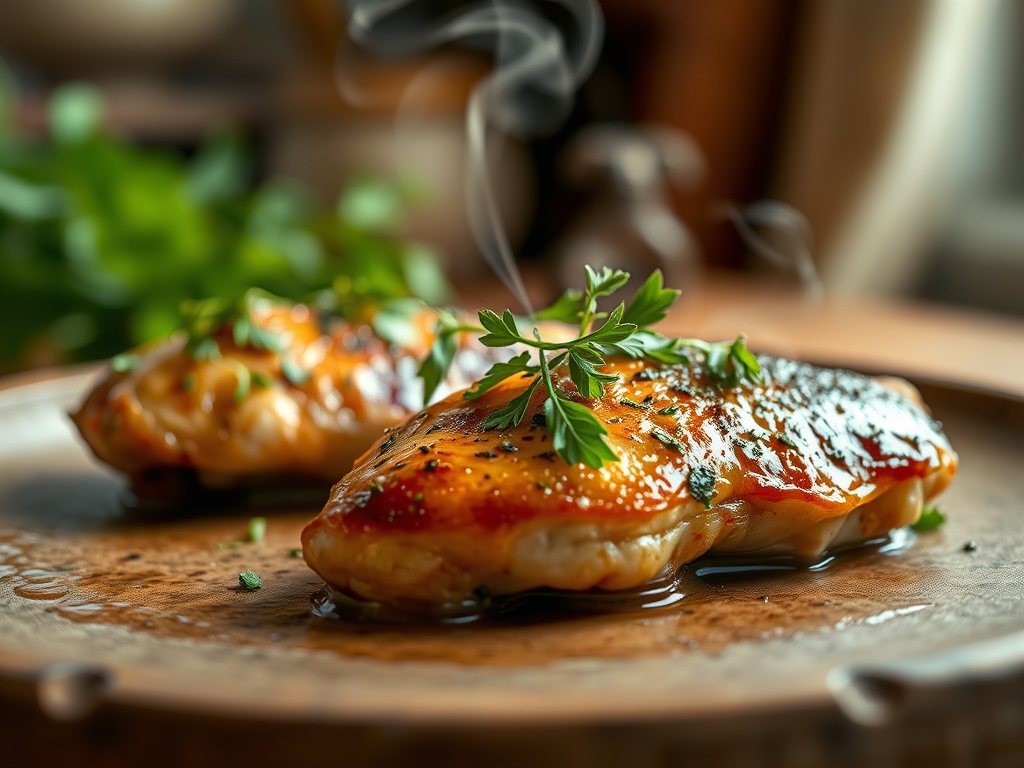
Close your eyes and imagine the scent of rosemary needles hitting hot rendered fat. It is the olfactory equivalent of a warm hug from a Michelin-starred chef. When you master herb chicken recipes, you are not just cooking dinner; you are conducting a symphony of volatile organic compounds and Maillard reactions that turn a humble protein into a masterpiece.
The secret to a truly transformative meal lies in the marriage of fresh aromatics and precise thermal control. We have all suffered through the indignity of a dry, flavorless breast, but those days are officially over. By understanding how essential oils in thyme, sage, and oregano interact with heat, you can unlock layers of flavor that most home cooks miss. We are going to explore nine distinct variations on this theme, ranging from a zesty lemon-thyme sear to a deep, woody rosemary roast. Whether you are prepping for a high-stakes dinner party or just trying to survive a Tuesday night, these techniques will elevate your kitchen game from "functional" to "phenomenal." Get your heavy-bottomed skillet ready; we are about to make some magic happen.
The Gathers:
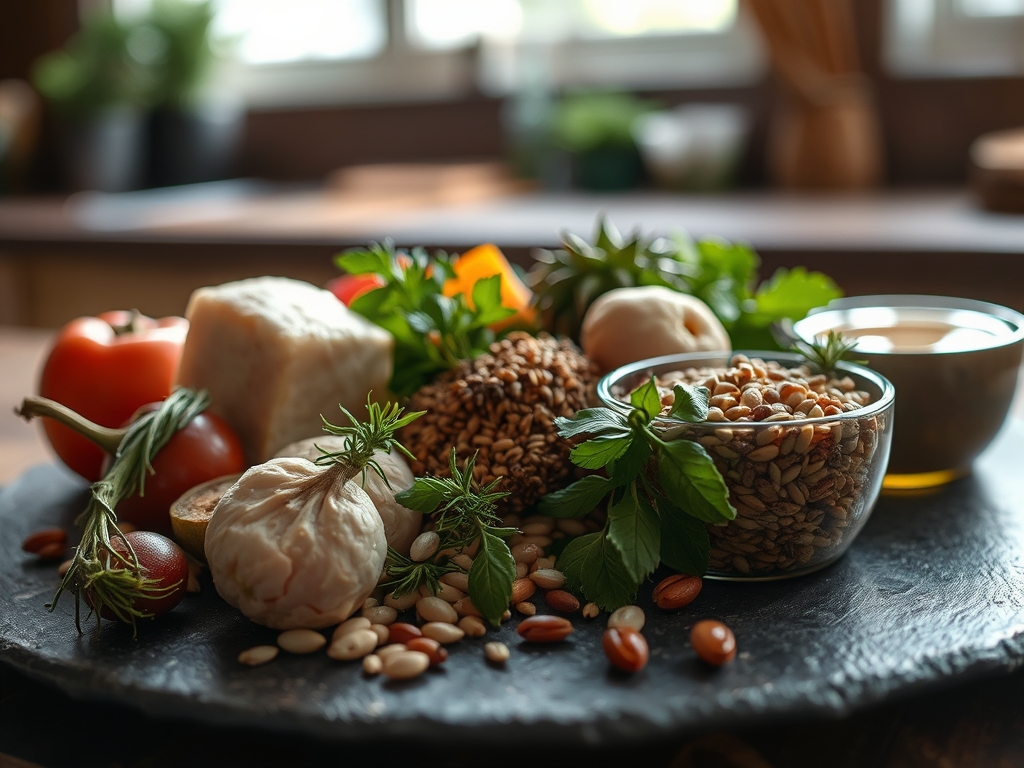
To execute these herb chicken recipes with precision, your mise-en-place must be impeccable. Start with the protein: organic, air-chilled chicken provides the best canvas because it lacks the excess water weight of conventional birds, allowing for a better sear. For the aromatics, we are looking for high-quality fresh herbs. Use a microplane to zest your citrus and a sharp chef's knife to bruise the herbs, releasing their essential oils before they even hit the pan.
The pantry staples are equally vital. You will need a high-smoke-point oil, such as avocado oil, and unsalted European-style butter for finishing. The higher fat content in European butter creates a more viscous sauce when you begin to deglaze. For seasonings, use Diamond Crystal kosher salt for its hollow flake structure, which adheres better to the meat, and fresh-cracked Tellicherry peppercorns for a piquant bite.
Smart Substitutions:
If you cannot find fresh tarragon, use a pinch of dried fennel seeds to mimic that anise-like profile. If dairy is an issue, swap the butter for a high-quality ghee; it retains the nutty flavor profile but removes the milk solids that burn at high temperatures. For a low-sodium approach, increase the acidity with a splash of Verjus or extra lemon juice to brighten the palate without the salt bloat.
The Clock
Efficiency in the kitchen is all about "Chef's Flow." This is the psychological state where your movements are economical and your timing is rhythmic. For most of these herb chicken recipes, you are looking at a 15-minute prep window and a 20-to-30-minute cook time.
The flow begins with the "Dry Brine." Salt your chicken at least 30 minutes before cooking. This allows the salt to penetrate the muscle fibers via osmosis, restructuring the proteins to retain more moisture. While the chicken rests, utilize your bench scraper to organize your chopped herbs and aromatics. By the time your heavy-bottomed skillet is preheated to the point of shimmering oil, your prep is complete, and you can focus entirely on the heat management.
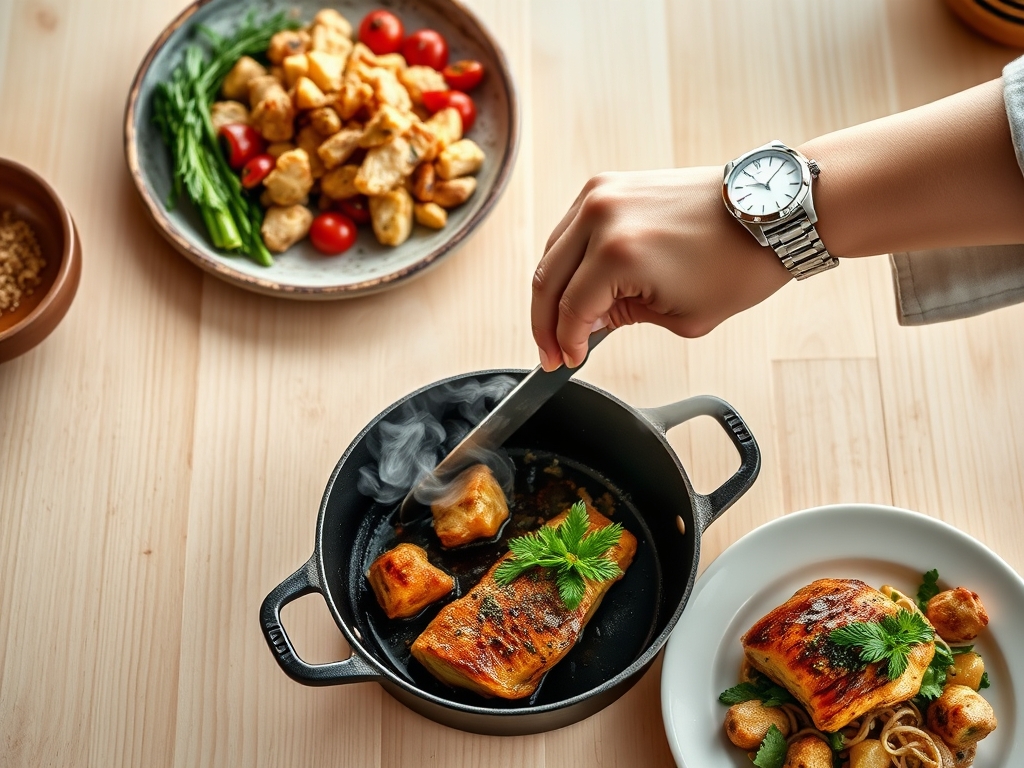
The Masterclass
1. The Sear and Render
Place the chicken skin-side down in the hot skillet. Do not move it. You are waiting for the fat to render and the skin to achieve a deep golden hue.
Pro Tip: This is the Maillard reaction in action. Moving the meat too early prevents the sugars and amino acids from bonding, which results in a gray, steamed texture rather than a crispy crust.
2. The Herb Infusion
Once you flip the chicken, toss in your woody herbs like rosemary and thyme along with a knob of butter. Use a large spoon to baste the foaming butter over the chicken.
Pro Tip: Fat is a flavor carrier. The heat of the butter extracts the fat-soluble flavor compounds from the herbs and distributes them evenly across the protein surface.
3. The Deglaze
After removing the chicken, the bottom of your pan will be covered in "fond," those delicious brown bits. Pour in a splash of dry white wine or chicken stock and scrape the pan with a wooden spoon.
Pro Tip: This process uses a solvent (liquid) to lift concentrated flavor molecules. It creates the base for a highly viscous and savory pan sauce.
4. The Emulsification
Reduce the heat and whisk in cold butter or a splash of heavy cream to the pan drippings. Use a saucier if you are making a large batch to ensure even whisking.
Pro Tip: This creates a stable emulsion. The cold temperature of the butter prevents the sauce from "breaking" or separating into a greasy mess.
5. The Rest
Transfer the chicken to a warm plate and let it sit for at least five to ten minutes before slicing.
Pro Tip: This allows for thermal carryover. The internal temperature will rise by about five degrees, and the muscle fibers will relax, allowing the juices to redistribute rather than spilling out onto the cutting board.
The Deep Dive
When we look at the macro nutrition of herb chicken recipes, we see a powerhouse of lean protein. A standard 6-ounce serving provides roughly 45 grams of protein with minimal carbohydrates, making it a staple for metabolic health. To keep it Keto, lean heavily into the butter-basting technique. For Vegan guests, these same herb-infusion techniques work beautifully on thick-cut cauliflower steaks or oyster mushrooms.
The Fix-It: Common Pitfalls
- The Soggy Skin: This happens if the pan isn't hot enough or if you crowd the skillet. Cook in batches to maintain high surface tension.
- Bitter Herbs: If you add delicate herbs like parsley or cilantro too early, they turn bitter and brown. Always add soft herbs at the very end as a garnish.
- The Rubber Texture: This is a sign of overcooking. Use a digital scale to ensure even portions and a meat thermometer to pull the chicken at 160 degrees Fahrenheit.
Meal Prep Science:
To maintain "day-one" quality when reheating, avoid the microwave. The microwave agitates water molecules, which can toughen the protein. Instead, reheat in a covered skillet with a tablespoon of water or stock over low heat. This creates a steam-chamber effect that rehydrates the fibers without overcooking the exterior.
The Wrap-Up
Mastering herb chicken recipes is your ticket to culinary confidence. By focusing on the science of the sear and the chemistry of aromatics, you transform a basic ingredient into something truly sophisticated. Remember, the kitchen is your laboratory. Don't be afraid to experiment with different herb combinations; maybe a sage and brown butter version for autumn or a tarragon and chive blend for spring. You have the tools, the techniques, and the technical know-how. Now, go turn that stove on and show that chicken who is boss.
The Kitchen Table
Why is my herb chicken always dry?
Dryness usually stems from overcooking or failing to rest the meat. Use a digital thermometer to pull the chicken at 160 degrees Fahrenheit and let it rest for five minutes to allow the juices to redistribute into the fibers.
Can I use dried herbs instead of fresh?
Yes, but use a one-to-three ratio since dried herbs are more concentrated. To maximize flavor, "bloom" dried herbs in hot oil or butter for thirty seconds before adding the chicken to release their fat-soluble aromatic compounds.
What is the best pan for searing chicken?
A heavy-bottomed stainless steel skillet or cast-iron pan is ideal. These materials have high heat retention, ensuring the pan temperature doesn't drop when the cold meat is added, which is essential for a proper Maillard reaction.
How do I get the skin extra crispy?
Pat the skin bone-dry with paper towels before seasoning. Moisture is the enemy of the sear; any surface water must evaporate before browning can begin, so starting with dry skin gives you a significant head start.