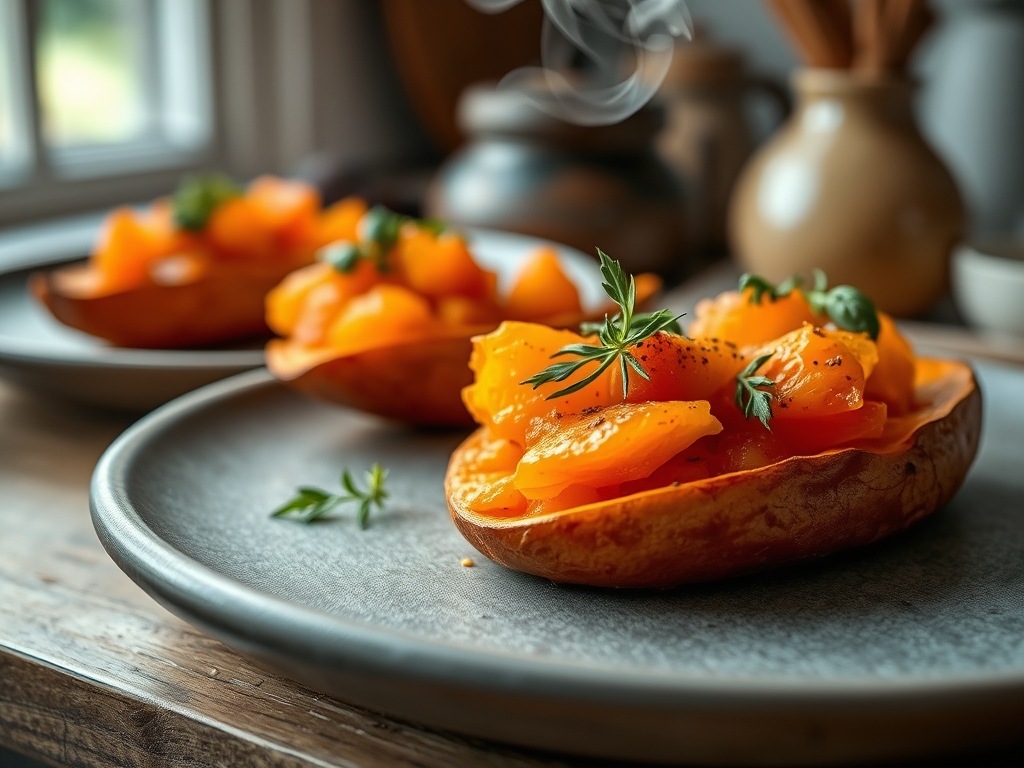
The kitchen smells like caramelized sugar and woodsmoke; a scent so intoxicating it feels like a warm hug from a Michelin chef. When you master fancy sweet potato recipes, you are not just roasting a tuber; you are orchestrating a complex chemical transformation of starches into liquid gold. This is dinner, elevated.
Forget the marshmallow topped casseroles of your childhood. We are talking about deep, earthy sweetness balanced by sharp acids and velvety fats. Sweet potatoes are a culinary blank canvas, but they require a bit of scientific finesse to move from "side dish" to "showstopper." Whether you are hosting a candlelit dinner or just want to treat yourself to a gourmet Tuesday, these seven hacks will redefine how you view the humble yam. We will use heat to manipulate the Maillard reaction, acids to brighten the dense flesh, and professional plating techniques to ensure your table looks like a high end editorial shoot. Grab your apron; it is time to turn these vibrant roots into high art.
The Gathers:
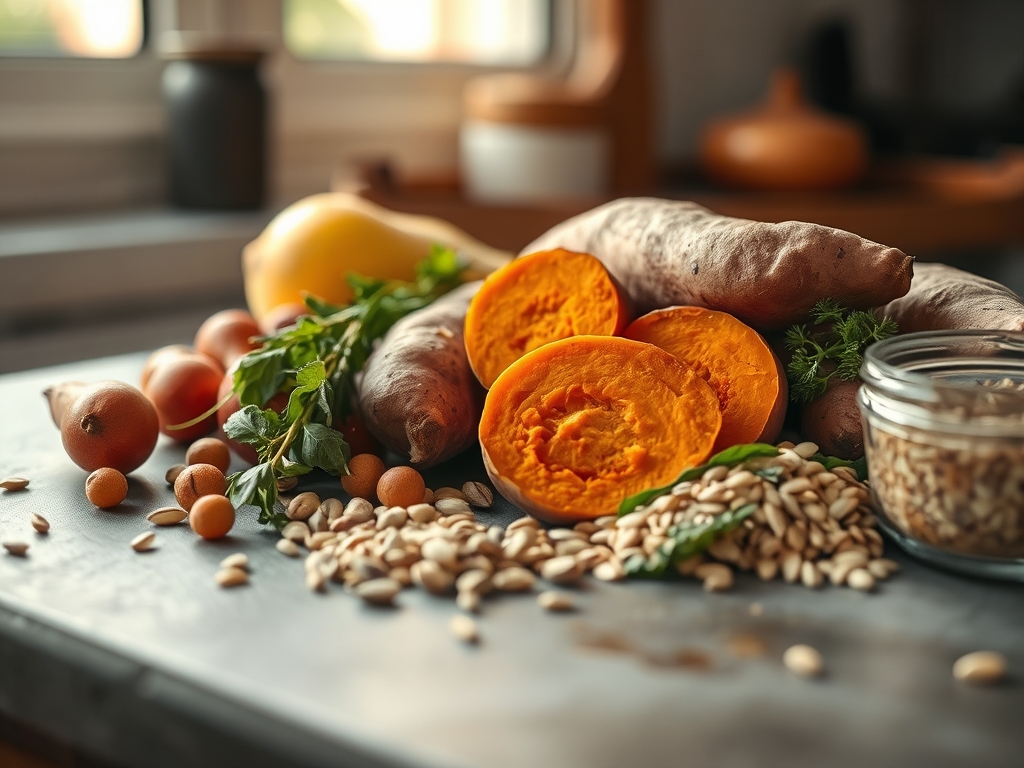
To execute these fancy sweet potato recipes with precision, your mise-en-place must be immaculate. Start with firm, unblemished Garnet or Jewel sweet potatoes. Their high moisture content and deep orange hue are essential for a viscous puree. You will also need high quality fats; think European style butter with a high butterfat percentage or a cold pressed extra virgin olive oil for a piquant finish.
For the aromatics, gather fresh thyme, rosemary, and whole cloves of garlic. We will use a microplane to zest citrus and grate hard cheeses like Pecorino Romano, which adds a salty, umami punch to the natural sugars. For the "Smart Substitutions," if you are avoiding dairy, a full fat coconut milk provides the necessary lipids to emulsify your sauces without losing that luxurious mouthfeel. If you lack maple syrup, a dark agave or a reduction of balsamic vinegar can provide that essential hit of acidity and sweetness. Ensure you have your digital scale ready; baking and roasting are games of precision.
The Clock:
Mastering the "Chef's Flow" is about overlapping tasks to minimize downtime. Total active prep time for these hacks is roughly 25 minutes, with a collective roasting time of 45 to 60 minutes.
The strategy is simple: start your long roasts first. While the oven heat works its magic on the complex carbohydrates, use that 45 minute window to prepare your garnishes, infuse your oils, and clean your station with a bench scraper. This ensures that when the potatoes emerge, perfectly tender and caramelized, you are ready to plate immediately. This prevents the "soggy center" syndrome caused by steam trapped inside a cooling potato. Precision timing is the difference between a soggy mess and a crisp, professional finish.
The Masterclass:
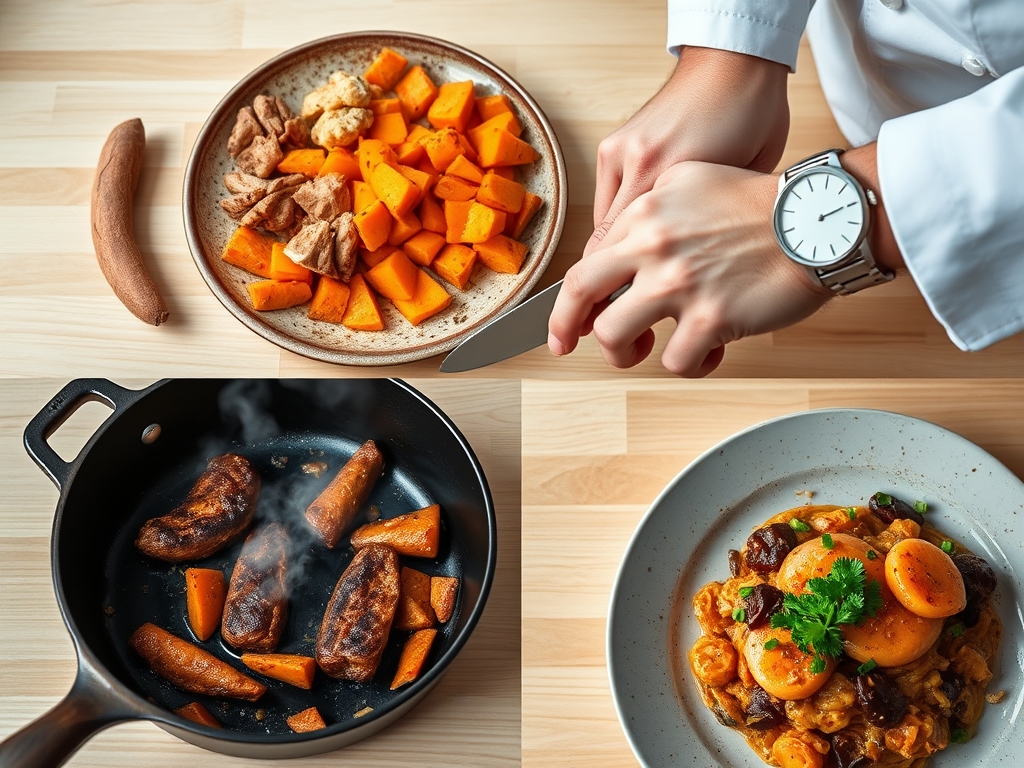
1. The Hasselback Precision Cut
Place your potato between two wooden spoons and slice thin rounds. The spoons act as a guard, preventing the knife from cutting all the way through. This creates maximum surface area for butter to render into every crevice.
Pro Tip: This technique utilizes increased surface area to accelerate the Maillard reaction. By exposing more of the interior flesh to direct heat, you create a rhythmic contrast between the crispy edges and the steamed, soft interior.
2. The Salt Crust Cure
Bake your potatoes on a thick bed of kosher salt. This draws out excess moisture from the skin, concentrating the natural sugars and creating a skin that is crackly and savory.
Pro Tip: This is an application of osmosis. The salt environment pulls water vapor away from the surface, preventing the skin from becoming leathery while the interior undergoes starch gelatinization at a faster rate.
3. The Brown Butter Aeration
Whip your sweet potato mash using a saucier and a whisk while slowly drizzling in browned butter (beurre noisette). The goal is to incorporate air for a cloud-like texture.
Pro Tip: Use a whisk to aerate the mixture. The milk solids in the brown butter provide a nutty depth, while the air bubbles create a lighter density that prevents the dish from feeling too heavy on the palate.
4. The Acidic Deglaze
After roasting cubes of sweet potato in a heavy-bottomed skillet, splash the pan with a bit of sherry vinegar or white wine. Scrape up the browned bits (the fond) to coat the potatoes.
Pro Tip: This process is called deglazing. The acid cuts through the dense sweetness of the potato, providing a "high note" that balances the earthy base flavors and cleanses the palate between bites.
5. The Miso Glaze Infusion
Whisk white miso paste with a touch of honey and brush it over halved potatoes during the last ten minutes of roasting. The fermented soy adds a deep savory note.
Pro Tip: Miso is rich in enzymes and amino acids. When heated, these compounds interact with the potato's sugars to create a complex, savory-sweet profile that is far more sophisticated than sugar alone.
6. The Cold Start Roast
Instead of preheating your oven to the max, start the potatoes in a cold oven and then turn it on. This allows the internal temperature to rise slowly.
Pro Tip: This maximizes amylase activity. Amylase is the enzyme that converts starch into maltose sugar. By spending more time in the 135 to 170 degree Fahrenheit range, the potato becomes naturally much sweeter.
7. The Microplane Finishing Touch
Never underestimate the power of a fresh garnish. Use a microplane to shower your finished dish with lime zest, fresh nutmeg, or even a bit of cured egg yolk.
Pro Tip: Volatile aromatics in citrus zest are released the moment the skin is broken. Adding these at the very end ensures the scent reaches the diner's nose before the first bite, enhancing the overall flavor perception.
The Deep Dive:
When we look at the macro nutrition, sweet potatoes are a powerhouse of Vitamin A and fiber. However, for those on specific paths, the "Dietary Swaps" are easy. For Keto, keep portions small and pair with high protein fats like steak or salmon. For Vegan diners, replace butter with a high quality avocado oil or cashew cream to maintain that viscous texture.
"The Fix-It" guide for common pitfalls:
- The Soggy Bottom: If your potatoes are mushy, you likely overcrowded the pan. Steam got trapped. Fix: Spread them out on a preheated baking sheet for an extra five minutes at high heat.
- The Bitter Burn: If your glaze turned black, the sugar content was too high for the heat. Fix: Brush on a little warm water or broth to dissolve the bitter carbon and re-glaze at a lower temp.
- The Grainy Puree: This happens if the potatoes cooled too much before mashing. Fix: Pass the mixture through a fine mesh sieve or chinois to break down the starch clumps manually.
For Meal Prep, the secret to "day-one" quality is the reheating science. Never use a microwave; it turns the cell structure into rubber. Instead, use a toaster oven or an air fryer. The circulating hot air re-crisps the exterior while gently warming the center, maintaining the structural integrity of your fancy sweet potato recipes.
The Wrap-Up:
You are now officially armed with the technical prowess to turn a simple root vegetable into a culinary masterpiece. By understanding the chemistry of heat, the balance of acidity, and the importance of professional tools like the saucier and microplane, you have moved beyond basic cooking. These seven hacks are not just recipes; they are tools for your creative kit. Go ahead and experiment with those textures and flavors. Your dinner table is about to get a whole lot more sophisticated, and I cannot wait to hear about your kitchen triumphs.
The Kitchen Table:
How do I keep sweet potatoes from getting mushy?
Avoid overcrowding the roasting pan. Ensure there is at least an inch of space between each piece to allow steam to escape. This allows the edges to crisp through the Maillard reaction rather than steaming in their own moisture.
What is the best way to store leftovers?
Store them in an airtight glass container for up to four days. To reheat, use an oven or air fryer at 350 degrees Fahrenheit. This preserves the texture and prevents the starches from becoming unpleasantly gummy or tough.
Can I use these hacks for regular potatoes?
Absolutely. While the sugar content differs, the physics of the Hasselback cut, the salt crust, and the acidic deglaze apply perfectly to Yukon Golds or Russets. Just adjust your roasting times as white potatoes often cook slightly faster.
Why use a microplane for the garnishes?
A microplane creates a much finer shave than a standard grater. This increases the surface area of the garnish, allowing the volatile oils and aromas to release instantly, which significantly enhances the sensory experience of the dish.