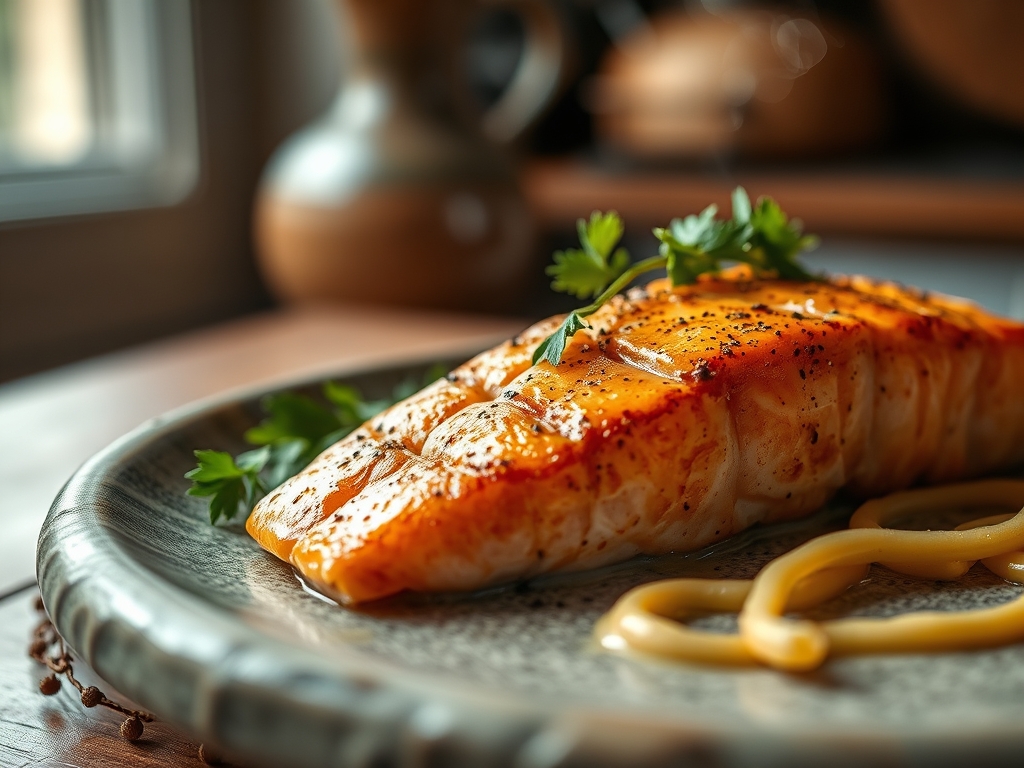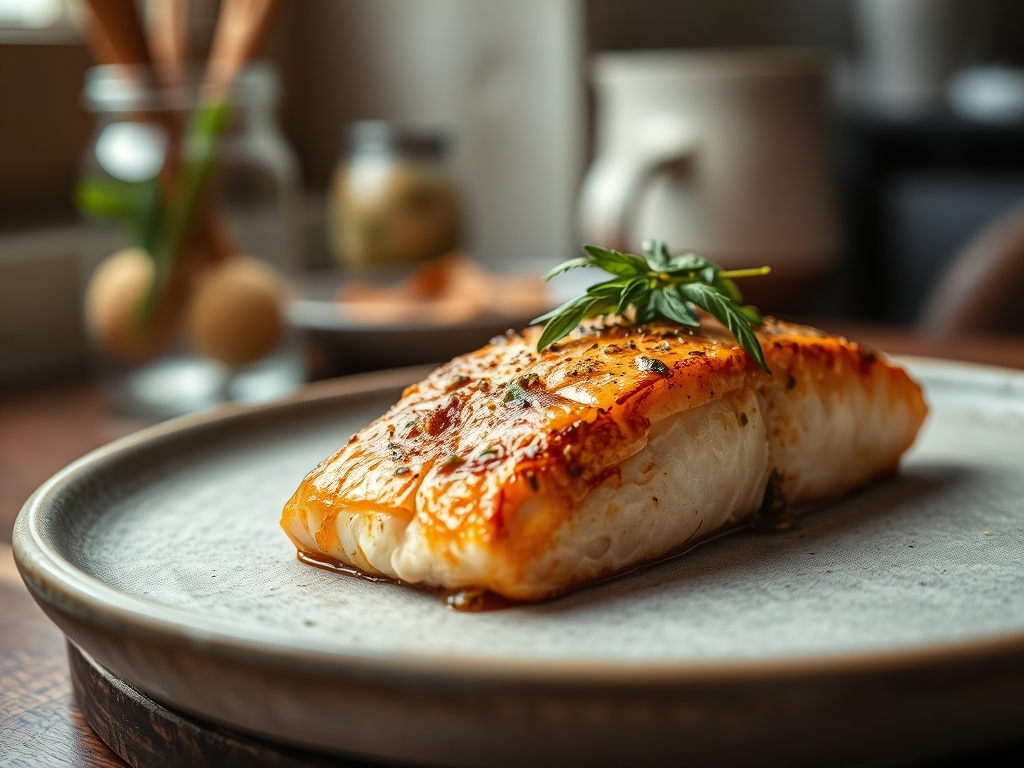
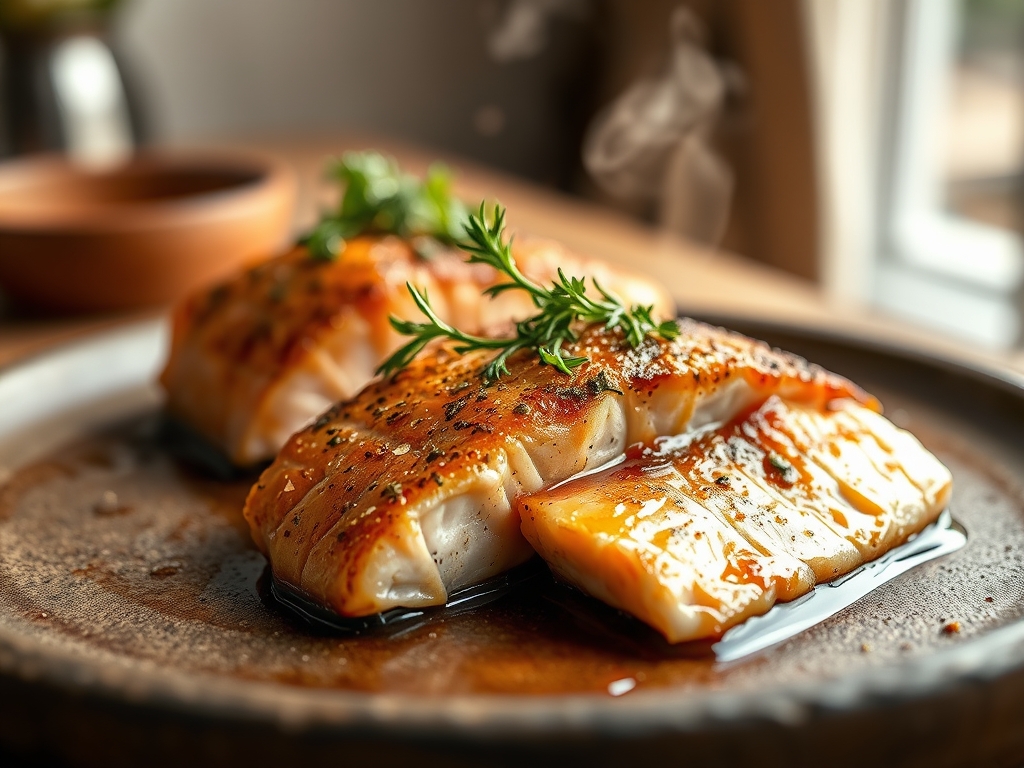
Imagine a kitchen filled with the scent of sizzling butter and bright citrus; it is a sensory profile designed specifically to convert the skeptics. Finding salmon recipes for salmon haters is less about hiding the fish and more about mastering the chemical transition from oceanic to buttery. Most people who claim to dislike this pink protein are actually reacting to poor temperature control or oxidative rancidity. When salmon is overcooked, the muscle fibers contract and squeeze out albumin; that unsightly white protein that looks like curd. This results in a dry, metallic flavor profile. By utilizing high-impact aromatics and precise thermal application, we can transform a standard fillet into a succulent masterpiece that even the most stubborn palate will adore. We are moving beyond the basic lemon slice; we are talking about glaze-driven caramelization and texture-forward crusts. Whether you are craving a crunchy panko topping or a silky honey-garlic reduction, these nine variations focus on neutralizing "fishiness" through acidity and Maillard-driven sweetness. Let us redefine your relationship with the sea, one perfectly seared bite at a time.
The Gathers:
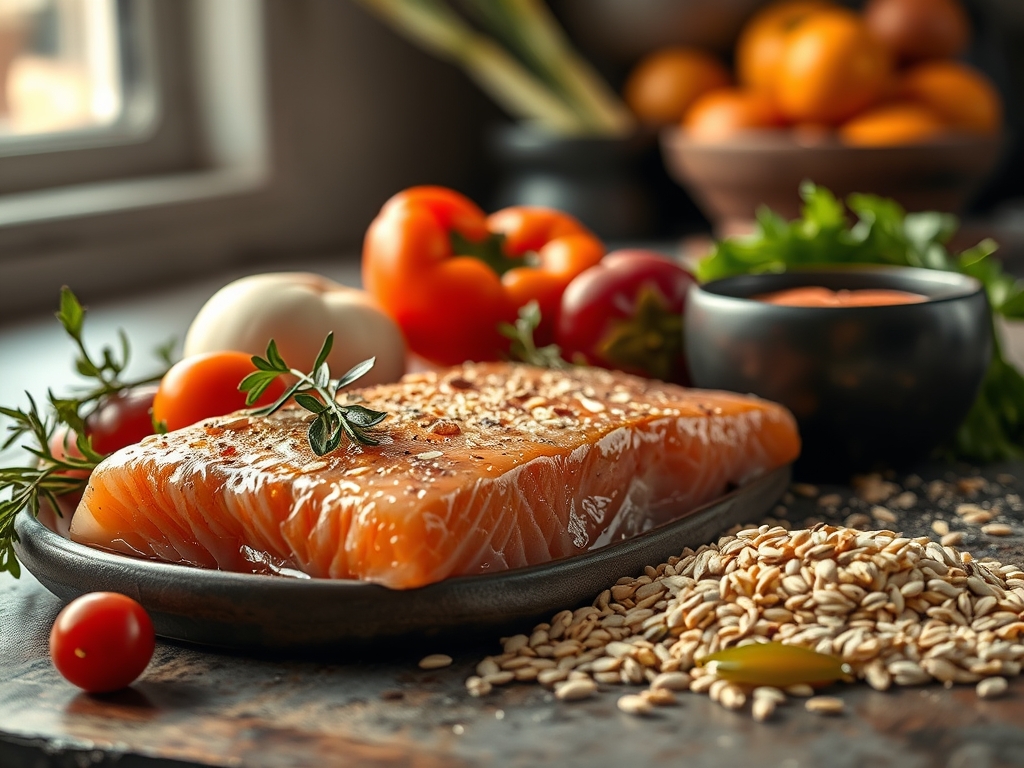
To achieve a restaurant-grade result, your mise-en-place must be intentional. Start with sushi-grade Atlantic or King salmon; these varieties have a higher fat content, which provides a more forgiving window during the cooking process. You will need a heavy-bottomed skillet, preferably cast iron or stainless steel, to ensure even heat distribution. For the aromatics, gather fresh ginger, garlic cloves, and a variety of citrus. Use a microplane to zest your lemons and limes; this allows you to harvest the essential oils in the flavedo without hitting the bitter white pith.
For the "haters," the secret lies in the viscous nature of the glazes. You will need high-quality honey or maple syrup to facilitate enzymatic browning. To balance the lipids, keep a bottle of rice vinegar or dry white wine nearby to deglaze the pan. Smart Substitutions: If you are sensitive to the richness of salmon, swap half the butter for avocado oil, which has a higher smoke point of 520 degrees Fahrenheit. If you lack fresh herbs, use a 1:3 ratio of dried herbs to fresh, but ensure you bloom them in the fat first to infuse the oil with their fat-soluble flavor compounds.
The Clock
Efficiency in the kitchen is about Chef's Flow. This is the art of overlapping tasks so that no heat is wasted. Prep time for these dishes averages 15 minutes, primarily focused on patting the fish bone-dry and whisking your emulsions. The cook time is remarkably short; usually 6 to 10 minutes total.
The flow begins with tempering. Never pull salmon directly from the refrigerator and drop it into a hot pan; the thermal shock causes the exterior to toughen before the interior reaches a safe temperature. Allow the fillets to sit at room temperature for 15 minutes. While the fish tempers, prepare your side dishes and whisk your sauces in a saucier. By the time your skillet reaches the shimmering point, your prep should be entirely cleared, leaving you free to focus solely on the delicate protein denaturation happening in the pan.
The Masterclass
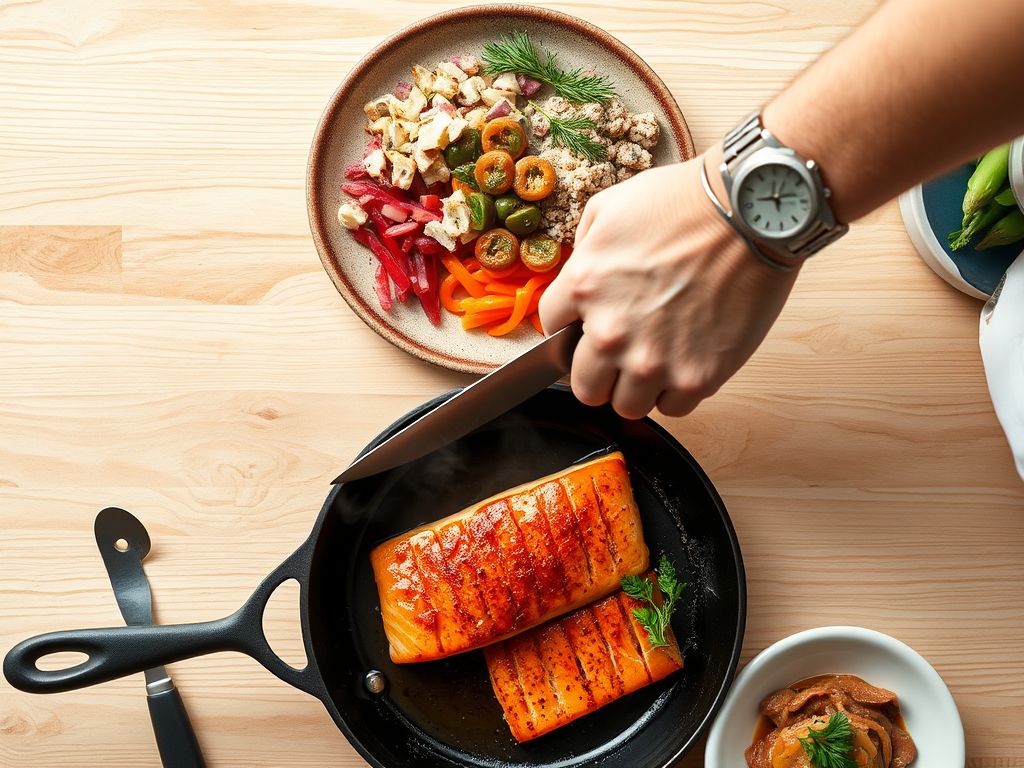
1. The Ultimate Sear
Pat the salmon skin with a paper towel until it is parchment-dry. Season aggressively with kosher salt. Heat your skillet until the oil ripples. Place the salmon skin-side down and press firmly with a fish spatula for 30 seconds to prevent the skin from curling.
Pro Tip: This initial pressure ensures maximum contact for the Maillard reaction. By keeping the skin-side down for 80 percent of the cooking time, you create a thermal barrier that protects the delicate flesh from toughening.
2. The Honey-Garlic Glaze
Once the fish is flipped, add minced garlic and honey to the pan. Use a spoon to baste the hot, bubbling liquid over the top of the fillets.
Pro Tip: Honey contains fructose and glucose, which caramelize at lower temperatures than sucrose. This creates a deeply savory-sweet crust that masks any residual "oceanic" notes, a key strategy for salmon recipes for salmon haters.
3. The Panko-Dijon Crust
Slather the top of a raw fillet with a thin layer of Dijon mustard, then press it into a mixture of panko breadcrumbs and lemon zest. Bake at 400 degrees Fahrenheit.
Pro Tip: The mustard acts as an emulsifier and a flavor bridge. The acidity in the mustard cuts through the fat of the salmon, while the panko provides a textural contrast that distracts from the soft flakiness of the fish.
4. The Miso-Ginger Infusion
Whisk white miso paste with a splash of mirin and grated ginger. Marinate the salmon for at least 30 minutes before broiling.
Pro Tip: Miso is rich in glutamates, which provide an intense umami punch. This chemical profile mimics the savory depth of red meat, making it much more approachable for those who usually prefer steak over seafood.
5. The Parchment Steam (En Papillote)
Fold the salmon into a parchment paper pouch with thinly sliced fennel, leeks, and a pat of butter. Bake until the pouch puffs up.
Pro Tip: This method uses conductive steam to cook the fish. Because the moisture is trapped, the salmon cannot exceed 212 degrees Fahrenheit, virtually eliminating the risk of overcooking and the release of albumin.
6. The Blackened Spice Rub
Coat the fish in a heavy layer of smoked paprika, onion powder, and cayenne. Sear in a screaming-hot dry skillet.
Pro Tip: The spices create a "char" that is actually a complex layer of toasted aromatics. This high-heat method renders the subcutaneous fat quickly, resulting in a crisp exterior and a succulent interior.
7. The Creamy Dill Reduction
After searing the salmon, remove it from the pan and add heavy cream, fresh dill, and capers. Simmer until the sauce is viscous enough to coat the back of a spoon.
Pro Tip: The fat in the cream binds to the flavor compounds in the dill. This creates a coating that lingers on the tongue, smoothing out the sharp edges of the fish's natural flavor.
8. The Citrus Deglaze
Use a combination of orange and lime juice to deglaze the pan after cooking. Whisk in cold butter cubes at the very end to create a beurre blanc.
Pro Tip: This is called mounting with butter (monter au beurre). The cold butter creates a stable emulsion that provides a velvety mouthfeel, neutralizing the perceived "oiliness" of the salmon.
9. The Cold-Poach Technique
Submerge the salmon in a liquid of aromatics and white wine. Bring it to a bare simmer, then turn off the heat and let it sit.
Pro Tip: This is the gentlest form of heat transfer. It prevents the muscle fibers from snapping shut, resulting in a texture that is more like custard than traditional cooked fish.
The Deep Dive
From a nutritional standpoint, salmon is a powerhouse of Omega-3 fatty acids (EPA and DHA), which are essential for cognitive function. A standard 6-ounce fillet provides roughly 34 grams of high-quality protein. For those on specific diets:
- Keto: Focus on the butter-based reductions and avoid honey glazes.
- Vegan/Vegetarian: While this guide is fish-centric, the miso-ginger and panko-dijon techniques work beautifully on firm tofu or "banana blossom" steaks.
- Gluten-Free: Swap panko for crushed pork rinds or almond flour to maintain that essential crunch.
The Fix-It:
- White Gunk (Albumin): If you see this, your heat is too high. Reduce the flame immediately. It is safe to eat but indicates the fish is drying out.
- Sticking to the Pan: You likely tried to flip the fish too early. Protein undergoes kinetic release; when the sear is perfect, the fish will naturally detach from the metal.
- Fishy Odor: This is caused by Trimethylamine (TMA). Neutralize it by soaking the raw fillets in milk for 10 minutes before cooking; the casein in milk binds to the TMA and carries it away.
Meal Prep Science: To reheat without losing quality, avoid the microwave. Use a toaster oven at 275 degrees Fahrenheit with a splash of water covered in foil. This creates a mini-steam chamber that restores moisture to the lamellae (the layers of fish flesh).
The Wrap-Up
Mastering salmon recipes for salmon haters is about shifting your perspective from "cooking fish" to "managing heat and acid." By utilizing tools like the microplane and fish spatula, and understanding the Maillard reaction, you turn a polarizing ingredient into a culinary staple. Cooking is chemistry you can eat; once you control the variables of temperature and emulsion, the results are consistently delicious. Now, grab your heavy-bottomed skillet and start searing!
The Kitchen Table
How do I stop salmon from smelling "fishy"?
Soak the raw fillets in milk for ten minutes. The protein casein binds to trimethylamine, the compound responsible for the odor. Rinse and pat dry before cooking to ensure a perfect, scent-free sear every single time.
What is the best temperature for cooked salmon?
For the best texture, aim for an internal temperature of 125 to 130 degrees Fahrenheit. This is considered medium-rare to medium. Use a digital thermometer to ensure the center remains succulent rather than dry and chalky.
Why does my salmon always stick to the pan?
The pan or the oil was not hot enough, or the fish was too damp. Always pat the skin dry and wait for the oil to shimmer. The fish will naturally release once the Maillard reaction is complete.
Can I use frozen salmon for these recipes?
Yes, but thaw it completely in the refrigerator first. Pat it exceptionally dry with paper towels to remove excess moisture. Frozen fish often has more surface water, which can prevent the exterior from becoming properly crisp.