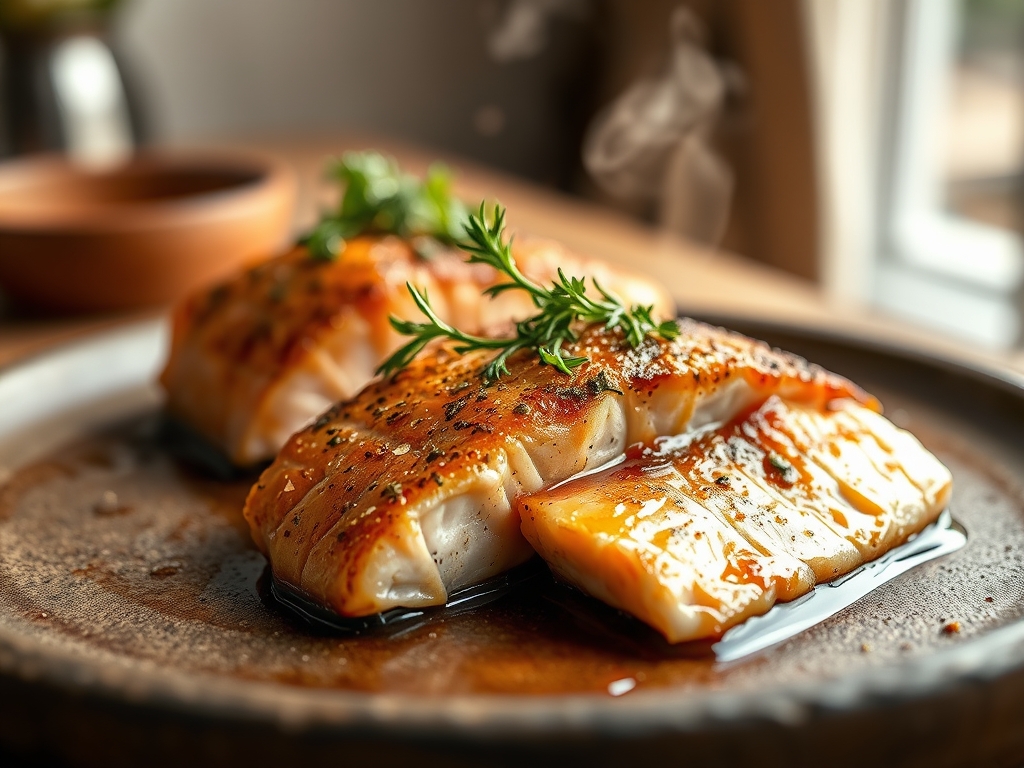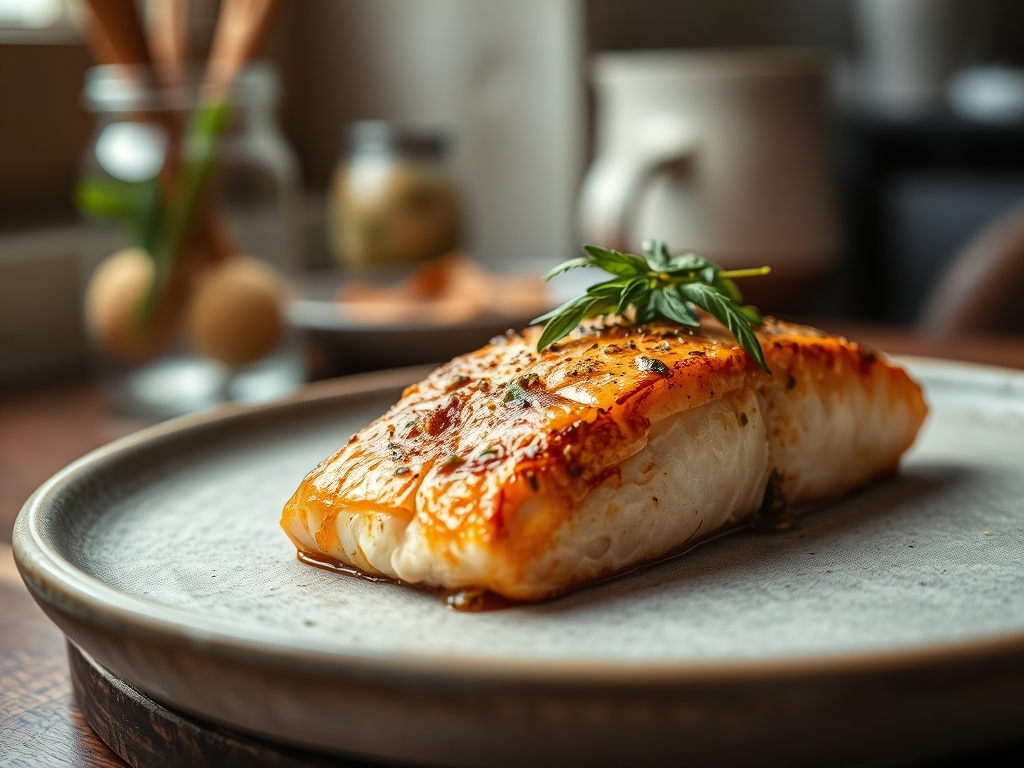
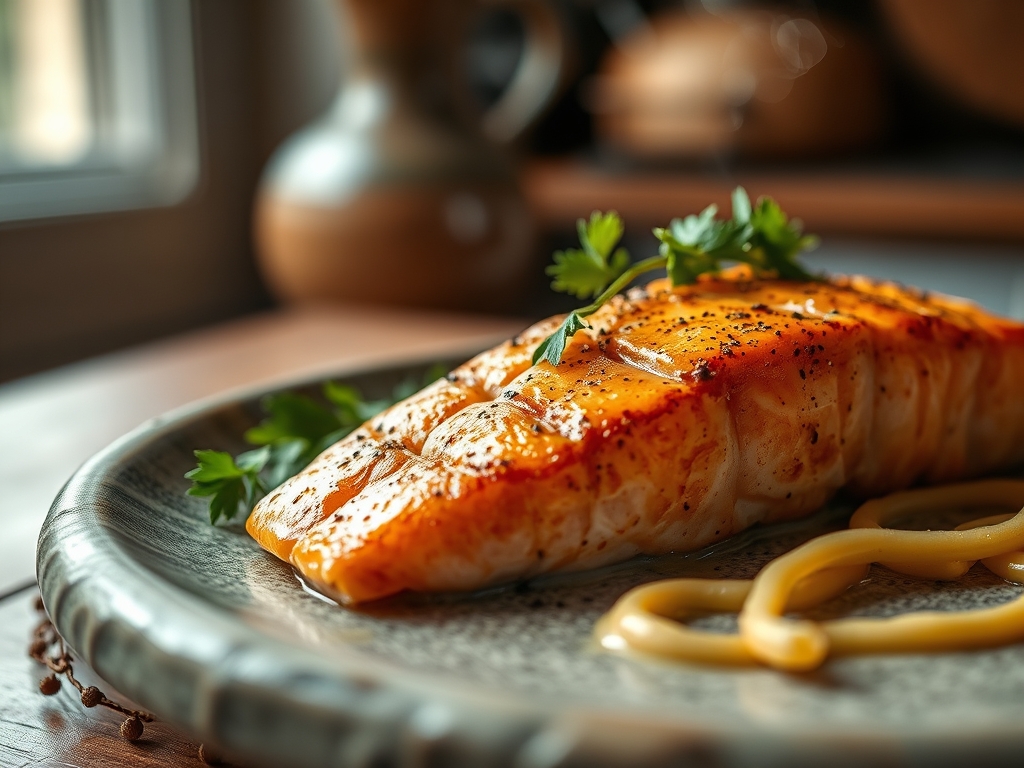
Imagine the sound of a heavy blade slicing through a chilled, fatty fillet; it is a clean, rhythmic thud that promises a perfect meal. There is a specific magic that happens when you master skin on salmon recipes oven techniques. We are talking about that glass-shattering crunch that gives way to a buttery, translucent center. Most people settle for soggy, grey skin that peels away like wet paper, but you are not most people. You are here for the high-frequency sizzle and the deep, amber caramelization that turns a simple dinner into a culinary event. We are going to dive deep into the molecular mechanics of heat transfer to ensure your kitchen smells like a five-star bistro.
The secret to a restaurant-quality finish lies in how we manipulate moisture and protein structure before the heat even touches the pan. By understanding the relationship between surface tension and thermal conductivity, you can transform a standard piece of fish into a masterpiece of texture. We will be using professional-grade tools to ensure precision, because in the world of high-heat roasting, every millimeter of thickness and every degree of temperature counts. Grab your apron and your favorite sharp knife; it is time to turn the oven into your most powerful tool for achieving the ultimate crispy skin.
The Gathers:
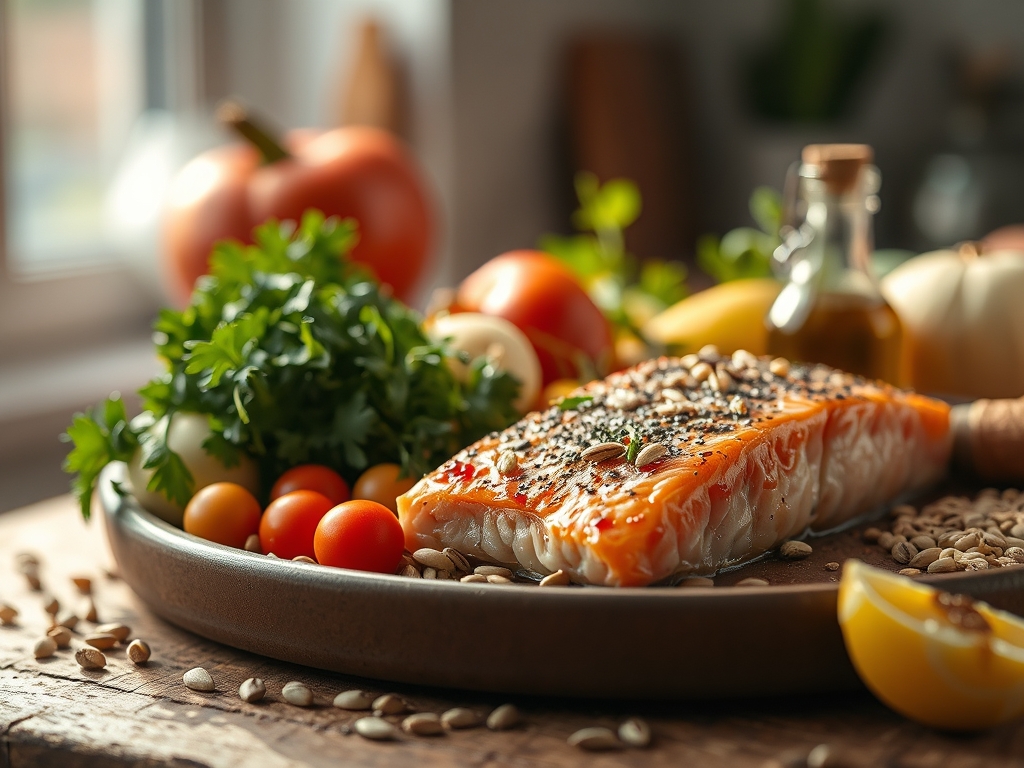
To achieve the perfect render, your mise-en-place must be meticulous. Start with high-quality, center-cut fillets. Look for vibrant color and a firm, viscous texture. You will need a digital scale to ensure uniform portioning, which is the first step toward consistent cooking. Gather fine sea salt for its ability to draw out moisture through osmosis, and a high-smoke-point oil like avocado or grapeseed. Avoid extra virgin olive oil for this specific task; its low smoke point will result in a piquant bitterness rather than a clean sear.
Smart Substitutions:
If you are out of avocado oil, ghee is a brilliant alternative because its milk solids have been removed, allowing for high-heat stability and a nutty aroma. For a citrusy brightness without the acidity that can "cook" the fish prematurely, use a microplane to zest fresh lemon directly over the finished product rather than marinating it. If you want an earthy depth, a light dusting of smoked paprika can mimic the flavor of a wood-fired grill without the need for charcoal.
The Clock
Efficiency in the kitchen is about the Chef's Flow, a state where your movements are deliberate and your timing is synchronized. Your prep time should take no more than 10 minutes. This includes the crucial "drying phase" where the fish sits at room temperature to take the chill off. The actual cook time in a high-convection oven is approximately 12 to 15 minutes, depending on the thickness of the fillet.
The flow is simple: Preheat the oven and your roasting pan simultaneously. While the steel absorbs thermal energy, you prepare the fish. By the time the oven chime rings, your salmon should be seasoned and ready for the immediate conductive heat of the hot pan. This overlap ensures that the skin starts rendering the moment it touches the surface, saving you precious minutes and guaranteeing a better crust.
The Masterclass
1. The Desiccation Ritual
Use a heavy-duty paper towel to press firmly onto the skin. You want to remove every molecule of surface moisture. Moisture is the enemy of the Maillard reaction; if the skin is wet, it will steam rather than fry. Use a bench scraper to gently squeegee the skin side to push out deep-seated water.
Pro Tip: This process is known as surface desiccation. By removing water, you allow the heat to immediately begin breaking down the collagen in the skin into gelatin, which then dehydrates into a crispy lattice.
2. The Score and Salt
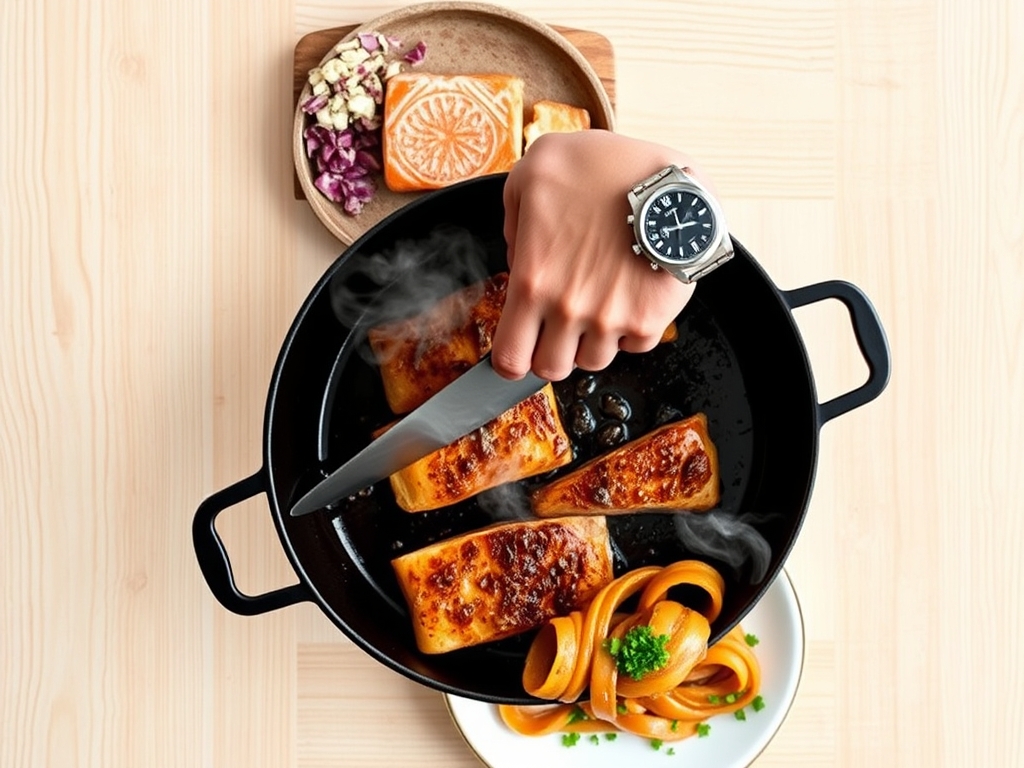
Using a very sharp knife, make shallow, diagonal scores across the skin. Do not cut into the flesh. Sprinkle salt from a height to ensure even distribution. The salt will draw out remaining moisture which you should pat dry one last time.
Pro Tip: Scoring prevents the skin from curling as the proteins contract. This ensures maximum surface area contact with the heat source, leading to an even, golden-brown finish across the entire fillet.
3. The Oil Barrier
Apply a thin, even layer of oil to the skin, not the pan. This creates a direct thermal bridge between the heat and the fish. Use your fingers to massage the oil into the scores you created.
Pro Tip: Applying oil directly to the protein creates a protective barrier that prevents the delicate flesh from sticking to the metal fibers of your pan through a process called molecular bonding.
4. The Pre-Heated Plunge
Place your heavy-bottomed skillet or sheet pan in a 425 degree Fahrenheit oven for at least 10 minutes. Carefully remove it and place the salmon skin-side down. You should hear an immediate, aggressive hiss.
Pro Tip: This is thermal shock. By introducing the cold fish to a pre-heated surface, you trigger an instant sear that locks in the internal juices while the exterior begins to crisp.
5. The Weight Press
For the first two minutes of roasting, use a heavy, heat-safe spatula or a second smaller pan to press down on the fillets. This forces the skin to stay flat against the hot metal.
Pro Tip: This technique counters the natural "shrivel" of fish proteins. By maintaining flat contact, you ensure that the fat renders out evenly, essentially deep-frying the skin in its own natural oils.
6. The Carryover Rest
Remove the salmon when the internal temperature hits 125 degrees Fahrenheit for a medium-rare finish. Use tongs to transfer the fish to a wire rack, not a flat plate.
Pro Tip: This utilizes thermal carryover. The internal temperature will continue to rise by 5 degrees while resting. The wire rack allows air to circulate, preventing steam from softening that hard-earned crispy skin.
The Deep Dive
From a nutritional standpoint, skin-on salmon is a powerhouse. The skin contains the highest concentration of Omega-3 fatty acids and collagen. A standard 6-ounce fillet provides roughly 34 grams of protein and 18 grams of healthy fats. For those on a Keto or Paleo path, this is a gold-standard meal. If you are looking for a Vegan alternative, king oyster mushroom "scallops" can be prepared using similar scoring and searing techniques to mimic the texture.
The Fix-It:
- Skin sticking to the pan: This usually means the pan wasn't hot enough or you tried to flip it too early. Wait for the proteins to naturally release.
- Albumin (white gunk) leaking out: This is a sign of overcooking or too much heat too fast. Lower the oven temp slightly next time.
- Soggy skin after cooking: You likely rested the fish on a flat surface where steam collected. Always use a cooling rack.
Meal Prep:
To reheat while maintaining the crunch, avoid the microwave at all costs. Use an air fryer at 350 degrees for 3 to 4 minutes. The rapid air circulation will re-aerate the fat in the skin, bringing back that "day-one" snap.
The Wrap-Up
Mastering skin on salmon recipes oven style is about more than just a recipe; it is about understanding the physics of your kitchen. When you hear that distinct crackle under your fork, you will know the science worked. This dish is elegant, efficient, and incredibly satisfying. Now that you have the hacks, go forth and sear with confidence. Your dinner guests will think you have a secret culinary degree, and honestly, with these techniques, you basically do.
The Kitchen Table
How do I stop salmon skin from being rubbery?
Ensure the skin is bone-dry before cooking. Use a paper towel to press out moisture and salt the skin to draw out deep water. High, dry heat is essential to turn collagen into a crispy texture.
Should I cook salmon skin side up or down?
Always start skin side down on a pre-heated surface. This allows the fat to render and the skin to crisp in its own oils, protecting the delicate flesh from drying out during the roasting process.
What is the best oven temperature for crispy salmon?
A temperature of 425 to 450 degrees Fahrenheit is ideal. This high heat triggers the Maillard reaction quickly, ensuring the skin becomes crunchy before the internal flesh becomes overcooked and dry.
Do I need to flip the salmon in the oven?
No flipping is necessary if you use a pre-heated heavy pan. The conductive heat from the bottom crisps the skin, while the ambient oven heat gently cooks the top, resulting in a perfect gradient of texture.