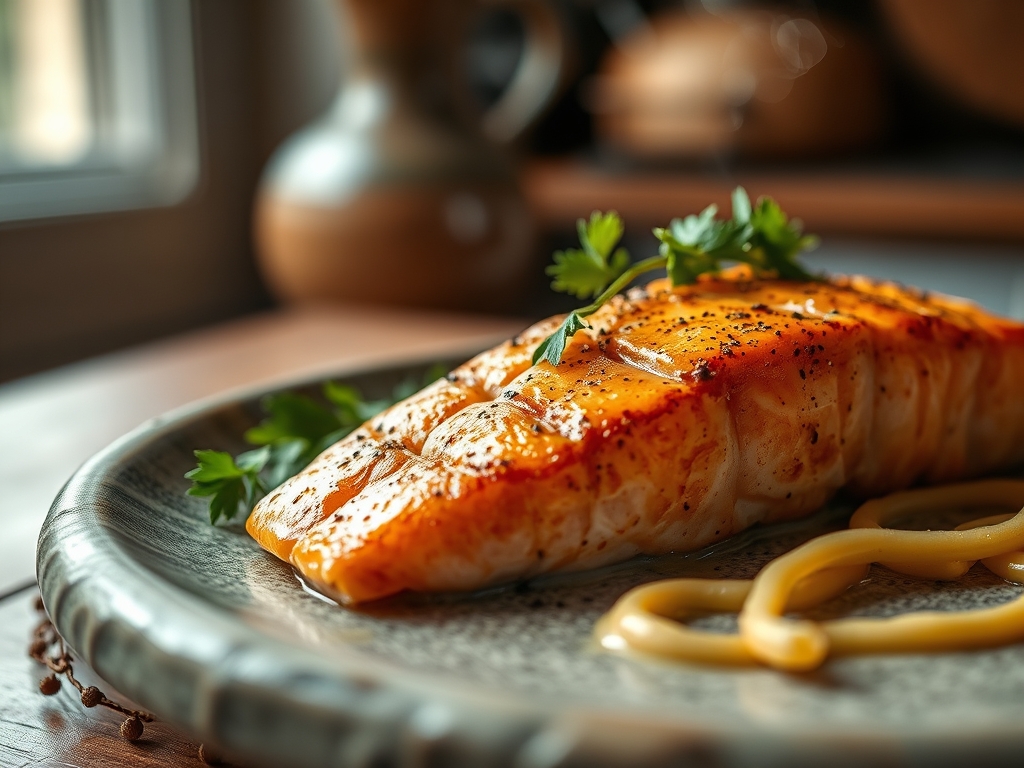
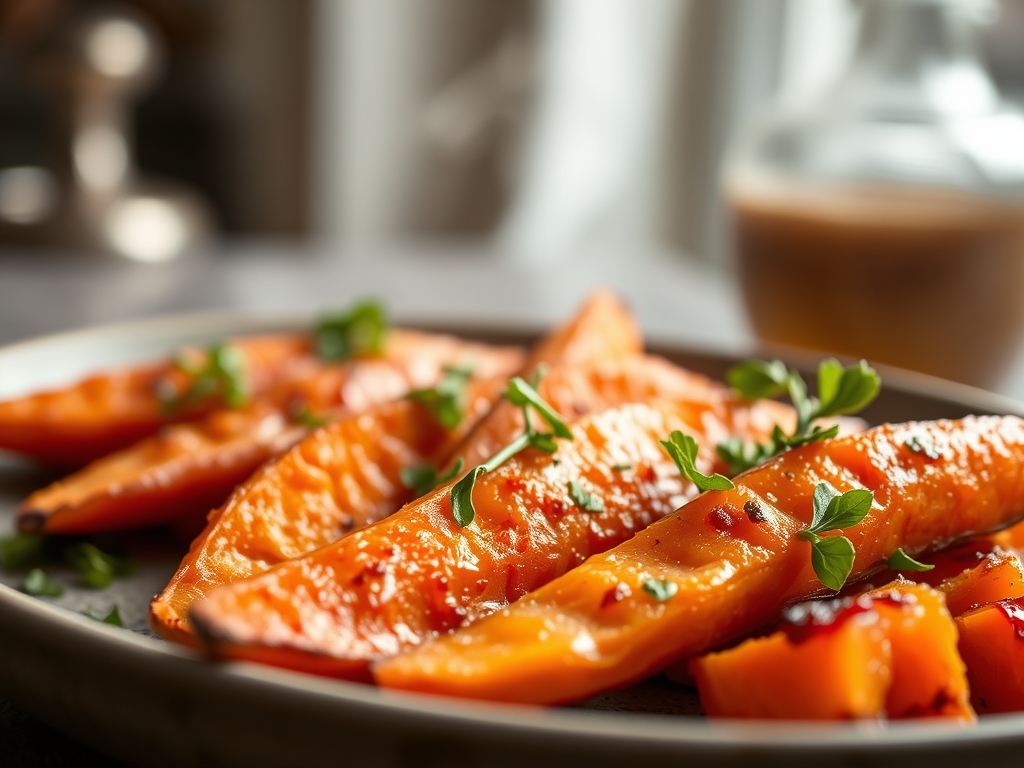
Imagine the kitchen as the afternoon sun hits the counter; it is filled with the scent of caramelizing sugars and earthy tubers. When you dive into honey roasted sweet potato recipes, you are not just making a side dish; you are orchestrating a complex chemical transformation that turns a humble root into a candy-like masterpiece. The goal is a delicate balance of textures: a glass-shattering exterior that yields to a crumbly, custard-like center. Most people settle for mushy cubes, but you are here for the science of the crunch. We are going to leverage the Maillard reaction and the viscous nature of wildflower honey to create a glaze that clings rather than slides. It is about understanding how heat interacts with starch and how a tiny pinch of salt can amplify the perceived sweetness of the sugars. Grab your favorite heavy-bottomed sheet pan and let us get into the grit of why some potatoes sing while others just sit there. This is your definitive guide to mastering the golden, sticky, and deeply savory world of the perfect roast.
The Gathers:
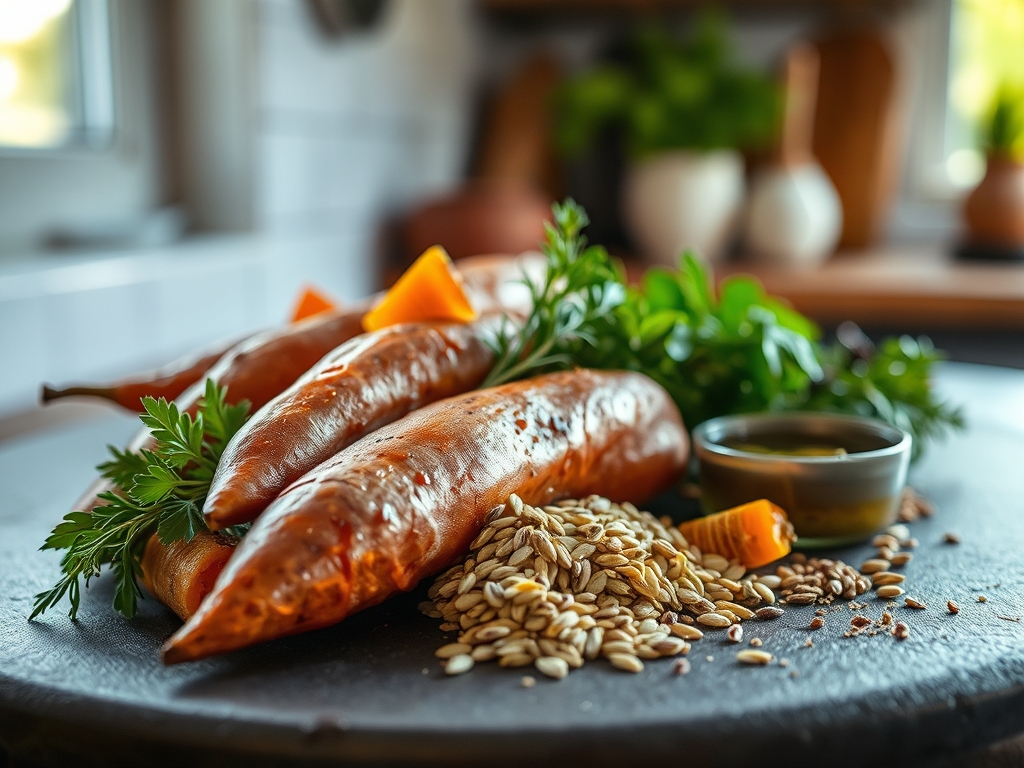
To begin, you need to assemble your mise-en-place with the precision of a chemist. Start with three pounds of Garnet or Jewel sweet potatoes; these varieties possess the high moisture content necessary for a creamy interior. You will need a high-quality fat, preferably clarified butter or avocado oil, which provides a high smoke point to prevent acrid flavors during the long roast. For the glaze, select a raw, viscous honey to ensure the sugars do not burn off too quickly. You will also need kosher salt for its jagged crystal structure, cracked black pepper for a piquant bite, and fresh rosemary to infuse the oil with woodsy aromatics.
Smart Substitutions: If you are looking for a different profile, swap the honey for dark maple syrup to introduce vanillin notes. For the fat, duck fat is the ultimate professional secret; it renders beautifully and adds an unmatched savory depth. If you lack fresh herbs, a teaspoon of smoked paprika can provide a deep, earthy "red" flavor that mimics the complexity of a wood-fired oven. Use a digital scale to ensure your potato chunks are uniform, as consistency in mass leads to consistency in thermal absorption.
The Clock:
The "Chef's Flow" is all about timing your movements to maximize efficiency. Your total active prep time is exactly fifteen minutes, followed by a forty-minute roast. Start by preheating your oven to 425 degrees Fahrenheit. While the air in the oven begins to circulate, you will peel and chop. The goal is to have the potatoes hitting the hot pan just as the oven reaches its peak temperature. This prevents the potatoes from sitting in their own released moisture, which would lead to steaming rather than roasting. Always allow for a five-minute "rest" period after the potatoes leave the oven; this allows the sugars to set and the internal steam to redistribute.
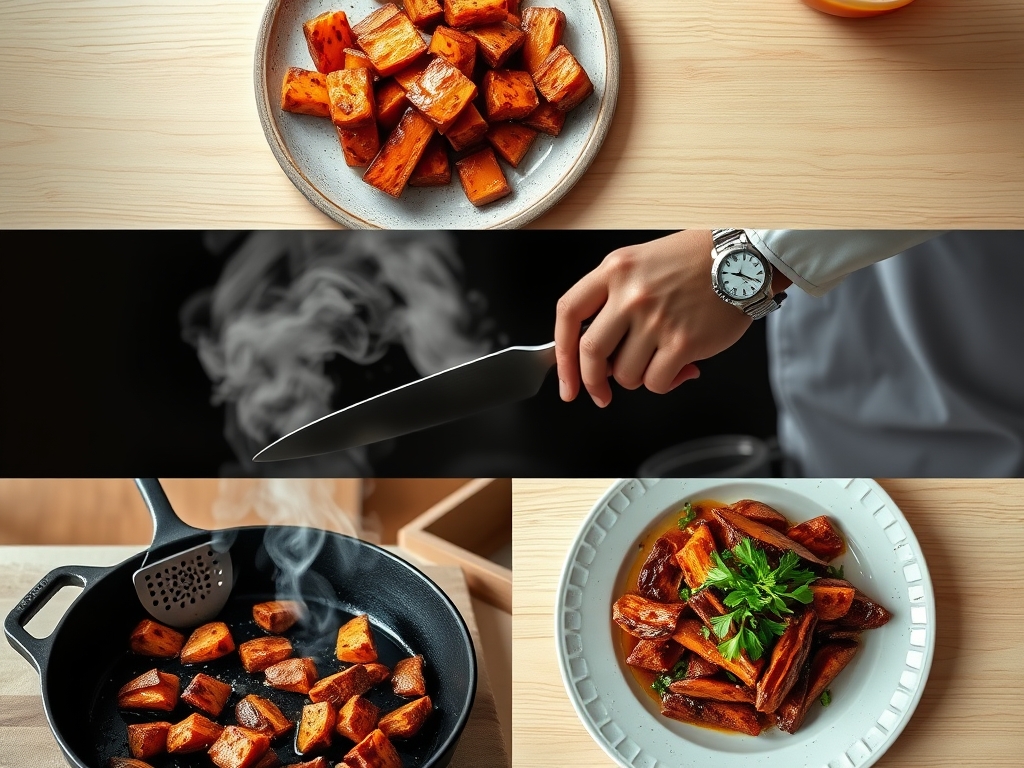
The Masterclass:
1. The Precision Cut
Use a sharp chef's knife or a bench scraper to divide your potatoes into uniform one-inch cubes. Uniformity is not just for aesthetics; it ensures that every piece reaches the same internal temperature at the same time. If pieces vary in size, the small ones will carbonize while the large ones remain starchy.
Pro Tip: This prevents enzymatic browning. By keeping the cut potatoes in a bowl of cold water until you are ready to season, you stop the oxygen from reacting with the phenolic compounds in the potato flesh.
2. The Surface Dry
Drain the potatoes and pat them bone-dry with a lint-free kitchen towel. This is the most critical step in any honey roasted sweet potato recipes. Moisture is the enemy of the crunch. If the surface is wet, the oven's energy is wasted evaporating water instead of browning the surface.
Pro Tip: This facilitates the Maillard reaction. This chemical reaction between amino acids and reducing sugars only occurs at high temperatures in the absence of surface moisture.
3. The Emulsified Coating
In a small saucier, lightly warm your honey and oil together until they are fluid. Whisk them vigorously to create a temporary emulsion. Toss the potatoes in a large bowl with this mixture, using your hands to ensure every millimeter of surface area is coated in a thin, shimmering film.
Pro Tip: This creates a hydrophobic barrier. The fat coats the potato, preventing the internal juices from escaping too quickly, which keeps the inside moist while the outside crisps.
4. The High-Heat Roast
Spread the potatoes onto a heavy-gauge rimmed baking sheet. Do not crowd the pan. If the potatoes are touching, they will trap steam between them, resulting in a soggy texture. Use two pans if necessary to ensure ample airflow around each cube.
Pro Tip: This utilizes convection heat. Air must circulate freely to dehydrate the surface of the potato, creating that coveted "skin" that snaps when you bite into it.
5. The Mid-Point Agitation
Halfway through the roasting process, use a wide metal spatula or tongs to flip the potatoes. This ensures that the side in contact with the hot metal does not over-caramelize while the top remains pale.
Pro Tip: This manages conductive heat. The pan acts as a heat sink; flipping the potatoes ensures even color and prevents the honey from scorching on the bottom.
6. The Final Infusion
During the last five minutes of roasting, toss in your fresh rosemary and a final sprinkle of flaky sea salt. The residual heat will release the volatile oils in the herbs without burning the delicate leaves.
Pro Tip: This is known as thermal carryover. Even after you remove the pan from the oven, the potatoes will continue to cook for several minutes, deepening the golden hue of the honey glaze.
The Deep Dive:
When we look at the macro nutrition of this dish, we see a powerhouse of complex carbohydrates and Vitamin A. A single serving provides over 100 percent of your daily beta-carotene requirements. To make this vegan, simply substitute the honey with agave nectar or maple syrup. For a keto-friendly version, you would need to swap the sweet potatoes for cauliflower florets and use a monk-fruit based syrup, though the starch profile will differ significantly.
The Fix-It:
- Soggy Potatoes: Your oven temperature was likely too low or the pan was overcrowded. Next time, use a higher heat and two pans.
- Burnt Honey: The honey was added too early or the oven has hot spots. Try drizzling half the honey at the start and the other half ten minutes before finishing.
- Bland Interior: You forgot to salt the potatoes before roasting. Salt penetrates the cell walls during the heating process; adding it only at the end leaves the middle tasteless.
Meal Prep: To reheat and maintain "day-one" quality, avoid the microwave at all costs. The microwave agitates water molecules, making the potato mushy. Instead, use an air fryer or a toaster oven at 375 degrees for five minutes to re-crystallize the honey glaze and restore the crunch.
The Wrap-Up:
Mastering honey roasted sweet potato recipes is a rite of passage for any home cook who wants to blend technical skill with soul-warming flavors. By focusing on surface moisture, uniform cuts, and the science of the Maillard reaction, you transform a simple root vegetable into a culinary highlight. Remember, the kitchen is your laboratory; do not be afraid to experiment with different honey varietals or herb infusions. Now, grab that spatula and go create something golden!
The Kitchen Table:
Why are my roasted sweet potatoes always soft?
Softness usually results from overcrowding the pan or excess surface moisture. Ensure potatoes are patted dry and spaced out so steam can escape. High heat is essential for a crisp exterior.
Can I roast sweet potatoes without peeling them?
Yes, the skin is edible and provides extra fiber. Just scrub them thoroughly with a vegetable brush to remove grit. The skin also adds a rustic texture and prevents the cubes from falling apart.
What is the best honey for roasting?
Use a dark, robust honey like Buckwheat or Wildflower. These have higher mineral contents and deeper flavors that stand up well to the intense heat of the oven without becoming overly acrid.
How do I keep the honey from burning?
Honey burns at 320 degrees Fahrenheit. By tossing the potatoes in a mix of oil and honey, you raise the scorching point. If your oven runs hot, add the honey during the last fifteen minutes.