Picture this: a cold, ceramic bowl of yesterday's mash sitting in the fridge like a culinary ghost. It is dense, starchy, and seemingly lifeless. However, that humble bowl is actually a goldmine of retrograded starch. When you master left over potato recipes, you are not just reheating; you are re-engineering molecular structures for maximum crunch and silkiness.
The Gathers:
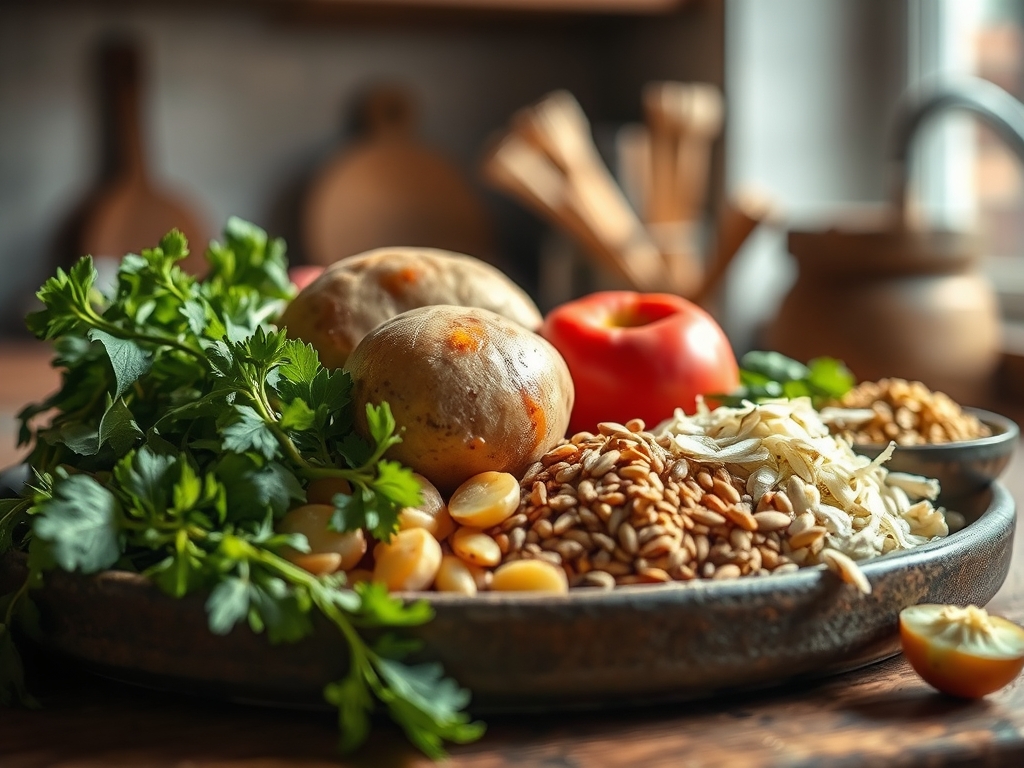
To transform these tubers, your mise-en-place must be precise. Gather your heavy-bottomed skillet for heat retention and a microplane for aromatics. You will need high-fat components like heavy cream or duck fat to lubricate the starch granules. Fresh herbs like chives or rosemary provide a piquant contrast to the earthy base.
For smart substitutions, if you lack heavy cream, a dollop of Greek yogurt adds a tangy, viscous body. If you are out of eggs for binding, a "flax egg" or even a splash of aquafaba can mimic the protein structure needed to hold a patty together. Always keep high-quality sea salt and a pepper mill nearby; potatoes are notorious salt-sinks that require aggressive seasoning to wake up the flavor profile.
The Clock:
Efficiency in the kitchen relies on "Chef's Flow," which is the art of overlapping tasks to minimize downtime. For these recipes, expect a total active prep time of 15 minutes and a cook time of 20 to 30 minutes. While your skillet preheats, you should be performing your knife work.
The "Flow" dictates that you start with the items requiring the longest thermal transfer, such as browning the exterior of a potato cake, while simultaneously whisking your cold sauces. By the time the Maillard reaction has worked its magic on the stove, your garnishes should be chopped and ready. This synchronized dance ensures that nothing sits long enough to become soggy or lose its structural integrity.
The Masterclass:
1. The Crispy Smash Hash
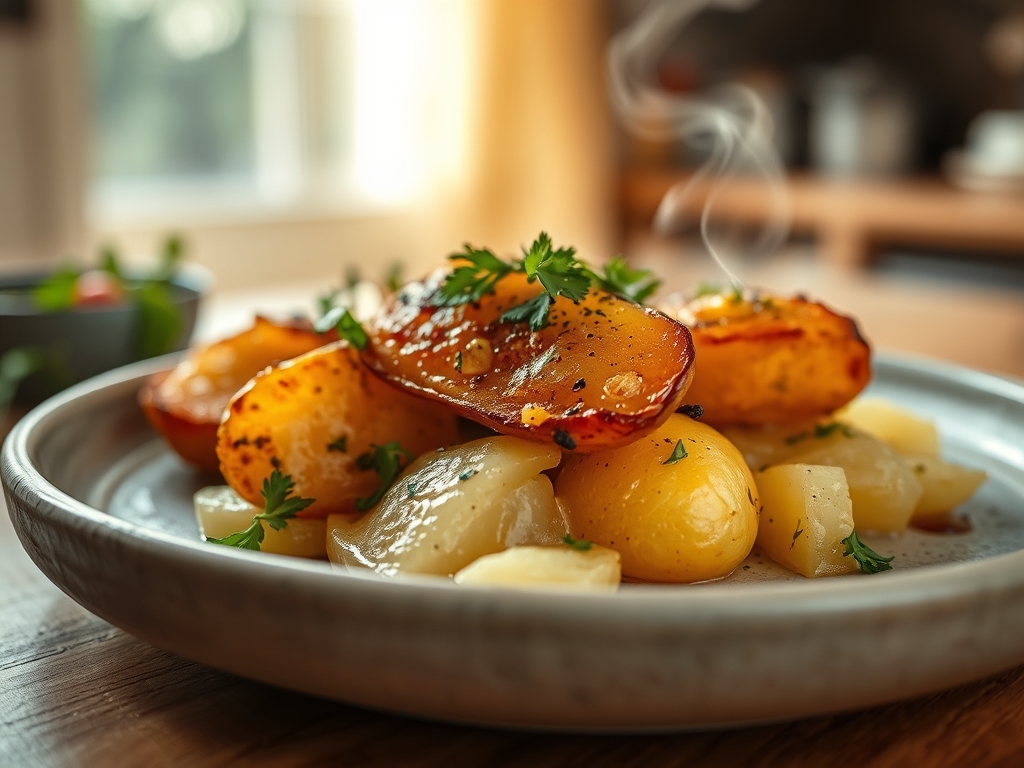
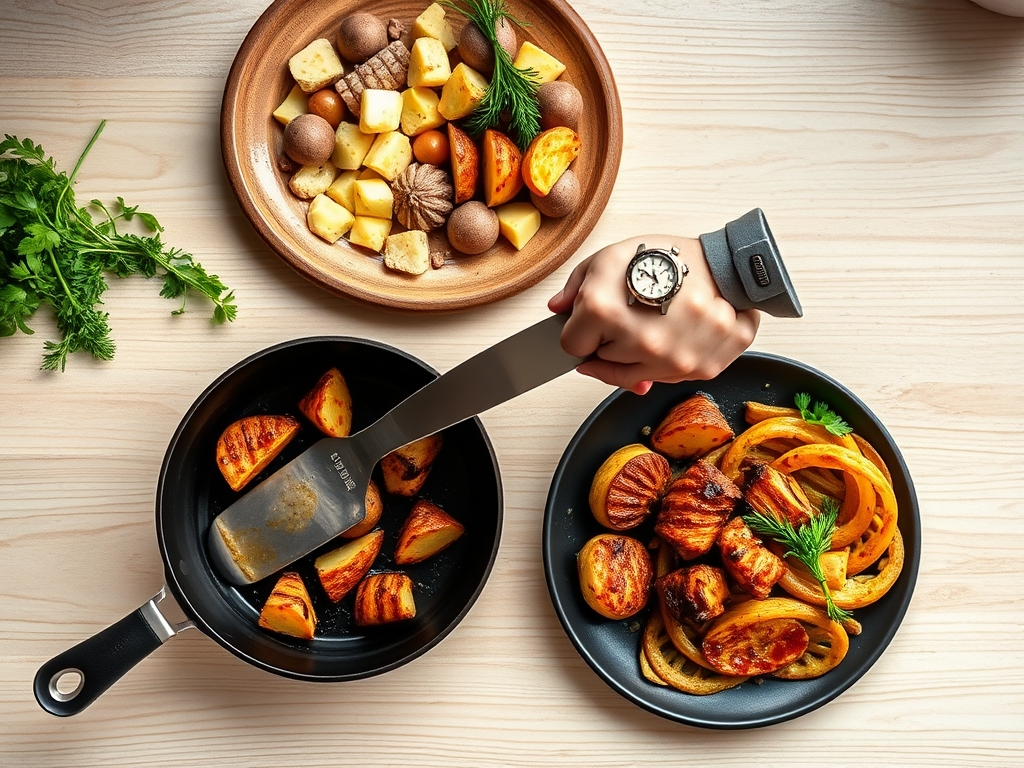
Take those cold roasted potatoes and place them on a cutting board. Use a bench scraper or the palm of your hand to gently flatten them until the skin "blossoms." Searing them in a hot pan with clarified butter creates a glass-like crust.
Pro Tip: This relies on retrograded starch. When potatoes cool, the starch molecules crystallize. Re-frying these crystals creates a significantly crunchier texture than frying fresh potatoes because the moisture content is lower.
2. The Velvet Potato Soup
Whisk your leftover mash into a saucier filled with simmering leek broth. Use an immersion blender to aerate the mixture, incorporating tiny air bubbles that lighten the dense starch.
Pro Tip: Avoid over-blending. Mechanical shear can break the starch granules, releasing too much amylopectin and turning your soup "gluey." Stop as soon as the mixture is homogenous.
3. Golden Gnocchi Bites
Fold flour and one egg yolk into your mash until a soft dough forms. Roll it into ropes and snip with kitchen shears. Sauté these directly in a pan with sage and brown butter until they puff.
Pro Tip: Use a digital scale to ensure your flour-to-potato ratio is exactly 1:4. This prevents the gnocchi from becoming "leaden" and ensures they remain light and pillowy through proper protein coagulation.
4. The Loaded Latke Remake
Grate any solid leftover potatoes and mix them with shredded onion and a binder. Use tongs to drop clumps into shimmering oil. The high surface area ensures a shattered-glass crunch.
Pro Tip: The onion juice contains enzymes that can cause enzymatic browning. Work quickly and add a squeeze of lemon juice to lower the pH, which halts the oxidation process and keeps the interior bright.
5. Potato Crust Quiche
Press cold mashed potatoes into a tart pan to form a "crust." Bake it at high heat before adding your custard. This creates a waterproof barrier that prevents the egg mixture from making the base soggy.
Pro Tip: This is known as par-baking. It allows the potato moisture to evaporate before the liquid filling is introduced, ensuring the base undergoes the Maillard reaction rather than just steaming.
6. The Truffle Infused Croquette
Form cold mash into cylinders, insert a cube of fontina cheese, and dredge in panko. Deep fry until the cheese reaches its melting point and becomes a molten core.
Pro Tip: Ensure your oil is at 375 degrees Fahrenheit. This creates a "steam wall" that prevents oil from penetrating the interior, resulting in a crisp shell and a greaseless finish.
The Deep Dive:
From a macro perspective, potatoes are a powerhouse of potassium and complex carbohydrates. One medium serving provides roughly 150 calories, 3 grams of protein, and zero fat. By adding healthy fats like avocado oil or protein-rich eggs, you create a balanced, satiating meal.
For dietary swaps, make these vegan by using coconut oil and nutritional yeast for a cheesy "umami" hit. For Keto enthusiasts, mix the potatoes with riced cauliflower to lower the net carb count while maintaining the "mouthfeel" of a traditional potato dish.
The Fix-It:
- Too Salty: Fold in a spoonful of unsweetened applesauce or more plain mash to dilute the sodium.
- Too Dry: Slowly infuse the mixture with warm milk or a splash of stock until the desired viscosity is reached.
- Falling Apart: Your binder is weak. Add a tablespoon of cornstarch or an extra egg yolk to reinforce the structural matrix.
For meal prep, reheating is a science. Avoid the microwave, which turns starch into rubber. Instead, use a toaster oven or a dry skillet. This encourages evaporative cooling on the surface while the interior warms gently, preserving that "day-one" quality.
The Wrap-Up:
Transforming your leftovers is the ultimate culinary flex. It proves that with a little bit of chemistry and the right tools, "old" food can become a gourmet experience. Don't let those starches go to waste; get in there, experiment with textures, and turn your fridge scraps into the star of the table. You have the knowledge, the tools, and the flavor profile to make something truly iconic tonight!
The Kitchen Table:
How do I stop leftover potatoes from getting gummy?
Avoid over-processing the starch. Use a ricer or a fork instead of a food processor. Excessive mechanical agitation breaks starch cell walls, releasing amylopectin which creates a sticky, glue-like texture. Always handle the potatoes as gently as possible.
Can I freeze leftover potato dishes?
Yes, but texture changes may occur. Mashed potatoes freeze best when they have a high fat content from butter or cream. This fat coats the starch granules, preventing large ice crystals from forming and ruining the consistency upon thawing.
What is the best way to reheat potato pancakes?
Use a hot, dry heavy-bottomed skillet or an air fryer at 350 degrees. This allows the exterior to recrisp through the Maillard reaction while the interior stays moist. Avoid microwaves, as they trap steam and make the crust soggy.
Are leftover potatoes healthier than fresh ones?
Cooled potatoes contain higher levels of resistant starch. This type of starch acts more like fiber, escaping digestion in the small intestine and feeding healthy gut bacteria. This results in a lower glycemic index compared to freshly cooked potatoes.