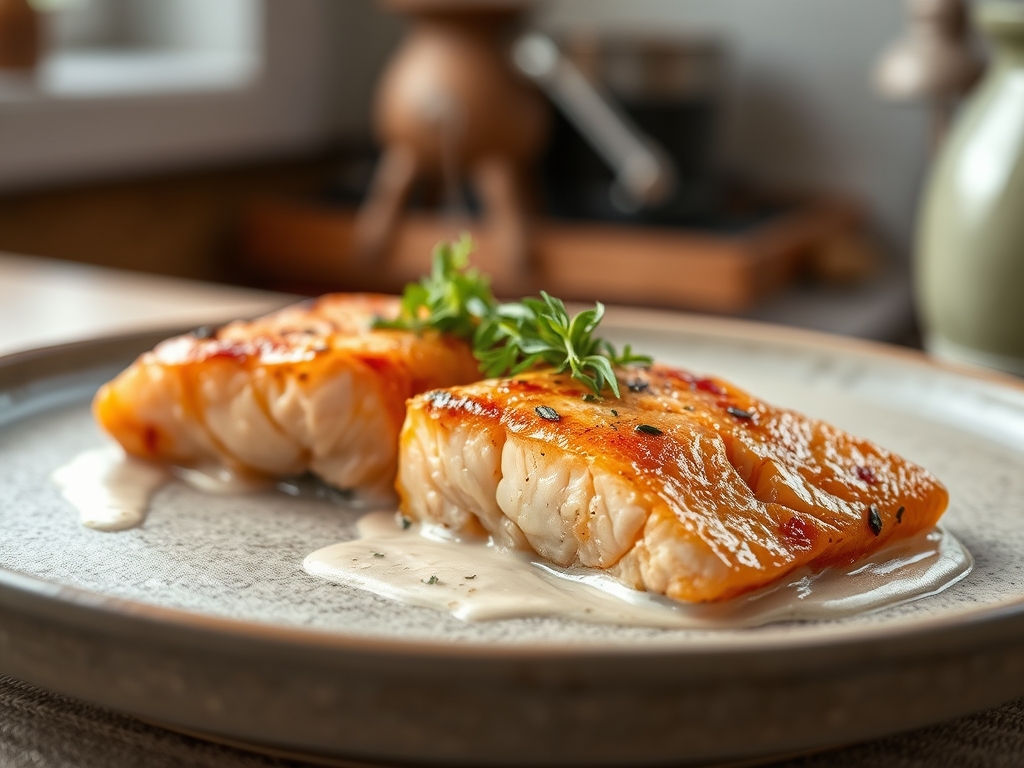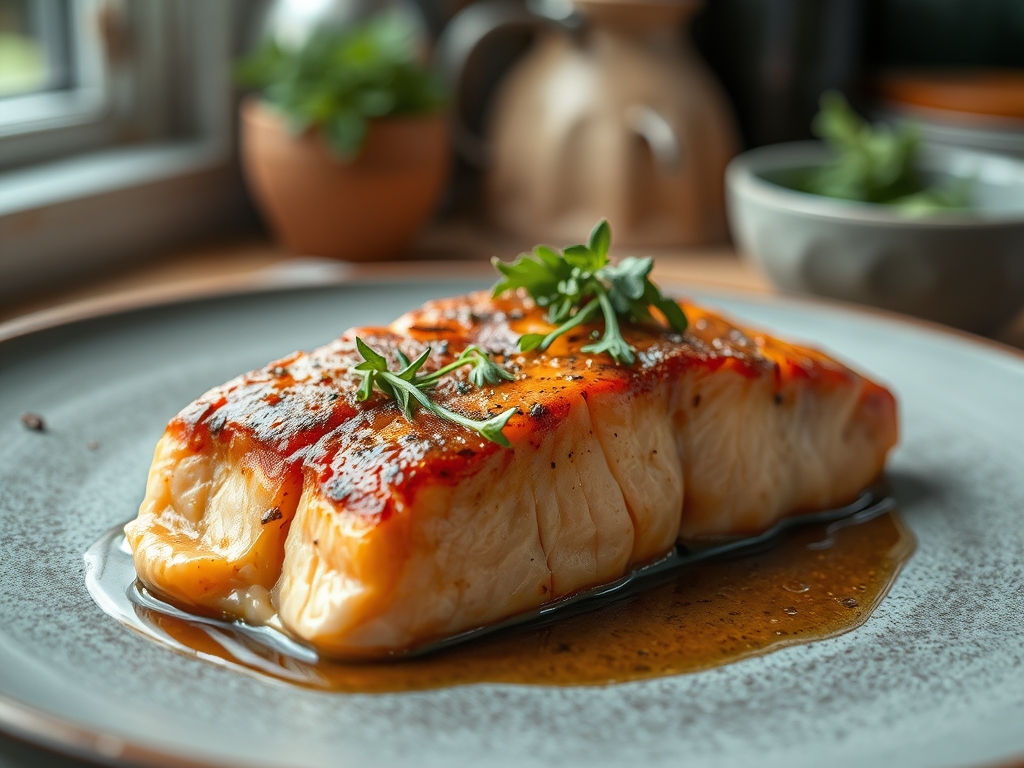
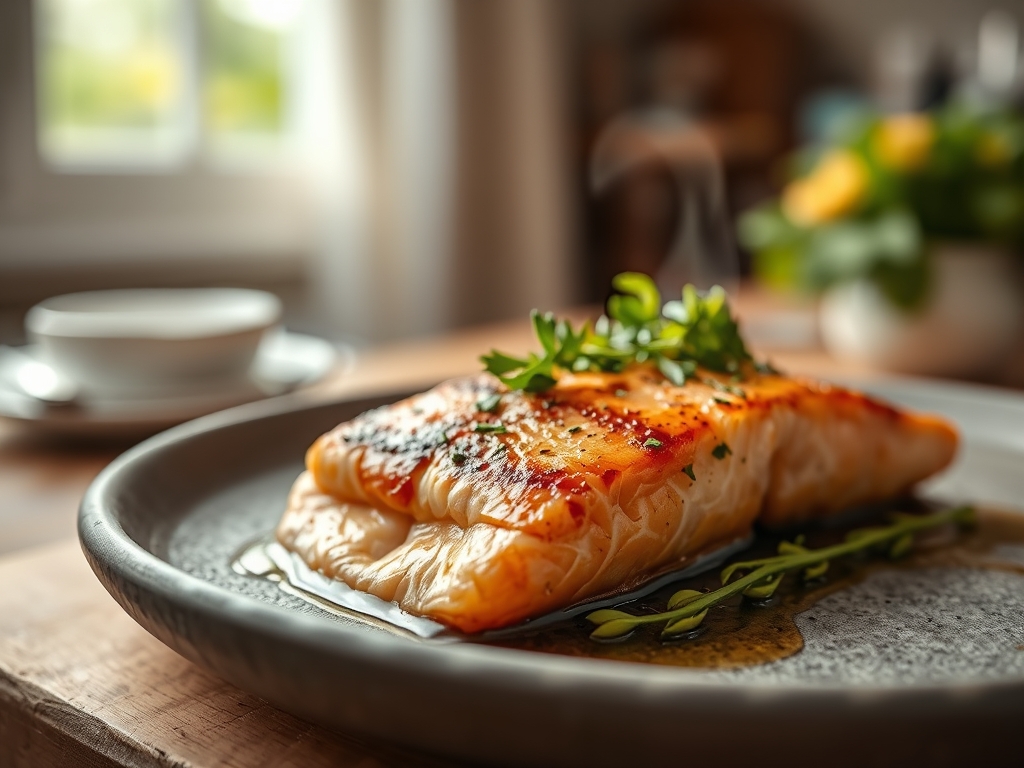
The scent of sizzling fat hitting a hot stainless steel surface is the universal siren song of a kitchen that knows what it is doing. When you are hunting for the ultimate mccormick salmon recipes; you are really looking for that perfect intersection of convenience and culinary chemistry. Salmon is a fatty, cold water fish that demands respect; its high lipid content makes it the ideal canvas for bold spices and high heat. We are not just cooking dinner tonight. We are orchestrating a Maillard reaction that transforms humble proteins into a crusty, golden masterpiece. Imagine the sound of the skin shattering under a fork while the interior remains a buttery, translucent pink. This is the goal of every home cook who wants to master the art of the sear. By utilizing pre-blended spice profiles, we eliminate the guesswork of salt ratios and focus entirely on the physics of the pan. We are going to dive deep into the molecular structure of the fish and how different heat applications interact with those iconic spice blends to create a restaurant quality crust every single time.
The Gathers:
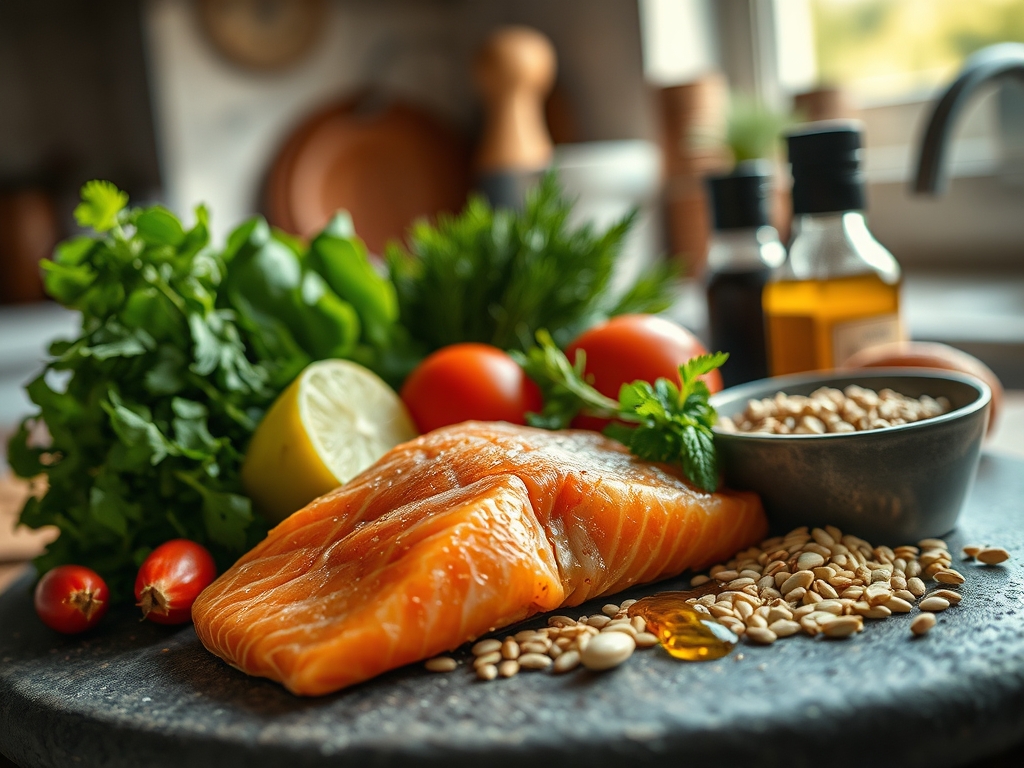
To execute these mccormick salmon recipes with precision, your mise-en-place must be flawless. Start with high quality Atlantic or Sockeye fillets; look for vibrant color and a firm, non-viscous texture. You will need a heavy-bottomed skillet, preferably cast iron or carbon steel, to ensure even heat distribution. Grab your microplane for fresh citrus zest and a digital scale if you want to be precise with your portions.
The dry pantry staples include the core seasonings: Lemon Pepper for acidity, Garlic and Herb for savory depth, and Smoky Mesquite for a faux-grill finish. You will also need a high smoke point oil like avocado or grapeseed oil; olive oil will oxidize too quickly at the temperatures required for a proper sear.
Smart Substitutions: If you are out of fresh lemons, a teaspoon of sumac provides that same piquant punch. If you find the spice blends too salt-forward, cut them with a tablespoon of light brown sugar. The sugar not only balances the salinity but also aids in rapid caramelization, creating a thicker, more resilient crust on the flesh side of the fish.
The Clock:
Efficiency in the kitchen is about understanding the Chef's Flow. This is the sequence of operations that ensures everything hits the table at the peak of its thermal potential.
Prep Time: 10 Minutes. This includes patting the fish bone-dry with paper towels. Moisture is the enemy of the sear; if the surface is wet, the fish will steam rather than fry. Use this time to zest your citrus and measure out your seasonings into a small ramekin to avoid cross-contamination of your spice jars.
Cook Time: 8 to 12 Minutes. Depending on the thickness of your fillets, you are looking at roughly four minutes on the skin side to render the subcutaneous fat, followed by a quick flip to finish the interior.
Total Time: 22 Minutes. This includes a mandatory three minute rest period. During this time, thermal carryover will continue to cook the center of the fish by about five degrees, bringing it to a perfect medium-rare without over-tightening the muscle fibers.
The Masterclass:
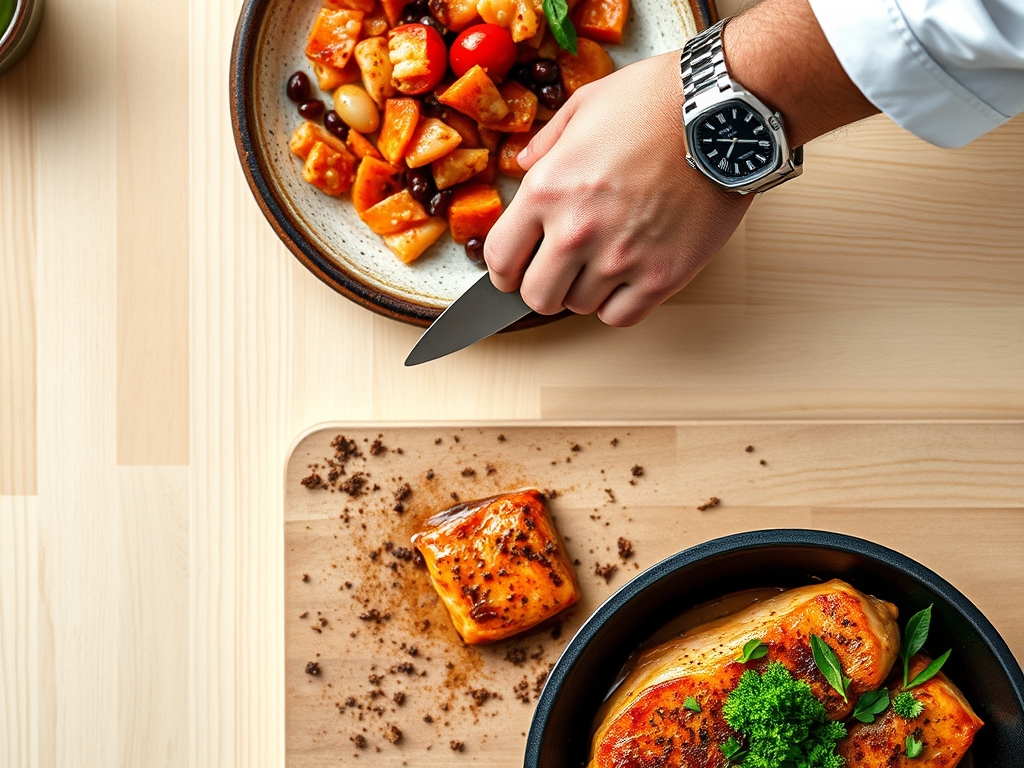
1. The Surface Preparation
Use a bench scraper to clear your workspace and lay your fillets flat. Use a paper towel to press firmly onto the skin and flesh. Removing surface moisture is the only way to achieve a crisp texture.
Pro Tip: This is about preventing steam pockets. If water remains on the surface, it must evaporate before the temperature can rise above 212 degrees Fahrenheit to begin the Maillard reaction. Drying the fish allows for immediate browning.
2. The Seasoning Application
Dust the fillets generously with your chosen mccormick salmon recipes blend. Use your fingers to press the spices into the flesh so they adhere. Do not season the skin side yet if you want maximum crunch; salt can draw out moisture and make the skin rubbery.
Pro Tip: This creates a solute barrier. The salt in the seasoning begins to break down the surface proteins, allowing the spices to fuse with the fish during the initial application of heat.
3. The Cold Pan Start (Optional) or Hot Sear
For the crispiest skin, place the fish skin-side down in a cold pan and then turn the heat to medium-high. This allows the fat to render slowly as the pan heats up. If you prefer a traditional sear, get the oil shimmering first.
Pro Tip: Gradual heat allows the collagen in the skin to break down into gelatin without the fibers contracting too violently, which prevents the fish from curling upward.
4. The Flip and Baste
Once the skin is opaque and releases easily from the pan, use tongs or a fish spatula to flip. Drop a tablespoon of butter and a crushed garlic clove into the pan. Use a saucier spoon to bathe the fish in the foaming butter.
Pro Tip: This is aromatic infusion. The fat in the butter carries the fat-soluble flavor compounds from the spices and garlic directly into the nooks and crannies of the searing fish.
5. The Rest and Carryover
Remove the fish from the pan when the internal temperature hits 125 degrees Fahrenheit. Place it on a wire rack rather than a flat plate to allow air to circulate.
Pro Tip: Resting prevents protein syneresis. If you cut into the fish immediately, the internal pressure will force the juices out. Resting allows the muscle fibers to relax and reabsorb that moisture.
The Deep Dive:
Macro Nutrition: Salmon is a powerhouse of Omega-3 fatty acids, specifically EPA and DHA. A standard six-ounce fillet provides roughly 34 grams of protein and 20 grams of healthy fats. By using dry rubs, we keep the carbohydrate count near zero, making this a staple for metabolic health.
Dietary Swaps: For a Keto version, double down on the butter basting. For a Vegan alternative, use the same mccormick salmon recipes seasoning on thick slabs of cauliflower or firm tofu; the porous nature of tofu mimics the flavor absorption of the fish beautifully.
The Fix-It:
- Fish Sticking: You flipped too early. The fish will naturally release once the proteins have denatured and formed a crust.
- White Gunk (Albumin): This is a sign of overcooking. The protein is being squeezed out of the muscle fibers. Lower your heat next time.
- Burnt Spices: If the rub is turning black, your pan is too hot. Move the pan off the burner and add a splash of water or wine to deglaze and lower the temperature instantly.
Meal Prep: To reheat salmon without it becoming "fishy" or dry, avoid the microwave. Instead, place it in a low oven (275 degrees) with a tablespoon of water covered in foil. This uses latent heat to steam the fish back to life without denaturing the proteins further.
The Wrap-Up:
Mastering mccormick salmon recipes is your ticket to a high-protein, gourmet lifestyle that fits into a busy schedule. By focusing on the science of the sear and the chemistry of the crust, you turn a simple fillet into a culinary event. Remember; dry the skin, control your heat, and always let the fish rest. You have the tools, you have the technique, and now you have the confidence to execute the perfect salmon dinner. Now, get that skillet screaming hot and show that fish who is boss in the kitchen.
The Kitchen Table:
How do I get the skin extra crispy?
Always start with a bone-dry fillet. Place the salmon skin-side down in a cold pan and gradually increase the heat. This allows the fat to render completely, resulting in a shatteringly crisp texture that mimics a potato chip.
Can I use these seasonings for air frying?
Absolutely. Preheat the air fryer to 400 degrees Fahrenheit. The high-velocity hot air acts like a convection oven, rapidly dehydrating the surface of the seasoned fish to create a dense, flavorful crust in about eight to ten minutes.
Why does my salmon have white stuff on it?
That white substance is albumin, a liquid protein that pushes to the surface when the muscle fibers contract too quickly. It is perfectly safe to eat, but it usually indicates the fish was cooked at too high a temperature.
How long can I store cooked salmon?
Cooked salmon stays fresh in an airtight container for up to three days. For the best texture, shred the leftovers into a salad or use them in a grain bowl rather than reheating them to a high internal temperature.