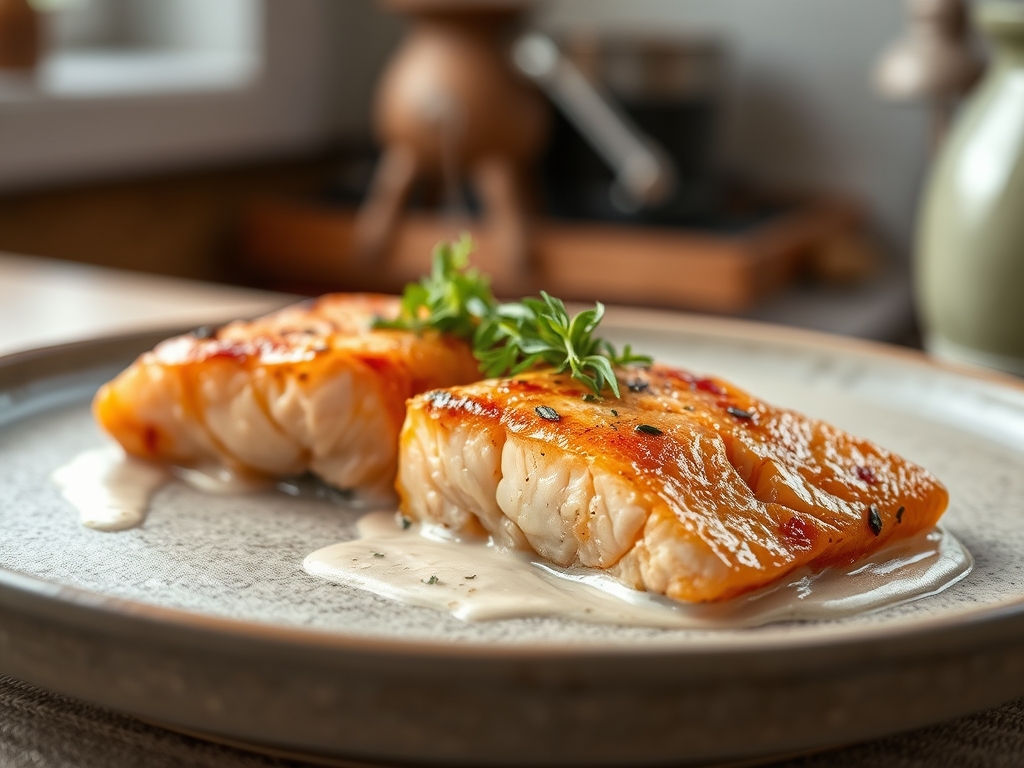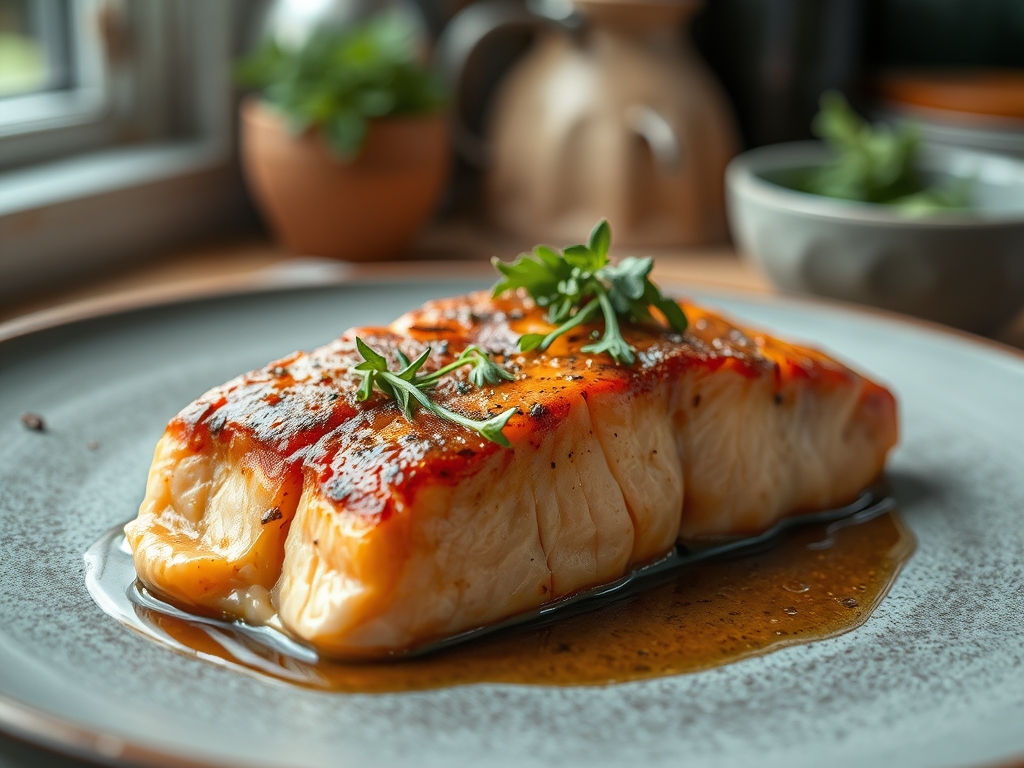
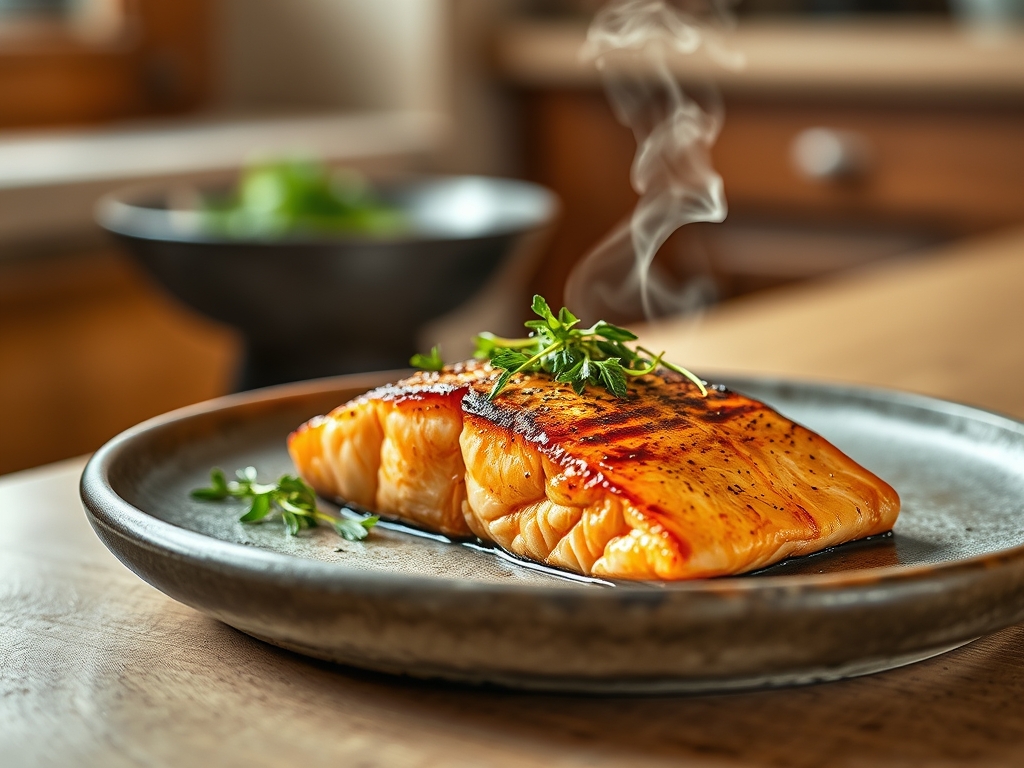
Imagine the sound of cold, marble-hued protein hitting a screaming hot cast iron surface. That rhythmic sizzle is not just noise; it is the sound of the Maillard reaction transforming amino acids into a savory, golden crust. When we talk about geoffrey zakarian salmon recipes, we are not just discussing dinner; we are discussing the intersection of Iron Chef precision and the effortless elegance of a bistro lunch. Salmon is the ultimate culinary chameleon, but it is also unforgiving. One minute too long on the heat and you lose that luscious, buttery interior. My goal is to walk you through the exact technical maneuvers that separate a home-cooked fillet from a restaurant-grade masterpiece. We are going to focus on heat distribution, moisture management, and the chemistry of fat. By the time we are done, you will understand exactly how to manipulate heat to achieve that perfect, medium-rare center while maintaining a skin so crisp it shatters like glass. Grab your apron; we are going to get technical.
The Gathers:
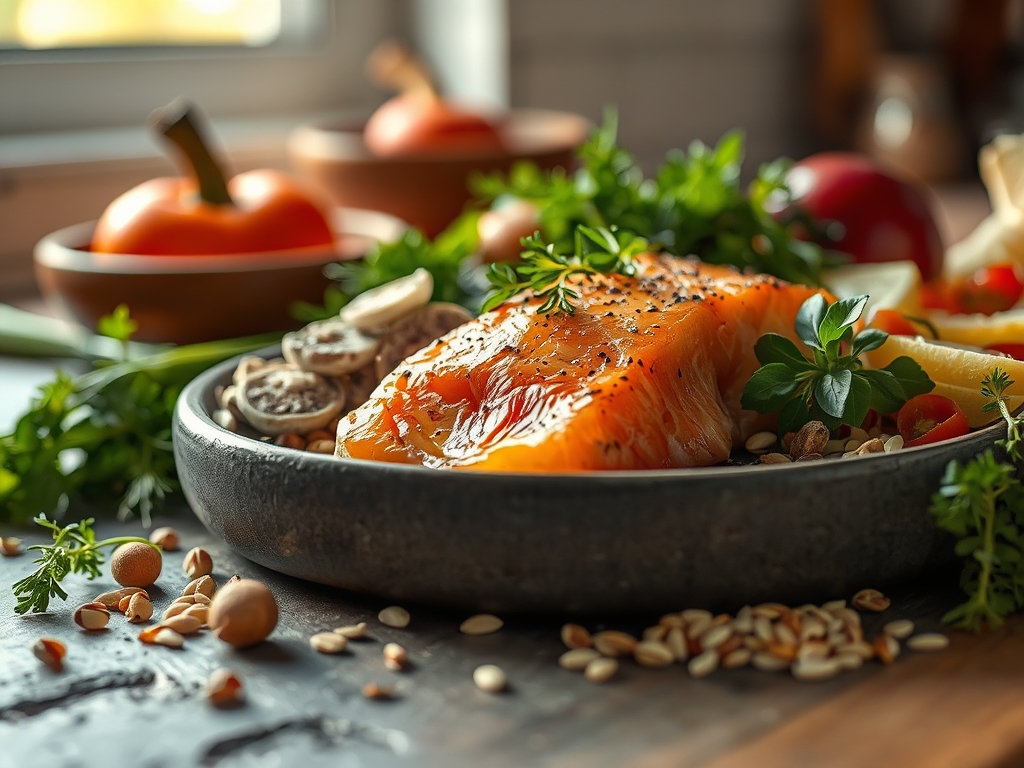
To execute geoffrey zakarian salmon recipes with professional flair, your mise-en-place must be impeccable. We start with the star: center-cut Atlantic or King salmon. Look for high fat marbling, which provides the viscous mouthfeel we crave. You will need high-quality kosher salt, which has a larger crystal size for better grip and controlled seasoning. For the aromatics, gather fresh thyme, garlic cloves, and a high-smoke-point oil like grapeseed or avocado oil. Avoid extra virgin olive oil for the initial sear; its low smoke point will result in a bitter, acrid flavor profile.
For the finishing touches, you need unsalted European-style butter. This has a lower water content and higher butterfat percentage, allowing for a more stable emulsion when we baste the fish. You will also need a microplane for zesting lemon and a saucier if you plan on reducing a piquant balsamic or citrus glaze.
Smart Substitutions:
If you are avoiding dairy, swap the butter for a high-quality vegan ghee or a splash of coconut cream to maintain that rich, fatty finish. For a lower sodium profile, use a dash of potassium-based salt substitute or rely heavily on the bright acidity of sumac to trick the palate into sensing saltiness. If fresh herbs are unavailable, use a high-quality freeze-dried version, but remember to infuse them in the oil early to wake up their volatile compounds.
The Clock
Efficiency in the kitchen is about the Chef's Flow. This is the mental map of how tasks overlap to ensure nothing sits idle. For these salmon preparations, expect a total commitment of 25 minutes. Prep takes exactly 10 minutes, mostly focused on patting the fish dry and prepping your aromatics. The actual cook time is a swift 8 to 12 minutes, depending on the thickness of your fillets.
The flow looks like this: While your heavy-bottomed skillet preheats, you season the fish. While the first side sears, you prep your garnish. The final minutes are dedicated to thermal carryover, where the fish rests and finishes cooking off the heat. This prevents the proteins from tightening and squeezing out the moisture.
The Masterclass
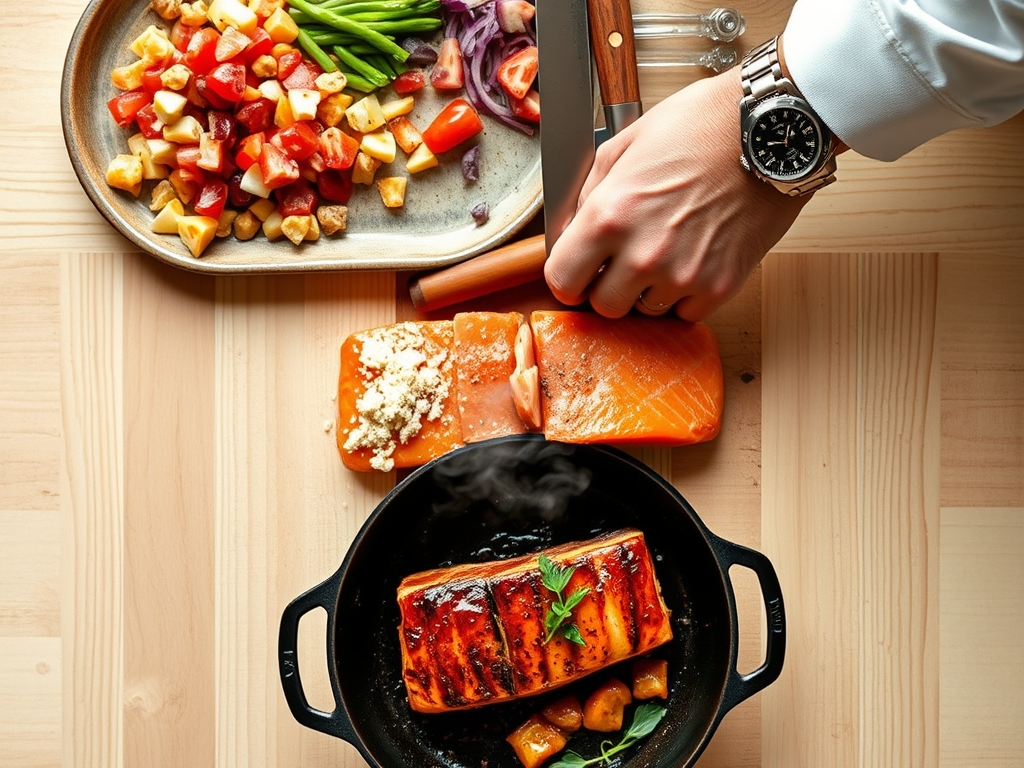
1. The Desiccation Ritual
The enemy of a good sear is moisture. Use paper towels to press firmly onto the skin and flesh of the salmon. You want the surface to feel tacky, not wet. This ensures that the heat goes directly into the Maillard reaction rather than wasting energy evaporating surface water.
Pro Tip: This is about latent heat of vaporization. If the surface is wet, the temperature cannot rise above 212 degrees Fahrenheit until the water is gone, preventing the browning that happens at 285 degrees.
2. The Cold Pan Strategy
Contrary to popular belief, starting salmon skin-side down in a medium-hot pan and then pressing it with a bench scraper or flexible spatula prevents the skin from curling. This ensures maximum surface contact and an even render of the subcutaneous fat.
Pro Tip: Skin is composed of collagen. When hit with sudden high heat, collagen fibers contract violently. A steady, firm pressure for the first 30 seconds keeps the fillet flat and the skin crispy.
3. The Fat Infusion
Once the skin is crispy, flip the fish and add your butter, garlic, and thyme. Tilt the pan so the melting fat pools at the bottom, then use a large spoon to continuously bathe the fish. This is called basting, and it adds a deep, nutty complexity to the flavor profile.
Pro Tip: This technique uses convection. The hot fat carries flavor into the crevices of the meat while gently cooking the top of the fillet without the harsh direct heat of the pan surface.
4. The Precision Pull
Use a digital scale or an instant-read thermometer to check the internal temperature. For a perfect medium-rare, pull the salmon at 120 degrees Fahrenheit. The temperature will continue to rise as it rests.
Pro Tip: This is thermal carryover. The residual heat on the exterior of the fish continues to migrate toward the center even after the heat source is removed.
5. The Acid Balance
Before serving, use your microplane to shower the fish with fresh lemon zest. The citric acid cuts through the heavy lipids of the salmon and butter, brightening the entire dish.
Pro Tip: Acidity acts as a chemical "brightener." It stimulates the salivary glands, which helps distribute the flavor molecules across your taste buds more effectively.
6. The Rest Period
Allow the salmon to sit for at least 3 minutes on a warm plate. This allows the muscle fibers to relax and reabsorb the juices that were pushed toward the center during cooking.
Pro Tip: If you cut into the fish too early, the internal pressure will force the juices out, leaving you with a dry, chalky texture.
7. The Glaze Reduction
If your recipe calls for a glaze, use a saucier to reduce your liquid until it coats the back of a spoon. This is known as the nappe stage.
Pro Tip: Reduction increases the viscosity and sugar concentration, creating a sticky, flavorful lacquer that adheres to the protein.
8. The Aeration Finish
If you are making a side sauce, whisk in a cube of cold butter at the very end. This will aerate the sauce and create a velvety, stable emulsion.
Pro Tip: The cold butter prevents the sauce from "breaking" or separating into oil and solids, a process known as emulsification.
9. The Visual Garnish
Finish with a sprinkle of flaky sea salt and microgreens. The contrast in texture provides a final sensory layer that elevates the dish from a meal to an experience.
Pro Tip: Flaky salt provides a "crunch" that triggers the brain's reward centers for textural variety, making the dish feel more satisfying.
The Deep Dive
From a macro nutrition perspective, salmon is a powerhouse. It is rich in Omega-3 fatty acids, specifically EPA and DHA, which are essential for brain health. A standard 6-ounce portion provides roughly 34 grams of high-quality protein and 0 grams of carbohydrates, making it a staple for Keto and Paleo lifestyles.
Dietary Swaps: For a Vegan alternative, use "watermelon steak" or firm tofu pressed and seared with the same aromatics. For Gluten-Free diners, ensure any glazes use tamari instead of standard soy sauce.
The Fix-It:
- The Skin is Soggy: You likely flipped it too early or the pan wasn't hot enough. Fix: Remove the fish, dry the pan, add fresh oil, and sear the skin side again for 60 seconds.
- The White Gunk (Albumin): This happens when salmon cooks too fast and the protein "leaks." Fix: Lower your heat and pull the fish earlier next time. You can gently scrape it off with a knife before serving.
- The Fish is Sticking: You are likely using a thin pan or trying to flip before the protein has naturally released. Fix: Wait. The fish will "self-release" once the crust has formed.
Meal Prep: To reheat salmon without it becoming "fishy," avoid the microwave. Instead, use a low oven (275 degrees) with a splash of water and a cover. This creates a gentle steam environment that preserves the delicate fats.
The Wrap-Up
Mastering geoffrey zakarian salmon recipes is about respecting the ingredient. It is a dance of temperature control and patience. When you focus on the science of the sear and the chemistry of the rest, you transform a simple piece of fish into a gourmet event. Remember: dry the skin, control the heat, and always, always let it rest. You have the tools, the techniques, and the professional secrets to turn your kitchen into a five-star bistro. Now, go get that perfect sear!
The Kitchen Table
How do I stop salmon from sticking to the pan?
Ensure the pan is fully preheated and the fish is bone-dry. Use a high-smoke-point oil and do not attempt to flip the fillet until it naturally releases from the surface after the crust has formed.
What is the white stuff that leaks out of salmon?
That is albumin, a harmless protein. It appears when the salmon is cooked too quickly or at too high a temperature, causing the muscle fibers to contract and squeeze the protein to the surface.
Can I cook salmon straight from the freezer?
It is not recommended. For the best texture, thaw salmon overnight in the refrigerator. Cooking from frozen results in an uneven cook, where the outside becomes overdone before the center is even warm.
How do I know when salmon is done without a thermometer?
Gently press the top of the fillet with a fork or your finger. If the flakes begin to separate easily (lamellar separation) and the meat is opaque but still moist, it is ready to rest.