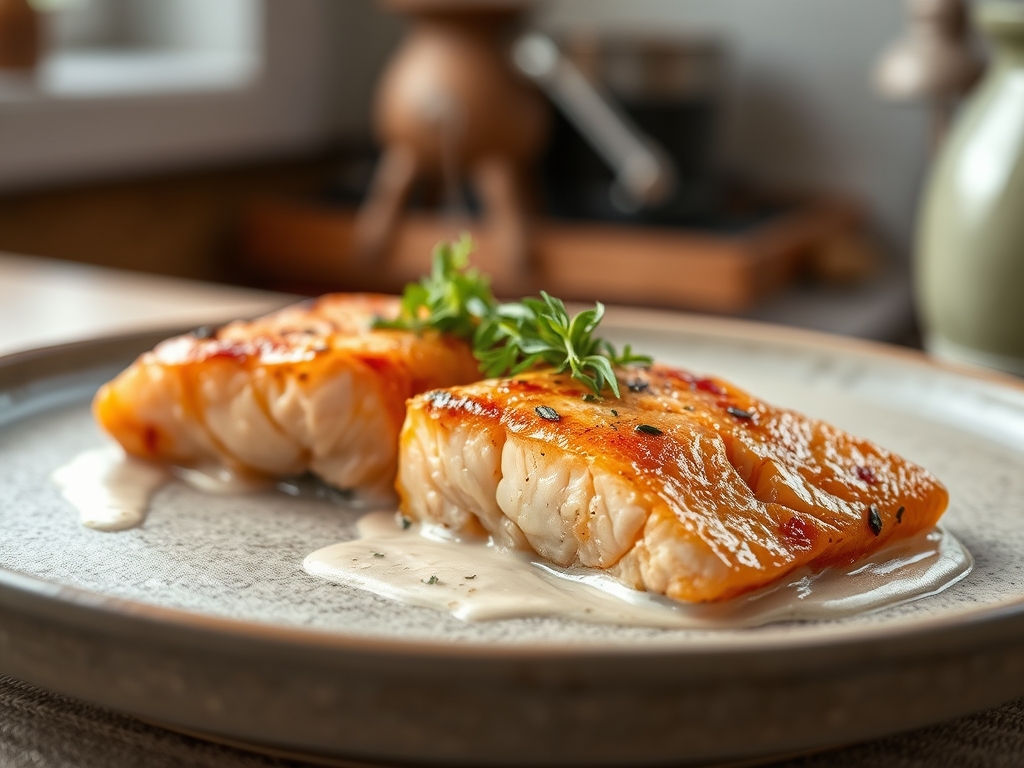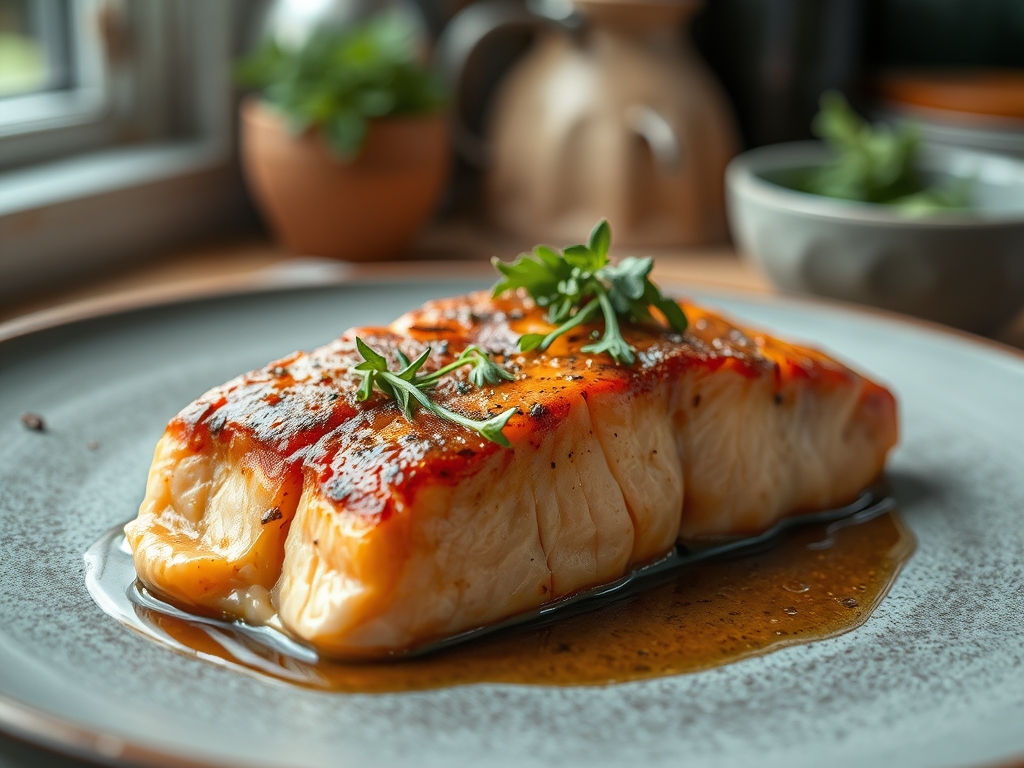
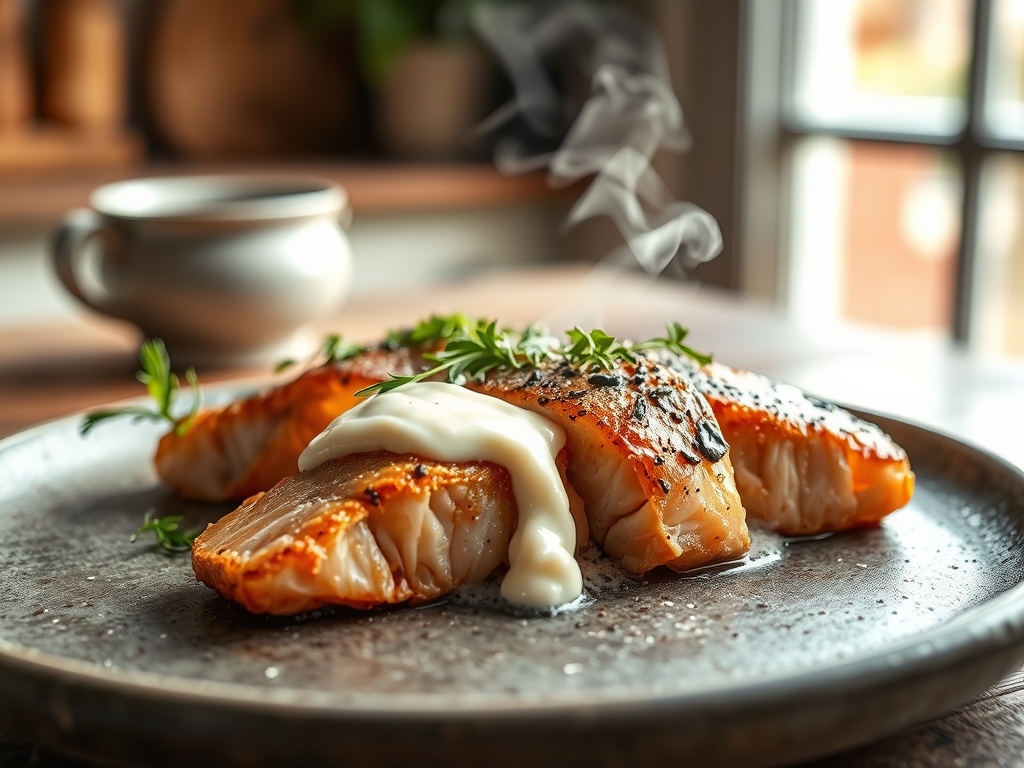
Imagine a slab of Atlantic salmon hitting a searing hot pan; the sizzle is immediate and rhythmic. Now, imagine that same fillet transformed by a velvety, golden crust that locks in every drop of moisture. If you have been searching for the ultimate salmon recipes using mayonnaise, you have stumbled upon the professional kitchen secret to foolproof, succulent seafood.
Mayonnaise is not just a condiment; it is a sophisticated emulsion of oil, egg yolk, and acid that acts as a protective thermal barrier. When heat meets this coating, the proteins in the egg undergo the Maillard reaction at a controlled rate. This prevents the delicate fish flesh from drying out while creating a decadent, piquant crust that shatters under a fork. We are moving beyond basic baking into a realm where fat meets fire to create something truly transformative. This guide will walk you through ten variations of this technique, from wasabi-infused glazes to herbaceous parmesan crusts.
The Gathers:
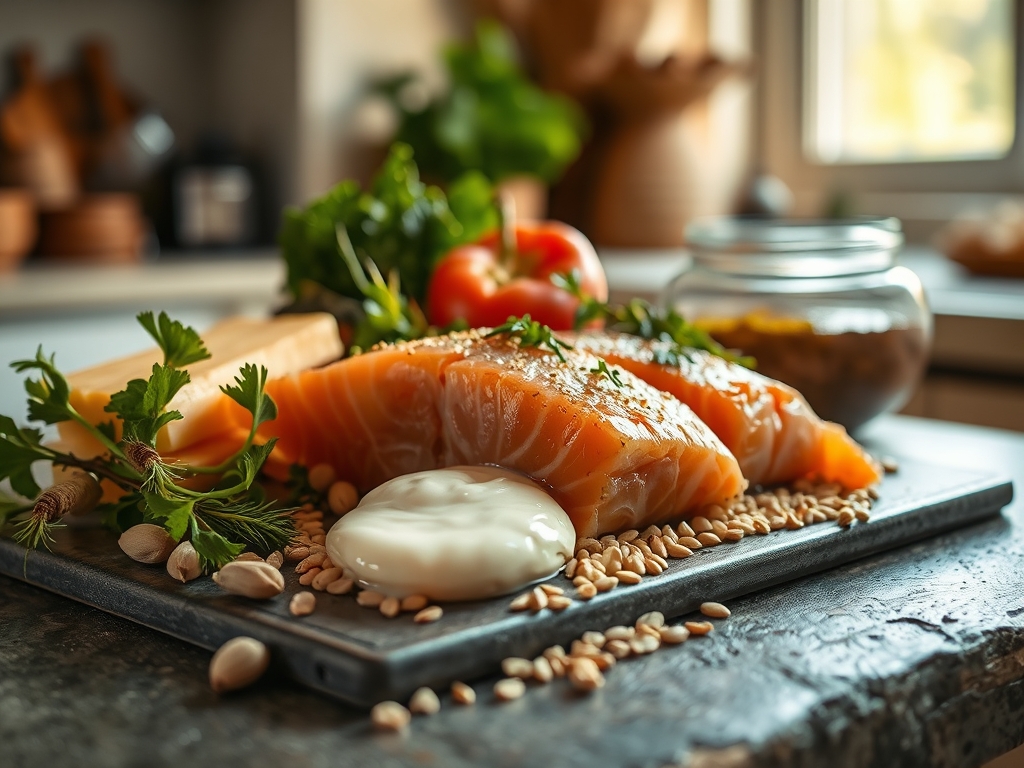
Setting up your station is the first step toward culinary excellence. For these salmon recipes using mayonnaise, your mise-en-place should look like a laboratory of flavor. Start with center-cut fillets; these provide a uniform thickness which ensures even thermal distribution. You will need a high-quality, heavy-duty mayonnaise with a high oil content to ensure the emulsion does not "break" under high heat.
Your secondary ingredients should provide contrast. Gather fresh dill, flat-leaf parsley, and chives to provide volatile aromatic oils. For acidity, keep a bowl of lemon zest and capers nearby. The salt should be flaky sea salt to provide a structural crunch, while the heat comes from freshly cracked peppercorns or a dash of sriracha.
Smart Substitutions: If you are looking for a lighter profile, Greek yogurt can be substituted for half of the mayonnaise, though you will lose some of the Maillard browning. For a vegan alternative, use an aquafaba-based mayo. If you lack fresh herbs, use a 1:3 ratio of dried herbs to fresh, but be sure to rehydrate them in the mayo for ten minutes before application to release their essential oils.
The Clock:
Efficiency in the kitchen is about mastering the "Chef's Flow." For most of these recipes, the active prep time is a mere 10 minutes. This involves patting the fish dry (essential for adhesion), mixing your flavored mayonnaise base, and coating the fillets. The cooking time ranges from 12 to 18 minutes depending on the thickness of the cut and your desired level of doneness.
The "Chef's Flow" dictates that you preheat your oven or air fryer before you even touch the fish. While the appliance reaches its target temperature, you perform your knife work. By the time your salmon is coated, the environment is thermally stable. Allow for a 5-minute rest period post-cook. This is not optional; it allows the internal juices to redistribute, ensuring the first cut does not result in a dry piece of protein.
The Masterclass:
1. The Surface Preparation
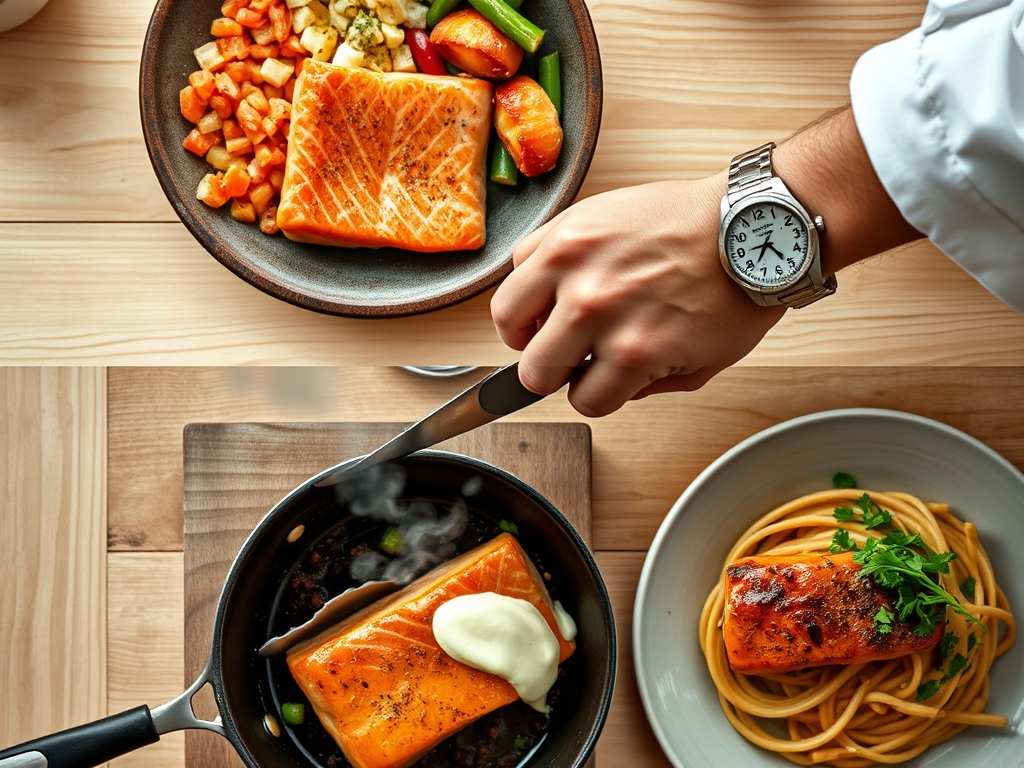
Start by using a paper towel to remove every trace of surface moisture from the salmon. A dry surface is the only way to ensure the mayonnaise emulsion adheres rather than sliding off as the fish releases steam. Use a bench scraper to portion your fillets into even rectangles for consistent cooking.
Pro Tip: This is about protein denaturation. By removing surface water, you prevent the fish from steaming in its own juices, which allows the mayo to form a structural bond with the skin and flesh.
2. The Emulsion Application
Using a small offset spatula or a saucier spoon, apply a thin, even layer of the mayonnaise mixture over the top and sides of the fish. You are looking for a thickness of about 1/8th of an inch. Too thick, and it becomes greasy; too thin, and it loses its protective properties.
Pro Tip: Mayonnaise acts as a "fat-cap" surrogate. Because salmon is a lean-to-medium fat fish, the added lipids in the mayo insulate the delicate myofibrils from tightening too quickly under heat.
3. The Flavor Infusion
Top the mayo layer with your aromatics. Use a microplane to shower the fillets with lemon zest and parmesan cheese. The fine particles will integrate into the mayonnaise as it melts, creating a composite crust that is both savory and bright.
Pro Tip: This involves the infusion of fat-soluble flavors. The oils in the lemon zest and the esters in the cheese dissolve into the mayonnaise, carrying the flavor deep into the top layers of the fish.
4. Thermal Execution
Place the salmon on a parchment-lined baking sheet or in a heavy-bottomed skillet. Bake at 400 degrees Fahrenheit. If using a skillet, start skin-side down to render the subcutaneous fat, then move to the broiler to caramelize the mayo topping.
Pro Tip: Watch for "thermal carryover." Remove the fish when the internal temperature hits 130 degrees Fahrenheit. The residual heat will bring it to a perfect, flaky 145 degrees while it rests.
The Deep Dive:
Macro Nutrition: Salmon is a powerhouse of Omega-3 fatty acids and high-quality protein. While mayonnaise adds calories, it primarily contributes monounsaturated and polyunsaturated fats. One serving typically contains 35g of protein and 20g of fat, making it an excellent choice for satiety.
Dietary Swaps: For Keto followers, this recipe is already a gold standard. For those who are Gluten-Free, ensure your mayo brand is certified, as some use grain-based thickeners. To make this vegan, use a "carrot lox" or firm tofu pressed and coated in vegan mayo and nori flakes to mimic the oceanic salinity.
The Fix-It:
- The Mayo is Sliding Off: This happens if the fish was too wet. Fix: Blot the top gently and apply a dusting of cornstarch before reapplying the mayo.
- The Crust is Pale: Your oven might be too cool. Fix: Switch to the broiler setting for the last 90 seconds, but watch it like a hawk to prevent burning.
- The Fish is Rubbery: This is a sign of overcooking. Fix: Next time, use a digital scale to weigh your fillets; thinner fillets need significantly less time.
Meal Prep Science: To reheat salmon without the "fishy" smell or dry texture, avoid the microwave. Use a toaster oven at a low temperature (275 degrees) with a splash of water in the pan. This creates a small steam chamber that re-hydrates the emulsion without over-coagulating the proteins.
The Wrap-Up:
You are now armed with the molecular knowledge to turn a simple piece of fish into a restaurant-quality masterpiece. Using mayonnaise is the ultimate "life-hack" for achieving that elusive balance of a crispy exterior and a buttery, tender interior. Whether you are hosting a dinner party or just treating yourself after a long day, these salmon recipes using mayonnaise are your ticket to culinary stardom. Grab your tongs, fire up the oven, and let the science of flavor do the heavy lifting for you!
The Kitchen Table:
Can I use low-fat mayonnaise for these recipes?
Low-fat mayonnaise often contains higher sugar and starch content. These ingredients can burn quickly or become watery under high heat. For the best structural integrity and flavor, a full-fat, oil-based mayonnaise is highly recommended.
How do I know when the salmon is perfectly cooked?
Use a digital thermometer to check the thickest part of the fillet. Aim for 130-135 degrees Fahrenheit for a medium finish. The fish should flake easily with a fork and appear opaque rather than translucent in the center.
Why does my salmon have white stuff on it?
That white substance is albumin, a protein that pushes to the surface when salmon is cooked too quickly or at too high a temperature. The mayonnaise coating helps minimize this by insulating the fish and ensuring gentler heat transfer.
Can I prepare the salmon ahead of time?
You can coat the salmon in the mayonnaise mixture up to four hours in advance. Keep it refrigerated and uncovered. The salt in the mayo will lightly cure the surface, leading to an even firmer, more flavorful result when baked.