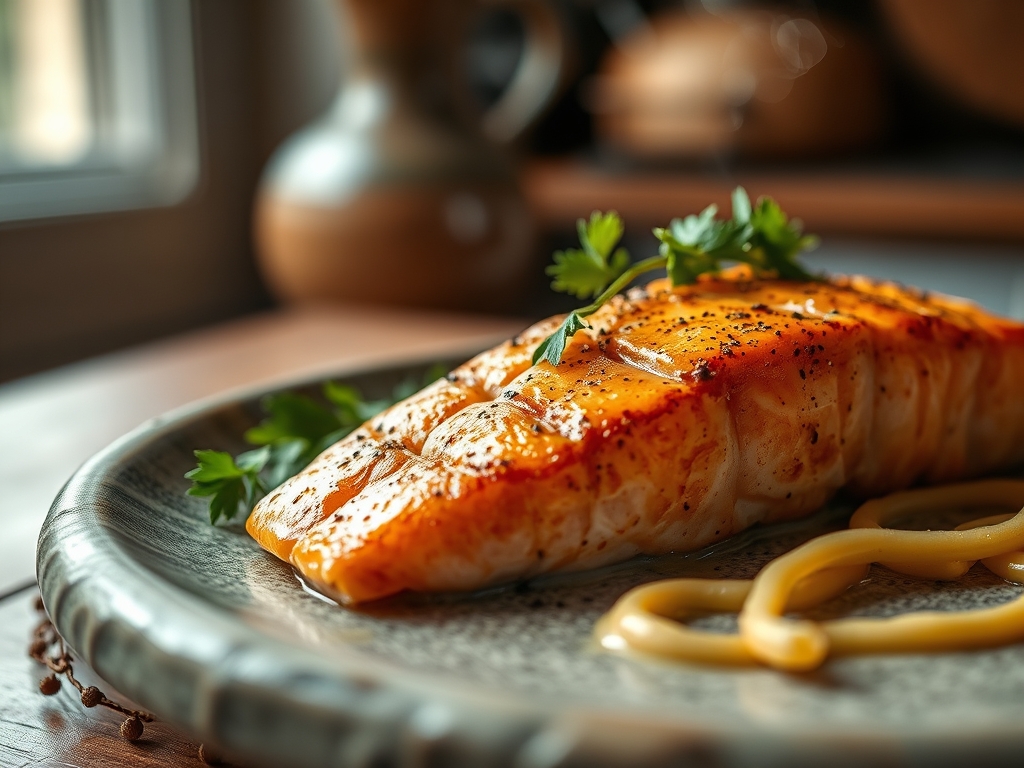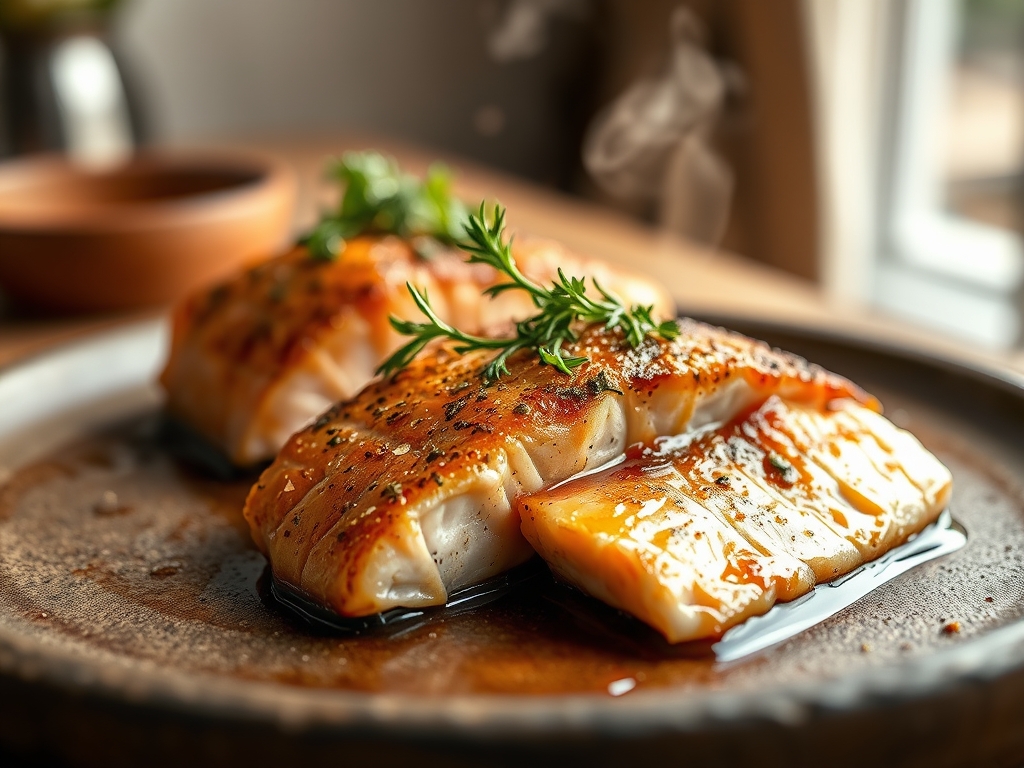
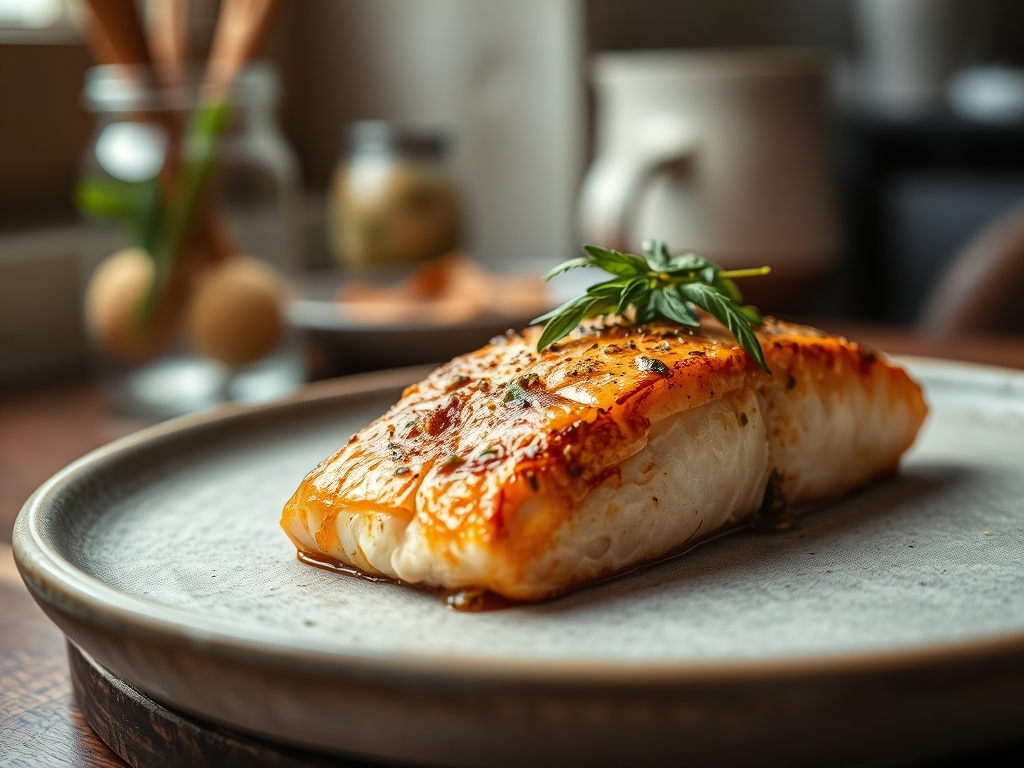
Close your eyes and imagine the crisp, saline air of a coastal morning where the scent of cedar smoke and wild herbs drifts through the kitchen. When we talk about egg harbor salmon recipes, we are not just discussing dinner; we are mastering the art of the perfect sear and the delicate flake that defines high-end maritime cuisine. This is where thermal precision meets rustic comfort. Whether you are working with a center-cut fillet or a side of cold-smoked lox, the goal is to respect the protein. Salmon is a fatty, cold-water marvel that demands a scientific touch to prevent the dreaded "white albumin" from weeping out of the fibers. Today, we are going to dive into ten variations that range from honey-glazed classics to herb-crusted masterpieces, ensuring every bite is a masterclass in texture and flavor.
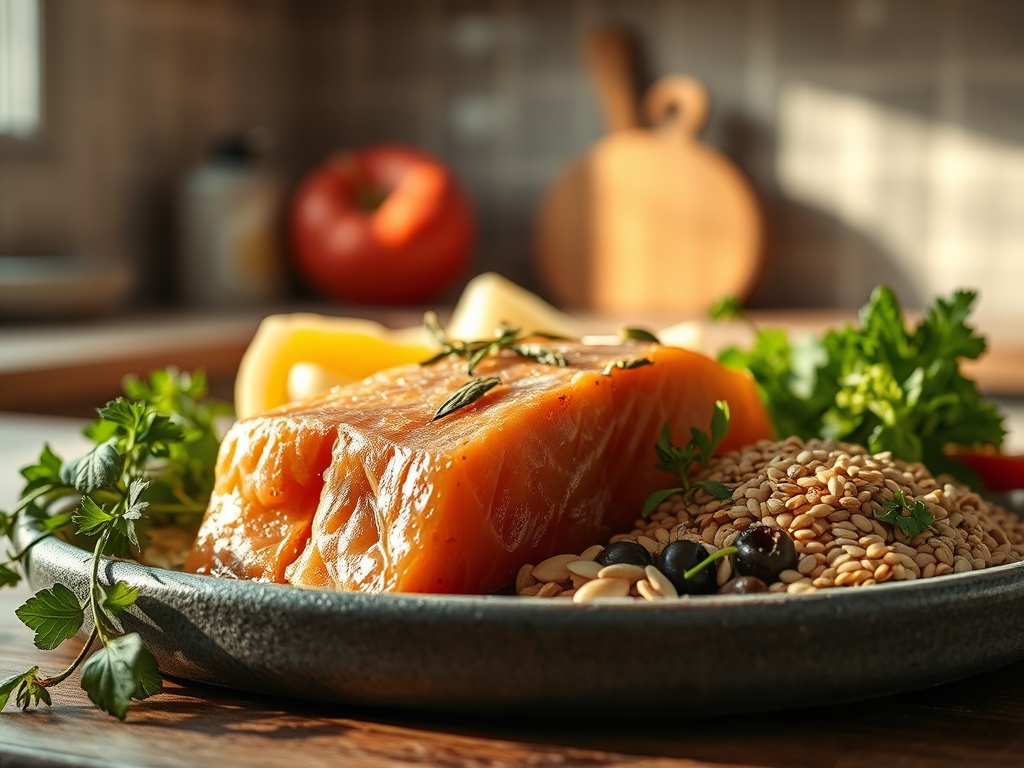
The Gathers:
Setting up your station is the difference between a frantic kitchen and a culinary symphony. For these egg harbor salmon recipes, your mise-en-place must be precise. Start with high-quality Atlantic or Sockeye fillets, ensuring they are patted bone-dry to facilitate the Maillard reaction. You will need a viscous binder, such as high-fat Dijon mustard or a reduction of maple syrup. Your aromatics should include fresh dill, flat-leaf parsley, and Meyer lemon zest, which contains more essential oils than standard lemons.
For the fats, reach for unsalted European-style butter; its lower water content allows for a higher smoke point during the basting phase. You will also need a piquant element, like non-pareil capers or a splash of dry white wine to deglaze the pan.
Smart Substitutions:
If you are out of fresh herbs, use a 1:3 ratio of dried herbs, but rehydrate them in a teaspoon of oil first to unlock their fat-soluble compounds. Instead of honey, a dark agave nectar provides a similar viscosity with a lower glycemic index. If you lack a saucier, a small heavy-bottomed saucepan will suffice for your reductions, provided you whisk constantly to aerate the emulsion.
The Clock
Efficiency in the kitchen is all about "Chef's Flow." You are looking at a total time of 35 minutes: 15 minutes for prep and 20 minutes for active cooking and resting. The "Flow" means starting your reduction while the salmon is still tempering on the counter. Never cook fish straight from the fridge; the temperature shock causes the muscle fibers to contract violently, resulting in a tough texture. By the time your heavy-bottomed skillet is shimmering with heat, your sides should be nearly finished, allowing the fish to be the final, hot element to hit the plate.
The Masterclass
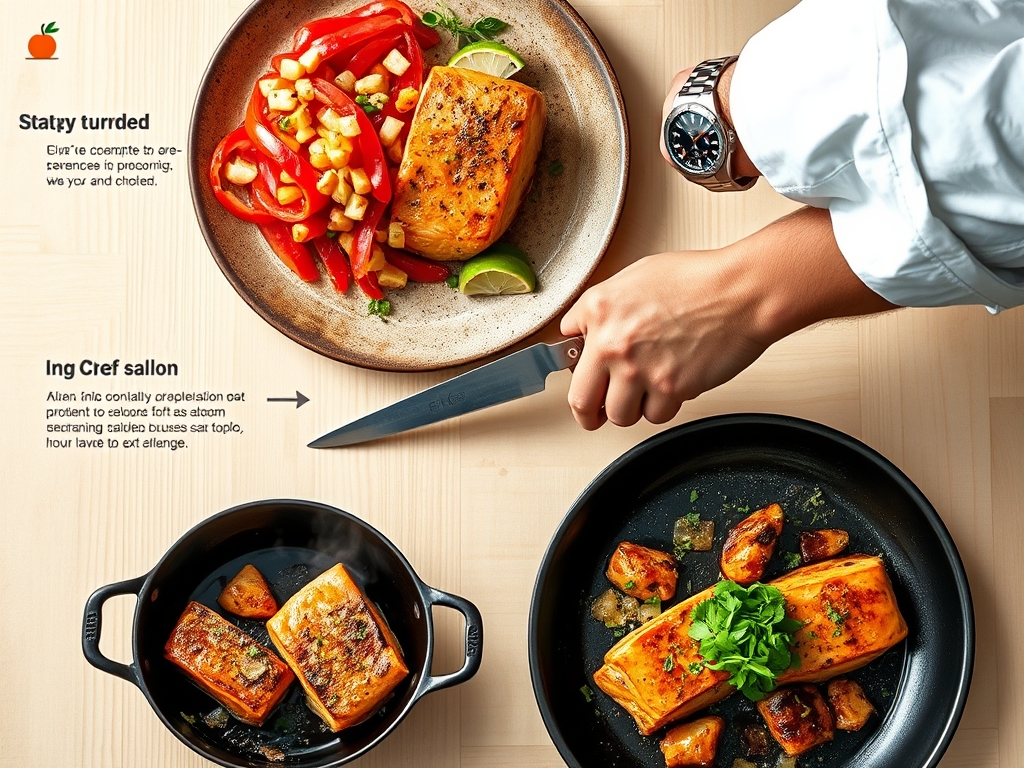
1. The Tempering and Drying Phase
Remove your salmon from its packaging and pat it dry with lint-free paper towels. Let it sit at room temperature for 15 minutes. This reduces the temperature gradient between the pan and the protein, ensuring the center reaches the target temperature without the exterior becoming overcooked.
Pro Tip: This is about thermal equilibrium. If the interior is too cold, the exterior will undergo excessive pyrolysis (burning) before the middle is safe to eat.
2. The Sear and Render
Place your skillet over medium-high heat. Once the oil is shimmering, lay the salmon skin-side down using tongs. Press down firmly with a fish spatula for 30 seconds to prevent the skin from curling. This ensures maximum contact for a crisp finish.
Pro Tip: This step renders the subcutaneous fat. As the fat liquifies, it fries the skin from the inside out, creating a glass-like crunch through dehydration of the surface cells.
3. The Butter Baste and Infusion
Once the skin is crisp, flip the fillet and drop a knob of butter, a smashed garlic clove, and a sprig of thyme into the pan. Use a large spoon to continuously pour the foaming butter over the fish. This is known as arroser.
Pro Tip: The foaming butter is a sign that water is evaporating. The milk solids are undergoing enzymatic browning, which adds a nutty, complex profile to the fish's mild flavor.
4. The Deglaze and Reduction
Remove the fish and set it on a warm plate. Pour off excess fat and add your white wine or citrus juice to the hot pan. Use a bench scraper or whisk to lift the fond (the browned bits) from the bottom.
Pro Tip: This is chemical solubility at work. The alcohol and acid dissolve the flavor-packed proteins stuck to the pan, creating a concentrated, savory base for your sauce.
5. The Final Rest
Allow the salmon to rest for 3 to 5 minutes before serving. This allows the internal juices, which have been pushed toward the center by the heat, to redistribute back toward the edges.
Pro Tip: This accounts for carryover cooking. The internal temperature will rise by about 5 degrees after removal from heat. Pulling the fish at 125F ensures a perfect 130F medium-rare finish.
The Deep Dive
When we look at the macro profile of these egg harbor salmon recipes, we are talking about a powerhouse of Omega-3 fatty acids and high-quality protein. A standard 6-ounce serving provides roughly 34 grams of protein and 18 grams of healthy fats.
Dietary Swaps:
- Vegan: Swap the salmon for thick-cut "steaks" of cauliflower or king oyster mushrooms, using the same searing and deglazing techniques to mimic the savory depth.
- Keto: Replace any honey or sugar in the glazes with a monk fruit erythritol blend to keep the net carbs near zero.
- Gluten-Free: Ensure your soy sauce is substituted with tamari or coconut aminos to avoid hidden wheat.
The Fix-It:
- The Fish is Sticking: This usually means the pan wasn't hot enough or you tried to flip it too soon. Wait for the protein to naturally release via the Leidenfrost effect.
- White Gunk (Albumin): This is a sign of overcooking or too much heat too fast. Lower your flame and use the "low and slow" method for the second half of the cook.
- Soggy Skin: You likely crowded the pan, creating steam. Cook in batches to ensure dry heat can circulate around each fillet.
Meal Prep:
To reheat salmon without it becoming "fishy" or dry, avoid the microwave. Instead, place it in a 275F oven with a tablespoon of water and cover tightly with foil. This creates a gentle steam chamber that rehydrates the fibers without over-denaturing the proteins.
The Wrap-Up
Mastering egg harbor salmon recipes is truly about confidence and chemistry. Once you understand how heat interacts with the fats and proteins of the fish, you move from following a recipe to creating a culinary experience. Use your microplane to shower the final dish with fresh zest, grab your best tongs, and remember that the best meals are the ones where you understand the "why" behind every sizzle in the pan.
The Kitchen Table
How do I stop salmon from smelling fishy?
Freshness is key, but soaking fillets in milk for twenty minutes before cooking can neutralize trimethylamine, the compound responsible for that pungent odor. Always pat the fish completely dry before it hits the hot oil.
What is the best internal temperature for salmon?
For a buttery, moist texture, aim for an internal temperature of 125F to 130F. Use a digital thermometer to check the thickest part. Carryover cooking will bring it to a perfect medium-rare while it rests.
Can I cook salmon with the skin off?
Yes, but you lose a layer of protection and flavor. If cooking skinless, use lower heat and more fat to prevent the delicate flesh from drying out or breaking apart in the heavy-bottomed skillet.
Why is my salmon glaze burning?
Glazes containing sugar or honey undergo caramelization quickly. Apply your glaze only during the last two minutes of cooking or use it as a finishing sauce after the fish has been removed from the direct heat source.