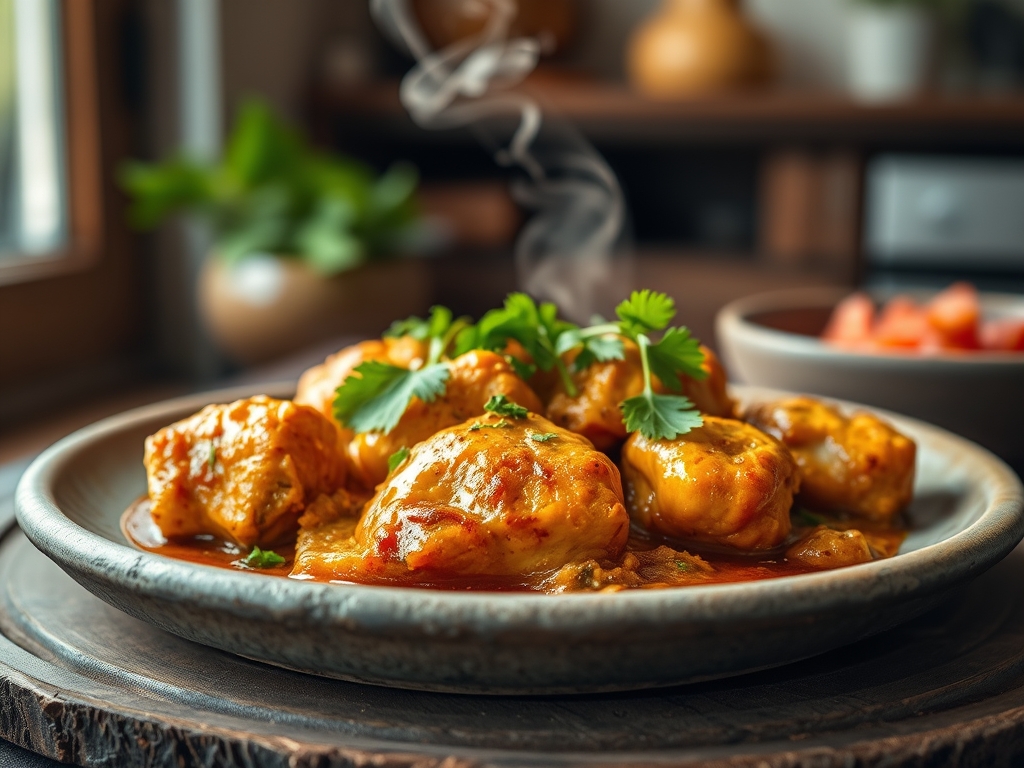
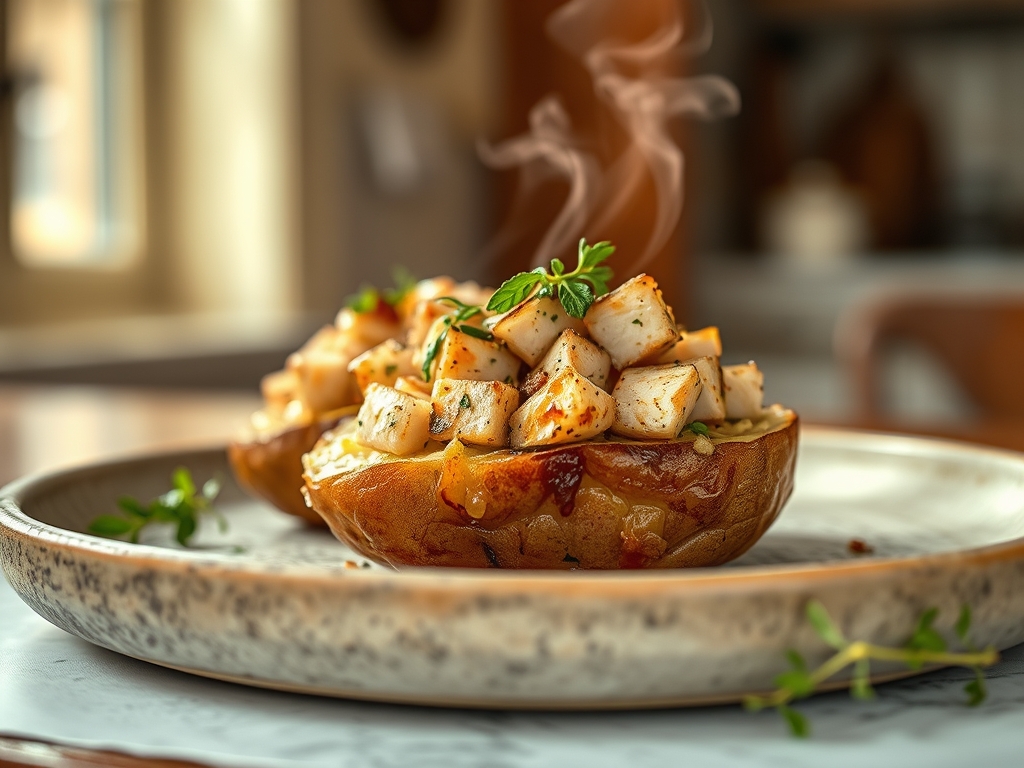
Imagine the scent of salt-crusted Russet skins crisping in a hot oven while the sharp, piquant aroma of lemon-zested tuna fills your kitchen. It is the ultimate comfort food evolution. Mastering tuna baked potato recipes requires more than just a fork and a tin; it demands an understanding of moisture migration and thermal contrast. We are turning a humble pantry staple into a gourmet vessel of velvety textures and bold, oceanic flavors.
The magic happens in the interplay between the earthy, starchy interior of the potato and the lean, protein-dense tuna. When you get the balance right, the potato acts as a thermal insulator, keeping your filling lush while the exterior provides a structural, salty crunch. This is not just a quick lunch. It is a calculated study in culinary physics and flavor layering that will make you rethink everything you know about the humble spud.
The Gathers:
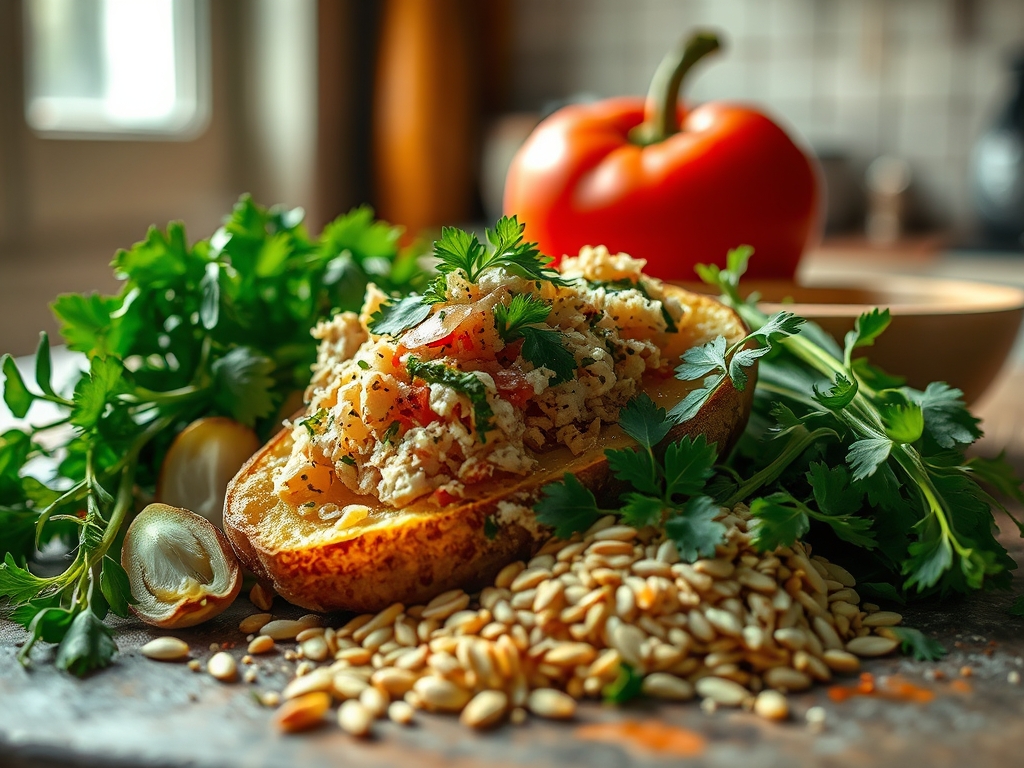
To achieve a five-star result, your mise-en-place must be precise. Start with large Russet potatoes; their high starch content and low moisture make them the only viable candidate for a fluffy interior. For the tuna, seek out solid white albacore packed in olive oil. The oil acts as a lipid bridge, carrying fat-soluble flavor compounds across your palate more effectively than water-packed varieties.
You will need a digital scale to ensure your potatoes are uniform in size, which guarantees even cooking times. Gather high-quality mayonnaise for a viscous binder, alongside Dijon mustard for acidity and capers for a burst of salt. Fresh dill and chives provide the necessary chlorophyll to cut through the richness.
Smart Substitutions:
If you are looking to lighten the profile, swap half the mayonnaise for Greek yogurt; the lactic acid provides a similar tang while increasing the protein density. For those avoiding nightshades, large roasted sweet potatoes offer a lower glycemic index, though the flavor profile will shift toward the saccharine. If you lack fresh herbs, a pinch of dried tarragon can provide a sophisticated, anise-forward alternative.
The Clock
Efficiency in the kitchen is about Chef's Flow, the art of overlapping tasks so no second is wasted.
- Prep Time: 15 minutes. This involves washing, drying, and piercing the potatoes, as well as flaking the tuna and mincing your aromatics.
- Cook Time: 60 to 75 minutes. The potatoes need a high-heat environment (400 degrees Fahrenheit) to drive out internal moisture and create that signature "mealy" texture.
- Assembly: 5 minutes. This is the final integration of the hot potato and the chilled or room-temperature tuna mixture.
The flow is simple: while the potatoes undergo their Maillard reaction in the oven, you prepare the tuna salad. This allows the flavors in the filling to infuse and meld, resulting in a more cohesive taste profile by the time the potatoes are ready for stuffing.
The Masterclass
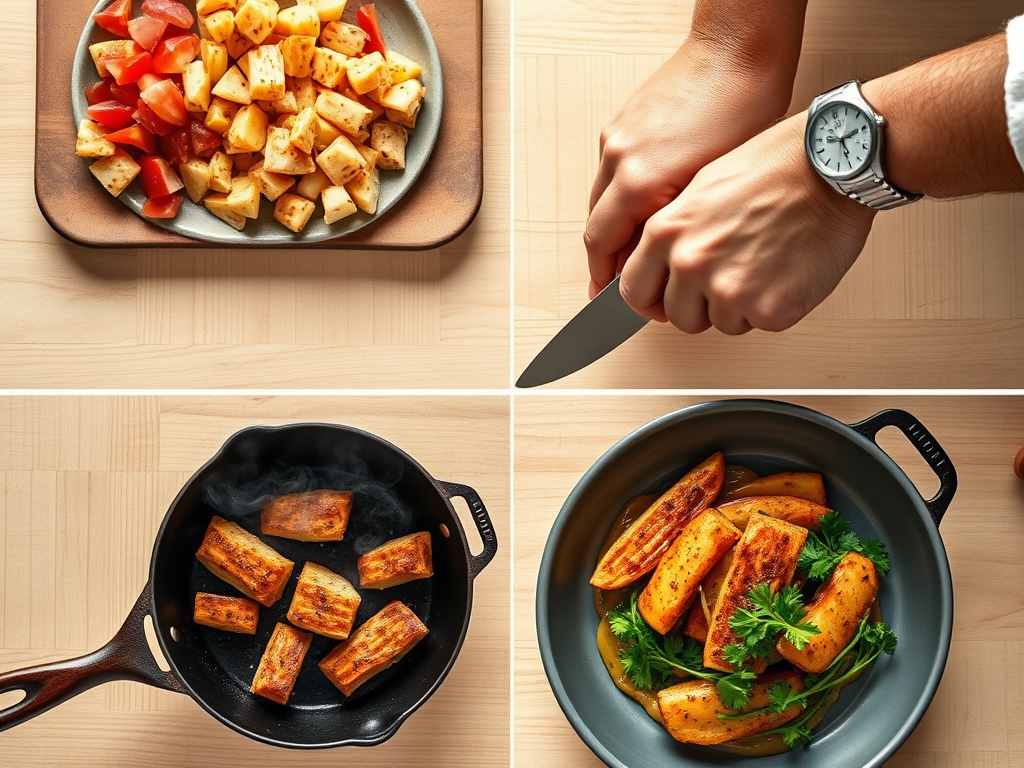
1. The Surface Preparation
Scrub the potatoes vigorously and dry them completely. Use a microplane to zest a lemon directly over your tuna, but first, rub the potato skins with olive oil and coarse sea salt.
Pro Tip: Drying the skin is essential to prevent steam buildup. If the skin is damp, the water will turn to steam and toughen the peel rather than crisping it through evaporative cooling.
2. The Piercing Ritual
Use a fork to prick the potato six to eight times. This creates "exhaust vents" for internal pressure.
Pro Tip: Skipping this step risks a "potato explosion." As the internal water reaches boiling point, the pressure must escape; without vents, the cellular structure of the potato will fail catastrophically.
3. The High-Heat Roast
Place the potatoes directly on the oven rack for maximum airflow. Do not use foil, as it traps steam and results in a boiled, soggy skin.
Pro Tip: Use tongs to rotate the potatoes halfway through. This ensures the heat distribution remains even, preventing "flat spots" where the potato contacts the rack.
4. The Tuna Emulsification
While roasting, combine your tuna, mayo, and aromatics in a saucier or small bowl. Use a fork to flake the tuna into small, uniform pieces to maximize surface area for the dressing.
Pro Tip: Adding a teaspoon of the tuna oil back into the mix creates a more stable emulsion. The fats wrap around the protein fibers, preventing the tuna from tasting dry or "stringy."
5. The Cross-Cut Opening
Once the internal temperature reaches 205 degrees Fahrenheit, remove the potatoes. Immediately cut a deep "X" into the top and squeeze the ends toward the center.
Pro Tip: This "fluffs" the potato. By releasing the steam immediately, you prevent it from re-absorbing into the starch granules, which would turn the interior "gummy" via retrogradation.
6. The Aeration Stage
Use a fork to gently scrape the interior flesh, increasing the volume and creating pockets for the filling.
Pro Tip: Aerate the potato while it is piping hot. The starch molecules are most flexible at high temperatures, allowing you to create a light, cloud-like texture before they set.
7. The Layered Filling
Drop a small knob of butter into the potato first, then spoon in the tuna mixture. The butter acts as a moisture barrier.
Pro Tip: This prevents the tuna dressing from soaking into the potato too quickly. It maintains the distinct textures of the hot, fluffy starch and the cool, creamy tuna.
8. The Final Infusion
Top with fresh chives and a crack of black pepper. The residual heat from the potato will slightly warm the tuna without "cooking" it.
Pro Tip: This is called thermal carryover. The heat from the potato is enough to volatilize the aromatic oils in the herbs, making the dish smell incredible the moment it hits the table.
The Deep Dive
Macro Nutrition:
A standard tuna-stuffed potato is a nutritional powerhouse. It provides complex carbohydrates for sustained energy, high-quality lean protein from the albacore, and essential Omega-3 fatty acids. One serving typically contains approximately 350 to 450 calories, depending on your mayo-to-tuna ratio.
Dietary Swaps:
- Vegan: Use "chickpea tuna" (mashed chickpeas with seaweed flakes) and vegan aquafaba-based mayo.
- Keto: Replace the potato with a roasted hollowed-out zucchini or bell pepper to keep the net carbs low.
- GF: This recipe is naturally gluten-free; just ensure your mustard and mayo are certified.
The Fix-It:
- Soggy Skin: Your oven temperature was too low. Fix it by cranking the heat to 425 degrees for the last 10 minutes.
- Dry Tuna: You likely drained the tuna too aggressively. Fix it by folding in a tablespoon of olive oil or a splash of heavy cream.
- Bland Interior: You forgot to salt the potato before roasting. Fix it by seasoning the fluffed interior with celery salt before adding the tuna.
Meal Prep:
To reheat and maintain "day-one" quality, avoid the microwave. Use an air fryer at 350 degrees for 5 minutes. This re-crisps the skin while gently warming the center. If you must use a microwave, place a small cup of water inside to keep the potato from dehydrating into a brick.
The Wrap-Up
Tuna baked potato recipes are the ultimate intersection of pantry efficiency and culinary science. By focusing on the texture of the Russet and the emulsification of the tuna filling, you elevate a simple meal into a textural masterpiece. Remember: crisp the skin, vent the steam, and never skimp on the aromatics. Now, grab your bench scraper to tidy up and dive into the fluffiest, most flavorful potato of your life!
The Kitchen Table
Can I wrap the potatoes in foil for a softer skin?
No. Foil traps steam, which boils the skin rather than crisping it. For the best texture, roast them naked on the rack to allow for proper moisture evaporation and a superior, salty crunch.
How do I know when the potato is perfectly cooked?
Use a digital thermometer to check for an internal temperature of 205 to 210 degrees Fahrenheit. Alternatively, a fork should slide into the center with absolutely no resistance, feeling like it is piercing soft butter.
Why is my tuna filling always so watery?
This usually happens if you include high-moisture add-ins like cucumbers or watery pickles. Always pat your aromatics dry and drain the tuna thoroughly using a fine-mesh sieve before mixing in your viscous binders like mayo or Greek yogurt.
Can I make the tuna filling ahead of time?
Absolutely. In fact, making it 24 hours in advance allows the flavors to infuse and develop. Just keep it in an airtight container in the refrigerator and give it a quick stir before stuffing your hot potatoes.