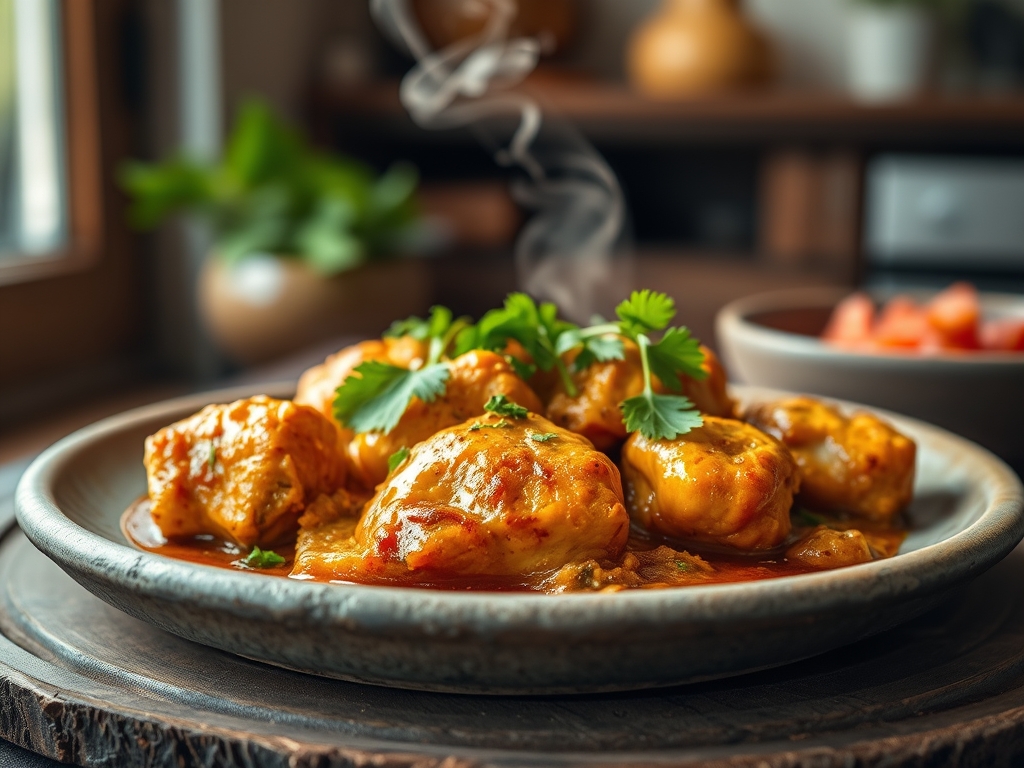
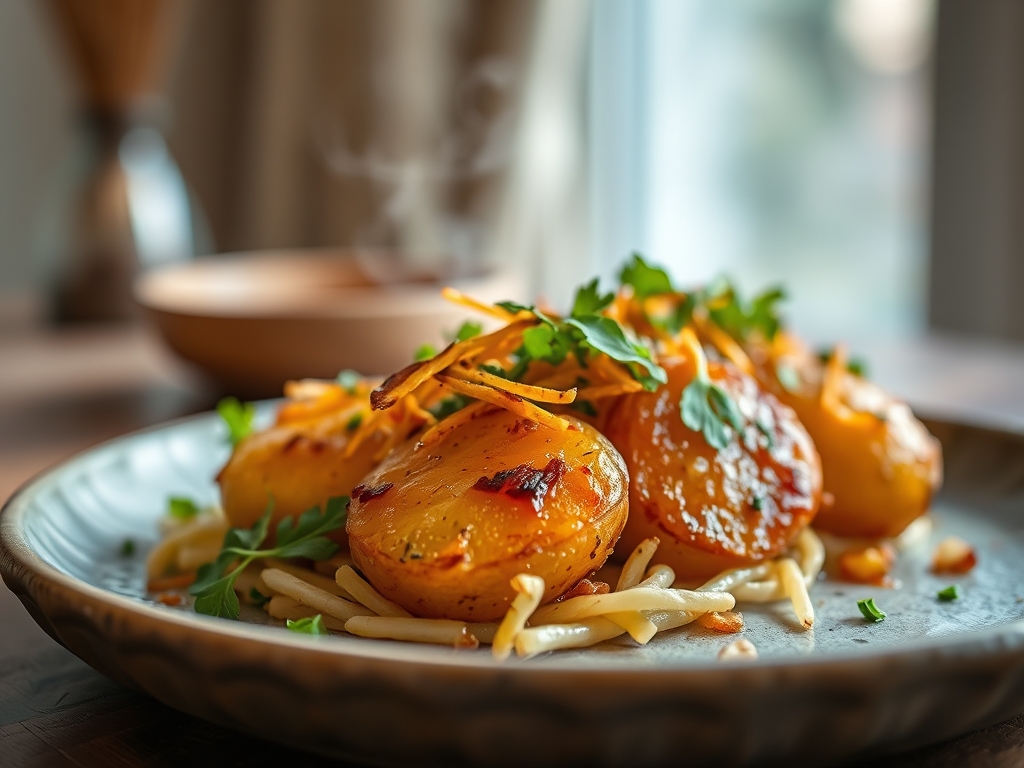
Imagine the scent of toasted galangal and kaffir lime leaves hitting a hot pan. Now, imagine that aromatic punch soaking into the creamy, buttery heart of a perfectly cooked tuber. While many people associate Southeast Asian cuisine strictly with rice or noodles, these seven bold thai potato recipes prove that the humble spud is the ultimate canvas for heat, acid, and funk. Potatoes are culinary sponges; they possess a unique cellular structure that absorbs coconut milk and spice pastes far better than grains ever could. Whether you are craving the velvety comfort of a Massaman curry or the aggressive crunch of a chili-dusted fry, integrating potatoes into your Thai repertoire is a total game changer. We are moving beyond the side dish and elevating the potato to its rightful place as the star of the show. Grab your apron and your favorite heavy-bottomed skillet because we are about to re-engineer your dinner routine with scientific precision and a lot of soul.
The Gathers:
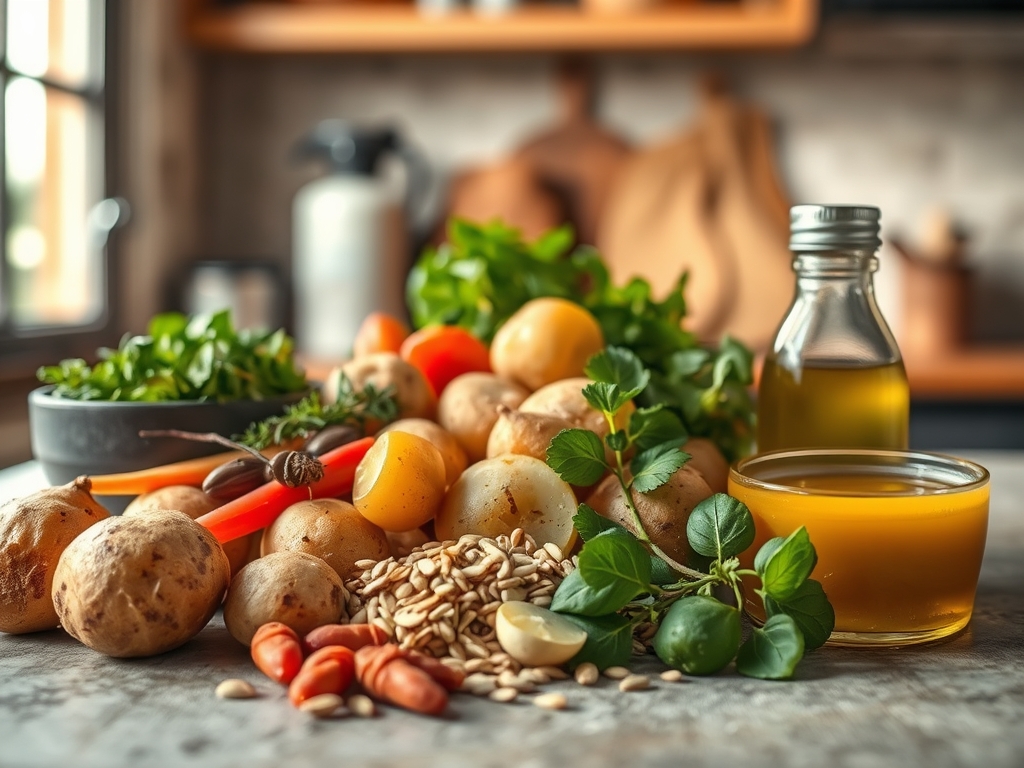
To execute these thai potato recipes with professional finesse, your mise-en-place must be impeccable. We are looking for a balance of textures: the viscous nature of full-fat coconut milk, the piquant bite of bird's eye chilies, and the starchy integrity of Yukon Gold or Russet potatoes. Using a digital scale to measure your aromatics ensures consistency; a few grams of extra shrimp paste can easily tilt the balance from savory to overwhelming.
The Essentials:
- Potatoes: Use Yukon Golds for curries because their medium starch content holds its shape during long simmers. Use Russets for frying to achieve maximum Maillard reaction crispness.
- Aromatics: Fresh lemongrass (white parts only), peeled galangal, and shallots. Use a microplane to zest your limes to capture the essential oils without the bitter pith.
- Liquids: Fish sauce for umami, palm sugar for a caramel-like sweetness, and coconut cream to emulsify the fats.
Smart Substitutions:
If you cannot find galangal, do not just use ginger; add a pinch of black pepper and extra lime zest to mimic that piney, citrusy profile. For a vegan alternative to fish sauce, a mixture of light soy sauce and fermented mushroom powder provides the necessary glutamates. If you are avoiding nightshades, swap the potatoes for taro or sweet potatoes, though you will need to adjust your cook times as taro is significantly more dense.
The Clock
Efficiency in the kitchen is all about the Chef's Flow. For these recipes, expect a total active prep time of 25 minutes and a cook time ranging from 15 to 40 minutes depending on the specific dish.
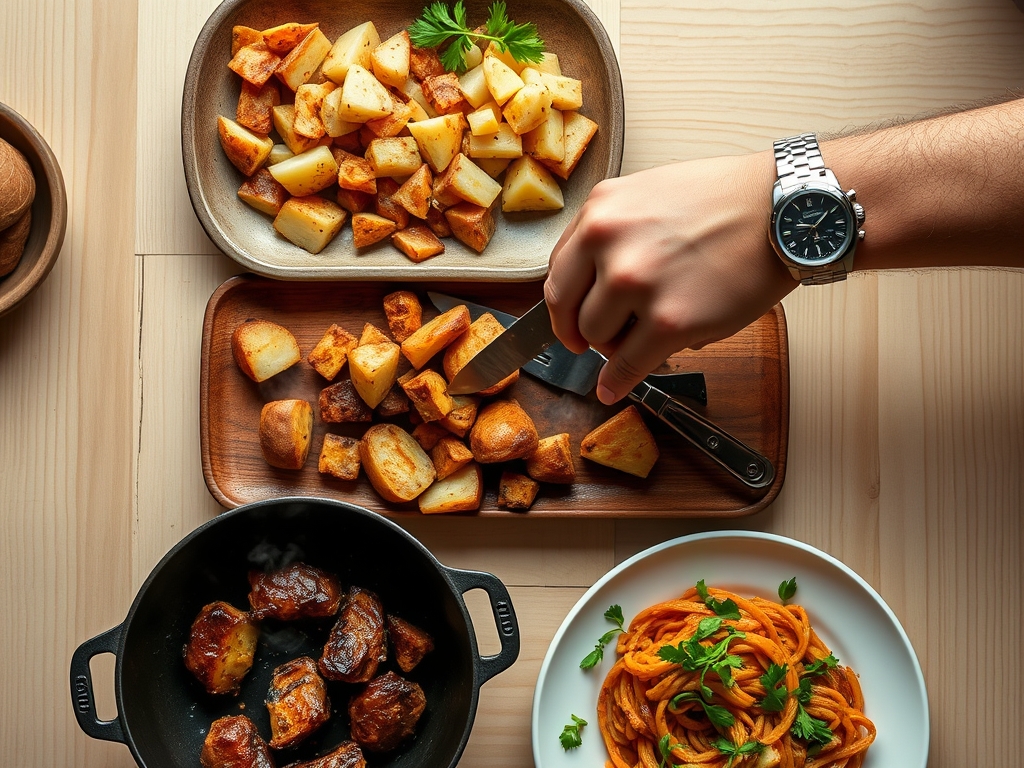
The flow begins with the "Cold Start." Always start your potatoes in cold, salted water to ensure the exterior does not turn to mush before the interior reaches the ideal temperature. While the potatoes undergo their initial parboiling, use your bench scraper to clear your station and prep your aromatics. By the time the potatoes are fork-tender, your curry paste should be rendering in the pan. This overlapping timeline ensures that the dish finishes with all components at their peak texture.
The Masterclass
1. The Parboil and Shock
Start by peeling and cubing your potatoes into uniform 1-inch pieces. Place them in a saucier with cold water and a heavy pinch of salt. Bring to a boil, then immediately reduce to a simmer.
Pro Tip: This prevents enzymatic browning and ensures even starch gelatinization. By starting cold, you allow the heat to penetrate the center of the potato at the same rate as the surface.
2. Rendering the Aromatics
Heat a tablespoon of neutral oil in a heavy-bottomed skillet. Add your curry paste and use a wooden spoon to break it down. You are looking for the oil to separate from the solids; this is the signal that the spices have been properly bloomed.
Pro Tip: The separation of oil indicates that the moisture has evaporated, allowing the fat-soluble flavor compounds in the spices to reach temperatures above 212 degrees Fahrenheit, intensifying the aroma.
3. The Coconut Emulsification
Slowly pour in your coconut milk while whisking constantly. Bring the mixture to a gentle simmer, ensuring the fat and liquid do not break into a greasy mess.
Pro Tip: Use a whisk to aerate the sauce slightly, which helps create a stable emulsion between the coconut fats and the water-based curry paste.
4. The Infusion Phase
Add your parboiled potatoes to the simmering sauce. Lower the heat and let them braise for 10 to 12 minutes. This is where the potatoes act as a sponge, pulling the salt and spice into their cellular matrix.
Pro Tip: Avoid vigorous boiling here. High heat can cause the potato cells to rupture, releasing too much amylose and making your sauce unpleasantly gummy.
5. The Final Seasoning
Off the heat, stir in your fish sauce, lime juice, and fresh herbs like Thai basil or cilantro. Use tongs to gently fold the herbs in so they do not bruise.
Pro Tip: Heat destroys the volatile compounds in fresh herbs and the bright acidity of lime juice. Adding them at the very end preserves their vibrant profile and prevents the sauce from tasting flat.
The Deep Dive
Macro Nutrition:
Potatoes are a fantastic source of complex carbohydrates and potassium. When paired with the healthy medium-chain triglycerides (MCTs) found in coconut milk, these thai potato recipes provide sustained energy. A standard serving contains approximately 350 calories, 45g of carbs, and 12g of healthy fats.
Dietary Swaps:
- Vegan: Replace fish sauce with "No-Fish" sauce or coconut aminos. Use extra salt to compensate for the lack of brine.
- Keto: This is a challenge with potatoes, but you can swap 75% of the potatoes for cauliflower florets to significantly lower the net carb count while keeping the flavor profile intact.
- Gluten-Free: Most thai potato recipes are naturally GF, but always check your curry paste labels for hidden wheat thickeners.
The Fix-It:
- Too Salty: Do not add water; it dilutes the flavor. Instead, add a splash of coconut cream or a pinch more palm sugar to balance the sodium.
- Greasy Sauce: This happens if the coconut milk "breaks." Fix it by whisking in a teaspoon of cornstarch slurry over low heat to re-bind the fats.
- Mushy Potatoes: You likely overcooked them during the parboil. Next time, use a timer and pull them when they still have a slight "snap" in the center.
Meal Prep & Reheating:
Potatoes actually develop a "resistant starch" when cooled, which is great for gut health. To reheat, avoid the microwave, which turns potatoes rubbery. Instead, use a small pot on the stove with a tablespoon of water to deglaze the pan and loosen the sauce, restoring that "day-one" silkiness.
The Wrap-Up
There is something deeply satisfying about mastering the science behind your favorite comfort foods. These thai potato recipes are more than just a meal; they are an exercise in balancing the five pillars of Thai flavor: salty, sweet, sour, spicy, and bitter. By understanding how starch interacts with fat and acid, you have moved from being a recipe-follower to a true kitchen scientist. Now, go serve these up, grab a cold drink, and enjoy the literal fruits (or tubers) of your labor!
The Kitchen Table
Can I use any potato for Thai curry?
While you can use any variety, Yukon Gold potatoes are best. Their waxy-creamy texture allows them to absorb the curry sauce without disintegrating, unlike starchy Russets which may fall apart and make the sauce too thick or grainy.
How do I stop my coconut milk from curdling?
Avoid boiling the sauce vigorously. High heat causes the proteins to tighten and separate from the fats. Keep the heat at a gentle simmer and stir frequently to maintain a smooth, creamy, and fully emulsified sauce texture.
Is it necessary to peel the potatoes?
For authentic Thai texture, peeling is recommended. Potato skins can become tough or papery when braised in coconut milk. Removing the skin allows the sauce to penetrate the potato flesh more deeply, ensuring every bite is infused with flavor.
How long do these Thai potato dishes last?
Stored in an airtight container, these dishes last 3 to 4 days in the refrigerator. The flavors often improve overnight as the aromatics continue to infuse into the potatoes, making them an excellent option for advanced meal prep.