Picture this: the sun is dipping below the jagged silhouette of the pines; the air is turning crisp; and the scent of woodsmoke is beginning to cling to your favorite flannel. You are hungry, but not for some sad, dehydrated trail mix. You want something golden, crispy, and deeply satisfying. Mastering campfire potato recipes is the ultimate badge of honor for any outdoor enthusiast because it requires a delicate dance with an unpredictable heat source. We are moving beyond the basic foil packet and diving into the chemistry of the perfect spud. Whether you are craving a smoky hash or a buttery smashed potato, the secret lies in managing moisture and heat distribution. By the time we are done, you will be the undisputed hero of the campsite, armed with the technical knowledge to turn a humble tuber into a five star feast under the stars.
The Gathers:
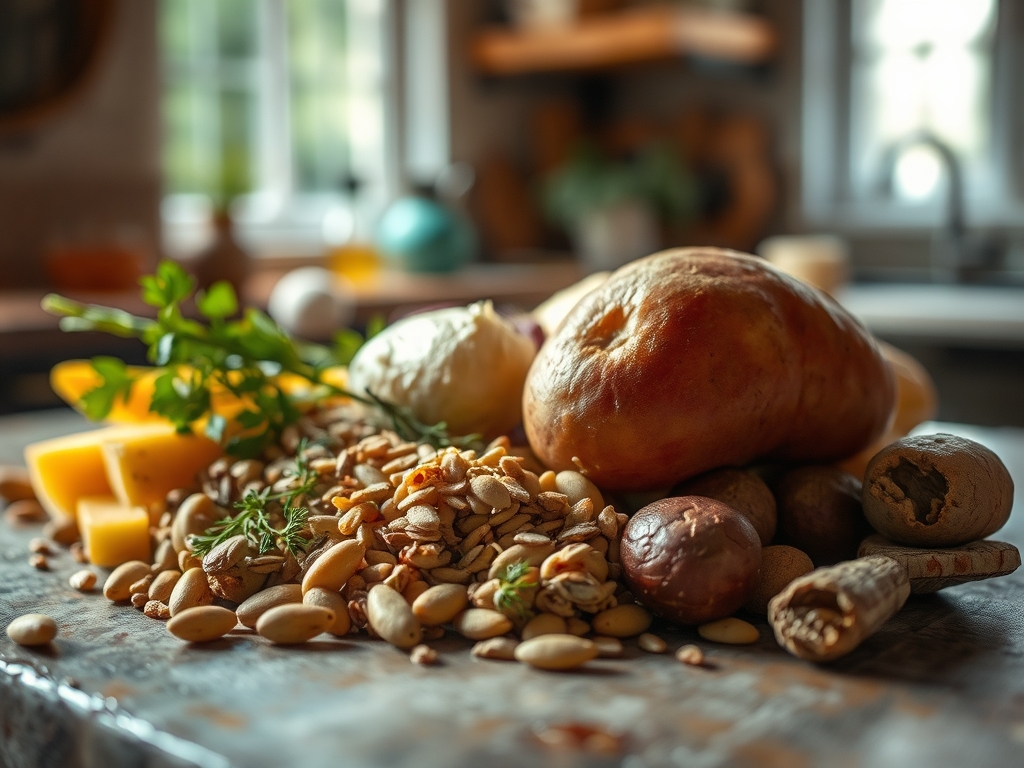
To execute these campfire potato recipes with precision, your mise-en-place must be impeccable. Start with the starch. For high-heat roasting, choose Russets for their high amylose content, which creates that fluffy interior. For salads or smashed techniques, opt for Yukon Golds; their medium starch levels and waxy skins hold structural integrity during the boil. You will also need a viscous fat source. While butter is classic, a high-smoke-point oil like avocado oil or rendered duck fat will prevent acrid, burnt flavors over an open flame.
Bring along a piquant selection of aromatics. Think fresh rosemary sprigs, smashed garlic cloves, and a coarse sea salt to provide a tactile crunch. For tools, a heavy-bottomed skillet or a seasoned cast iron Dutch oven is non-negotiable for heat retention. A bench scraper is surprisingly useful for moving large batches of chopped potatoes, and a microplane allows you to infuse the dish with fresh lemon zest or hard cheeses at the very last second.
Smart Substitutions: If you are light on packing space, swap fresh onions for dehydrated onion flakes; they rehydrate in the potato juices and provide a concentrated savory punch. No butter? A high-quality olive oil works, but add a pinch of nutritional yeast to mimic that nutty, lactic richness.
The Clock:
Efficiency in the wild is all about the Chef's Flow. Prep time should take no more than 15 minutes if you use a sharp chef's knife to maintain uniform surface area. Total cook time ranges from 25 to 45 minutes depending on the intensity of your coal bed.
The flow is simple: start your fire an hour before you plan to eat. You are not cooking over flames; you are cooking over the radiant heat of glowing embers. While the wood burns down to coals, perform your knife work. If you are doing a par-boil method, get your water over the flame early. This staggered approach ensures that by the time your potatoes hit the iron, the temperature is stable and your hunger is peaking at just the right moment.
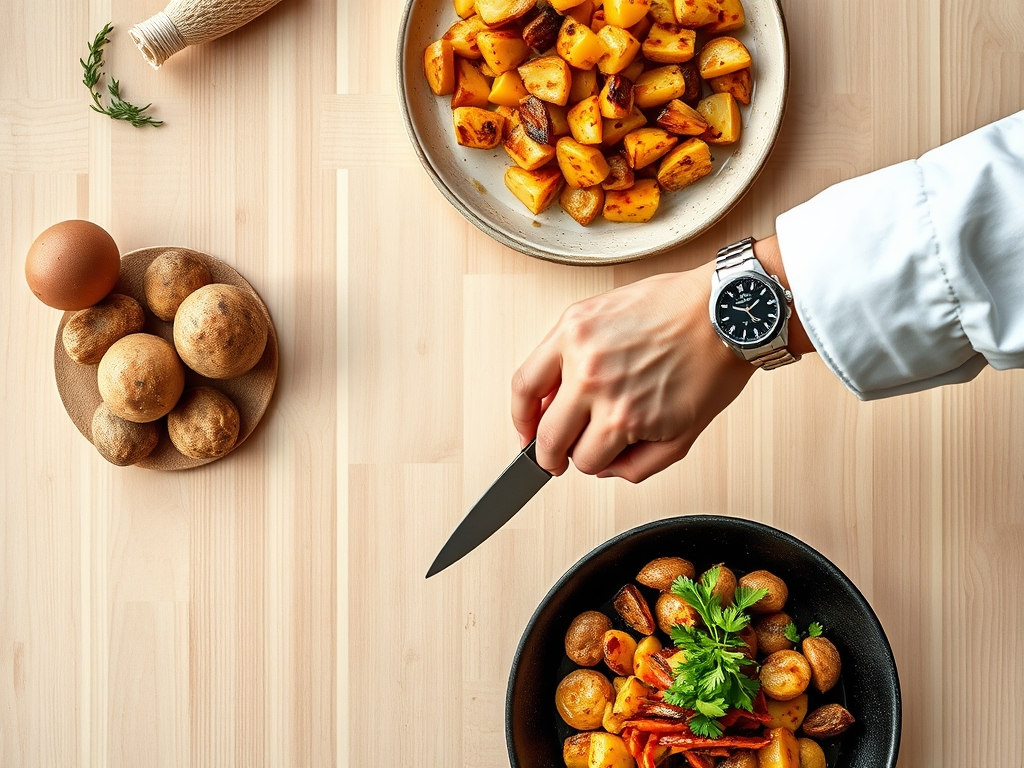
The Masterclass:
1. The Par-Boil Precision
Before the potatoes ever touch the skillet, simmer them in heavily salted water until just tender. This hydrates the starch granules and ensures the interior is creamy by the time the exterior is crisp.
Pro Tip: This prevents enzymatic browning and reduces the final frying time. Adding a splash of vinegar to the water strengthens the pectin, keeping the slices from falling apart.
2. The Searing Phase
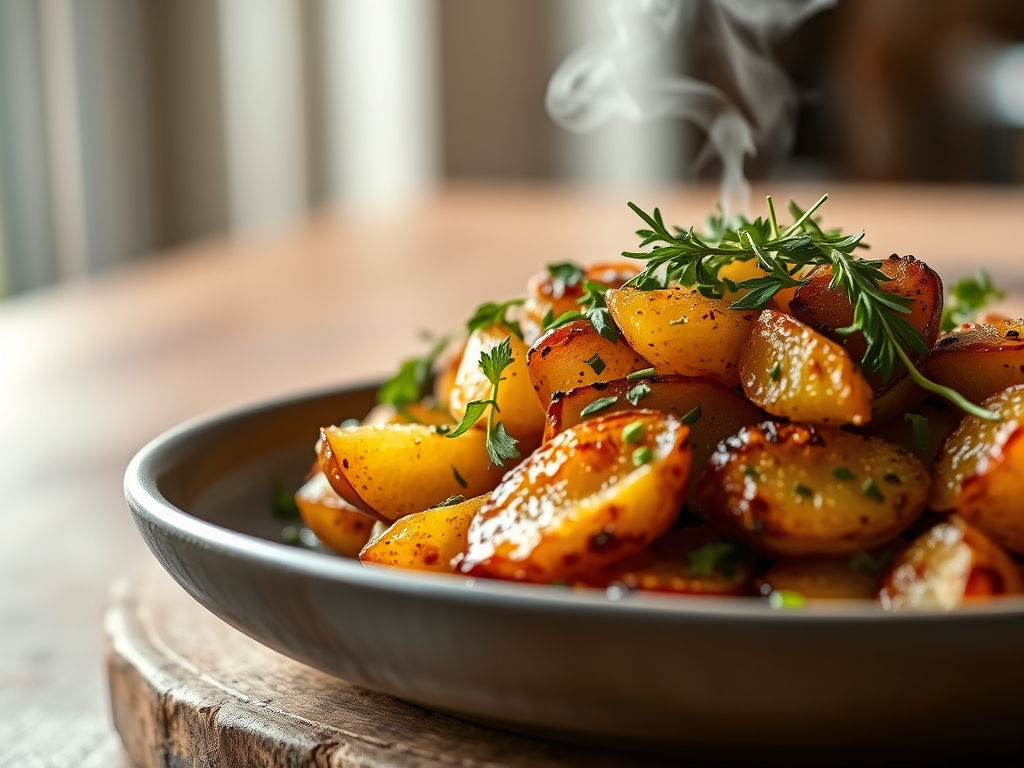
Place your cast iron directly on a grate over hot coals. Add your fat and wait for it to shimmer. Add the potatoes in a single layer, ensuring they are not crowded to avoid steaming.
Pro Tip: Use tongs to flip each piece individually. Crowding the pan drops the surface temperature, which inhibits the Maillard reaction, the chemical process that creates those complex, savory crusts.
3. The Aromatic Infusion
When the potatoes are three-quarters done, toss in your smashed garlic and woody herbs. This is the moment to aerate the pan by tossing the contents gently to coat every surface in flavored fat.
Pro Tip: Adding aromatics too early leads to carbonization and bitterness. By waiting, you infuse the oil with volatile compounds without burning the delicate garlic solids.
4. The Smashed Technique
For maximum surface area, take a par-boiled potato and use the bottom of a clean jar or a bench scraper to flatten it to a half-inch thickness before frying.
Pro Tip: This creates "nooks and crannies" that catch salt and fat. The increased surface-to-volume ratio maximizes the ratio of crispy crust to fluffy interior.
5. The Foil Packet Steam-Fry
If cooking directly in the coals, double-wrap your potatoes with a layer of parchment inside the foil. This creates a mini-oven environment.
Pro Tip: The parchment prevents the potato skin from sticking to the foil and protects it from the intense conductive heat of the coals, which can otherwise cause localized scorching.
6. The Acidic Brightening
Just before serving, hit the potatoes with a squeeze of lemon or a splash of apple cider vinegar. This cuts through the heavy lipids and wakes up the palate.
Pro Tip: Acidity balances the pH of the dish. It acts as a flavor enhancer, much like salt, by stimulating salivary glands and making the savory notes "pop."
7. The Carryover Rest
Remove the skillet from the heat while the potatoes look just slightly underdone. Let them sit for three minutes before serving.
Pro Tip: This utilizes thermal carryover. The internal heat continues to cook the center, while the brief rest allows the exterior crust to firm up and become even crunchier.
8. The Emulsified Topping
Finish with a dollop of creme fraiche or a drizzle of herb-infused oil. Use a saucier if you are feeling fancy to pour a warm cheese reduction over the top.
Pro Tip: Fat carries flavor. By adding a cold or room-temperature fat at the end, you create a rich mouthfeel that lingers longer than the heat alone.
The Deep Dive:
From a Macro Nutrition standpoint, potatoes are an outdoor athlete's best friend. They are packed with complex carbohydrates for sustained energy and contain more potassium than a banana, which helps prevent cramping after a long hike.
Dietary Swaps: For a Vegan version, use coconut oil or a high-quality vegan butter. For Keto followers, swap half the potatoes for radishes; when roasted, radishes lose their peppery bite and take on a texture remarkably similar to a red potato. This recipe is naturally Gluten-Free, provided your seasonings are pure.
The Fix-It:
- Burnt Outside, Raw Inside: Your coals are too hot. Move the pan to the edge of the fire and add a tablespoon of water, then cover with a lid to use steam to finish the interior.
- Soggy Potatoes: You crowded the pan or used too much oil. Remove some oil and increase the heat to evaporate excess moisture.
- Bland Flavor: You under-salted during the prep. Use a digital scale next time to measure 1.5 percent salt by weight, or hit them with a finishing salt now.
Meal Prep: To achieve "day-one" quality when reheating, avoid the microwave. Instead, use a heavy-bottomed skillet with a teaspoon of oil to re-crisp the skins. The dry heat will re-gelatinize the starches without making them gummy.
The Wrap-Up:
There is something primal and deeply rewarding about perfecting campfire potato recipes. It is a blend of rugged survivalism and sophisticated culinary science. When you hear that sizzle against the cast iron and smell the rosemary hitting the hot fat, you know you have moved beyond simple "camping food." You are now crafting a memory. So, grab your tongs, stoke those coals, and prepare to serve the best potatoes your friends have ever tasted. The wilderness is your kitchen; make it delicious.
The Kitchen Table:
What are the best potatoes for campfire cooking?
Yukon Golds are the gold standard. Their waxy texture prevents them from disintegrating over high heat, while their thin skins crisp up beautifully without the need for peeling, saving you time and effort at the campsite.
How do I prevent potatoes from sticking to the foil?
Always use a generous amount of fat and consider a layer of parchment paper between the potato and the foil. This creates a non-stick barrier and ensures the delicate skins remain intact when you unwrap your meal.
Can I cook potatoes directly in the coals?
Yes, but you must use the "ember-roasting" technique. Wrap them tightly in heavy-duty foil and bury them in hot coals, not active flames. This provides steady, even heat that transforms the interior into a buttery mash.
How long do potatoes take to cook over a fire?
Generally, chopped potatoes take 20 to 30 minutes in a skillet. Whole potatoes buried in coals require 45 to 60 minutes. Always check for tenderness with a fork; it should slide in with zero resistance.