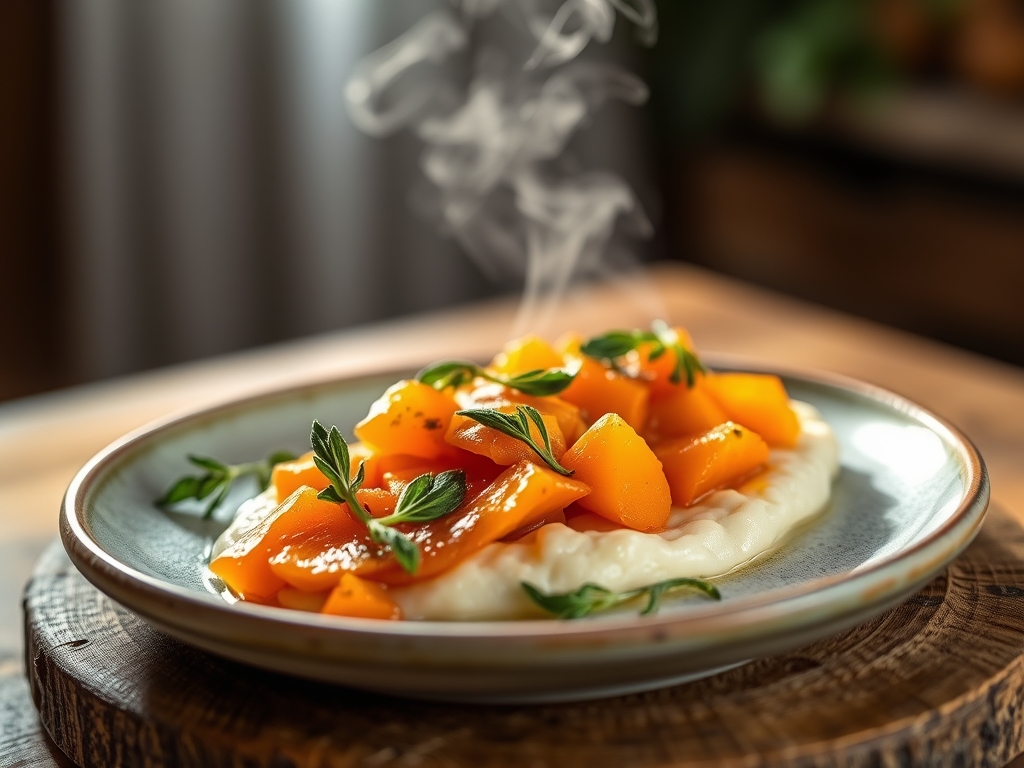
Imagine a humid, honeyed aroma curling through your kitchen; it is the scent of caramelized sugars and toasted pecans. While most people relegate the humble tin to the back of the pantry, we are unlocking the potential for the best canned sweet potato recipes that defy their utilitarian origins. We are moving beyond the marshmallow mush into a realm of sophisticated, chef-caliber textures and complex flavor profiles.
The secret to elevating canned tubers lies in understanding their pre-cooked state. Because they have already undergone a commercial blanching process, the cellular structure is softened. This means we are not cooking them for tenderness; we are manipulating them for Maillard reactions and structural integrity. Whether you are whipping up a silky bisque or a charred hash, the canned variety offers a unique starch consistency that fresh potatoes often struggle to replicate without hours of roasting.
We are about to transform these orange gems into six distinct masterpieces. From piquant chipotle mashes to aerated souffles, the versatility of this ingredient is staggering. Grab your favorite apron and clear the counter. We are diving into the molecular magic of the pantry staple, ensuring every bite is a testament to smart, efficient, and wildly delicious home cooking.
The Gathers:
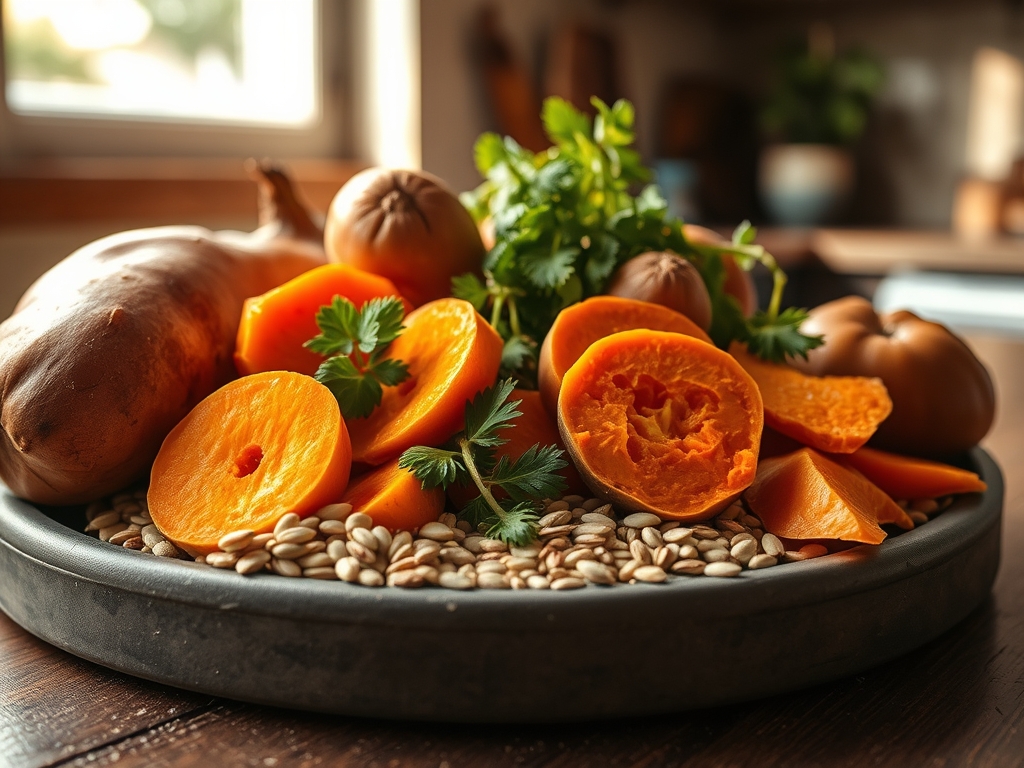
To execute the best canned sweet potato recipes, your mise-en-place must be precise. Start with high-quality canned yams or sweet potatoes packed in light syrup or water. You will need a digital scale to ensure your ratios are exact, as the moisture content in canned goods can vary by brand. Gather your aromatics: fresh ginger root, garlic cloves, and shallots. For fats, keep unsalted European-style butter (which has a higher butterfat content) and heavy cream on standby to create a luxurious mouthfeel.
Smart Substitutions: If you are avoiding dairy, high-fat coconut milk provides a similar viscous quality and a complementary tropical note. For a sugar-free approach, swap the syrup-packed cans for those in water and use monk fruit sweetener or a splash of bourbon to mimic that deep, fermented sweetness. Instead of traditional flour for thickening, try arrowroot powder; it maintains a glossy finish without the chalky aftertaste of raw grain.
The Clock
Efficiency in the kitchen is about the Chef's Flow. This is the art of overlapping tasks so that no heat is wasted. For these six upgrades, your active prep time is a mere fifteen minutes. The digital scale helps you measure ingredients in seconds rather than fumbling with cups. Most recipes will require a ten-minute render or sear time, followed by a brief rest.
Total time from pantry to plate averages twenty-five minutes. This speed is possible because the canning process has already broken down the tough cellulose and hemicellulose in the potato cell walls. You are essentially skipping the forty-five-minute roasting phase required for raw tubers. This makes these techniques perfect for high-pressure weeknight dinners where quality cannot be sacrificed for speed.
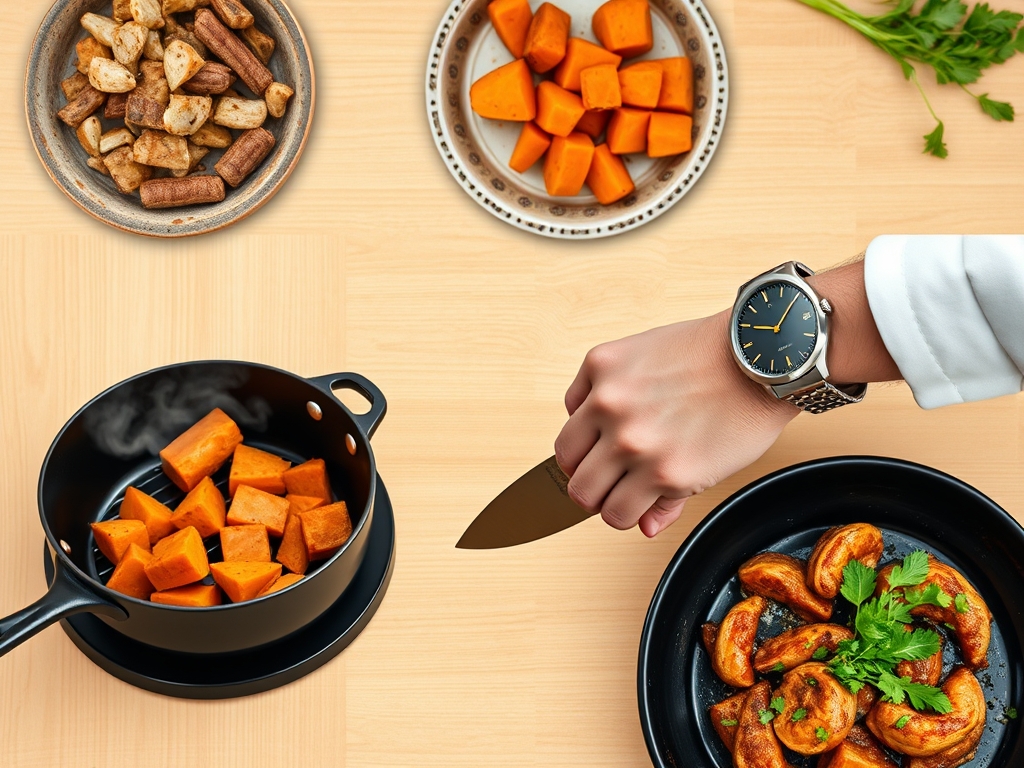
The Masterclass
1. The Triple-Strain Silky Purée
Drain your canned potatoes and pass them through a fine-mesh sieve or a chinois. This removes any fibrous vascular bundles that survived the canning process. Transfer the pulp to a saucier and whisk in cold butter cubes one at a time to create a stable emulsion.
Pro Tip: This technique utilizes mechanical shear to break down starch granules while simultaneously suspending fat droplets. By adding cold butter to a warm base, you prevent the fat from separating, resulting in a velvet texture that coats the palate.
2. The Cast-Iron Maillard Sear
Pat the potato chunks bone-dry with paper towels. Heat a heavy-bottomed skillet until it reaches the smoke point of your oil. Drop the potatoes in a single layer and do not move them for three minutes. Use tongs to flip them once a deep mahogany crust forms.
Pro Tip: This is the Maillard reaction in action. Because canned potatoes have a high surface sugar content from the packing syrup, they caramelize faster than fresh ones. Dehydrating the surface is crucial; moisture is the enemy of a crisp crust.
3. The Aerated Spiced Soufflé
Place the potatoes in a stand mixer and use the whisk attachment to aerate the mass. Fold in whipped egg whites and a pinch of cream of tartar. Bake in individual ramekins until the internal temperature reaches 160 degrees Fahrenheit.
Pro Tip: The cream of tartar acts as a stabilizer for the egg white proteins. It prevents the sulfur bonds from over-tightening, which allows the air bubbles to expand without popping during the thermal expansion phase of baking.
4. The Piquant Infusion
In a small saucepan, infuse brown butter with sage, nutmeg, and a hint of chipotle in adobo. Toss the warmed canned potatoes in this mixture, using a bench scraper to gently break them into rustic, bite-sized pieces.
Pro Tip: Fat is a flavor carrier. By heating the spices in butter first, you are extracting fat-soluble volatile compounds that would otherwise remain trapped in the spices. This creates a more rounded, lingering flavor profile.
5. The Deglazed Sweet Hash
Sauté diced pancetta in a skillet until the fat is rendered. Add the canned potatoes and a splash of apple cider vinegar to deglaze the pan, scraping up the browned bits (fond) from the bottom.
Pro Tip: The acidity in the vinegar balances the high glycemic sweetness of the potatoes. It also acts as a solvent to lift the flavorful proteins stuck to the pan, reincorporating them into the dish for maximum umami.
6. The Microplane Zest Finish
Finish any of these dishes with a fresh grating of orange zest or ginger using a microplane. The bright, citrus oils provide a top-note contrast to the earthy, dense base of the potato.
Pro Tip: Citrus oils are highly volatile and dissipate with heat. Adding them at the very end ensures the aromatic esters hit the nose of the diner immediately, providing a sensory "lift" to the heavy starches.
The Deep Dive
Nutritionally, canned sweet potatoes are a powerhouse of Vitamin A and fiber. While some micronutrients are lost during canning, the bioavailability of beta-carotene actually increases due to the heat treatment. For those following a Vegan lifestyle, replace butter with avocado oil or cashew cream. Keto followers should be cautious, as sweet potatoes are starch-heavy; however, small portions paired with high-fiber greens can fit into a targeted ketogenic approach.
The Fix-It:
- Too Mushy: If your potatoes are waterlogged, spread them on a baking sheet and dehydrate them in a 300-degree oven for ten minutes before using.
- Too Sweet: Balance the sugar with a bitter element like charred kale or a splash of fish sauce for a savory depth.
- Grainy Texture: This usually means the starch has retrograded. Reheat gently with a splash of liquid and a vigorous whisking to re-gelatinize the starches.
For Meal Prep, store your creations in airtight glass containers. When reheating, avoid the microwave if possible. Use a skillet with a lid to maintain the moisture of the interior while crisping the exterior, ensuring "day-one" quality.
The Wrap-Up
Transforming a pantry staple into a gourmet side dish is the ultimate culinary flex. By applying these professional techniques; such as proper deglazing, emulsification, and temperature control; you turn the best canned sweet potato recipes into the stars of your table. Remember that cooking is as much about chemistry as it is about heart. Use your tools, trust your palate, and never underestimate the power of a humble can.
The Kitchen Table
Can I use the liquid from the can?
The packing syrup is often high in sugar and preservatives. It is best to drain and rinse the potatoes to control the flavor profile. However, a tablespoon can be used to sweeten a glaze if needed.
How do I stop canned potatoes from falling apart?
Handle them with care. Use a bench scraper or wide spatula instead of a spoon. Avoid over-stirring; let the heat do the work to create a crust that holds the interior structure together.
Are canned sweet potatoes as healthy as fresh?
They are very similar. Canned versions retain high levels of fiber and Vitamin A. Just watch for added sugars in the syrup. Rinsing them thoroughly removes much of the excess sodium and sugar.
What is the best way to reheat them?
Use a heavy-bottomed skillet over medium heat with a teaspoon of oil. This restores the exterior texture. Microwaving often leads to a rubbery consistency due to uneven molecular agitation.