Imagine walking into your kitchen after a grueling ten-hour day to find a gourmet, steaming bowl of garlic-herb mash or a crispy potato gratin waiting in the icebox. We have been lied to about the humble spud; it is not a delicate flower that wilts in the cold. When you master the chemistry of starch retrogradation, you unlock a universe of potato recipes that freeze well.
The secret lies in the cellular structure. Potatoes are essentially water-filled starch granules held together by pectin. If you freeze them raw, those water molecules expand into jagged ice crystals that shred the cell walls, leaving you with a weeping, grainy mess. But if you par-cook or fully emulsify them with lipids, you create a stable matrix that survives the deep freeze. We are talking about creamy shepherd's pie toppers, crispy hash brown nests, and decadent twice-baked skins that taste better on day thirty than they did on day one. Let us dive into the molecular magic of turning the world's favorite tuber into your ultimate meal-prep weapon.
The Gathers:
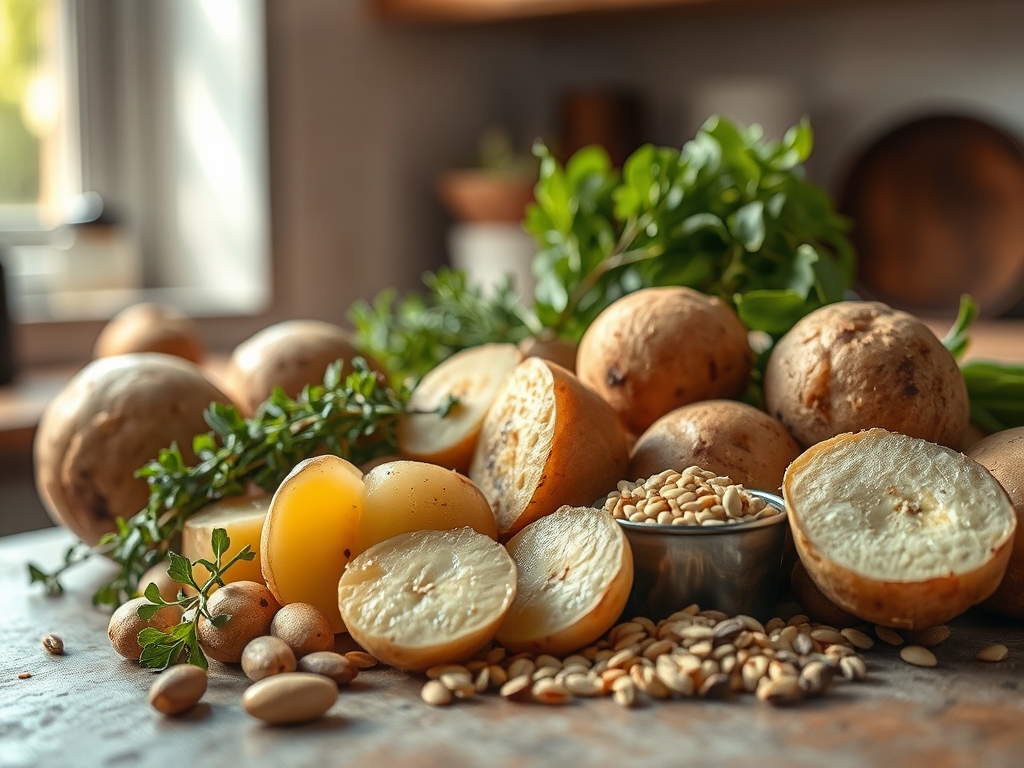
To execute these potato recipes that freeze well, your mise-en-place must be precise. Start with high-starch varieties like Russets for mashing or waxy Yukon Golds for soups and stews. You will need high-quality fats; think grass-fed butter or heavy cream with at least 36 percent milkfat to coat the starch molecules. Gather your aromatics: fresh rosemary, thyme, and garlic cloves that you will infuse into your liquids.
For the science-backed pantry, keep a bag of potato starch on hand. It acts as a stabilizer in sauces to prevent syneresis, which is that unappealing liquid separation that happens during thawing. If you are looking for smart substitutions, Greek yogurt provides a viscous tang similar to sour cream but with a higher protein-to-fat ratio. For a vegan alternative, use full-fat coconut milk or cashew cream; the high saturated fat content is vital for maintaining a creamy mouthfeel after the freeze-thaw cycle. Finally, grab your digital scale to ensure consistent portioning for even reheating.
The Clock
Efficiency in the kitchen is about "Chef's Flow." This is the art of overlapping tasks so no burner sits idle. For this ten-meal marathon, expect a total prep time of 45 minutes and a cook time of 90 minutes. Start by roasting your large Russets; while they render their internal moisture in the oven, you can peel and dice your Yukons for a large batch of base mash.
While the potatoes simmer, use a heavy-bottomed skillet to sauté your aromatics and brown any proteins. By the time the potatoes are tender, your flavor bases are ready for integration. This parallel processing ensures that you are not just cooking one meal at a time but building a modular system. The final 20 minutes are dedicated to "The Chill," where you spread components on sheet pans to cool rapidly, preventing the growth of thermophilic bacteria.
The Masterclass
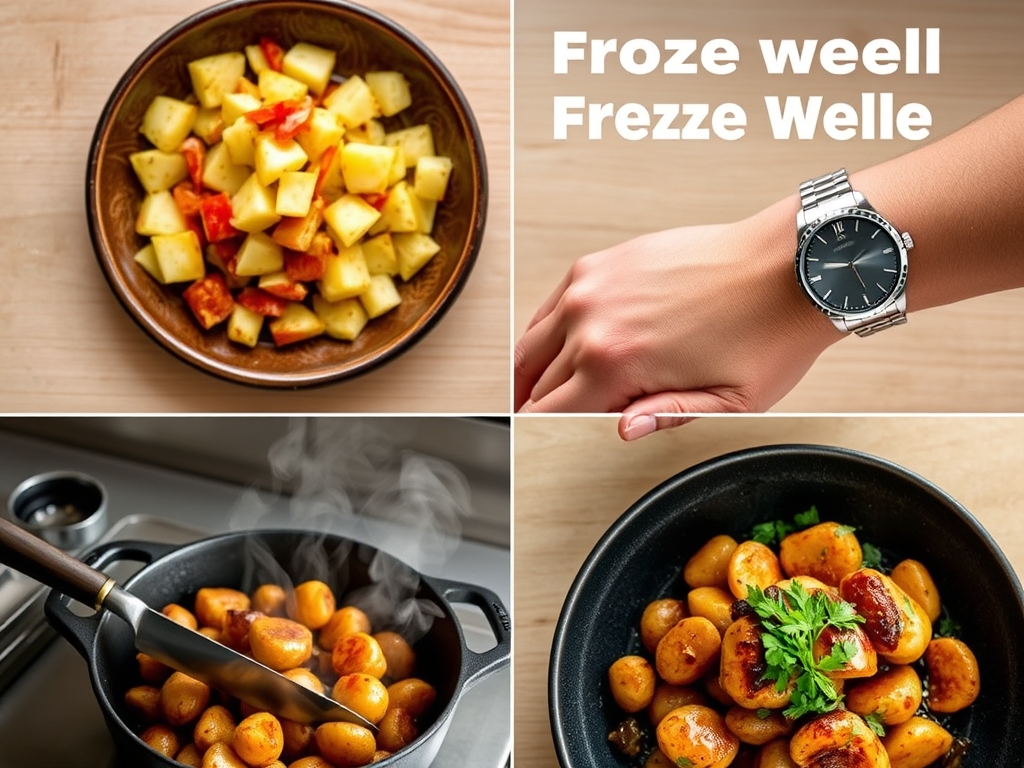
1. The Par-Blanch Technique
Before freezing chunks for stews or home fries, drop them into boiling salted water for exactly five minutes. This deactivates the enzymes responsible for enzymatic browning and partially gelatinizes the surface starch.
Pro Tip: This step prevents the potatoes from turning an unappetizing gray in the freezer. The partial cook creates a protective "shell" that locks in the internal moisture.
2. Emulsifying the Mash
When mashing for freezer-friendly meals, use a saucier to heat your cream and butter before adding them to the tubers. Incorporate the liquid slowly while using a bench scraper or ricer to ensure no lumps remain.
Pro Tip: Hot lipids integrate more thoroughly with starch than cold ones. This creates a stable emulsion that prevents the fat from "breaking" or leaking out when you reheat the dish later.
3. The Flash Freeze
Spread your prepared items, like individual hash brown patties or twice-baked halves, on a parchment-lined tray. Place them in the freezer for two hours before bagging them.
Pro Tip: This avoids "clumping." By freezing the exterior quickly, you stop moisture migration, ensuring each portion remains distinct and retains its structural integrity during long-term storage.
4. Creating the Moisture Barrier
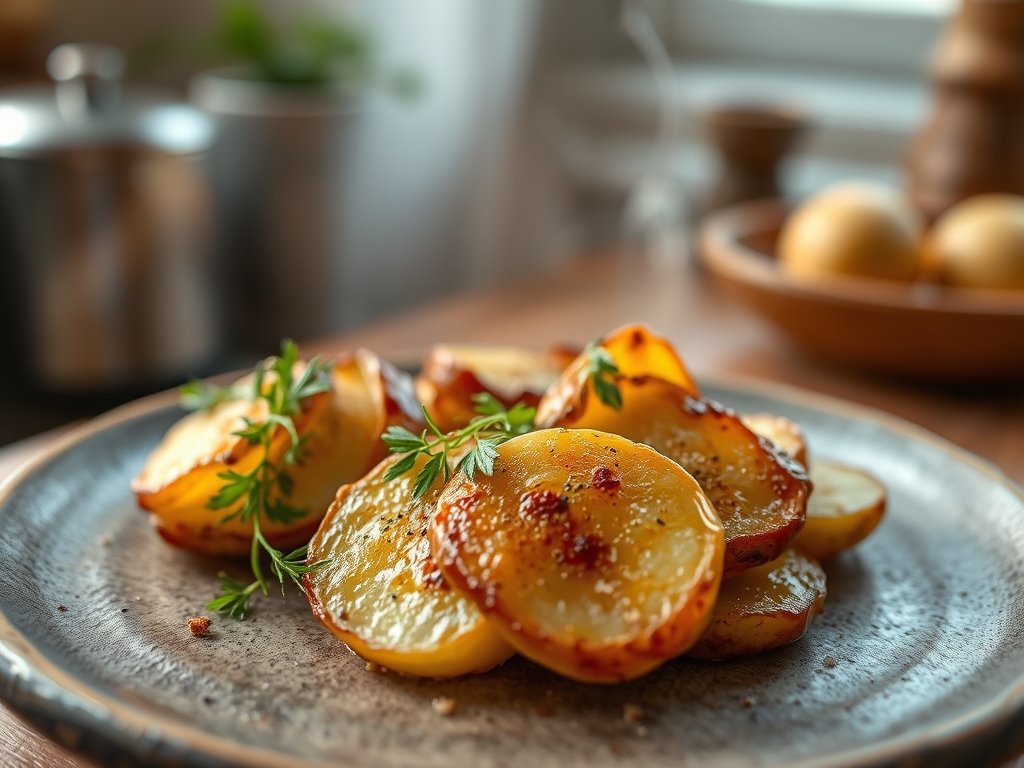
For dishes like potato gratin, ensure every slice is coated in a viscous sauce or a thin layer of oil. Use a microplane to dust a layer of hard cheese like Parmesan over the top before sealing.
Pro Tip: The fat acts as a physical barrier against sublimation, also known as freezer burn. The cheese adds a protein layer that browns beautifully during the final reheat via the Maillard reaction.
The Deep Dive
From a macro perspective, potatoes are a nutritional powerhouse, offering more potassium than bananas and a significant hit of Vitamin C. When you cool cooked potatoes, they develop resistant starch, which acts as a prebiotic and lowers the glycemic index of the meal. For dietary swaps, Keto enthusiasts can sub half the potato volume with steamed cauliflower; the flavor remains remarkably similar when heavily seasoned. Gluten-free followers are in luck, as potatoes are naturally GF, but always check your thickening agents in gravies.
Even the best chefs hit snags. If your thawed potatoes are "grainy," it is likely due to slow freezing; fix this by adding a splash of hot milk and whisking vigorously during reheating to re-emulsify the fats. If the potatoes are "watery," you skipped the par-blanching step; drain the excess liquid and finish them in a heavy-bottomed skillet to evaporate the moisture. For "bland" results, remember that freezing dulls salt perception; always add a fresh pop of acidity, like lemon juice or vinegar, after reheating.
To achieve "day-one" quality, never reheat potatoes in the microwave on high power. Instead, use a low-heat oven (325F) or a covered skillet. This gentle thermal transfer prevents the starch from becoming "rubbery" and allows the internal temperature to rise without scorching the exterior.
The Wrap-Up
Mastering potato recipes that freeze well is the ultimate gift to your future self. It is about more than just convenience; it is about using science to preserve the comfort and soul of a home-cooked meal. By controlling starch gelatinization and protecting your emulsions, you turn the freezer into a time capsule of flavor. Go forth, stock your shelves, and never settle for a mediocre Tuesday night dinner again. Your kitchen, your rules, and a whole lot of delicious potential are waiting in that bag of spuds.
The Kitchen Table
Can you freeze mashed potatoes without them getting watery?
Yes. Use high-fat dairy like heavy cream and butter to coat the starch. This creates a stable emulsion. For best results, reheat slowly on the stove and whisk in a splash of warm milk to restore the creamy texture.
What is the best potato variety for freezing?
Waxy potatoes like Yukon Golds or red potatoes hold their shape best in soups. For mashed or baked dishes, Russets are excellent because their high starch content absorbs fats well, which protects the cell structure during the freezing process.
How long do potato-based meals last in the freezer?
When stored in airtight containers or vacuum-sealed bags, most potato dishes maintain peak quality for three months. Beyond that, they are safe to eat but may begin to develop freezer burn or lose their textural integrity.
Do I need to cook potatoes before freezing?
Always. Raw potatoes contain high water content and enzymes that cause browning and mushiness. Par-boiling or fully cooking them stabilizes the starches and deactivates enzymes, ensuring they maintain a pleasant, firm, or creamy texture after thawing.