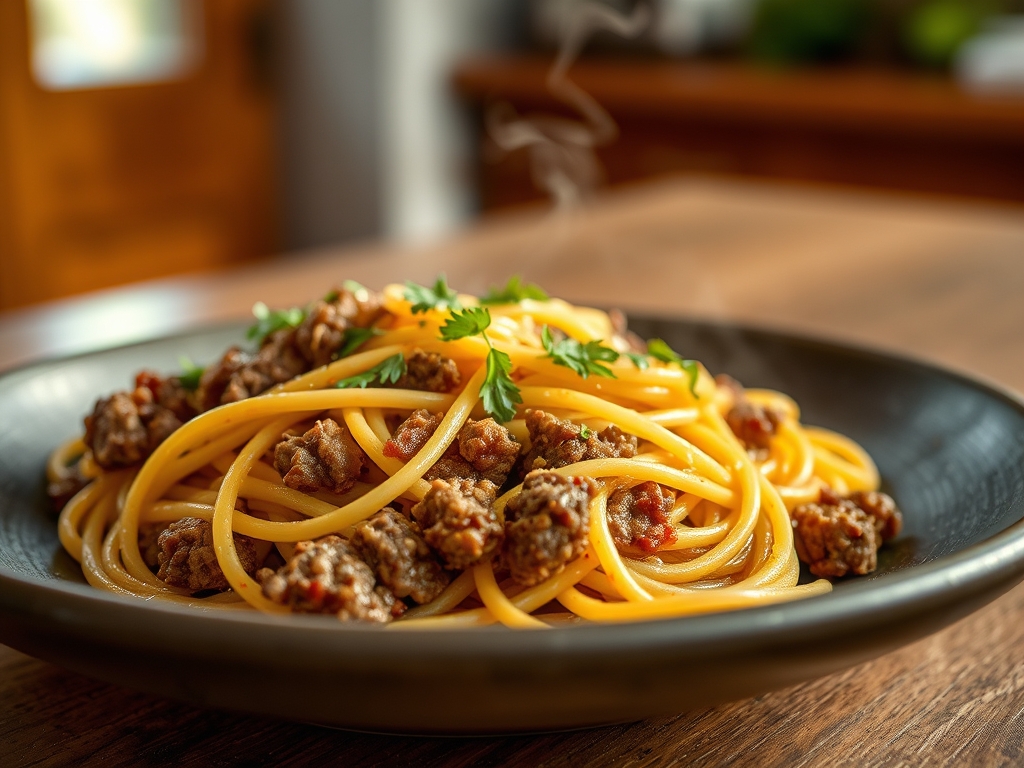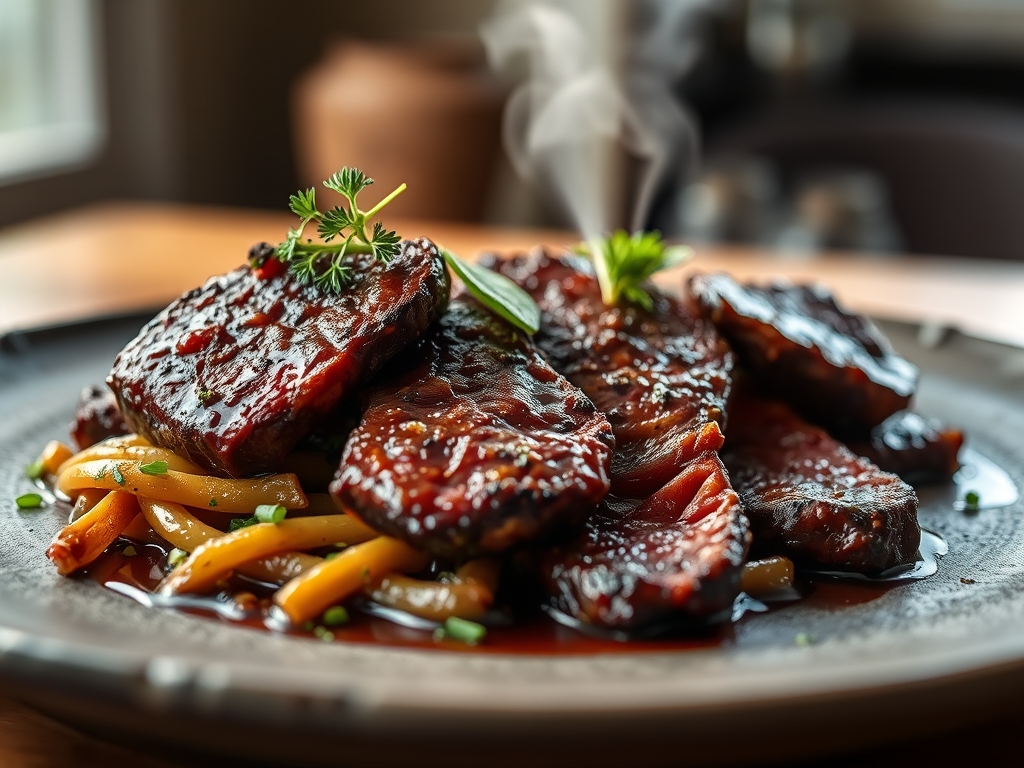
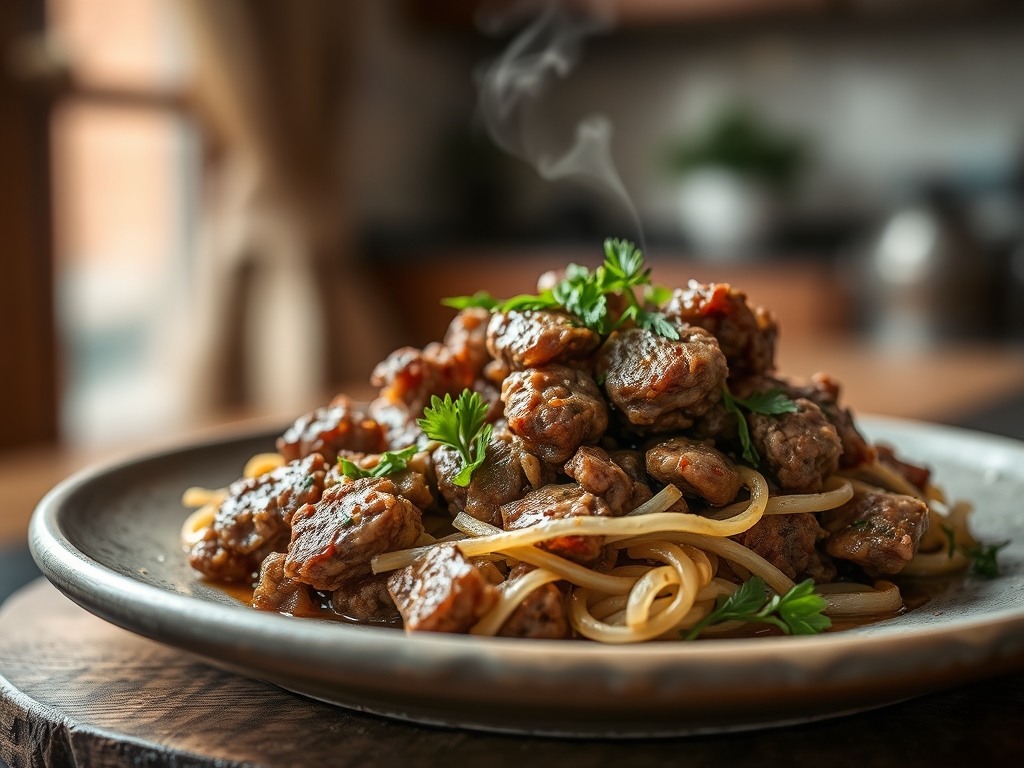
Picture the scene where a heavy-bottomed skillet meets high heat and the air suddenly transforms into a symphony of savory notes. That specific, intoxicating aroma is the result of the Maillard reaction, a chemical dance between amino acids and reducing sugars that defines the best ground angus beef recipes. When you choose Angus, you are not just buying meat; you are investing in superior intramuscular marbling. This genetic predisposition for fat distribution ensures that every morsel remains succulent rather than dry and granular. We are moving beyond the basic burger into a realm where culinary science meets comfort. Whether you are crafting a silky bolognese or a piquant taco filling, the goal is to respect the protein. We will explore how to manipulate heat and moisture to turn a humble pound of beef into a masterpiece of texture and flavor. Grab your favorite apron and let us dive into the technical beauty of premium beef.
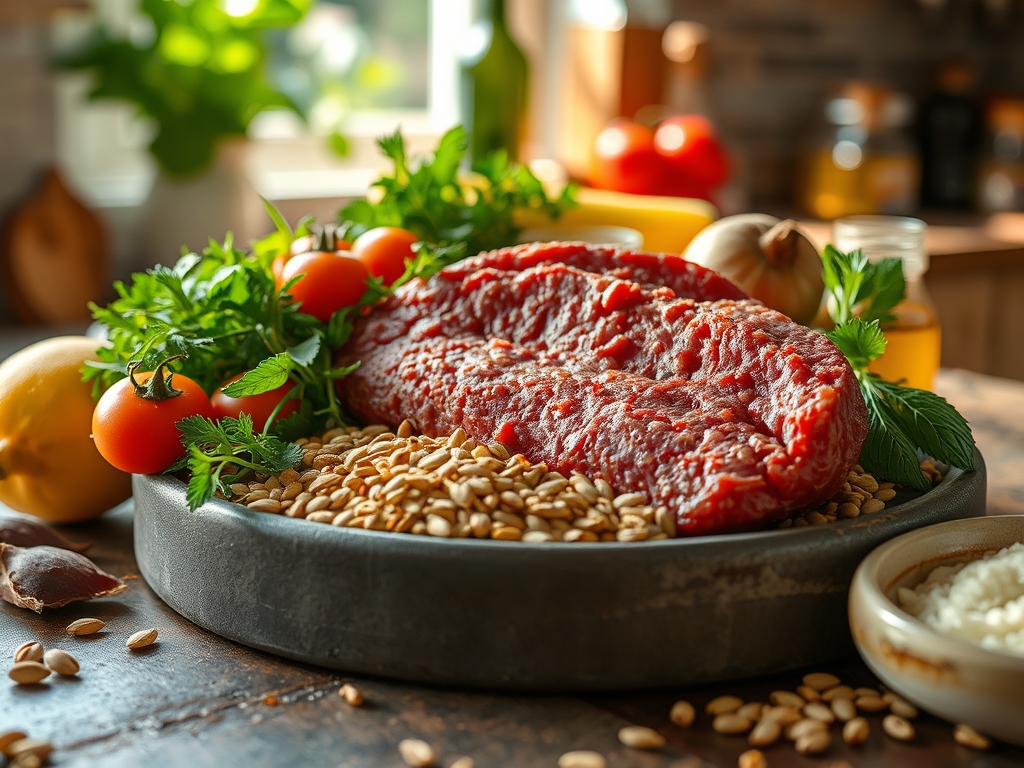
The Gathers:
To execute these ground angus beef recipes with precision, your mise-en-place must be impeccable. Start with the beef itself. Look for an 80/20 lean-to-fat ratio; this specific balance is vital because the fat acts as a flavor carrier and provides the viscous mouthfeel that distinguishes Angus from standard commercial blends. You will need a high-quality kosher salt to denature the proteins, which helps the meat retain moisture during the rendering process.
Beyond the protein, gather your aromatics. Finely diced mirepoix (onions, carrots, and celery) provides a structural flavor base. Use a microplane to grate fresh garlic and ginger, ensuring they integrate into the sauce without leaving behind acrid, burnt chunks. For acidity, keep a bottle of dry red wine or high-quality balsamic vinegar nearby to deglaze the pan and lift the fond.
Smart Substitutions: If you are looking to lighten the caloric load without sacrificing the umami profile, substitute one-third of the beef with finely minced cremini mushrooms. This "blend" technique utilizes the mushrooms' glutamate content to mimic the savory depth of the beef. For a dairy-free creamy element, use a splash of full-fat coconut milk or a dollop of cashew cream to achieve that velvety finish in stroganoff-style dishes.
The Clock
Efficiency in the kitchen is about mastering the Chef's Flow. For most ground angus beef recipes, you should budget 15 minutes for prep and 20 to 30 minutes for active cooking. The flow begins with the "cold start" prep: chopping all vegetables and measuring spices using a digital scale for total consistency.
The middle phase is the "active sear," where you focus entirely on the skillet. Angus beef releases fat quickly, so the timing of your aromatic additions is critical to prevent scorching. Finally, allow for a 5-minute "resting phase" for sauces or meatloaves. This allows the proteins to reabsorb juices through capillary action, ensuring your first bite is as juicy as the last.
The Masterclass
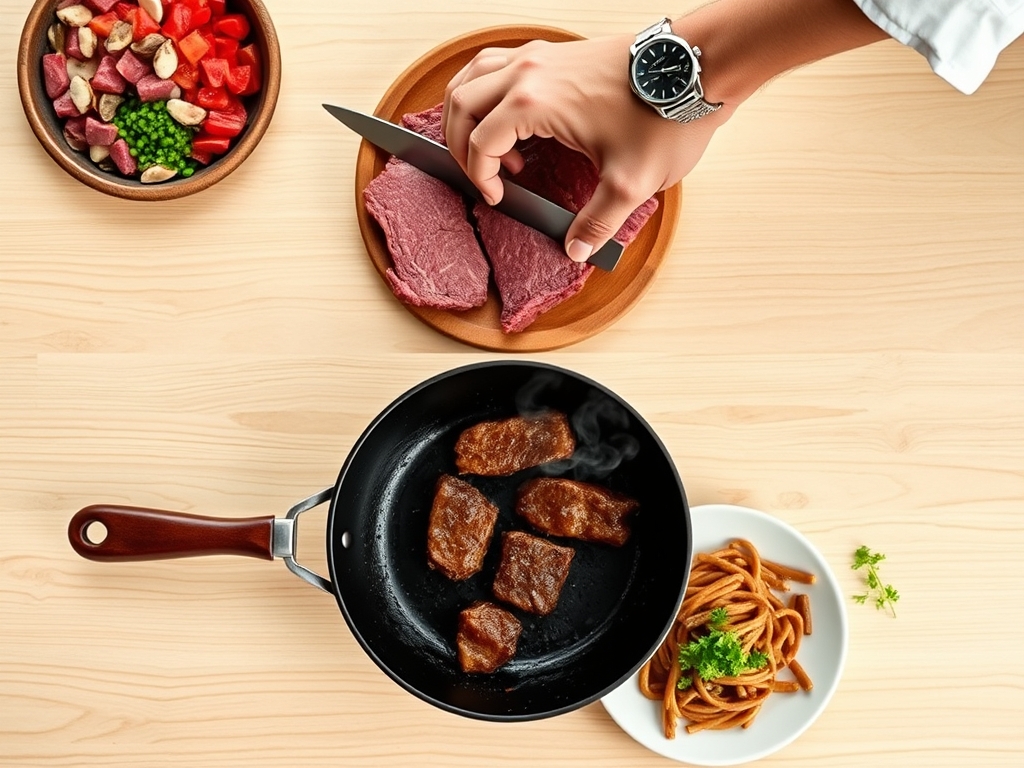
1. Tempering and Preheating
Remove your beef from the refrigerator 20 minutes before cooking. Place your heavy-bottomed skillet over medium-high heat until a drop of water flicked onto the surface dances and evaporates instantly.
Pro Tip: This prevents a massive temperature drop when the meat hits the pan. If the meat is too cold, it will steam in its own juices rather than searing, depriving you of the complex flavors created by enzymatic browning.
2. The Initial Sear
Place the beef in the pan in a single, flat layer. Use a bench scraper or a stiff spatula to press it down, maximizing surface contact. Do not stir for at least three minutes.
Pro Tip: Resisting the urge to move the meat allows for the formation of a "crust." This is the Maillard reaction in action, creating hundreds of different flavor compounds that cannot be replicated through boiling or steaming.
3. Breaking and Aerating
Once a deep brown crust has formed, use your spatula to break the beef into smaller pieces. Aerate the meat by tossing it gently, ensuring even heat distribution to the interior of the crumbles.
Pro Tip: Breaking the meat too early results in "gray meat." By waiting for the sear, you lock in the structural integrity of the fat, leading to a superior, non-greasy texture.
4. Deglazing the Fond
After the meat is browned and removed (or pushed to the side), add your liquid of choice to the pan. Use a wooden spoon to scrape up the brown bits stuck to the bottom.
Pro Tip: Those brown bits, known as fond, are concentrated umami. Deglazing incorporates these toasted proteins back into your sauce, creating a professional-grade depth of flavor.
5. Emulsifying the Sauce
If your recipe involves a sauce, add your fats (like butter or heavy cream) at the very end over low heat. Whisk vigorously to create a stable emulsion.
Pro Tip: This prevents the sauce from "breaking" or separating. A stable emulsion coats the tongue more effectively, lengthening the finish of the dish on your palate.
The Deep Dive
When we look at the macro profile of ground angus beef recipes, we see a powerhouse of nutrition. A standard 4-ounce serving provides roughly 21 grams of high-quality protein and is a significant source of Vitamin B12 and Zinc. To balance the high fat content of Angus, pair these dishes with complex carbohydrates like quinoa or roasted root vegetables.
Dietary Swaps: For those following a Keto protocol, replace traditional pasta with zoodles or spaghetti squash. The high fat content of Angus makes it an ideal keto staple. For a Gluten-Free version, ensure your thickeners are cornstarch or arrowroot powder rather than flour.
The Fix-It:
- The Greasy Skillet: If you find too much liquid fat, do not pour it down the drain. Use a wad of paper towels held with tongs to sop up excess grease while leaving the flavorful solids behind.
- Tough Texture: This usually happens from overworking the meat. When making patties or meatballs, handle the beef as little as possible to keep the protein fibers loose.
- Bland Flavor: If the dish tastes "flat," it likely lacks acidity. Add a squeeze of lemon or a teaspoon of apple cider vinegar to brighten the heavy fats.
Meal Prep: To maintain "day-one" quality when reheating, use the "low and slow" method. Reheating beef in a microwave at high power causes the fats to explode and the proteins to toughen. Instead, use a saucier over low heat with a tablespoon of water or broth to create steam, which gently rehydrates the meat.
The Wrap-Up
Mastering ground angus beef recipes is about more than just following a list of instructions; it is about understanding the chemistry of the kitchen. By focusing on the sear, respecting the fond, and balancing your macros, you transform a simple ingredient into a gourmet experience. Angus beef provides the perfect canvas for your culinary creativity. Now that you have the technical foundation and the secret tips of the trade, it is time to turn up the heat and create something spectacular. Your kitchen is your laboratory; go make some magic!
The Kitchen Table
What makes Angus beef better for ground recipes?
Angus beef features superior marbling compared to standard cattle. This extra intramuscular fat melts during cooking, creating a more flavorful, juicy, and tender result in dishes like burgers, meatloaf, and pasta sauces.
How do I prevent ground beef from becoming rubbery?
Avoid over-mixing the meat, which develops too much collagen and toughens the texture. Use a light touch when forming patties and ensure your pan is sufficiently hot to sear the outside quickly without overcooking the interior.
Can I freeze ground angus beef after cooking?
Yes. Allow the beef to cool completely to prevent ice crystal formation. Store in an airtight container for up to three months. Reheat gently with a splash of liquid to maintain the original moisture and fat emulsion.
Why is my ground beef gray instead of brown?
Gray meat occurs when the pan is overcrowded or not hot enough. This causes the meat to steam in its own moisture. Cook in smaller batches and ensure the skillet is preheated to achieve a proper Maillard sear.