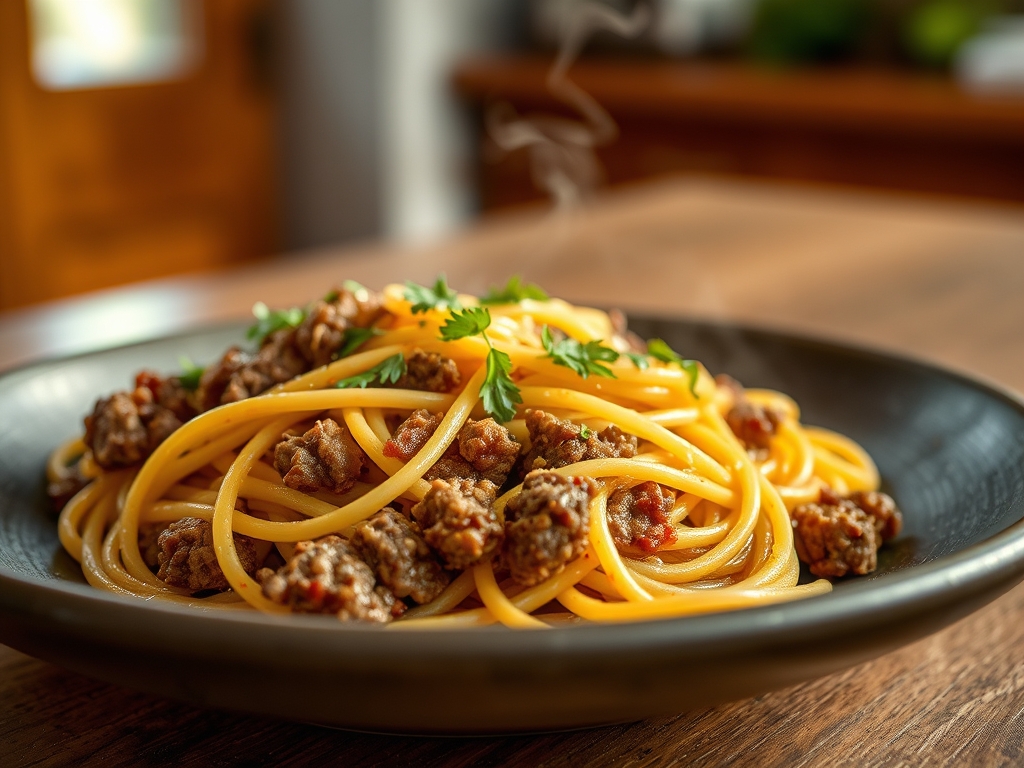
The scent of garlic hitting hot olive oil is the universal signal that something wonderful is about to happen. When you are craving comfort, nothing competes with the reliable, savory magic of spaghetti noodles and ground beef recipes. It is the culinary equivalent of a cashmere sweater; it is timeless, versatile, and deeply satisfying to the soul.
While we often think of this duo as a simple weeknight staple, there is a complex world of flavor chemistry happening inside that heavy-bottomed skillet. We are talking about the Maillard reaction, that beautiful chemical dance where amino acids and reducing sugars transform raw meat into a crusty, brown masterpiece of umami. Whether you are aiming for a silky Bolognese or a piquant chili-mac hybrid, the foundation remains the same. It is all about the tension between the starchy, chewy pasta and the rich, rendered fats of the beef. Today, we are elevating this humble pair from a basic pantry pull to a masterclass in texture and taste. Grab your favorite apron and a glass of red; we are about to dive into the science of the perfect bite.
The Gathers:
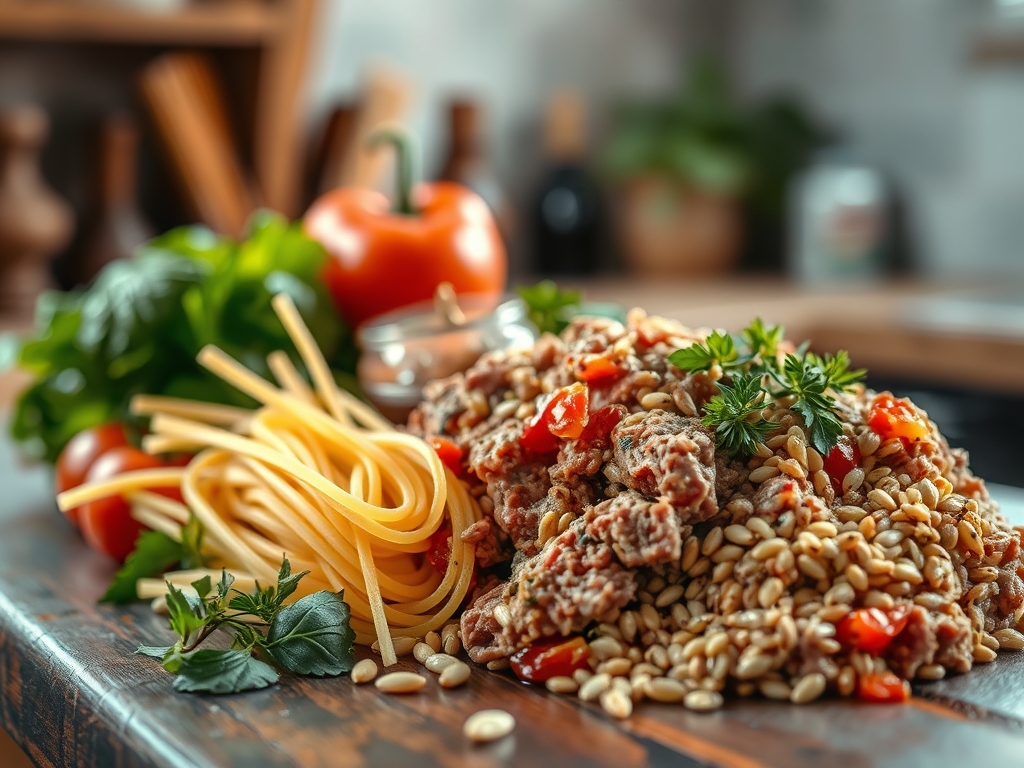
Before we ignite the burners, we must respect the mise-en-place. For a truly professional result, your ingredients should be organized by their thermal resistance. We start with the beef; look for an 80/20 blend. That twenty percent fat is not just filler; it is the vehicle for flavor. As the fat renders, it creates a viscous base that will eventually emulsify with your pasta water to create a glossy sauce that clings to every strand.
Next, consider your aromatics. Finely diced yellow onions, carrots, and celery form the holy trinity known as mirepoix. When these vegetables sweat, they release natural sugars that balance the acidity of your tomatoes. Speaking of tomatoes, opt for San Marzano varieties if possible. Their lower seed count and balanced pH level provide a cleaner finish. For the noodles, look for bronze-die extruded pasta. These have a rougher surface area compared to Teflon-extruded versions, which means more nooks and crannies for your sauce to grip.
Smart Substitutions:
If you want to lighten the profile, ground turkey or chicken can stand in for beef, though you may need to add a splash of Worcestershire sauce to mimic that deep beefy umami. For a gluten-free approach, brown rice spaghetti offers the most structural integrity. If you are out of fresh garlic, use a microplane to grate a frozen clove directly into the pan; it releases the sulfurous compounds instantly without the risk of burning large chunks.
The Clock
Efficiency in the kitchen is all about "Chef's Flow." This is the art of overlapping tasks so that no heat is wasted. A standard recipe for spaghetti noodles and ground beef recipes should take approximately 40 to 50 minutes from start to finish.
The first 10 minutes are dedicated to prep; use a sharp chef's knife or a bench scraper to clear your board of aromatics. The next 15 minutes focus on the "heavy lift," which is browning the meat and softening the vegetables. While the sauce simmers for its final 20-minute stretch, that is your window to boil the water. Never start your pasta until the sauce is nearly finished. Pasta waits for no one, and a soggy noodle is a culinary tragedy. By timing the pasta to finish exactly when the sauce has reached its peak viscosity, you ensure a perfect marriage of components.
The Masterclass
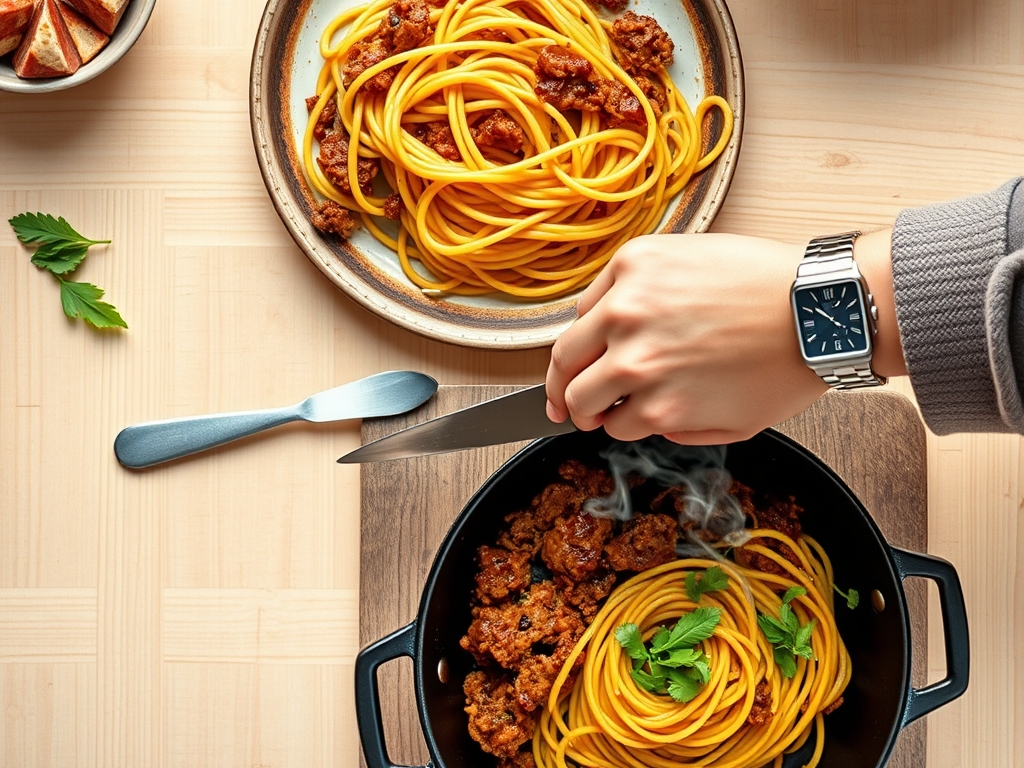
1. The Sear and Render
Place your heavy-bottomed skillet over medium-high heat. Add the ground beef in a flat layer and resist the urge to stir it immediately. Let it sit for three minutes to develop a deep brown crust.
Pro Tip: This is the Maillard reaction in action. If you stir too early, you release moisture too quickly, causing the meat to steam in its own juices rather than sear. Steamed meat is grey and flavorless; seared meat is the key to depth.
2. The Aromatic Infusion
Push the meat to the edges of the pan and drop your diced vegetables into the center. Use the rendered beef fat to sauté the onions until translucent. Add your garlic last to prevent it from turning bitter.
Pro Tip: Garlic contains volatile oils that burn at a much lower temperature than onions. By adding it during the final sixty seconds of the sauté, you infuse the fat without scorching the delicate sugars.
3. Deglazing the Fond
Pour in a splash of dry red wine or beef stock. Use a wooden spoon to scrape up the brown bits stuck to the bottom of the pan.
Pro Tip: Those stuck bits are called "fond." They are concentrated pockets of flavor. Deglazing uses a liquid to dissolve these solids, incorporating them back into the liquid phase of your sauce for a more complex profile.
4. The Low and Slow Simmer
Add your tomato base and a pinch of salt. Reduce the heat to low and let the sauce aerate and thicken. This is where the flavors meld and the acidity of the tomatoes mellows out.
Pro Tip: Simmering allows for evaporation, which concentrates the solutes in your sauce. This increases the viscosity, ensuring the sauce is thick enough to coat the spaghetti noodles and ground beef recipes without running off.
5. The Pasta Plunge
Boil a large pot of water and season it heavily with salt until it tastes like the sea. Cook your spaghetti until it is one minute shy of al dente.
Pro Tip: This is called "carryover cooking." The pasta will finish cooking inside the sauce, absorbing the savory liquid into its core rather than just being coated on the outside.
6. The Emulsion Marriage
Using tongs, transfer the pasta directly from the water into the sauce skillet. Add a half-cup of the starchy pasta water and toss vigorously over high heat.
Pro Tip: The starch in the pasta water acts as an emulsifier. It binds the fats from the beef with the liquids in the sauce, creating a creamy, cohesive texture that will not separate on the plate.
7. The Final Seasoning
Remove from heat and stir in freshly grated Parmesan and a handful of torn basil. Taste and adjust for salt and acidity.
Pro Tip: Heat can dull the bright notes of fresh herbs. Adding basil at the very end preserves its aromatic essential oils, providing a piquant contrast to the rich beef.
8. The Rest
Let the dish sit for two minutes before serving. This allows the fibers of the pasta to fully relax and lock in the sauce.
Pro Tip: Thermal equilibrium is reached during this rest. It prevents the "puddling" effect where water separates from the sauce as soon as it hits a cold plate.
The Deep Dive
Macro Nutrition: A standard serving provides a balanced mix of complex carbohydrates, roughly 25 grams of protein, and essential fats. To boost fiber, consider using whole-wheat noodles or adding finely chopped mushrooms to the beef.
Dietary Swaps: For a Keto version, swap the noodles for zoodles or spaghetti squash. For a Vegan twist, use crumbled tempeh or lentils in place of beef and use nutritional yeast for that cheesy hit.
The Fix-It:
- Too Salty? Add a peeled potato to the sauce for ten minutes to absorb excess sodium, then discard it.
- Too Acidic? A quarter-teaspoon of baking soda will neutralize the pH balance instantly.
- Too Thin? Continue to simmer without a lid to encourage evaporation, or add a tablespoon of tomato paste.
Meal Prep Science: When reheating, add a tablespoon of water before microwaving. This creates steam that re-hydrates the starch molecules in the pasta, preventing that dreaded rubbery texture.
The Wrap-Up
Mastering spaghetti noodles and ground beef recipes is about more than just following a box; it is about understanding the physics of the pan. From the initial sear to the final starchy emulsion, every step serves a purpose in building a flavor profile that is greater than the sum of its parts. Now that you have the technical toolkit, go forth and create a dinner that would make a professional chef nod in approval.
The Kitchen Table
How do I prevent my spaghetti from sticking together?
Use a large pot with plenty of water and salt. The water allows the noodles to move freely, while the salt prevents the starch from becoming too "gluey" on the surface. Never add oil to the water!
Can I use frozen ground beef for this recipe?
Yes, but defrost it completely in the refrigerator first. Cooking beef from frozen prevents the Maillard reaction because the excess moisture creates steam, resulting in a boiled texture rather than a savory sear.
Why is my meat sauce always so watery?
You likely skipped the reduction phase. Ensure you simmer the sauce uncovered for at least 15 minutes to allow excess water to evaporate, concentrating the flavors and thickening the consistency naturally.
What is the best way to store leftovers?
Store in an airtight container for up to four days. For the best texture, store the sauce and noodles separately if possible. This prevents the noodles from absorbing all the sauce and becoming mushy.
Should I rinse my pasta after cooking?
Never rinse your pasta! Rinsing removes the precious surface starch that is essential for helping the sauce cling to the noodles. Simply transfer the pasta directly from the pot to your sauce skillet.