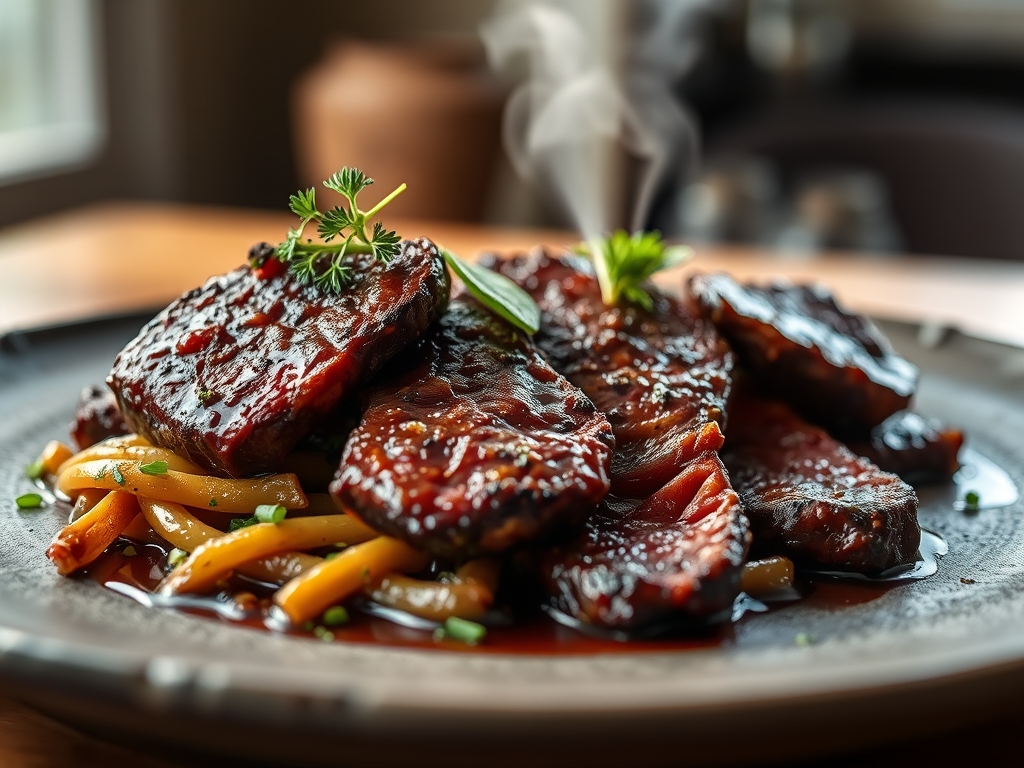
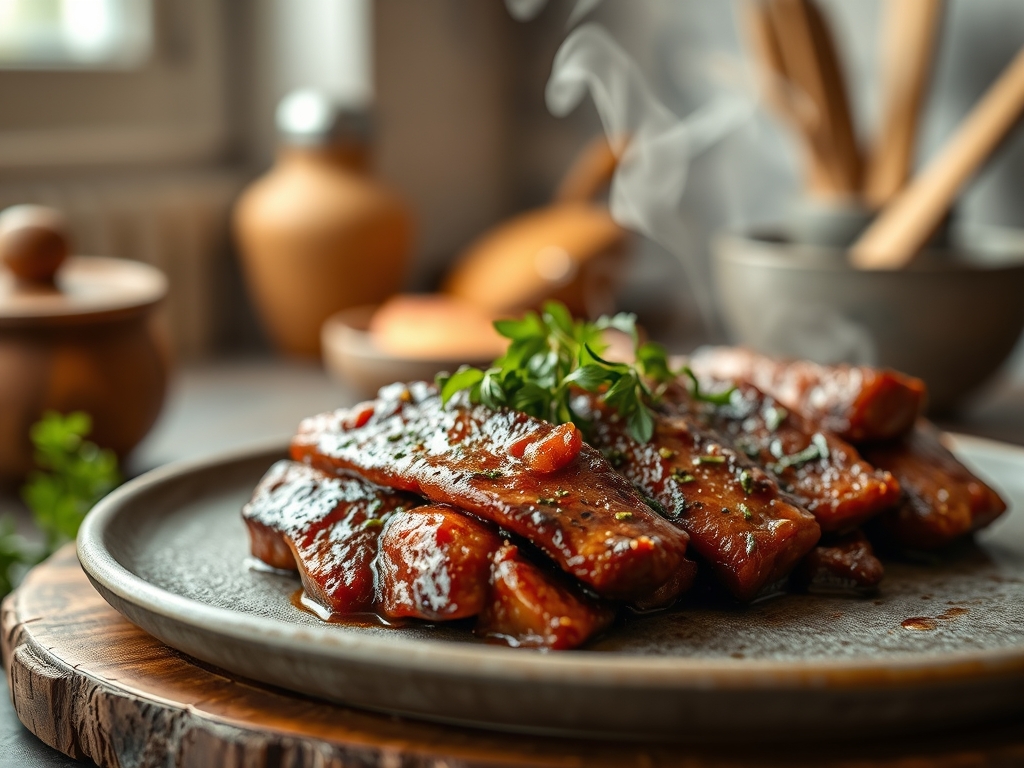
Imagine the scent of hickory smoke dancing with the heavy, sweet aroma of rendering fat as it drips onto white-hot coals. There is a primal, magnetic pull to the perfect sear; that moment when protein transforms into a crusty, caramelized masterpiece. If you are hunting for the best bbq beef recipes, you have officially found your culinary north star. We are moving beyond basic grilling into the realm of high-level meat science where every degree of temperature and every grain of salt serves a specific, delicious purpose.
The secret to a world-class barbecue experience is not just the heat; it is the chemistry of the crust. When we talk about the best bbq beef recipes, we are really discussing the Maillard reaction. This is the chemical dance between amino acids and reducing sugars that creates hundreds of different flavor compounds. It is what makes a brisket bark dark and savory or a ribeye edge taste like buttered toast. Today, we are going to master ten distinct ways to harness that fire, from the low-and-slow patience of a Texas-style brisket to the high-velocity sear of a piquant skirt steak. Get your apron ready because we are about to turn your backyard into a five-star smokehouse.
The Gathers:
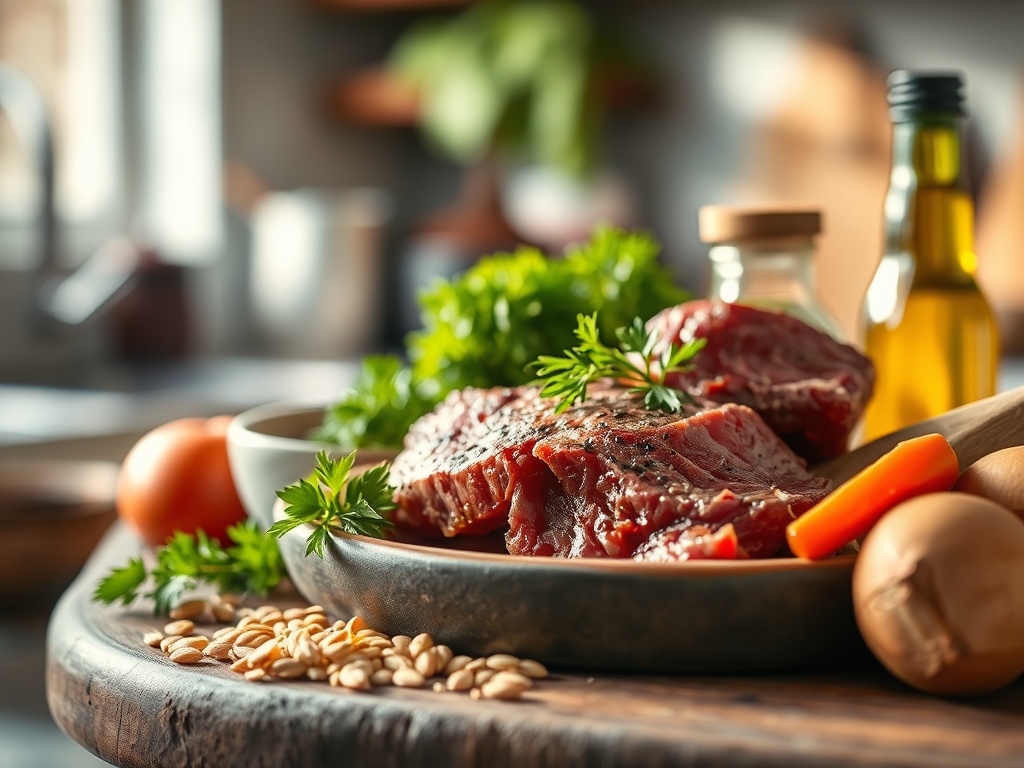
Before we strike a single match, we must curate our mise-en-place with surgical precision. Professional barbecue starts with the quality of the muscle fibers and the viscosity of your marinades. You will need a heavy-duty digital scale to ensure your dry rubs are balanced; consistency is the hallmark of a pro. Gather your prime cuts: look for heavy intramuscular marbling, which provides the internal lubrication necessary to keep the meat succulent during long cooks.
Your pantry should be stocked with coarse Kosher salt, which has a larger surface area for better adhesion, and 16-mesh black pepper for that signature "grit" found in elite barbecue. For your wet components, keep a high-quality apple cider vinegar on hand to provide a piquant brightness that cuts through the rich, rendered tallow. If you are looking for smart substitutions, you can swap traditional brown sugar for coconut sugar to achieve a deeper, earthier caramelization without the cloying sweetness. If you find yourself out of wood chunks, high-quality charcoal briquettes infused with hickory sawdust can provide a surprisingly clean smoke profile. Use a microplane to zest fresh aromatics like garlic or ginger into your sauces; this creates a fine paste that integrates seamlessly into the liquid rather than leaving chunky bits that might burn on the grill.
The Clock
Efficiency in the kitchen is what we call the "Chef's Flow." For these best bbq beef recipes, time is your most valuable ingredient, but it must be managed with intention. Most of these recipes require a two-phase timeline: the prep and the execution. Expect to spend about 30 to 45 minutes on active prep, which includes trimming silver skin with a sharp boning knife and applying your dry brines.
The cook times vary wildly based on the cut. A thin skirt steak for carne asada takes a mere 8 minutes of high-intensity heat, while a full packer brisket can demand 12 to 16 hours of steady, low-velocity smoke. The "Flow" means prepping your cold sides while the meat is in its "stall" period and ensuring your meat has at least 30 to 60 minutes of resting time. Resting is not optional; it allows the internal pressure to equalize so the juices stay in the fibers rather than flooding your cutting board.
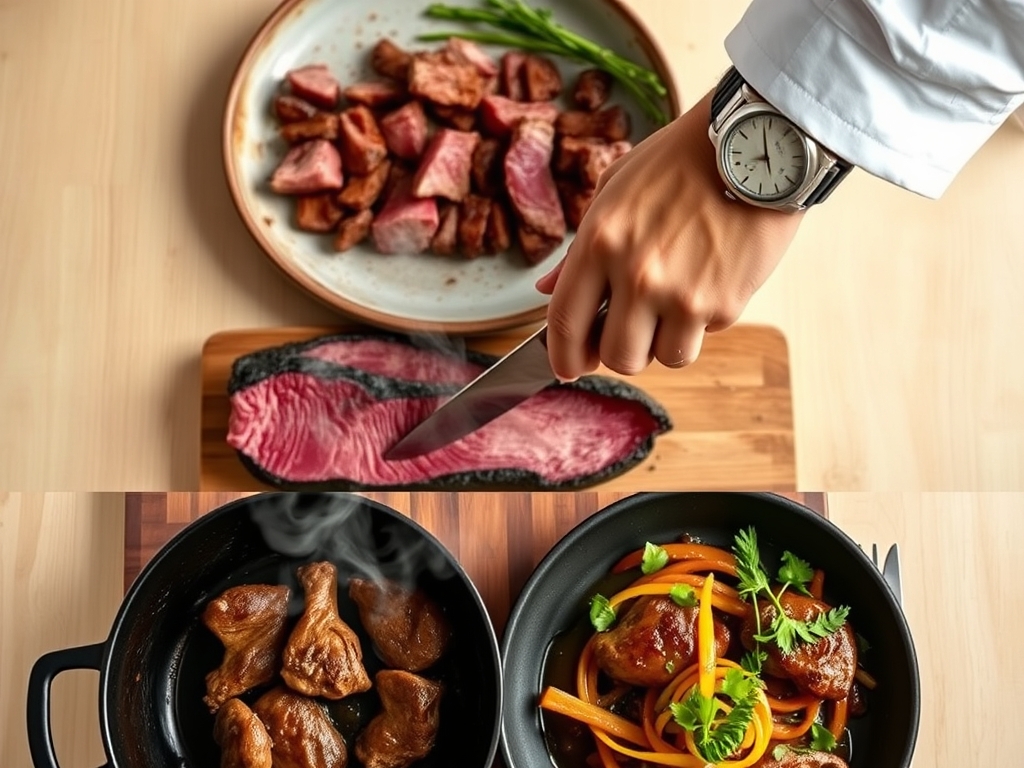
The Masterclass
1. The Dry Brine Technique
Begin by coating your beef liberally with salt at least two hours before cooking. This process uses osmosis to draw moisture out, dissolve the salt, and then pull that seasoned brine back into the deep tissue of the meat.
Pro Tip: This enhances protein denaturation, allowing the meat to retain more moisture during the high-heat phase of grilling.
2. Managing the Fire Zone
Create a two-zone setup on your grill. Heap your coals on one side for a direct sear and leave the other side empty for indirect roasting. Use long-handled tongs to move the meat between these zones to prevent flare-ups.
Pro Tip: This prevents pyrolysis, the chemical decomposition of organic matter caused by excessive heat, which can make the fat taste bitter or "sooty."
3. The Reverse Sear Method
For thick steaks, start them on the cool side of the grill until they reach an internal temperature of 115 degrees. Finish them over the screaming hot coals for a perfect edge-to-edge pink center.
Pro Tip: This utilizes thermal carryover, where the internal temperature continues to rise after the meat is removed from the heat source.
4. Basting and Aeration
Use a silicone brush or a bundle of herbs to mop your beef with a thin, acidic liquid every hour. This keeps the surface cool and tacky, which helps smoke particles adhere to the meat.
Pro Tip: Keeping the surface moist facilitates the formation of the smoke ring, a pink discoloration caused by nitric oxide reacting with myoglobin.
5. The Rest and Slice
Once the beef reaches its target temperature, transfer it to a warm tray. Use a bench scraper to clear your board and a long, serrated slicing knife to cut against the grain.
Pro Tip: Slicing against the grain shortens the muscle fibers, making even the toughest cuts feel tender and "melt-in-your-mouth" on the palate.
The Deep Dive
From a nutritional standpoint, beef is a powerhouse of bioavailable iron, B12, and zinc. While BBQ is often seen as an indulgence, you can optimize the macro profile by choosing leaner cuts like tri-tip or flank steak. For those on a Keto path, skip the sugar-laden sauces and opt for a vinegar-and-butter-based mop. Vegan guests can join the fun if you apply these same smoke techniques to thick slabs of "beefy" lion's mane mushrooms or compressed watermelon.
If you hit a snag, don't panic. If your meat is too tough, it likely didn't reach the "collagen breakdown" temperature of 190 to 203 degrees; wrap it in foil with a splash of beef stock and return it to the heat. If the exterior is burning before the inside is done, move it to the indirect zone immediately. For meal prep, the best way to reheat BBQ is via the sous-vide method or a low-temperature oven with a splash of liquid to prevent oxidation and maintain that day-one moisture.
The Wrap-Up
Mastering the best bbq beef recipes is about more than just lighting a fire; it is about understanding the delicate balance between heat, time, and seasoning. Whether you are using a heavy-bottomed skillet to finish a steak or a massive offset smoker for a weekend project, the goal is always the same: incredible flavor and perfect texture. You have the tools, the science, and the recipes. Now, go out there and show that grill who is boss. Your friends are waiting, the beer is cold, and the beef is going to be legendary.
The Kitchen Table
What is the best cut of beef for beginners?
Chuck roast is ideal. It is affordable, highly marbled, and very forgiving. It mimics the flavor of brisket but cooks in half the time, making it perfect for practicing your smoke management and temperature control skills.
How do I prevent my BBQ beef from drying out?
Always use a water pan in your smoker to maintain humidity. Additionally, ensure you rest the meat for at least 20 percent of its total cook time to allow the internal juices to redistribute throughout the muscle fibers.
Why is my BBQ bark bitter?
Bitterness usually comes from "dirty smoke" or creosote. Ensure your wood is well-seasoned and your fire has enough oxygen to burn clean. The smoke should look like a faint blue haze, not thick white clouds.
Can I make BBQ beef in a slow cooker?
Yes, though you will miss the smoky depth. Use a drop of high-quality liquid smoke and sear the meat in a heavy-bottomed skillet before adding it to the pot to develop those essential Maillard reaction flavors.