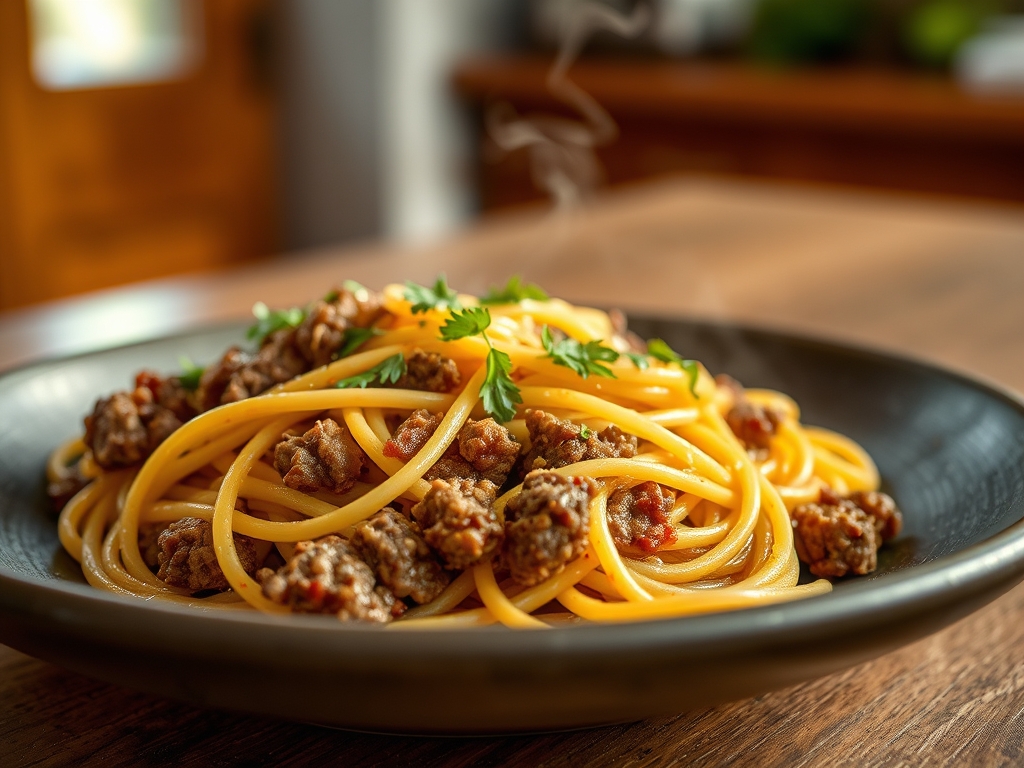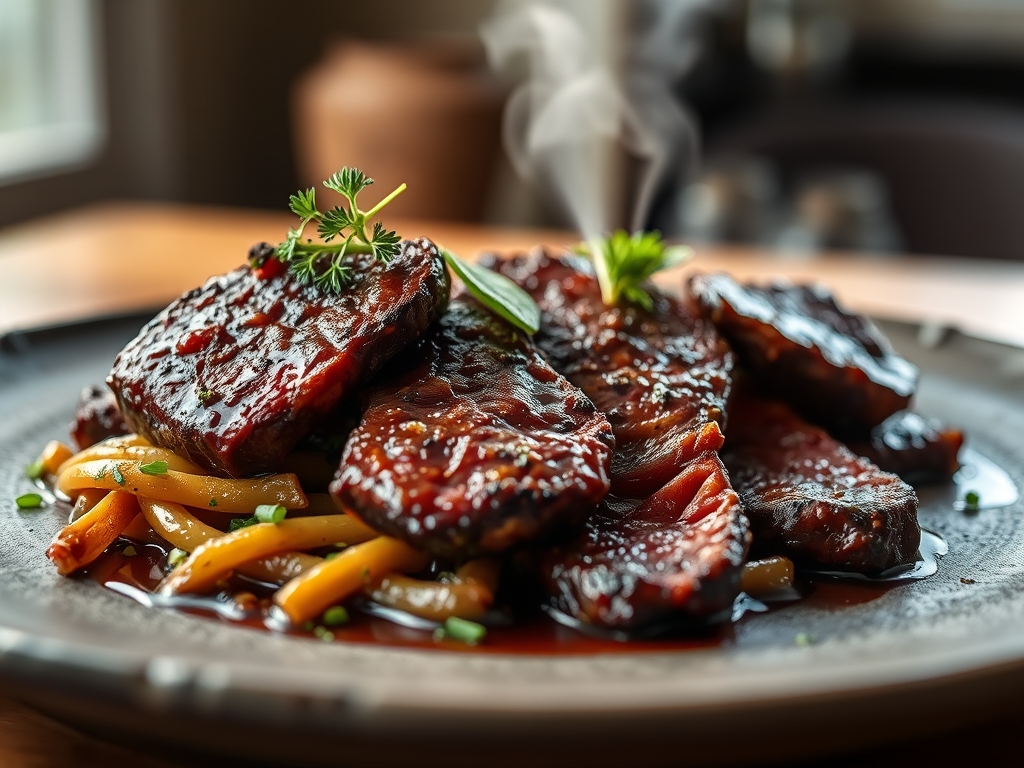
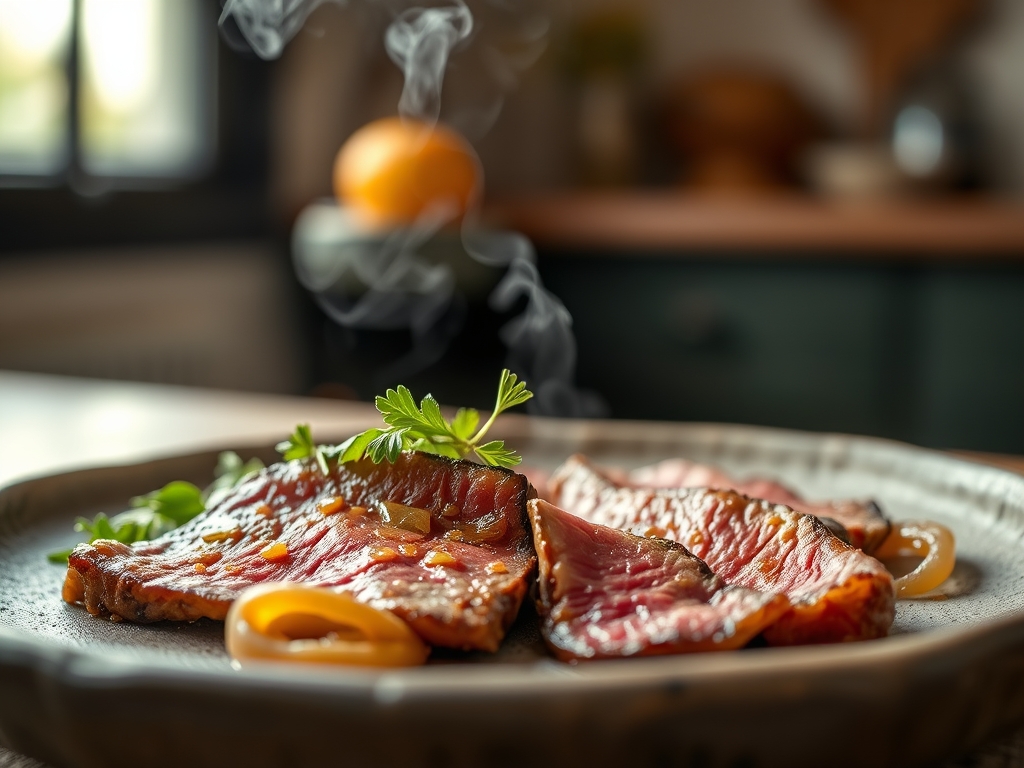
Close your eyes and imagine the scent of fat hitting a searing hot surface; it is not just any fat, but the buttery, oleic acid rich marbling of premium Japanese cattle. When you explore wagyu beef recipes ground into versatile patties or crumbles, you are working with a luxury ingredient that behaves more like a delicate pastry dough than standard supermarket chuck. The secret lies in the melting point. Wagyu fat liquefies at a much lower temperature than traditional beef, meaning your kitchen will soon smell like a high end steakhouse. We are moving beyond the basic burger into a realm where fat is the primary seasoning. This is culinary alchemy at its finest, where we harness the power of intramuscular marbling to create textures that are almost velvet in their mouthfeel.
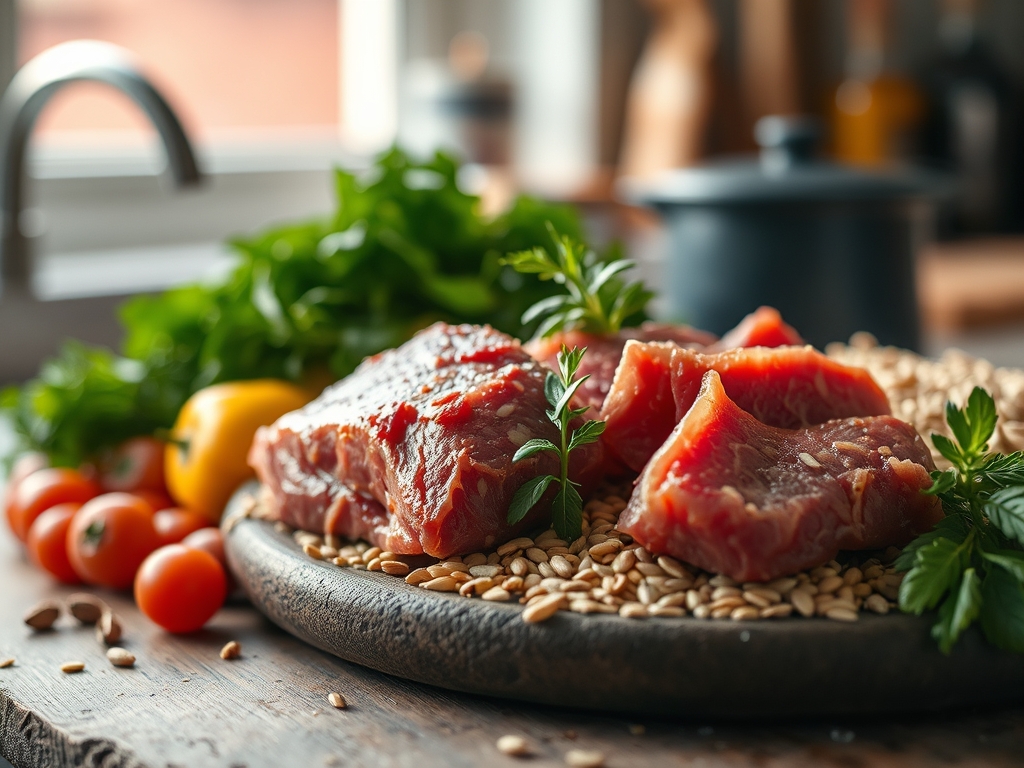
The Gathers:
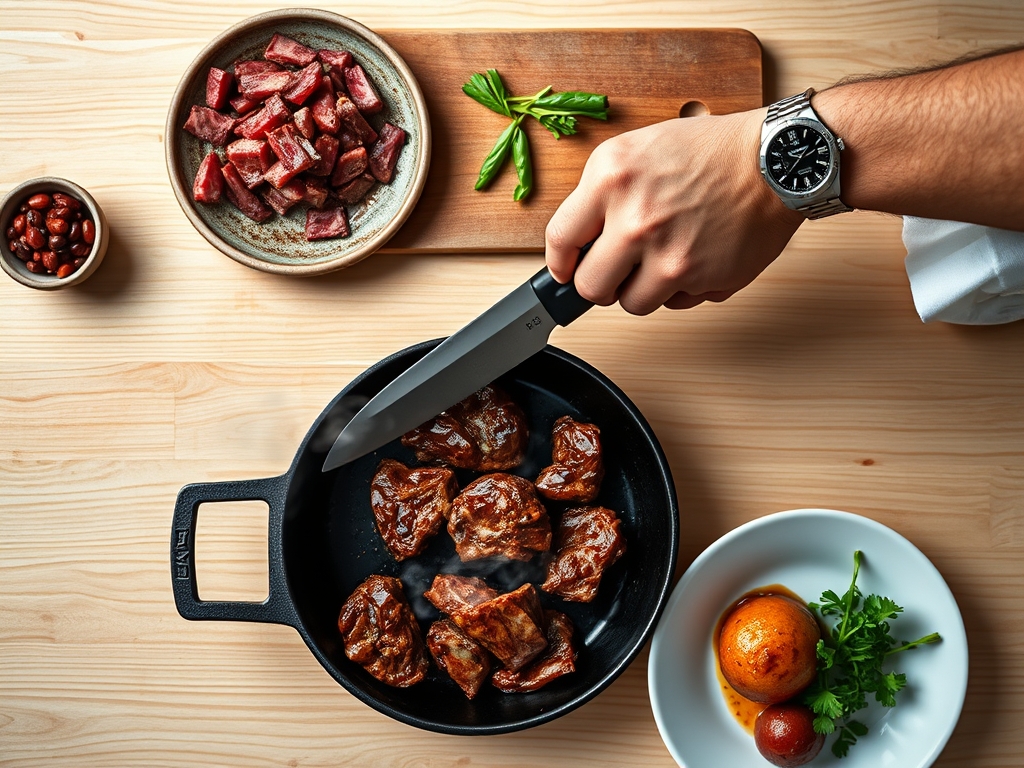
Setting up your station, or mise en place, is critical because Wagyu is time sensitive. You will need a heavy bottomed skillet, preferably cast iron, to manage the intense heat required for a proper crust. Gather your aromatics: shallots for a piquant bite, fresh thyme to infuse the rendered fats, and high quality sea salt to draw out the moisture. You should also have a digital scale ready; precision matters when you are portioning meat this rich.
Smart Substitutions: If you cannot find fresh shallots, use the white parts of green onions for a similar sulfurous profile without the bite. If you are watching your sodium, replace table salt with a splash of liquid aminos to add umami while keeping the mineral count lower. For those avoiding dairy, the inherent creaminess of the Wagyu fat means you can skip the butter entirely during the basting phase.
The Clock:
The Chef's Flow is all about thermal management. You want your meat to spend exactly twenty minutes tempering on the counter before it touches the pan. This prevents the "cold core" syndrome where the outside burns before the inside reaches safety. Prep time is a brisk fifteen minutes for chopping and weighing. The actual cook time for most wagyu beef recipes ground into various forms is surprisingly short; usually six to eight minutes. Total time from fridge to table is roughly forty five minutes, including a mandatory five minute rest period to allow the muscle fibers to relax and reabsorb those precious juices.
The Masterclass:
1. Tempering and Aeration
Take the meat out of the vacuum seal and gently break it apart with a bench scraper. Do not pack it down. You want to aerate the strands so that heat can move through the gaps.
Pro Tip: This allows for more surface area to undergo the Maillard reaction, the chemical dance between amino acids and reducing sugars that creates that "browned" savory flavor.
2. The Cold Sear Method
Instead of preheating your pan until it smokes, place your Wagyu in a cold heavy bottomed skillet. Turn the heat to medium high.
Pro Tip: Starting cold allows the fat to render slowly before the proteins seize up. This ensures the meat fries in its own liquid gold rather than sticking to the dry metal.
3. Precision Seasoning
Wait until the meat is halfway cooked before adding salt. Use a microplane to zest a hint of lemon over the top right at the end.
Pro Tip: Salt draws out moisture through osmosis. Adding it too early can boil the meat in its own juices rather than searing it, ruining the texture.
4. Deglazing the Fond
Once the meat is browned, remove it and look at the brown bits stuck to the pan. Use a splash of red wine or beef stock to deglaze the surface, scraping it with a wooden spoon.
Pro Tip: This liquid captures the concentrated flavor compounds created during browning, creating a viscous sauce that coats the meat perfectly.
5. The Gentle Fold
If you are adding herbs or cheese, fold them in using a saucier or a wide spatula. Do not stir vigorously.
Pro Tip: Overworking the meat can cause the proteins to cross link too tightly, turning a tender Wagyu dish into something rubbery and dense.
6. Thermal Carryover Management
Remove the meat from the heat when it is five degrees below your target temperature.
Pro Tip: Thermal carryover means the internal temperature will continue to rise even after the heat source is gone. Ignoring this leads to overcooked, dry beef.
7. The Rest Period
Transfer the beef to a warm plate and tent it loosely with foil for five minutes.
Pro Tip: Resting allows the internal pressure to stabilize, ensuring that when you take a bite, the juices stay inside the meat instead of flooding the plate.
The Deep Dive:
Macro Nutrition: Wagyu is surprisingly high in monounsaturated fats, specifically oleic acid, which is the same heart healthy fat found in olive oil. A standard four ounce serving provides roughly twenty grams of protein and twenty five grams of fat. It is a powerhouse for satiety.
Dietary Swaps: For a Keto version, serve your Wagyu over a bed of sautéed spinach to soak up the fat. For Gluten Free needs, ensure your deglazing liquid is a certified GF stock or wine. If you are looking for a Vegan alternative, while you cannot replicate Wagyu exactly, a mix of minced mushrooms and walnuts provides a similar fatty, earthy mouthfeel.
The Fix-It:
- Too Greasy: If the pan is swimming in fat, do not toss it. Use a bulb baster to remove the excess and save it in a jar for roasting potatoes later.
- Gray Meat: This happens if the pan is crowded. Cook in smaller batches to ensure the steam can escape, allowing for a proper sear.
- Bland Flavor: Wagyu needs acid. Add a drop of sherry vinegar or a squeeze of lime to cut through the richness and brighten the palate.
Meal Prep Science: To reheat Wagyu without losing the texture, avoid the microwave. Use a low oven (250 degrees Fahrenheit) and add a teaspoon of water to the container. This creates a small steam chamber that prevents the fat from separating and becoming grainy.
The Wrap-Up:
Mastering wagyu beef recipes ground for your home kitchen is the ultimate "flex" for any home cook. It is about respecting the ingredient and understanding that with great fat comes great responsibility. By focusing on temperature control and gentle handling, you transform a simple pound of beef into a Michelin star experience. Go grab your tongs, fire up the stove, and let that marbling do the heavy lifting for you. You have got this!
The Kitchen Table:
How do I store leftover Wagyu?
Place the beef in an airtight glass container immediately after it cools. It stays fresh for three days. To maintain the best texture, press a piece of parchment paper directly onto the surface of the meat to prevent oxidation and freezer burn.
Can I use Wagyu for tacos?
Absolutely. The high fat content carries spices beautifully. Just ensure you drain about half of the rendered fat before adding your seasoning blend; otherwise, the tortillas may become soggy from the intense moisture and oil levels in the pan.
Why is my ground Wagyu falling apart?
Wagyu has a lower melting point than standard beef. If you handle it too much with warm hands, the fat melts before it hits the pan. Keep the meat chilled until the very second you are ready to shape or cook it.
What is the best pan for Wagyu?
A seasoned cast iron skillet or a heavy stainless steel pan is best. These materials hold heat exceptionally well, which is vital for creating a crust quickly without overcooking the delicate interior of the high fat Wagyu grind.