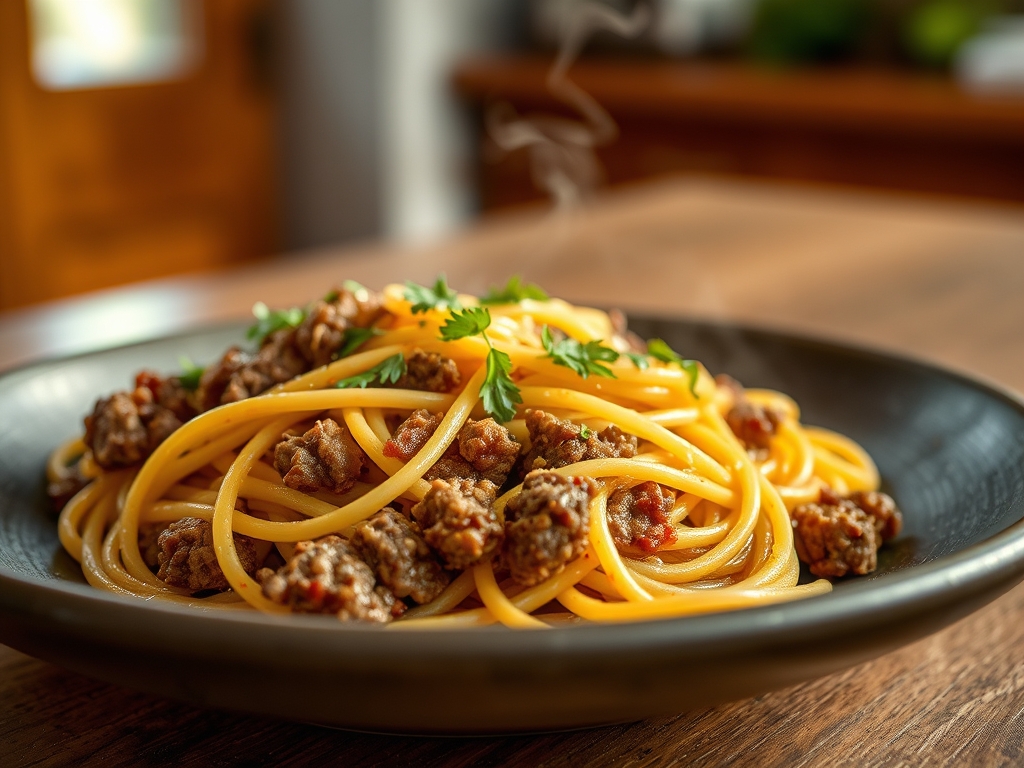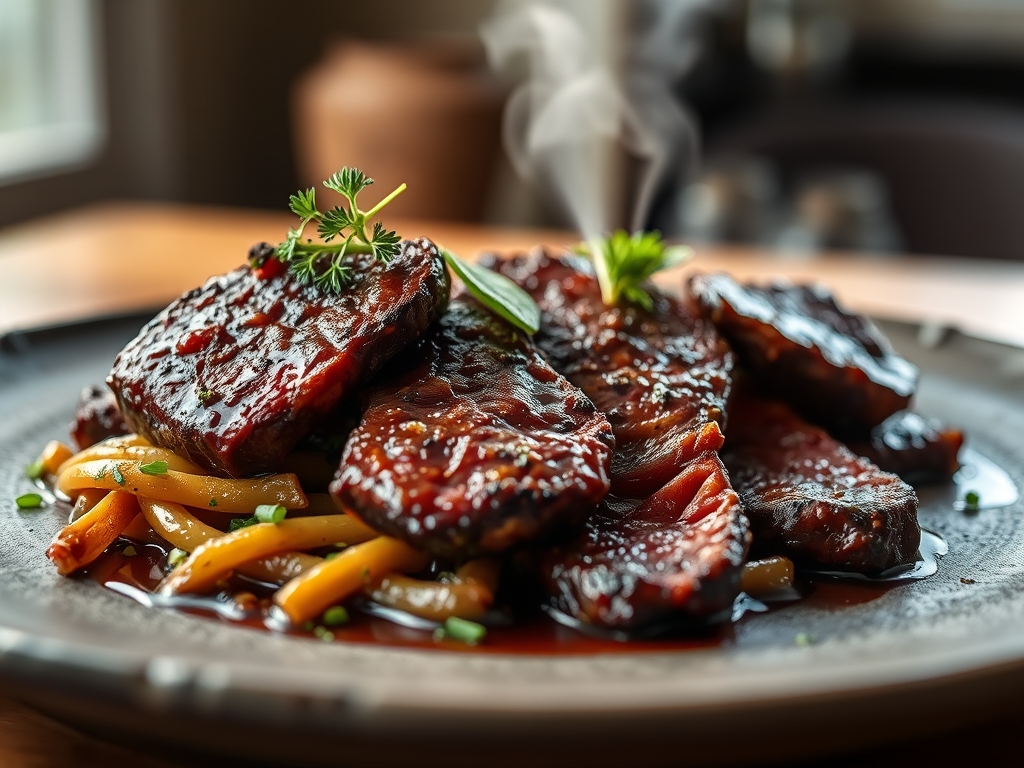
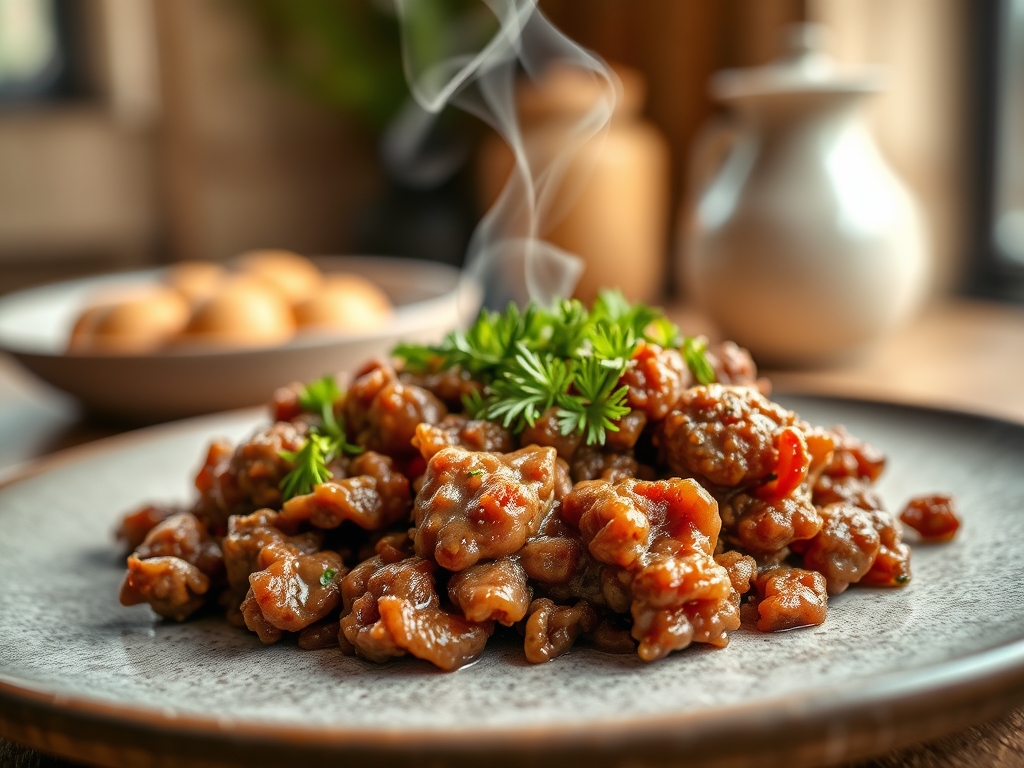
Imagine the sound of a heavy bottomed skillet hitting the burner; that sharp, metallic ring is the starting bell for a culinary transformation. As the heat rises, the air fills with the intoxicating scent of rendering fat and searing protein. We are not just making dinner; we are mastering the art of top rated ground beef recipes through the lens of molecular gastronomy and sheer kitchen joy. Whether you are craving a piquant Korean bowl or a classic, viscous Bolognese, the secret lies in the science of the sear. We are going to explore nine world class variations that elevate humble mince into a five star experience. This is about more than just following a list; it is about understanding how heat, acid, and salt interact to create the ultimate comfort food. Grab your favorite apron and let us get into the grit and glory of high end home cooking.
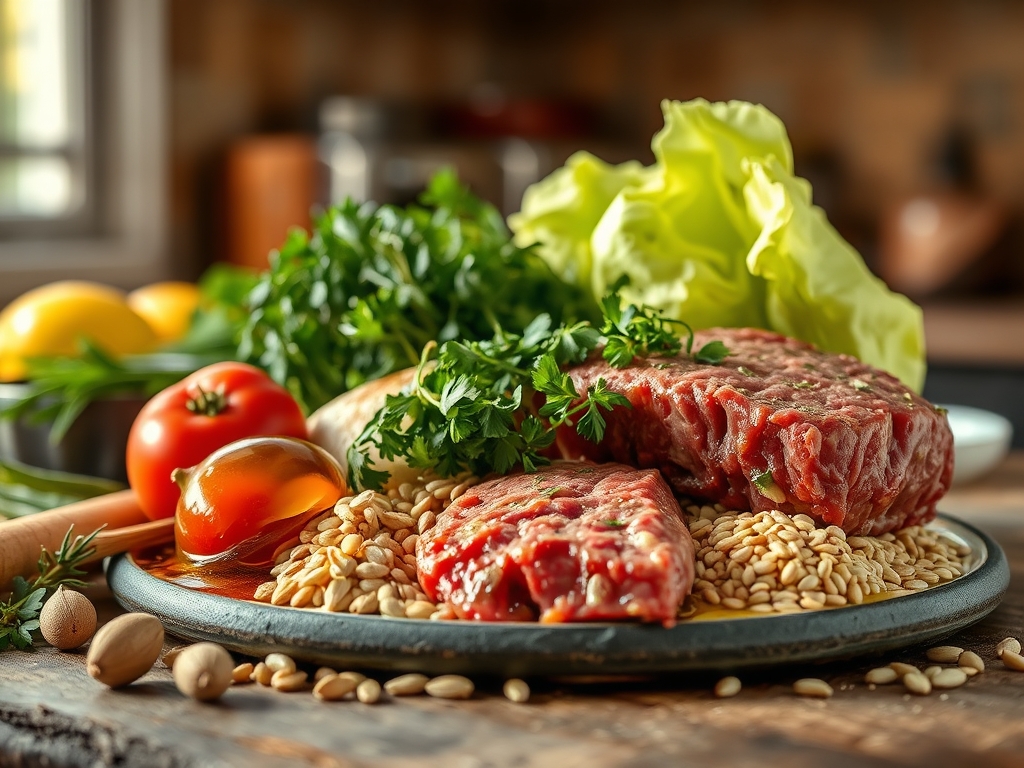
The Gathers:
To execute these top rated ground beef recipes, your mise-en-place must be precise. Start with the beef itself; aim for an 80/20 lean to fat ratio. This ratio is the golden ticket because the fat provides the thermal conductivity necessary to brown the meat without drying out the muscle fibers. You will need a digital scale to ensure portion uniformity, especially when shaping patties or meatballs. Gather your aromatics: yellow onions for their high sugar content (perfect for caramelization), fresh garlic cloves to be processed with a microplane for maximum surface area, and hearty herbs like rosemary or thyme.
Smart Substitutions are your best friend in a pinch. If you lack red wine for deglazing, a splash of balsamic vinegar mixed with beef stock provides the necessary acidity and depth. For those avoiding nightshades, swap paprika for a touch of liquid smoke and cumin to mimic that earthy, charred profile. If you find your pantry lacks panko, crushed pork rinds offer a zero carb binder that adds an incredible savory note. Always have a bench scraper nearby to move your chopped aromatics from the board to the pan efficiently, maintaining the rhythm of your prep.
The Clock
Efficiency in the kitchen is governed by what professionals call the Chef's Flow. This is the chronological optimization of tasks to minimize "dead time." For most ground beef dishes, the prep time sits at a crisp 15 minutes, while active cooking spans 20 to 30 minutes. The flow begins with the "Cold Prep" phase: chopping all vegetables and measuring liquids before the heat is even turned on.
Once the skillet is hot, you enter the "Active Render" phase. This is where you focus entirely on the Maillard reaction. Finally, the "Simmer and Infuse" phase allows you to step back, clean your station, and let the flavors meld. Total time from fridge to table is roughly 45 minutes. Understanding this timeline prevents the frantic scramble of chopping onions while the garlic is already burning in the pan.
The Masterclass
1. The High Heat Sear
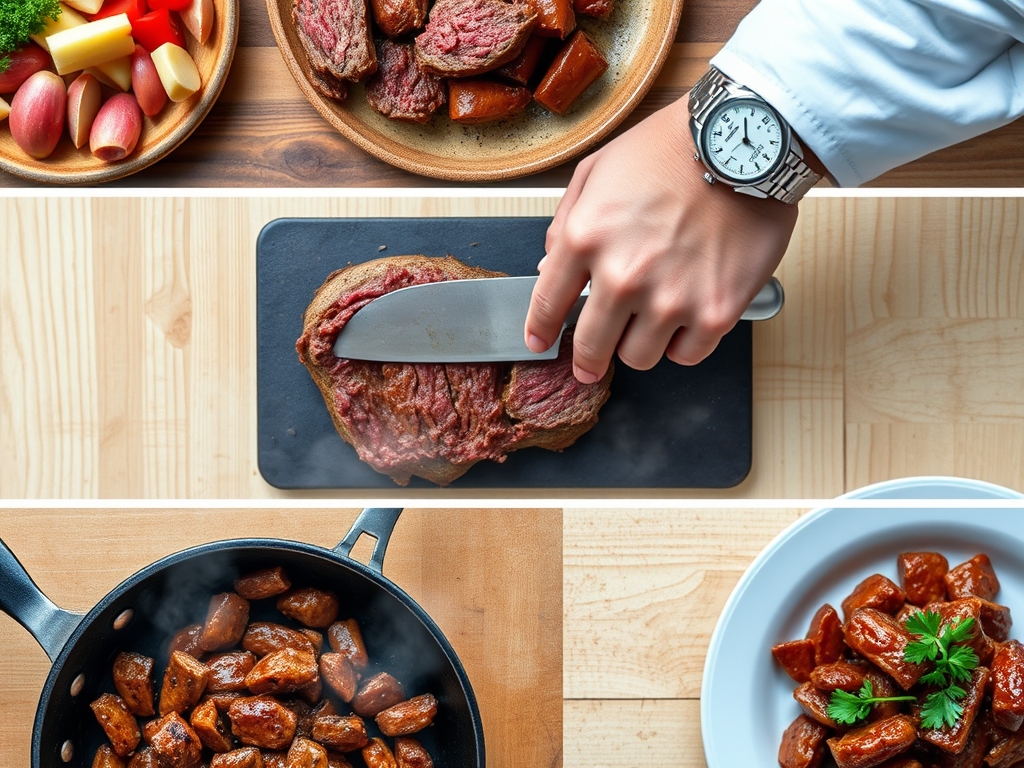
Pat your beef dry with a paper towel to remove surface moisture. Place your heavy bottomed skillet over medium high heat until a drop of water flicked onto the surface dances and evaporates instantly. Add the beef in a flat layer and do not touch it for at least three minutes.
Pro Tip: This patience facilitates the Maillard reaction, a chemical reaction between amino acids and reducing sugars that creates hundreds of different flavor compounds. If you stir too early, the meat steams in its own juices rather than searing.
2. Deglazing the Fond
Once the meat is browned and removed, you will see brown bits stuck to the bottom of the pan. This is called "fond." Pour in a liquid like stock, wine, or even water, and use a wooden spoon to scrape those bits up as the liquid bubbles.
Pro Tip: Deglazing uses the principle of solubility to incorporate concentrated proteins and sugars back into your sauce. This adds a "umami" depth that cannot be replicated by seasonings alone.
3. Emulsifying the Sauce
If your recipe calls for a sauce, such as a Swedish meatball gravy or a stroganoff, add your fats and starches slowly. Use a whisk to combine butter and flour into a roux before slowly adding liquid.
Pro Tip: Emulsification is the process of forcing two immiscible liquids, like oil and water, into a stable mixture. Constant agitation breaks the fat into tiny droplets that stay suspended, creating a silky, viscous mouthfeel.
The Deep Dive
Nutritionally, ground beef is a powerhouse of bioavailable iron, B12, and zinc. A standard 4 ounce serving provides roughly 21 grams of protein. For those on a Keto path, keep the fat; for a leaner profile, rinse the cooked crumbles under hot water to remove excess lipids, though you will sacrifice some flavor. Vegan swaps are easily achieved using walnut and lentil blends, which mimic the texture of beef when roasted in the oven first to dehydrate the legumes.
The Fix-It: If your meat is grey and "boiled" looking, your pan was overcrowded. Fix this by removing half the meat and cranking the heat. If your sauce is too salty, add a peeled potato to simmer for ten minutes; it acts as a molecular sponge for sodium. If the dish tastes "flat," it likely lacks acid. A squeeze of lemon or a teaspoon of apple cider vinegar will brighten the entire profile instantly.
For meal prep, reheating is a science. Avoid the microwave if possible, as it vibrates water molecules so violently they tear the protein structures, making the beef rubbery. Instead, reheat in a saucier over low heat with a tablespoon of water or stock to rehydrate the fibers.
The Wrap-Up
Mastering these top rated ground beef recipes turns you from a recipe follower into a culinary architect. You now understand that the sizzle in the pan is the sound of flavor being created at a molecular level. Whether you are feeding a crowd or prepping for a busy week, these techniques ensure every bite is rich, savory, and perfectly textured. Go forth, use your tongs with confidence, and remember that the best meals are built on a foundation of heat, science, and a little bit of wit.
The Kitchen Table
Why does my ground beef turn grey instead of brown?
This happens due to overcrowding the pan, which traps steam. To fix this, cook in smaller batches and ensure the skillet is scorching hot before adding the meat. This allows moisture to evaporate instantly, facilitating a proper sear.
Can I freeze these ground beef meals?
Yes, ground beef dishes freeze exceptionally well. Ensure the food reaches room temperature before sealing in airtight containers. This prevents ice crystals from forming, which can compromise the texture of the meat and the viscosity of the sauce upon thawing.
What is the best way to drain excess fat?
Use a slotted spoon to transfer the cooked beef to a plate lined with paper towels. Alternatively, tilt the skillet and use a turkey baster to remove the liquid fat safely without losing the flavorful fond stuck to the pan.
How do I make the beef more tender in sauces?
Incorporate a "velveting" technique or add a pinch of baking soda to the raw meat 15 minutes before cooking. This raises the pH level on the surface of the meat, making it harder for the proteins to bond tightly.