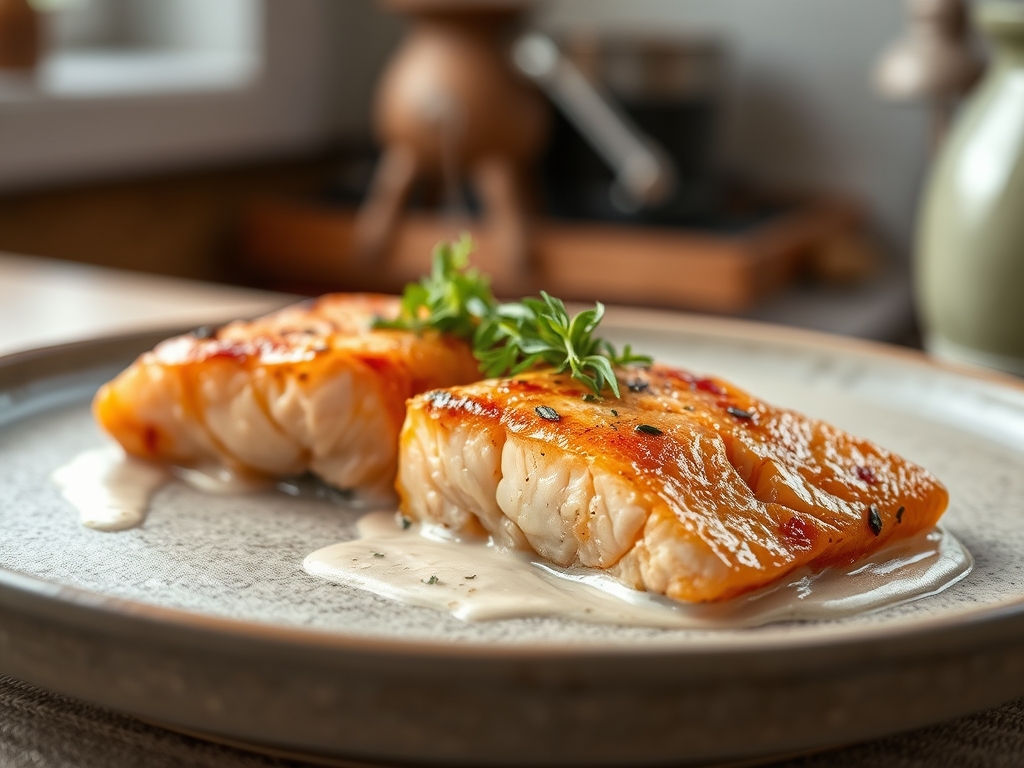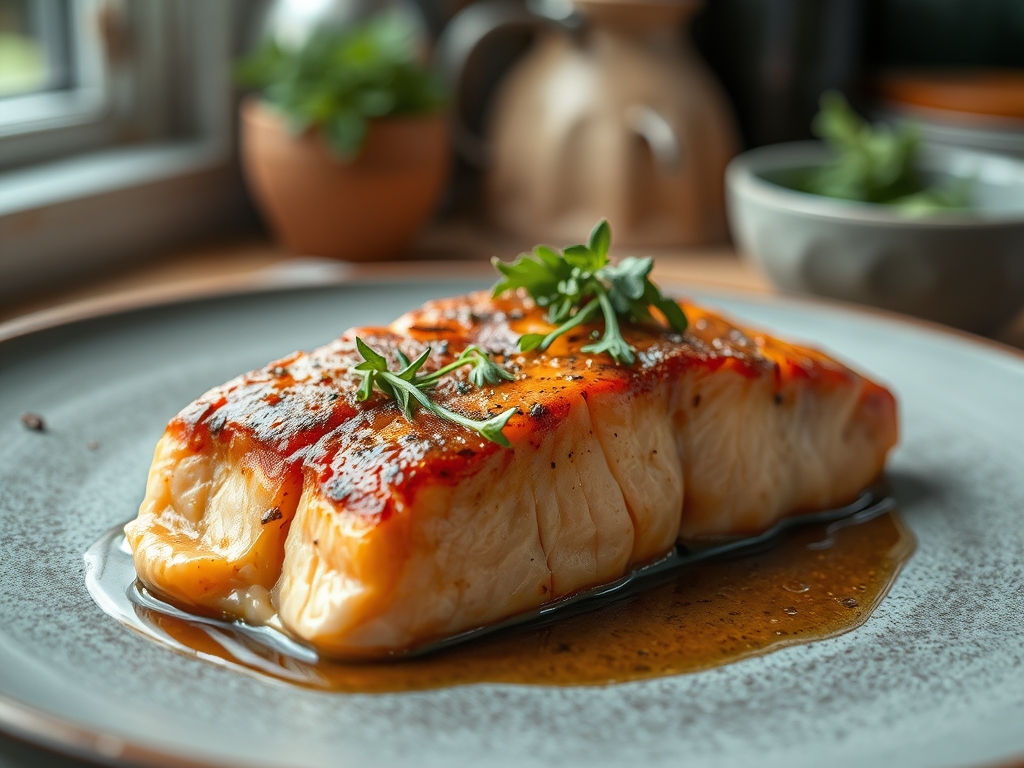
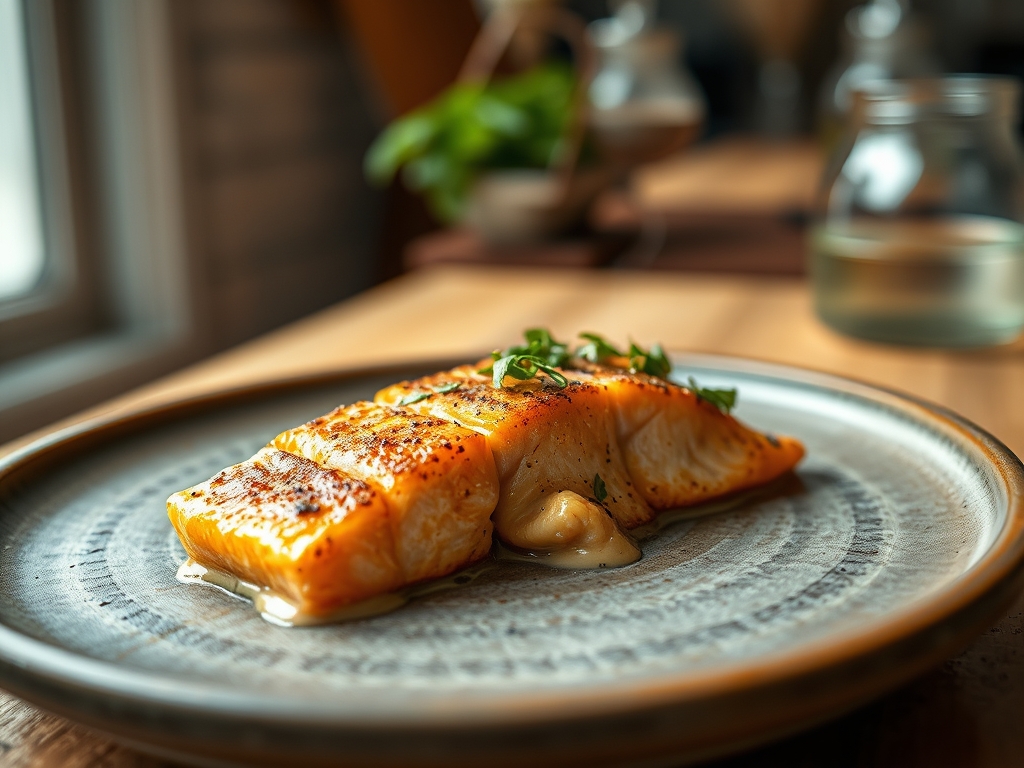
Imagine a kitchen flooded with golden afternoon light; the air is thick with the scent of toasted pine nuts and the bright; citrusy zip of lemon zest. When you dive into salmon recipes giada de laurentiis; you are not just making dinner; you are conducting a masterclass in Italian coastal elegance. Salmon is the ultimate canvas for Mediterranean flavors because its high fat content provides a luxurious mouthfeel that balances perfectly against acidic capers and herbaceous pestos. We are aiming for that iconic Giada aesthetic: vibrant colors; clean lines; and flavors that pop with every bite. Whether you are searing a fillet to achieve a glass-like skin or slow-roasting it in a parchment cocoon; the goal is a translucent; buttery interior that flakes at the mere suggestion of a fork.
This collection of six variations takes the foundational principles of Roman and Californian fusion to create something truly spectacular. We will explore how to manipulate heat to prevent the dreaded white albumin from marring your presentation. We will also master the art of the pan-sauce; using cold butter to create a stable emulsion that clings to the fish without feeling heavy. It is time to move beyond basic baking and embrace the technical nuances that make these salmon recipes giada de laurentiis so legendary in the culinary world.
The Gathers:
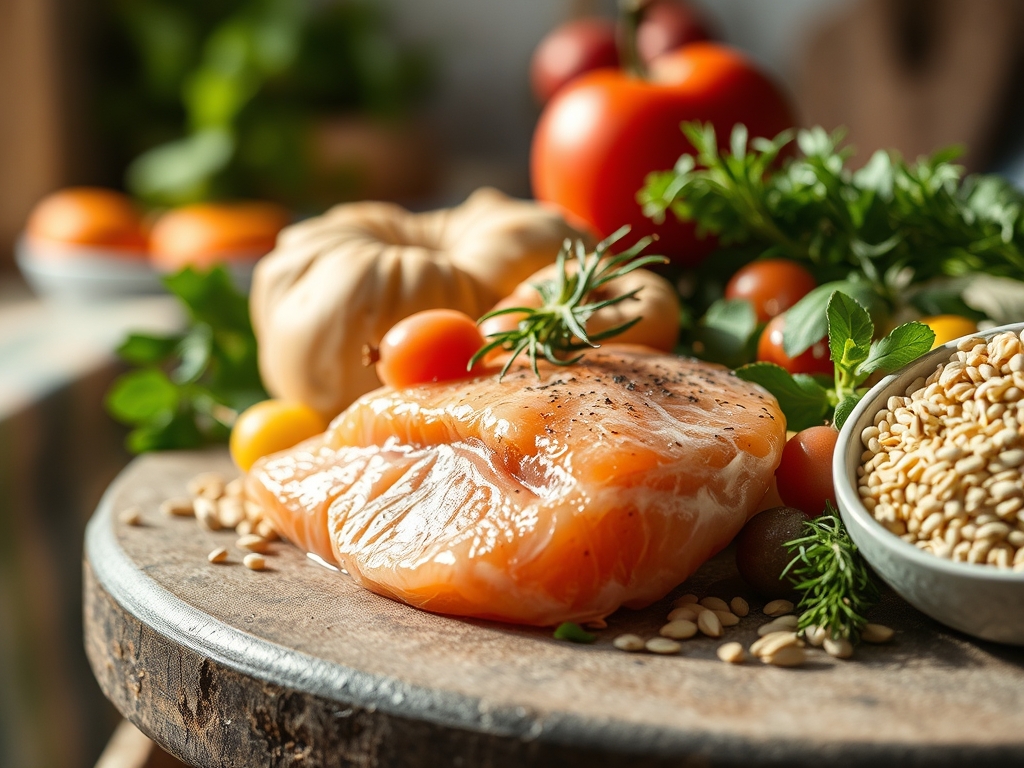
To execute these recipes with precision; your mise-en-place must be impeccable. Start with center-cut Atlantic or King salmon fillets; aiming for a consistent thickness of 1.5 inches to ensure even thermal penetration. You will need high-quality fats: extra virgin olive oil with a low acidity profile and unsalted European-style butter; which has a higher butterfat content for better browning. For the aromatics; gather fresh flat-leaf parsley; pungent garlic cloves; and Meyer lemons; which offer a sweeter; more floral profile than standard Lisbons.
The pantry staples include salt-cured capers; which must be rinsed to control salinity; and toasted pine nuts for a nutty; viscous finish. If you are looking for smart substitutions; swap the pine nuts for slivered almonds if you prefer a more pronounced crunch. If fresh herbs are unavailable; a high-quality freeze-dried basil can work; though it lacks the volatile oils of the fresh leaf. For a piquant kick; keep a jar of Calabrian chili paste nearby; it is the secret weapon in the Giada toolkit for adding depth without overwhelming heat.
The Clock:
Efficiency in the kitchen is about the Chef's Flow. Expect a total active prep time of 15 minutes. This includes using a microplane to zest your citrus and a sharp chef's knife to finely mince your aromatics. The cooking phase is swift; typically 8 to 12 minutes depending on your chosen method.
The flow begins with tempering your fish; let it sit at room temperature for 20 minutes before it touches the pan. While the fish rests; prepare your sauces or salsas. By the time the salmon finishes its 3-minute post-cook rest; your sides should be plated and ready. This synchronization ensures that the fish is served at its peak temperature; preventing the fats from congealing and maintaining that silky texture.
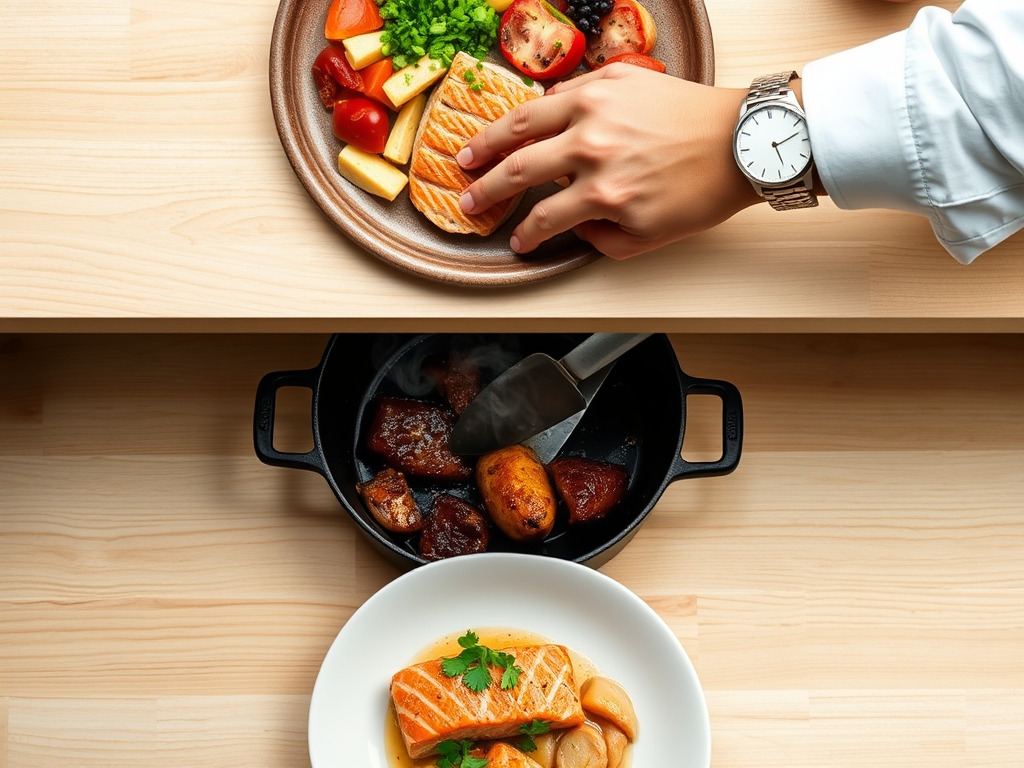
The Masterclass:
1. The Perfect Sear
Pat the salmon skin bone-dry with paper towels to remove every trace of moisture. Season aggressively with kosher salt. Heat a heavy-bottomed skillet over medium-high heat until the oil shimmers. Place the fish skin-side down and press firmly with a flexible spatula for 30 seconds.
Pro Tip: This initial pressure prevents the protein fibers from contracting and curling. Scientifically; this ensures maximum surface area contact; which facilitates the Maillard reaction for a perfectly crispy skin.
2. The Butter Baste
Once the skin is crisp and the flesh is cooked two-thirds of the way up; flip the fillet. Drop a knob of butter; crushed garlic; and thyme into the pan. Tilt the skillet and use a large spoon to continuously drench the fish in the foaming butter.
Pro Tip: Basting creates a convective heat environment. The hot fat gently cooks the top of the fish while infusing it with aromatic compounds; preventing the delicate proteins from drying out.
3. The Deglaze
Remove the salmon and set it aside on a warm plate. Immediately pour a splash of dry white wine or lemon juice into the hot pan. Use a bench scraper or wooden spoon to lift the browned bits (the fond) from the bottom.
Pro Tip: Deglazing captures the concentrated flavors left in the pan. The acid in the liquid balances the residual fats; creating a sophisticated; piquant reduction in seconds.
4. The Emulsion
Reduce the heat to low and whisk in a teaspoon of cold butter or a dollop of creme fraiche. Stir rapidly until the sauce becomes glossy and thick enough to coat the back of a spoon.
Pro Tip: This is the science of emulsification. By adding cold fat to a warm liquid and agitating it; you create a stable suspension of fat droplets that provides a velvety texture.
5. The Herb Infusion
Fold in your fresh herbs at the very last second before serving. This preserves their bright green color and prevents the volatile oils from evaporating under high heat.
Pro Tip: Heat causes the chlorophyll in herbs to break down. Adding them at the end ensures the enzymatic browning is minimized; keeping the presentation vibrant and the flavor sharp.
6. The Resting Period
Allow the salmon to rest for at least 3 minutes before serving. This allows the internal juices to redistribute throughout the fillet rather than spilling out onto the plate.
Pro Tip: Thermal carryover will continue to cook the fish by about 5 degrees after it leaves the pan. Pulling the fish at 125F ensures it reaches a perfect medium-rare of 130F by the time it hits the table.
The Deep Dive:
From a nutritional standpoint; these salmon recipes are a powerhouse. A standard 6-ounce serving provides roughly 34 grams of high-quality protein and is rich in Omega-3 fatty acids; which are essential for brain health. If you are following a Keto lifestyle; these recipes are naturally compliant; just be generous with the healthy fats. For a vegan twist; apply these same searing and saucing techniques to thick "steaks" of cauliflower or roasted eggplant. If you are Gluten-Free; simply ensure your thickening agents for sauces are starch-based rather than flour-based.
The Fix-It:
- White Stuff Appearing: This is albumin. It happens when heat is too high; forcing the protein out of the muscle fibers. Fix: Lower your heat and cook the fish more slowly.
- Soggy Skin: This is caused by residual moisture or overcrowding the pan. Fix: Use a digital scale to ensure even portions and never cook more than two fillets at once in a standard skillet.
- Broken Sauce: If your lemon-butter sauce separates; it likely got too hot. Fix: Remove from heat and whisk in a teaspoon of heavy cream or a splash of water to re-bind the emulsion.
Meal Prep: To reheat salmon without it becoming rubbery; avoid the microwave. Instead; place it in a 275F oven with a tablespoon of water and cover tightly with foil. This creates a gentle steam environment that re-hydrates the proteins.
The Wrap-Up:
Mastering salmon recipes giada de laurentiis is about more than just following a list of steps; it is about understanding the chemistry of the kitchen. By focusing on moisture control; temperature management; and the balance of acid and fat; you can transform a simple piece of fish into a restaurant-quality masterpiece. Use your tongs with confidence; trust your senses; and remember that the best cooking comes from a place of joy and curiosity. Now; go turn on that stove and make something beautiful!
The Kitchen Table:
How do I know when the salmon is perfectly done?
The most reliable method is using a digital thermometer to hit 130F. Alternatively; press the side of the fillet; if the flakes begin to separate easily under light pressure; the collagen has dissolved and it is ready.
Can I use frozen salmon for these recipes?
Yes; provided you thaw it completely in the refrigerator. Pat it extremely dry before cooking; as frozen fish tends to release more moisture; which can interfere with the searing process and prevent the Maillard reaction.
What is the best pan for searing salmon?
A stainless steel or cast-iron skillet is ideal. These materials have high heat retention; which is crucial for maintaining a constant temperature when the cold fish hits the pan; ensuring a crisp; golden-brown crust every time.
Why does Giada use so much lemon zest?
Zest contains the essential oils of the fruit without the harsh acidity of the juice. It provides a bright; floral aroma that cuts through the richness of the salmon fat without curdling any dairy-based sauces you might be using.