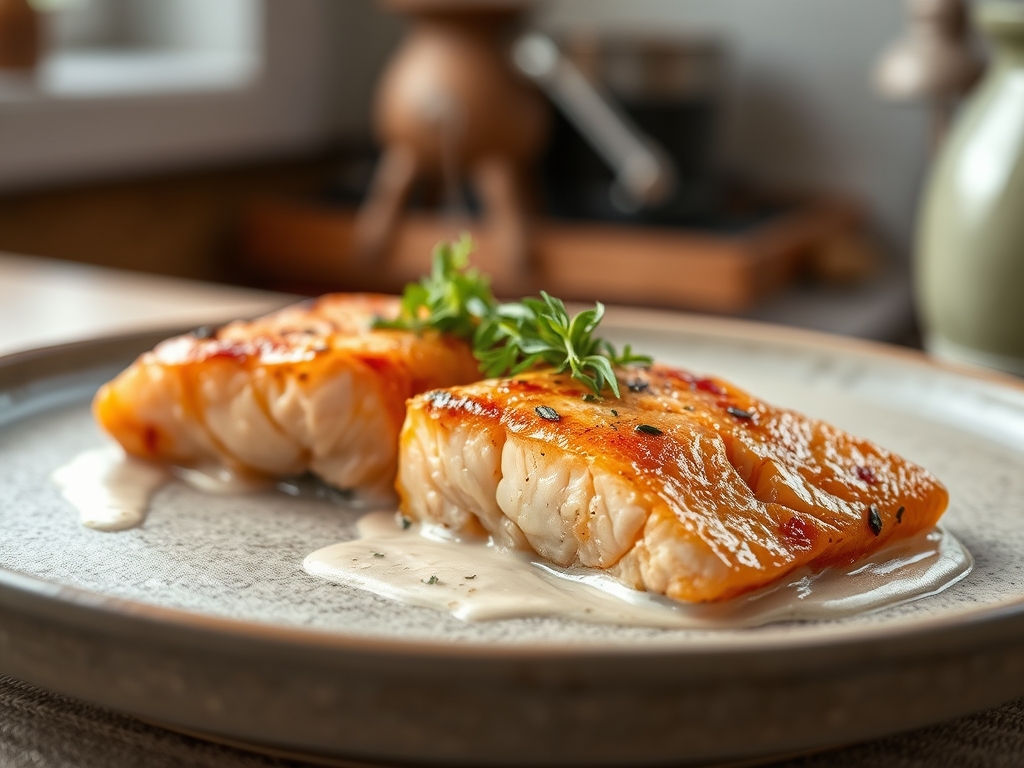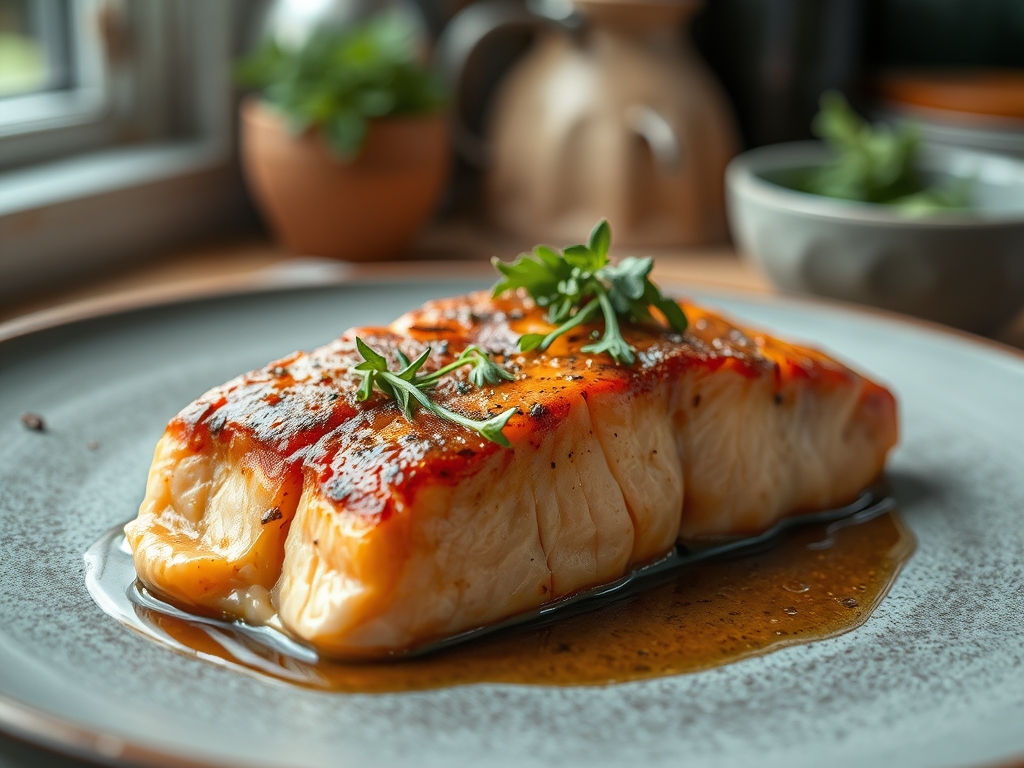
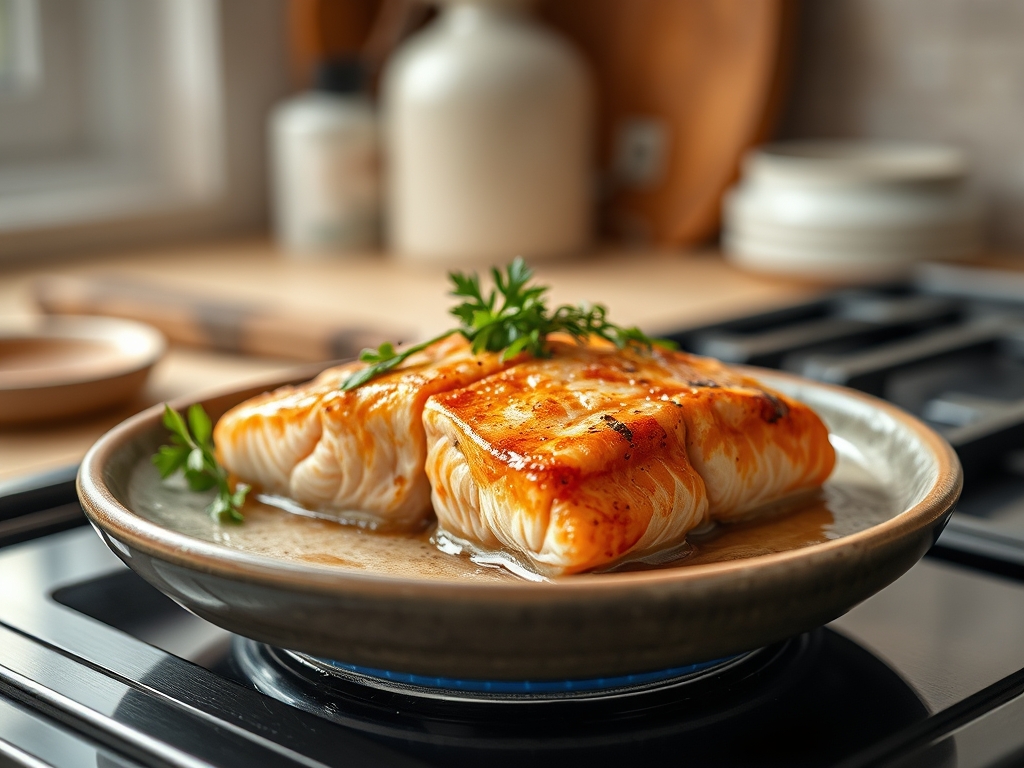
Imagine the sound of cold, salted butter hitting a hot skillet; it is a sharp, percussive hiss that signals the start of something transformative. When you master salmon recipes on stovetop, you are not just cooking; you are conducting a delicate thermal symphony. The goal is a glass-like, shatteringly crisp skin paired with a translucent, buttery interior that flakes at the mere suggestion of a fork.
Most home cooks approach the skillet with a sense of trepidation, fearing the dreaded "white stuff" or a fillet that clings to the pan like a stubborn memory. We are going to change that today. By understanding the molecular behavior of myofibrillar proteins and the magic of the Maillard reaction, you will move from guessing to knowing. This is the definitive guide to achieving restaurant-quality results in your own kitchen; no culinary school tuition required. We are diving deep into the mechanics of heat transfer to ensure every bite is a masterclass in texture and flavor.
The Gathers:
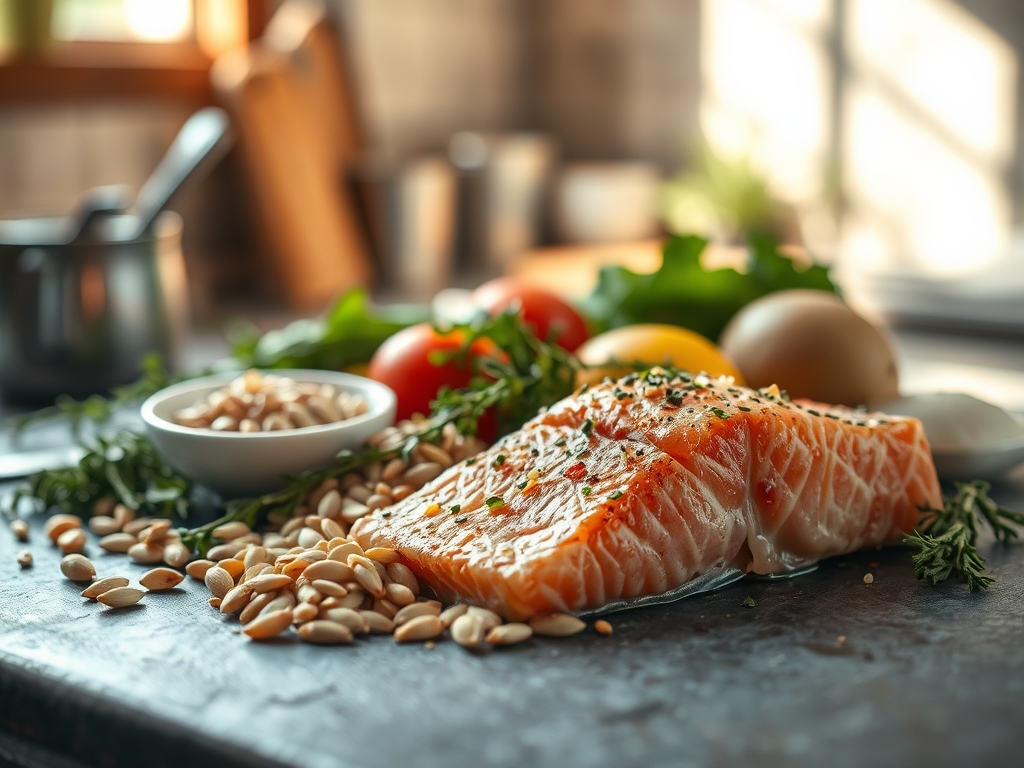
Before we ignite the burner, we must assemble our mise-en-place. Success in the kitchen is 80 percent preparation and 20 percent execution. You will need center-cut fillets, ideally six to eight ounces each. Look for deep pigmentation and a firm structure; this indicates a high concentration of astaxanthin, the antioxidant that gives salmon its hue.
You will also need a high-smoke-point fat. While butter provides flavor, its milk solids burn at 350 degrees Fahrenheit. Instead, use avocado oil or clarified butter (ghee) for the initial sear. Gather flaky sea salt, freshly cracked black pepper, and aromatics: sprigs of woody thyme, crushed garlic cloves, and a cold knob of unsalted butter for the final baste.
Smart Substitutions:
If you are avoiding dairy, a viscous, high-quality extra virgin olive oil works, though you must monitor the heat to prevent acridity. For a piquant twist, swap lemon for preserved lemon paste or a splash of dry white wine to deglaze the pan. If you lack fresh herbs, a pinch of dried tarragon added to the oil provides a sophisticated, anise-like aroma that penetrates the flesh during the rendering process.
The Clock
Efficiency is the hallmark of a professional. In the world of high-end catering, we call this the Chef's Flow. Your total active time is roughly 20 minutes.
Prep Time: 10 Minutes. This includes patting the fish dry (non-negotiable for crust formation) and allowing the protein to temper on the counter. Cold fish hitting a hot pan causes the muscle fibers to seize, resulting in a tough texture.
Cook Time: 8 to 10 Minutes. This is split between the high-heat skin sear and the gentle, indirect heat of the flip.
Rest Time: 3 Minutes. Never skip this. Resting allows the internal juices to redistribute. If you cut into it immediately, the moisture escapes, leaving the fibers dry and depleted of their silky mouthfeel.
The Masterclass
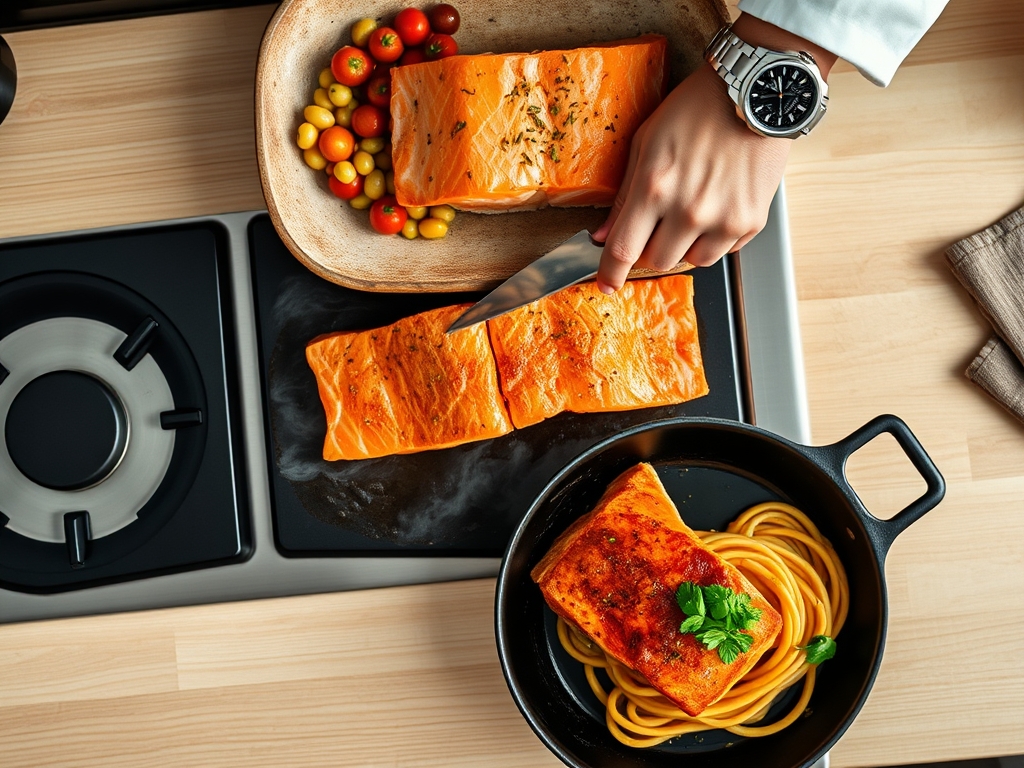
1. The Desiccation Ritual
Use a paper towel to press every molecule of moisture off the skin. Moisture is the enemy of the sear; if the skin is damp, the heat will spend its energy evaporating water rather than browning the protein.
Pro Tip: This is about latent heat of vaporization. By removing surface water, you bypass the steaming phase and move directly to the Maillard reaction, where sugars and amino acids create that savory, brown crust.
2. The Weight of Authority
Once you place the fish skin-side down in your heavy-bottomed skillet, press it down firmly with a flexible fish spatula for the first 30 seconds. Salmon skin tends to curl as the collagen contracts, which creates uneven contact with the heat.
Pro Tip: Consistent pressure ensures even thermal conduction. This prevents "dead zones" where the skin remains flabby and grey instead of becoming a crisp, golden wafer.
3. The Render and Wait
Resist the urge to poke, prod, or move the fillet. Let the fat render out of the skin. You will see the color of the flesh change from the bottom up. When the opaque line reaches the halfway mark, it is time to move.
Pro Tip: This is enzymatic browning in action. The skin will actually "release" itself from the pan once a sufficient crust has formed. If it sticks, it is not ready to flip.
4. The Butter Baste (Arrosé)
Flip the fish gently using tongs and a spatula. Drop in your butter, garlic, and thyme. As the butter foams, tilt the pan and use a large spoon to continuously pour the hot, flavored fat over the cooked skin.
Pro Tip: This technique uses convection to finish the interior gently while the aromatics infuse the fat. The butter acts as a flavor carrier, delivering fat-soluble compounds from the garlic and herbs directly into the meat.
5. The Internal Check
Use a digital scale or, more accurately, a digital probe thermometer to check the thickest part of the fillet. Aim for 125 degrees Fahrenheit for medium-rare or 130 degrees for medium.
Pro Tip: Remember thermal carryover. The internal temperature will rise by 5 to 7 degrees after you remove it from the pan. Pulling it early ensures you do not end up with a chalky, overcooked result.
The Deep Dive
Macro Nutrition:
A standard six-ounce serving of stovetop salmon provides roughly 34 grams of high-quality protein and 20 grams of heart-healthy fats, primarily Omega-3 fatty acids. It is a nutrient-dense powerhouse that supports cognitive function and reduces systemic inflammation.
Dietary Swaps:
For a Keto profile, increase the butter baste. For Vegan guests, this technique actually applies beautifully to thick slabs of "Lion's Mane" mushrooms or cauliflower steaks. To keep it Gluten-Free, ensure your seasonings are pure and avoid any flour-based coatings.
The Fix-It:
- White Albumin Leaking: This happens when the heat is too high, too fast. The protein "squeezes" out. Fix: Lower the flame and temper your fish longer before cooking.
- Soggy Skin: You likely crowded the pan. Fix: Cook in batches to maintain the skillet's surface temperature.
- Stuck Fish: You used a thin pan or moved it too soon. Fix: Use a cast iron or heavy stainless steel pan and wait for the "natural release."
Meal Prep:
To reheat without ruining the texture, avoid the microwave. Use a low oven (275 degrees) with a splash of water in the dish, covered in foil. This creates a gentle steam environment that rehydrates the proteins without re-cooking them to a rubbery finish.
The Wrap-Up
Mastering salmon recipes on stovetop is a gateway skill that elevates your entire culinary repertoire. It is about the balance of aggression and patience; the high-heat sear followed by the gentle butter bath. Once you hear that perfect sizzle and see the golden hue of a perfectly rendered skin, you will never look at a restaurant menu the same way again. You have the tools, the science, and the technique. Now, get that skillet screaming hot and show that fillet who is boss.
The Kitchen Table
How do I stop salmon from smelling "fishy"?
Buy the freshest fish possible and pat it dry. The odor comes from Trimethylamine Oxide (TMAO) breaking down. Rinsing with cold water and patting dry removes surface bacteria and residual fluids that harbor those scents.
Should I leave the skin on?
Absolutely. The skin acts as a protective barrier, preventing the delicate flesh from overcooking. Even if you do not plan to eat it, the skin retains moisture and adds a layer of structural integrity during the flipping process.
What is the best pan for stovetop salmon?
A heavy-bottomed stainless steel or cast iron skillet is superior. These materials have high heat retention, meaning the temperature won't drop significantly when the cold fish is added, ensuring a superior, professional-grade sear.
Can I cook salmon from frozen on the stovetop?
It is not recommended for this specific searing technique. Frozen salmon releases too much moisture as it thaws in the pan, which results in steaming rather than searing. For the best texture, thaw overnight in the refrigerator.