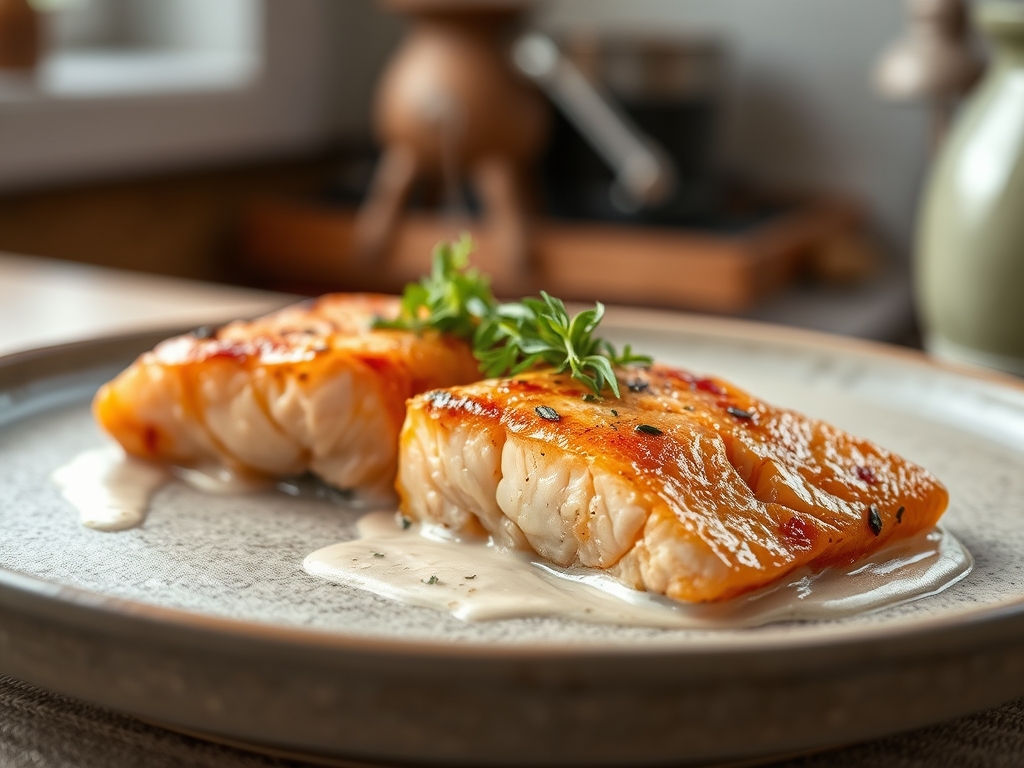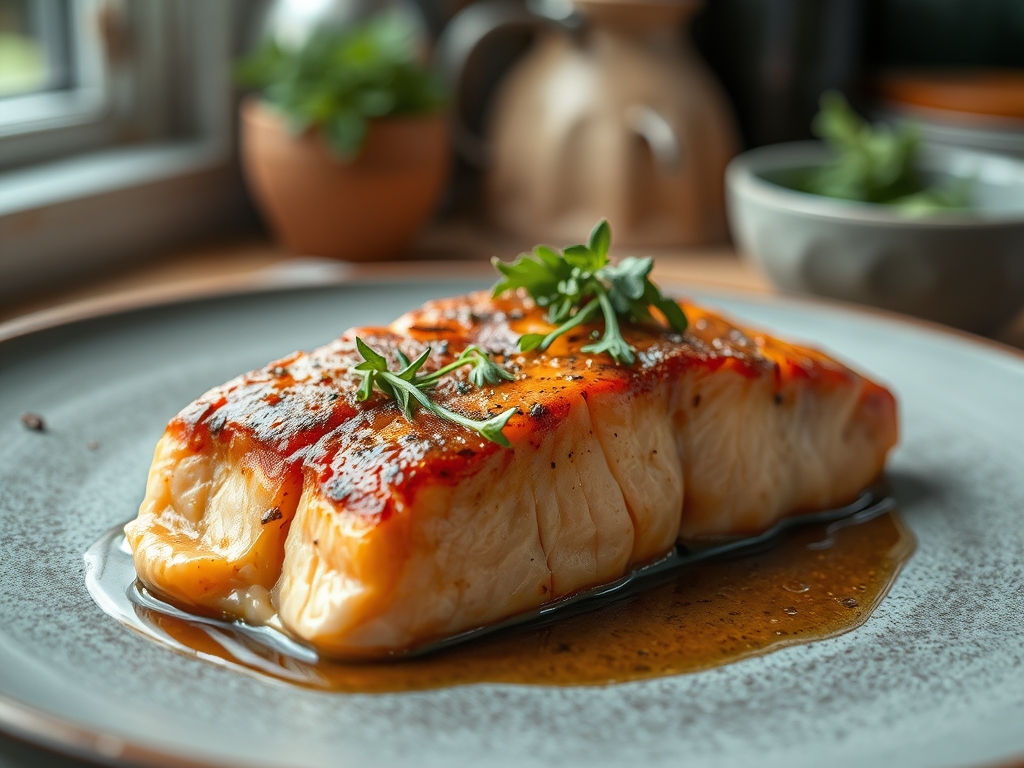
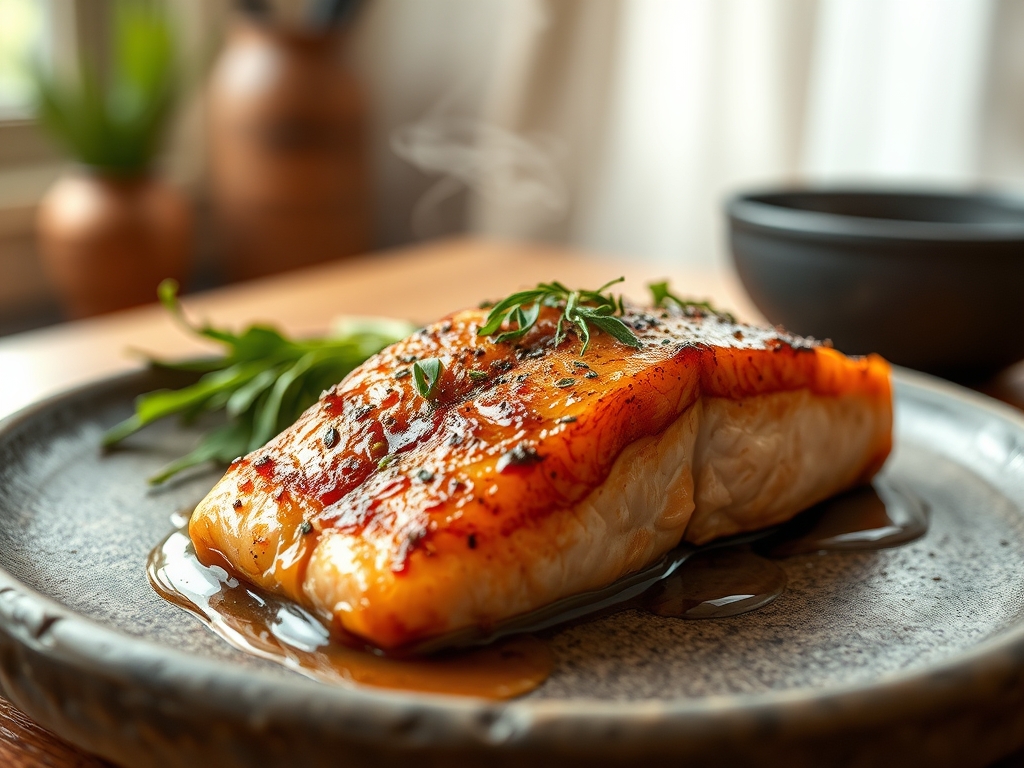
Picture this: a Tuesday evening where the kitchen air is heavy with the scent of toasted sesame and caramelized honey. You pull the basket from your machine to reveal a fillet with edges so crisp they shatter like glass, yet the center remains a buttery, translucent pink. Mastering salmon recipes for the air fryer is not just about convenience; it is a tactical strike against the rubbery, overcooked fish of your past. We are chasing that elusive intersection of a hard sear and a delicate flake. Most home cooks treat the air fryer like a microwave, but we are going to treat it like a high-velocity convection oven. By manipulating airflow and surface moisture, you can achieve a restaurant-grade crust in less time than it takes to boil water. This is where high-octane heat meets molecular precision. We are moving beyond the basic "season and spray" method into a realm of culinary physics that ensures your dinner is never dry. Grab your favorite apron; we are about to turn your countertop appliance into a precision searing tool that would make any line chef jealous.
The Gathers:
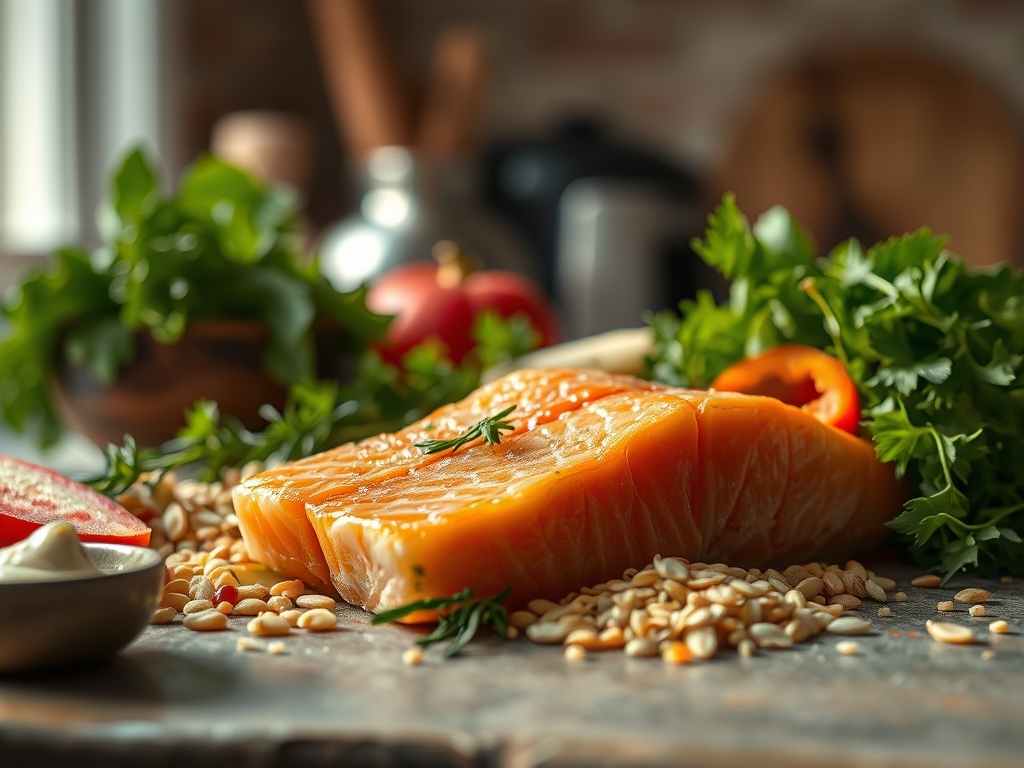
Before we engage the heating element, we must curate our mise-en-place with scientific intent. Every ingredient serves a structural or chemical purpose. Start with six-ounce center-cut fillets; these provide the uniform thickness necessary for even heat distribution. You will need a viscous binder to facilitate the Maillard reaction. I prefer a blend of Dijon mustard and maple syrup. The mustard acts as an emulsifier while the sugars in the syrup provide the fuel for browning.
For the dry components, gather smoked paprika, garlic powder, and flaky sea salt. Use a microplane to zest a fresh lemon directly over your spice blend; the citrus oils are volatile and will infuse the crust more effectively when freshly released. You will also need a high-smoke-point oil, such as avocado or grapeseed oil, to prevent acrid flavors at high temperatures.
Smart Substitutions:
If you are avoiding sugar, swap the maple syrup for a drop of liquid stevia or simply omit it and rely on a heavy dusting of smoked paprika for color. For a piquant kick without the mustard, use a thin layer of Greek yogurt; the lactic acid acts as a tenderizer for the fish proteins. If fresh lemons are unavailable, a pinch of sumac provides that same bright, acidic profile.
The Clock: Precision Timing
Efficiency in the kitchen is governed by "Chef's Flow," the art of overlapping tasks to minimize downtime.
Prep Time: 8 Minutes. This includes patting the fish dry (non-negotiable for crust development) and whisking your glaze in a small saucier or bowl.
Cook Time: 8 to 12 Minutes. The delta here depends on the thickness of your fillet and whether you prefer a medium-rare or medium finish.
Rest Time: 3 Minutes. This is the "silent" cooking phase where thermal carryover finishes the job.
The flow is simple: Preheat the air fryer for five minutes while you season. This ensures the basket is a "hot zone" the moment the fish touches down, preventing sticking and jump-starting the sear.
The Masterclass:
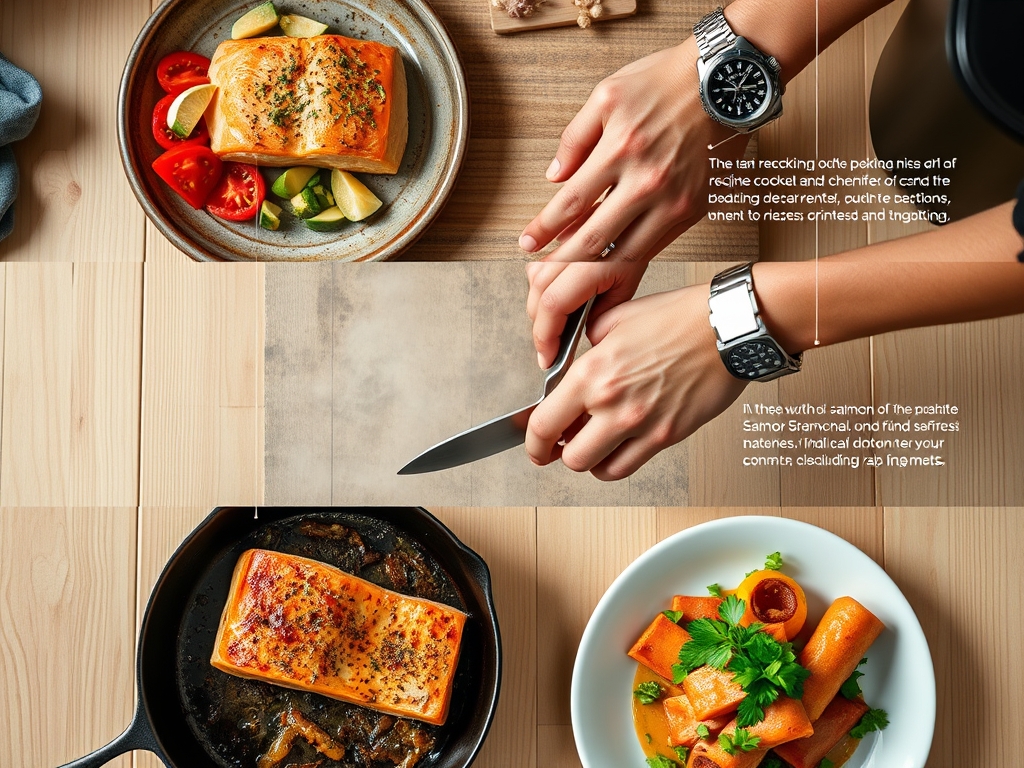
1. The Desiccation Ritual
Use heavy-duty paper towels to press every ounce of moisture from the surface of the salmon. Moisture is the enemy of the crunch.
Pro Tip: This is known as surface dehydration. If the skin is wet, the energy of the air fryer is wasted evaporating water instead of triggering the Maillard reaction, leaving you with gray, steamed fish.
2. The Emulsion Application
Brush a thin, even layer of your Dijon-maple binder onto the flesh side. Use a silicone pastry brush to ensure total coverage without tearing the delicate fibers.
Pro Tip: The proteins in the mustard help the spices adhere, creating a protective barrier that prevents the internal juices from escaping during the high-velocity air circulation.
3. The Spice Infusion
Dust your spice blend from about six inches above the fillet to ensure an even coating. Do not forget the sides; we want 360 degrees of flavor.
Pro Tip: Using a digital scale to measure spices ensures consistency. Salt draws out moisture, so only salt the fish immediately before it enters the heat to keep the interior succulent.
4. The Thermal Launch
Place the fillets in the preheated basket, skin-side down. Ensure there is at least an inch of space between each piece to allow the air to aerate the sides.
Pro Tip: Placing the skin down first protects the delicate flesh from the direct intensity of the top heating element, allowing the fat in the skin to render and crisp up beautifully.
5. The Glaze Bloom
Halfway through the cooking process, open the drawer and apply a final brush of glaze. This is where the magic happens as the sugars begin to bubble and darken.
Pro Tip: This second application creates a "lacquer" effect. The rapid airflow dehydrates the second layer of glaze almost instantly, creating a concentrated, sticky crust.
6. The Internal Verification
Use a digital instant-read thermometer to check the thickest part of the fillet. Pull the salmon when it hits 125 degrees Fahrenheit for a perfect medium.
Pro Tip: Thermal carryover will cause the internal temperature to rise another 5 to 7 degrees while the fish rests. If you wait until 145 degrees in the fryer, it will be overdone by the time it hits the plate.
7. The Resting Phase
Transfer the salmon to a warm plate using wide tongs to avoid breaking the fillet. Let it sit undisturbed for three minutes.
Pro Tip: Resting allows the muscle fibers to relax and reabsorb the internal juices. If you cut into it immediately, the moisture will flood the plate, leaving the meat dry and fibrous.
8. The Acidic Finish
Finish with a final squeeze of lemon and a sprinkle of fresh herbs. The acid cuts through the richness of the omega-3 fats.
Pro Tip: Fresh enzymes in the lemon juice help break down the fats on your palate, making each bite feel lighter and more vibrant.
The Deep Dive:
Macro Nutrition:
Salmon is a nutritional powerhouse. A standard six-ounce fillet provides roughly 34 grams of high-quality protein and 18 grams of healthy fats, primarily Omega-3 fatty acids. It is naturally low in carbohydrates, making it a staple for metabolic health.
Dietary Swaps:
- Keto: Replace the maple syrup with brown butter or an erythritol-based sweetener.
- Vegan: While this guide focuses on salmon, the same spice and glaze technique works beautifully on thick slabs of "Tofu Salmon" or watermelon steaks.
- Gluten-Free: This recipe is naturally GF, but always double-check your mustard and spices for hidden thickeners.
The Fix-It:
- White Gunk Appearing: This is albumin, a protein that pushes out when fish is cooked too fast or too high. Fix: Lower the temp by 15 degrees next time.
- Soggy Skin: The basket wasn't hot enough or the skin was wet. Fix: Preheat longer and use a bench scraper to ensure the skin is perfectly flat against the basket.
- Burnt Spices: The sugar in your glaze is scorching. Fix: Add the glaze only in the last 3 minutes of cooking.
Meal Prep & Reheating:
To maintain "day-one" quality, do not microwave your leftovers. Instead, place the salmon back in the air fryer at 300 degrees for 4 minutes. This gently warms the center while re-crisping the exterior.
The Wrap-Up:
You are now armed with the technical prowess to turn a simple fillet into a masterpiece. By respecting the science of moisture control and thermal carryover, you have elevated your air fryer from a mere gadget to a professional tool. Remember, the secret to the best salmon recipes for the air fryer lies in the prep. Pat it dry, season with intent, and never skip the rest. Now, go forth and sear with confidence; your kitchen is your laboratory, and dinner is the successful experiment.
The Kitchen Table:
How do I prevent salmon from sticking to the air fryer?
Always preheat your air fryer for five minutes. Lightly coat the basket with a high-smoke-point oil or use a perforated parchment paper liner. Ensuring the salmon skin is bone-dry before placement also prevents the proteins from bonding to the metal.
Can I cook frozen salmon in the air fryer?
Yes, but for the best texture, air fry at 350 degrees for 7 minutes to thaw. Then, remove to season and glaze before finishing for another 5 to 8 minutes. This prevents the seasoning from sliding off the ice crystals.
What is the best temperature for air frying salmon?
For most fillets, 380 to 400 degrees Fahrenheit is the "sweet spot." This high heat triggers the Maillard reaction on the surface quickly enough to prevent the interior from overcooking and becoming tough or rubbery.
How do I know when the salmon is done?
The most reliable method is using an instant-read thermometer. Aim for an internal temperature of 125 to 130 degrees Fahrenheit. The fish should also flake easily with a fork and appear opaque rather than translucent in the center.