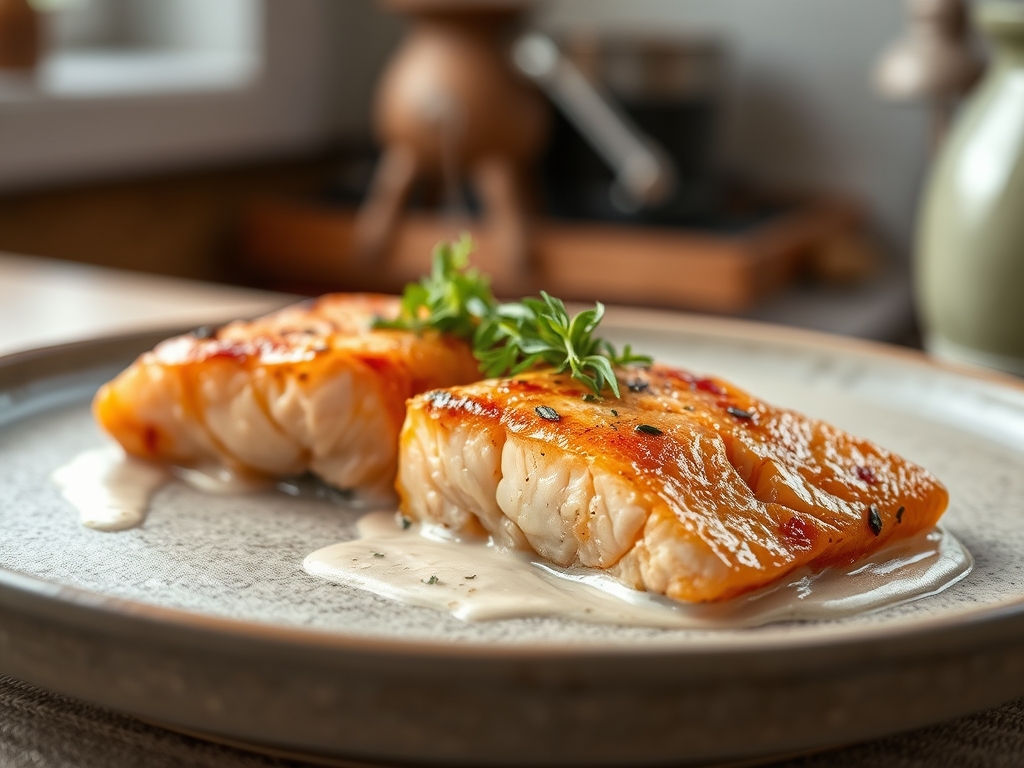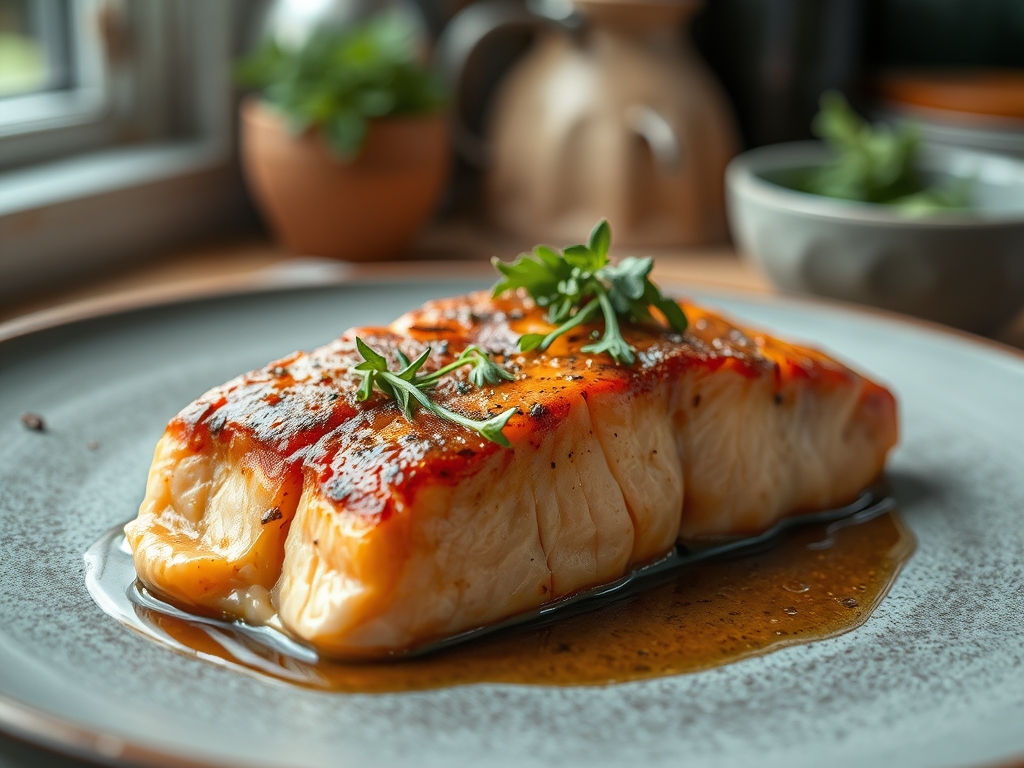
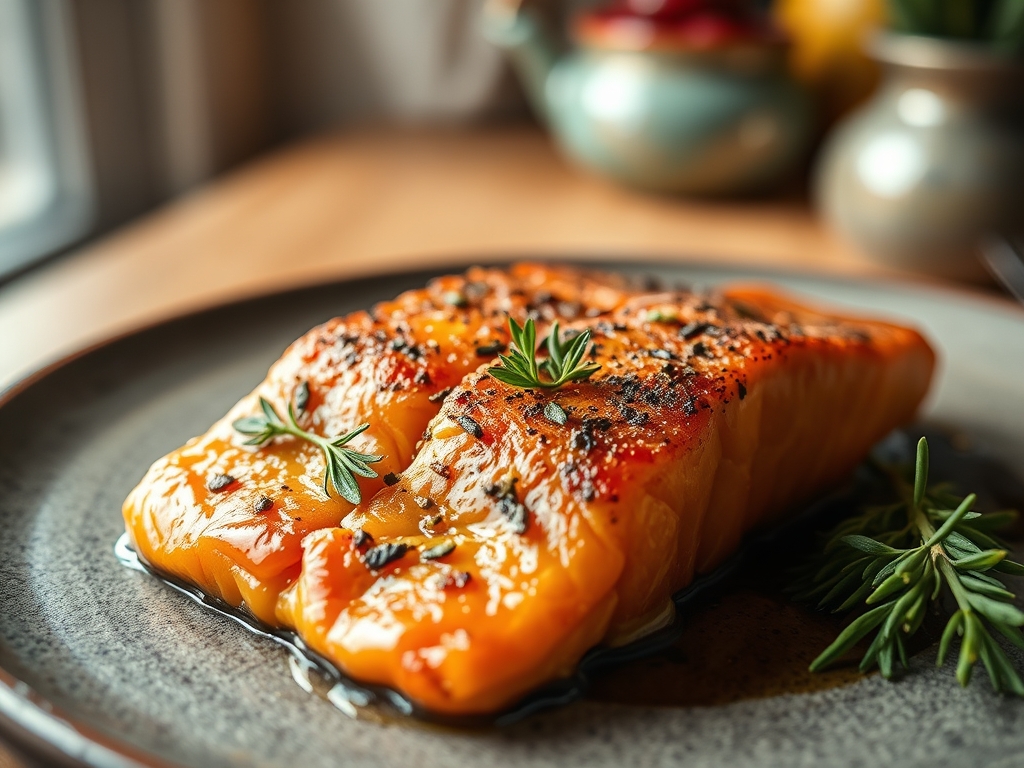
Imagine the sizzle of cold protein hitting a shimmering, hot skillet; the sound is an immediate promise of the feast to come. When you master smoked paprika salmon recipes, you are not just cooking a meal; you are orchestrating a complex chemical transformation that turns a simple fillet into a smoky, piquant masterpiece. The air fills with the aroma of dried pimenton and rendering fats, creating a sensory experience that is both sophisticated and deeply comforting.
The Gathers:
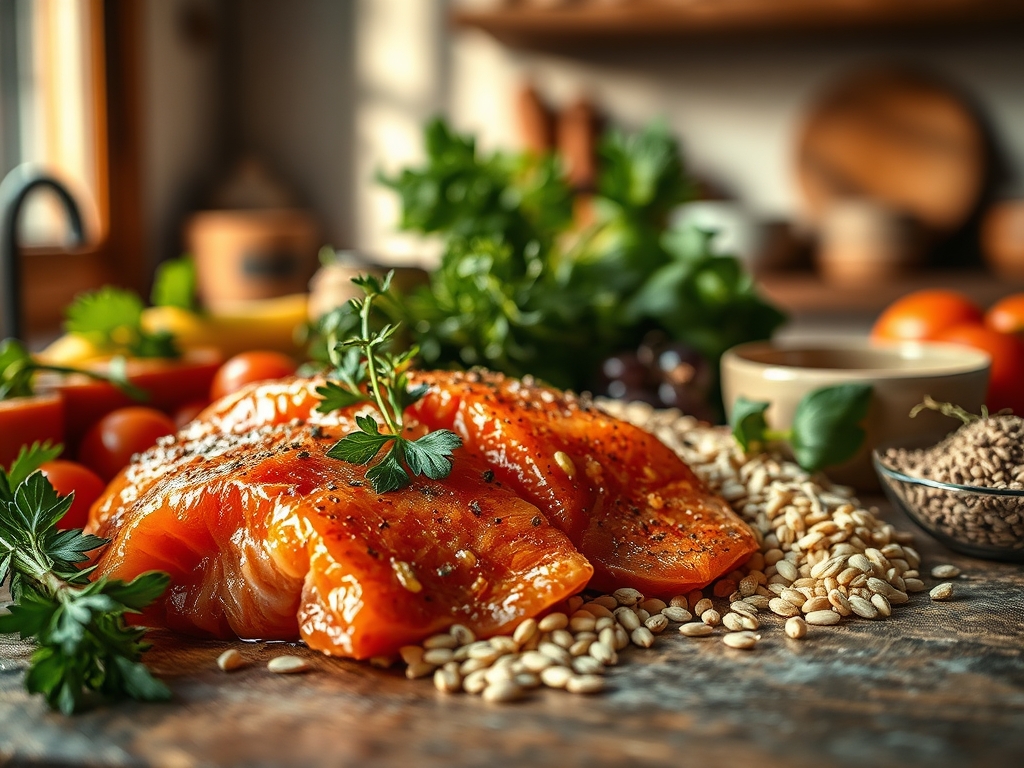
Before we ignite the burner, we must assemble our mise-en-place with precision. You will need high-quality Atlantic or King salmon fillets, ideally skin-on to protect the delicate flesh from direct thermal shock. Our star, the smoked paprika, should be a high-grade Spanish Pimenton de la Vera, which offers a deep, wood-fired complexity that standard paprika lacks.
Gather your dry spices: garlic powder, onion powder, and a touch of cayenne for a subtle heat bloom. You will also need a high-smoke-point fat, such as avocado oil or clarified butter (ghee), to ensure we can reach searing temperatures without the oil breaking down into acrid compounds. A microplane is essential for zesting a fresh lemon to provide a bright, acidic counterpoint to the rich lipids of the fish.
For smart substitutions, if you are avoiding nightshades, a blend of smoked sea salt and toasted cumin can mimic that earthy profile. If you lack fresh citrus, a splash of white wine vinegar added to the saucier during the final glaze phase will provide the necessary pH balance to cut through the fat.
The Clock
Efficiency in the kitchen is about "Chef's Flow," the art of overlapping tasks to minimize downtime. Your total active prep time is exactly twelve minutes. This includes patting the fish dry (non-negotiable for crust formation) and blending your dry rub.
The cooking phase is a swift eight to ten minutes. We spend six minutes on the skin side to render the subcutaneous fat and achieve a glass-like crispness; followed by a mere two to four minutes on the flesh side. This "60/40" timing rule ensures the center remains a translucent, buttery medium-rare. Allow for a three-minute rest period. During this time, the internal temperature will climb by about five degrees due to thermal carryover, ensuring a moist interior.
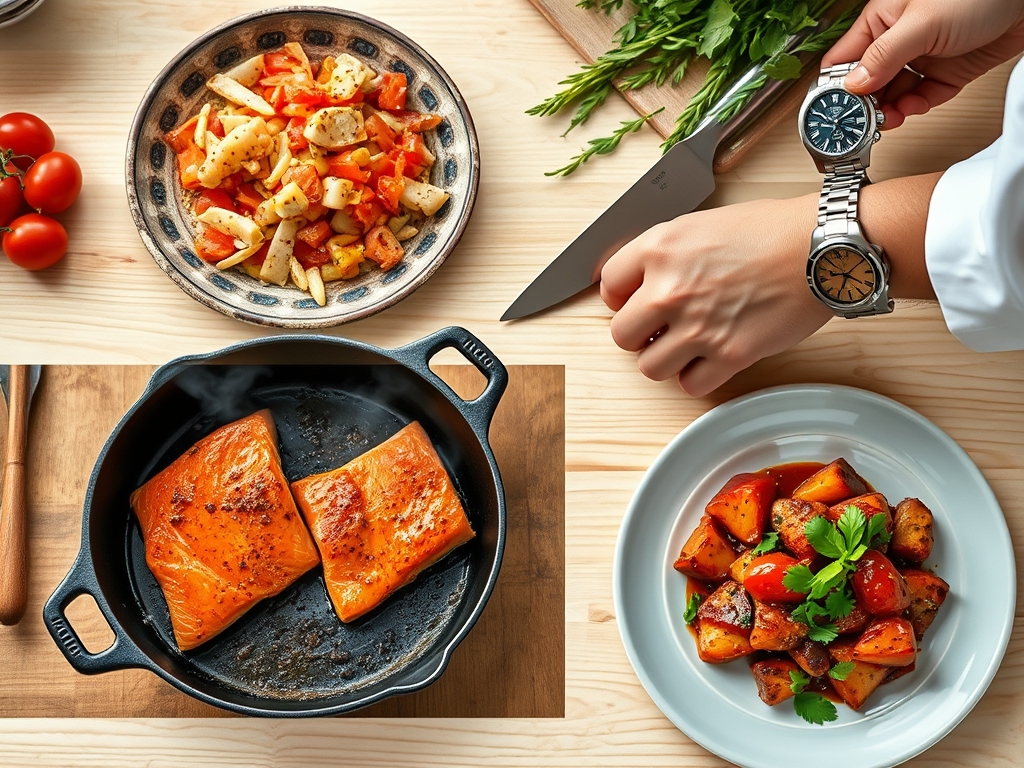
The Masterclass
1. The Desiccation Phase
Use a paper towel to remove every trace of surface moisture from the salmon. Use a bench scraper to gently press the skin flat against the cutting board.
Pro Tip: This is about the physics of evaporation. If the surface is wet, the energy of the pan goes into boiling the water rather than the Maillard reaction, resulting in steamed, grey fish instead of a golden crust.
2. The Rub Application
Liberally coat the flesh side with your smoked paprika blend. Press the spices into the meat using the flat side of your tongs to ensure maximum contact.
Pro Tip: Spices are fat-soluble. By pressing them into the salmon's natural oils, you are initiating a flavor infusion that will intensify as the heat begins to aerate the volatile compounds in the paprika.
3. The Cold-Pan Start (Optional)
For the crispiest skin imaginable, place the salmon skin-side down in a cold, heavy-bottomed skillet before turning the heat to medium-high.
Pro Tip: Starting cold allows the fat to render slowly before the protein fibers tighten. This prevents the skin from curling and ensures an even, viscous layer of oil forms between the pan and the fish.
4. The Weight Technique
Place a smaller heavy pan or a dedicated kitchen weight on top of the fillets for the first two minutes of searing.
Pro Tip: This maintains constant contact between the skin and the heat source. It prevents the natural contraction of the muscle fibers from lifting the skin away from the pan, ensuring a uniform sear.
5. The Deglaze and Baste
In the final minute of cooking, toss a knob of butter and a smashed garlic clove into the pan. Use a spoon to infuse the bubbling fat over the paprika-crusted top.
Pro Tip: This is called "arroser." The hot butter acts as a finishing medium that cooks the tiny crevices the pan cannot reach while adding a luxurious mouthfeel.
6. The Thermal Rest
Transfer the salmon to a warm plate, skin-side up, and let it sit undisturbed for three minutes.
Pro Tip: Resting allows the cell walls to reabsorb the juices. If you cut into it immediately, the pressure built up during cooking will force the moisture out, leaving the fish dry.
The Deep Dive
From a macro perspective, this dish is a nutritional powerhouse. A standard six-ounce portion provides roughly 34 grams of high-quality protein and is rich in Omega-3 fatty acids. The smoked paprika adds a massive hit of Vitamin A and antioxidants with negligible calories.
For dietary swaps, Keto followers should stick to the recipe as written, perhaps increasing the butter baste. For a vegan alternative, use thick "steaks" of cauliflower or king oyster mushrooms. The porous structure of the mushrooms mimics the salmon's ability to absorb the smoky rub. If you are Gluten-Free, ensure your smoked paprika brand is certified, as some lower-grade spices use flour as an anti-caking agent.
The Fix-It: Common Pitfalls
- The Skin Sticks: This usually happens because you tried to flip it too early. Protein will naturally release from the pan once the Maillard reaction is complete. If it sticks, wait thirty seconds and try again.
- The Spices Burn: Smoked paprika has a high sugar content and can scorch. If the pan is too hot, add a splash of oil to lower the surface temperature instantly.
- White Goo (Albumin): If you see white streaks appearing on the fish, you are overcooking it. Albumin is a protein that is pushed out when the muscle fibers contract too tightly. Pull the fish off the heat immediately.
For meal prep, reheating salmon is a delicate science. Avoid the microwave, which vibrates water molecules and toughens the protein. Instead, place the salmon in a 275-degree oven with a tablespoon of water and cover it tightly with foil. This creates a gentle steam chamber that restores moisture without overcooking the core.
The Wrap-Up
Mastering smoked paprika salmon recipes is your ticket to being the most impressive cook in your friend group. It is a dish that balances the rugged, primal notes of smoke with the refined, delicate texture of perfectly cooked seafood. By understanding the chemistry of the sear and the importance of the rest, you move from following a recipe to commanding the kitchen. Now, grab your heavy-bottomed skillet and go create something legendary.
The Kitchen Table
How do I keep the salmon skin from curling?
Use a bench scraper or weight to press the fish flat during the first two minutes of cooking. Starting in a cold pan also allows the skin to render and relax before the heat causes the protein fibers to contract.
Can I use regular paprika instead of smoked?
You can, but you will lose the depth of flavor. Smoked paprika is dried over oak fires, providing a distinct "chargrilled" essence. If using regular paprika, add a drop of liquid smoke to your oil to compensate for the missing profile.
What is the best way to tell if salmon is done?
Use a digital scale or thermometer to check for an internal temperature of 125 degrees Fahrenheit for medium-rare. Alternatively, press the side of the fillet; if it flakes easily along the natural fat lines, it is ready to rest.
Why does my smoked paprika turn bitter?
Paprika contains natural sugars that caramelize and then burn at high temperatures. To prevent bitterness, ensure you have enough fat in the pan to distribute the heat, and avoid searing the spice-rubbed side for more than three minutes.