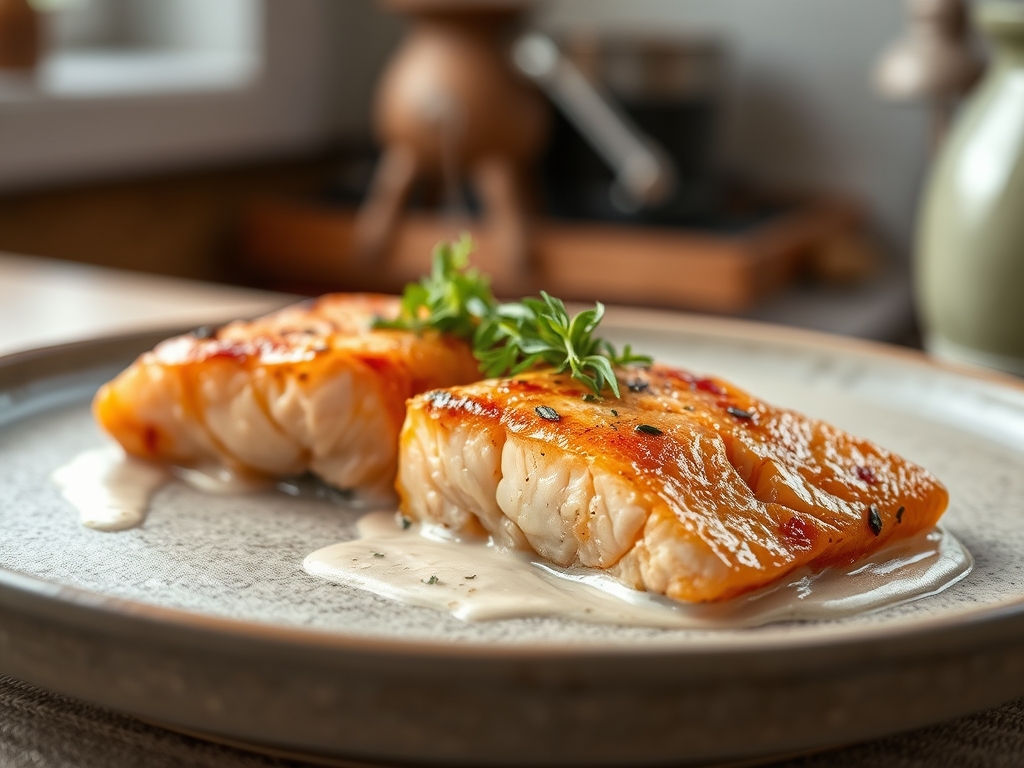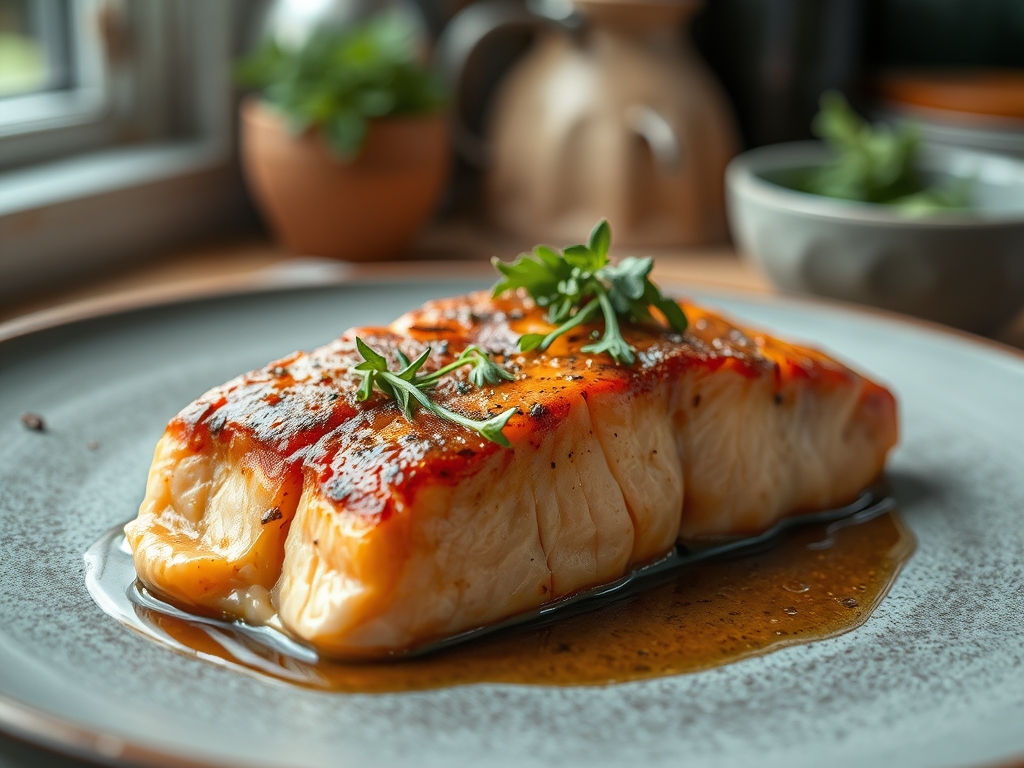
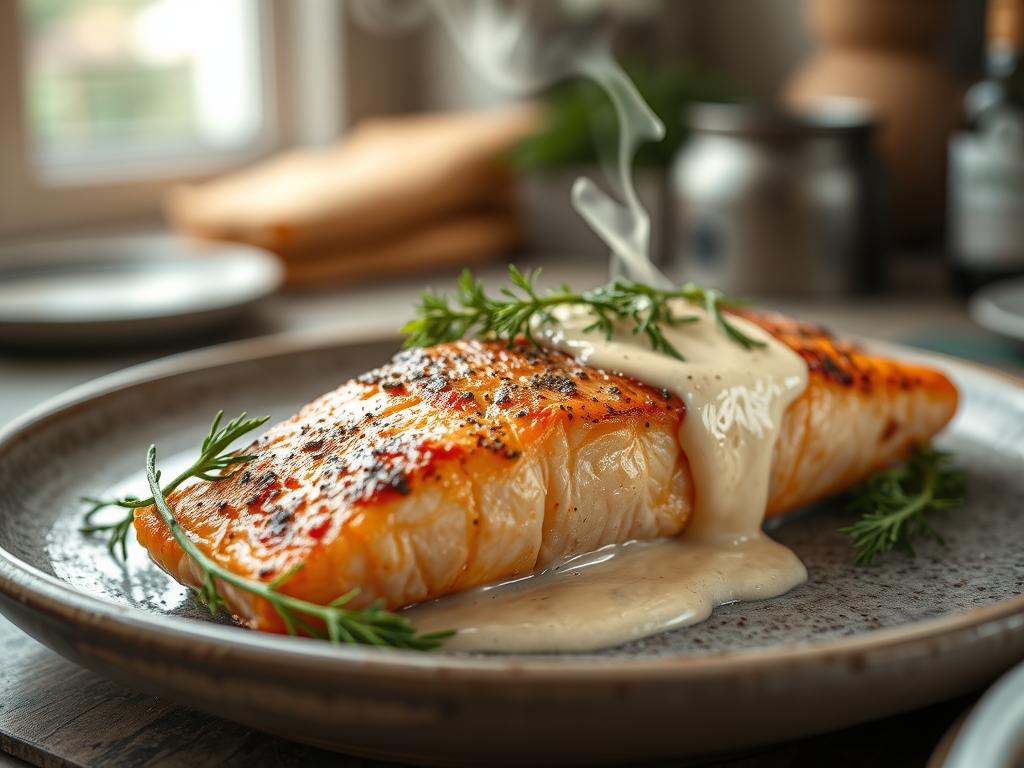
Imagine the scent of fresh herbs meeting the sizzle of rendering fats in a hot oven. It is a sensory collision that turns a Tuesday night into a five star event. When searching for the ultimate baked salmon recipes with dill sauce, you are not just looking for food; you are looking for a masterpiece of texture and chemistry.
The secret to a truly transformative meal lies in the balance between the fatty, buttery flakes of the fish and the sharp, piquant brightness of the dill. Most people treat salmon as a chore, but we are going to treat it as a canvas. We are talking about salmon that yields to a fork like velvet, topped with a sauce so creamy it feels illegal. By the time we are done, you will understand exactly how heat and acidity work together to create the perfect bite.
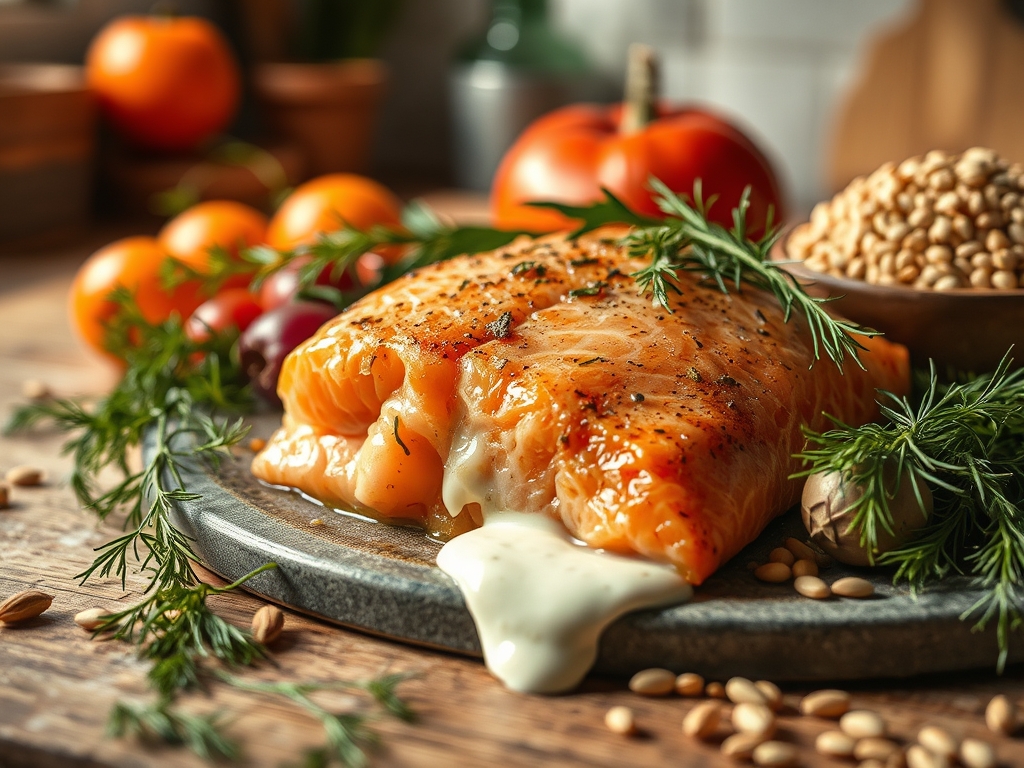
The Gathers:
To achieve culinary excellence, we must start with the mise-en-place. Grab your digital scale to ensure precision, as weight is always more accurate than volume when dealing with fats. For the protein, look for center-cut fillets with high intramuscular fat marbling. This fat will render during the bake, self-basting the meat from the inside out.
The sauce requires a base of high-fat Greek yogurt or creme fraiche. We want a viscous consistency that clings to the fish rather than running off the sides. You will need a massive bunch of fresh dill; do not even think about the dried stuff in the pantry. We need the volatile oils found in fresh fronds to infuse the cream. You will also need a lemon, which we will zest using a microplane to capture the aromatic oils without the bitter white pith.
Smart Substitutions: If you are avoiding dairy, a full-fat cashew cream provides the necessary lipids to carry the dill flavor. If salmon is unavailable, steelhead trout offers a similar lipid profile and protein structure. For an extra kick, a teaspoon of drained capers adds a briny depth that mimics the profile of a classic tartare.
The Clock
Efficiency in the kitchen is about Chef's Flow. This is the art of overlapping tasks so that no second is wasted. Total active prep time is roughly 12 minutes, with a cook time ranging from 10 to 15 minutes depending on the thickness of your fillets.
Start by preheating your oven. While the heating elements reach the target temperature, you will prepare the fish. The moment the salmon enters the oven, you shift to the sauce. By the time you have cleaned your bench scraper and wiped the counter, the timer will chime. This synchronization ensures the sauce is chilled and the flavors have had time to aerate and meld just as the fish reaches its peak internal temperature.
The Masterclass
1. Tempering the Protein
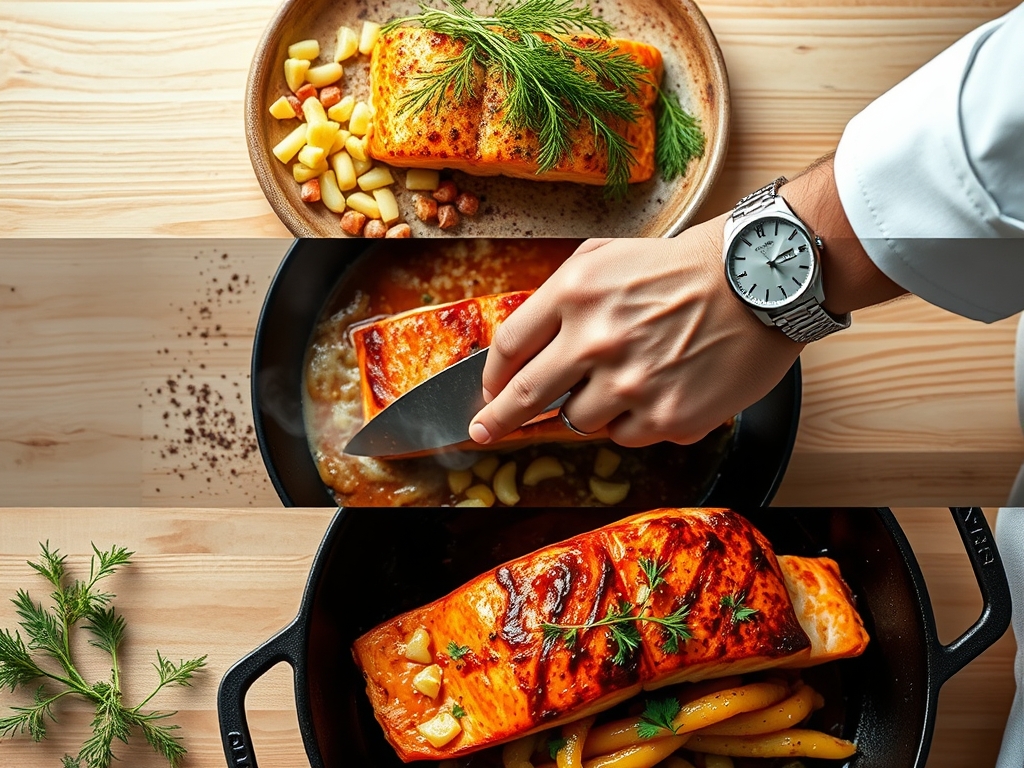
Remove your salmon from the refrigerator 20 minutes before cooking. Pat the skin bone-dry with paper towels. Moisture is the enemy of texture; any surface water will create steam, preventing the beautiful Maillard reaction from occurring.
Pro Tip: This is called thermal equilibrium. If you put an ice-cold fillet into a hot oven, the outside will overcook and become fibrous before the center even begins to warm. Bringing it to room temperature ensures an even cook.
2. The Seasoning Barrier
Coat the fillets with a thin layer of avocado oil or ghee using a silicone brush. Generously apply kosher salt and cracked black pepper. The oil acts as a heat conductor, ensuring the seasoning bonds to the protein fibers.
Pro Tip: Salt acts as a denaturant. It begins to break down the tight protein curls on the surface, allowing the flesh to retain more moisture during the high-heat phase of baking.
3. The Precision Bake
Place the salmon on a parchment-lined heavy-bottomed sheet pan. Slide it into the center rack of the oven at 400 degrees Fahrenheit. We are looking for the albumin (those white bubbles of protein) to just barely start appearing.
Pro Tip: Use a digital meat thermometer to pull the fish at 125 degrees Fahrenheit for medium-rare. Thermal carryover will continue to raise the internal temperature by another 5 degrees while it rests on the counter.
4. Emulsifying the Dill Sauce
While the fish bakes, use a small saucier or mixing bowl to combine your yogurt, lemon juice, zest, and finely minced dill. Whisk vigorously to incorporate air. This process helps to emulsify the fats with the citric acid, creating a stable, fluffy texture.
Pro Tip: Adding a tiny pinch of sugar or honey can act as a flavor bridge. It balances the high acidity of the lemon and the earthy notes of the dill, creating a more complex "round" flavor on the palate.
5. The Rest Period
Once the salmon is out of the oven, do not touch it. Let it sit for at least five minutes. This allows the internal juices, which have been pushed to the center by the heat, to redistribute back toward the edges of the fillet.
Pro Tip: If you cut into the fish immediately, the pressure from the tightened protein fibers will force the juices out, leaving you with a dry, disappointing meal. Patience is a technical requirement.
6. The Final Assembly
Spoon the chilled dill sauce over the warm salmon. The heat from the fish will slightly melt the base of the sauce, creating a silk-like glaze that coats every flake. Garnish with an extra sprig of dill for a visual pop.
Pro Tip: The contrast between the cold sauce and the warm fish creates a sensory contrast known as "thermocline eating." It keeps the palate engaged and prevents the richness of the salmon from becoming overwhelming.
The Deep Dive
From a nutritional standpoint, this dish is a powerhouse of Omega-3 fatty acids and high-quality protein. A standard 6-ounce serving provides roughly 34 grams of protein and a significant dose of Vitamin B12.
Dietary Swaps: For a Keto version, swap the yogurt for full-fat sour cream or a dollop of mayo to increase the healthy fat macros. For a Vegan version, use a firm block of tofu "steaks" marinated in seaweed broth and topped with a silken tofu-based dill cream.
The Fix-It:
- Dry Fish: If you overcooked it, flake the salmon and fold it directly into the sauce. The fats in the sauce will provide the moisture the meat lost.
- Broken Sauce: If your sauce looks watery, whisk in a teaspoon of room-temperature cream cheese to act as a stabilizer.
- Bland Flavor: If it tastes flat, add more acid. A drop of white wine vinegar or a bit more lemon zest will brighten the chemical profile instantly.
Meal Prep: When reheating, avoid the microwave. The high-frequency waves agitate the water molecules too violently, toughening the fish. Instead, place the salmon in a covered pan with a tablespoon of water over low heat to gently steam it back to life.
The Wrap-Up
Mastering baked salmon recipes with dill sauce is a rite of passage for any home cook who wants to blend science with soul. By understanding the physics of heat and the chemistry of emulsification, you have turned a simple fillet into a gourmet experience. Remember, the best food is always a mix of high-quality ingredients and high-level technique. Now, grab your tongs, plate your masterpiece, and enjoy the rewards of your kitchen lab!
The Kitchen Table
How do I prevent the white stuff from appearing on salmon?
That white substance is albumin, a protein that escapes when salmon cooks too fast. To minimize it, brine your fish in salt water for ten minutes before baking and avoid overcooking by using a digital thermometer.
Can I make the dill sauce in advance?
Yes, making the sauce 24 hours ahead actually improves the flavor. This allows the volatile oils in the fresh dill to fully infuse into the dairy base, resulting in a much deeper, more cohesive taste.
What is the best temperature for baked salmon?
For most baked salmon recipes with dill sauce, 400 degrees Fahrenheit is the sweet spot. It is hot enough to create a slight crust on the outside while keeping the interior tender and translucent.
How long does leftover salmon stay fresh?
Store your cooked salmon in an airtight container in the refrigerator for up to three days. For the best quality, store the sauce in a separate container to prevent the fish from becoming soggy.
Should I leave the skin on while baking?
Always leave the skin on during the baking process. It acts as a protective heat shield for the delicate flesh and contains a layer of fat that renders down, adding moisture and flavor to the entire fillet.