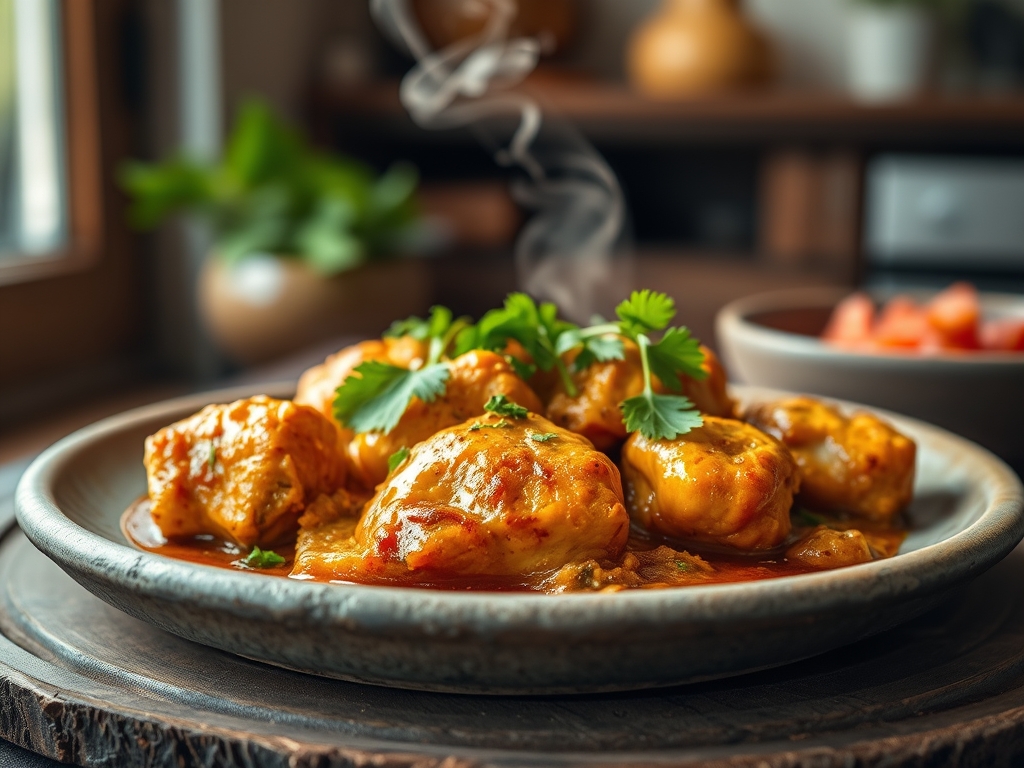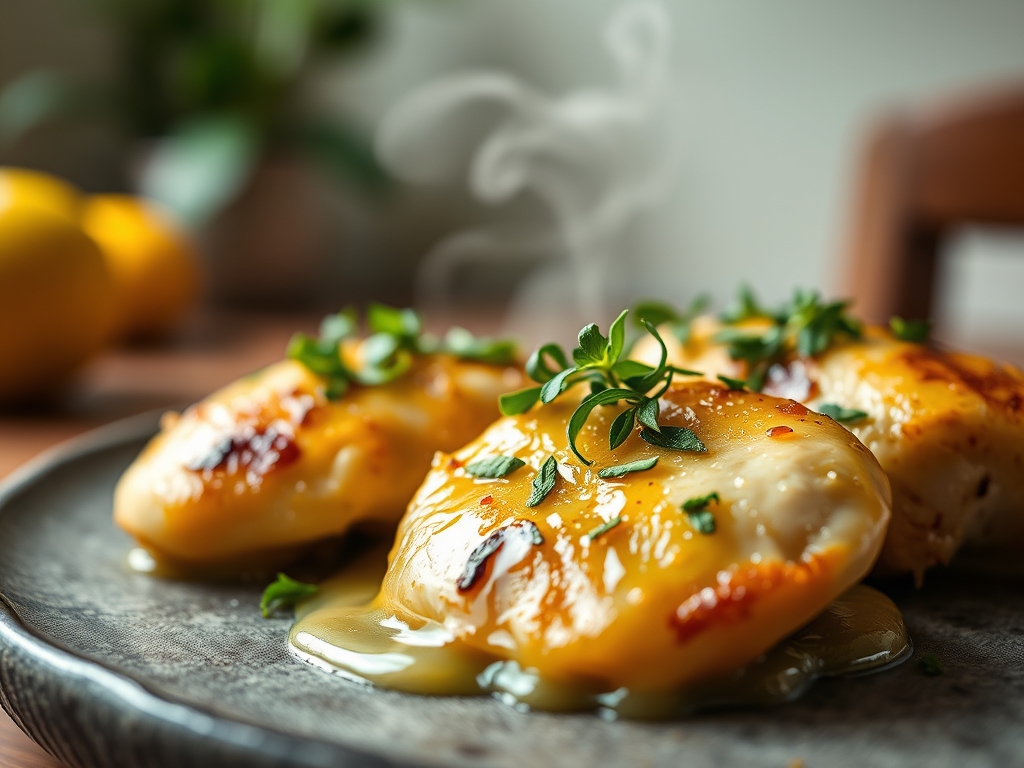
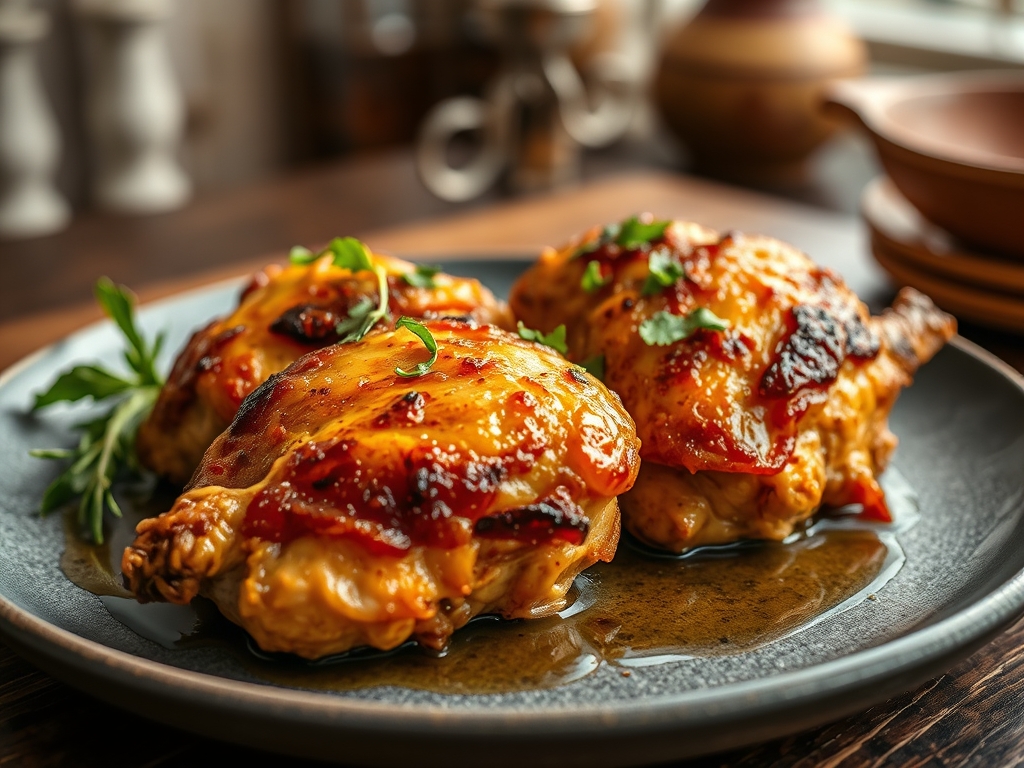
Imagine the sound of a heavy-bottomed skillet meeting a marble countertop. It is the sound of potential. When you pull a tray of baked crack chicken recipes from the oven, you are not just looking at dinner; you are witnessing a chemical transformation where fat, salt, and acid collide in a glorious, bubbling union. The aroma is thick with rendered bacon fat and the sharp, piquant scent of aged cheddar. This is the ultimate comfort food, engineered for maximum dopamine release. We are talking about tender poultry bathed in a viscous cream cheese base, studded with smoky proteins and brightened by a bouquet of fresh herbs. It is indulgent, it is unapologetic, and it is scientifically designed to be the most requested meal in your rotation.
If you have ever wondered why this specific combination of ingredients feels so addictive, it comes down to the synergy of textures. You have the crunch of the bacon, the silkiness of the melted cheese, and the lean structure of the chicken. These baked crack chicken recipes are more than just a viral trend; they are a masterclass in flavor layering. Whether you are prepping for a high-energy family dinner or looking for a meal that holds its structural integrity for a week of lunches, this is your blueprint. Grab your favorite apron and clear your workspace. We are about to dive into the molecular magic of the kitchen.
The Gathers:
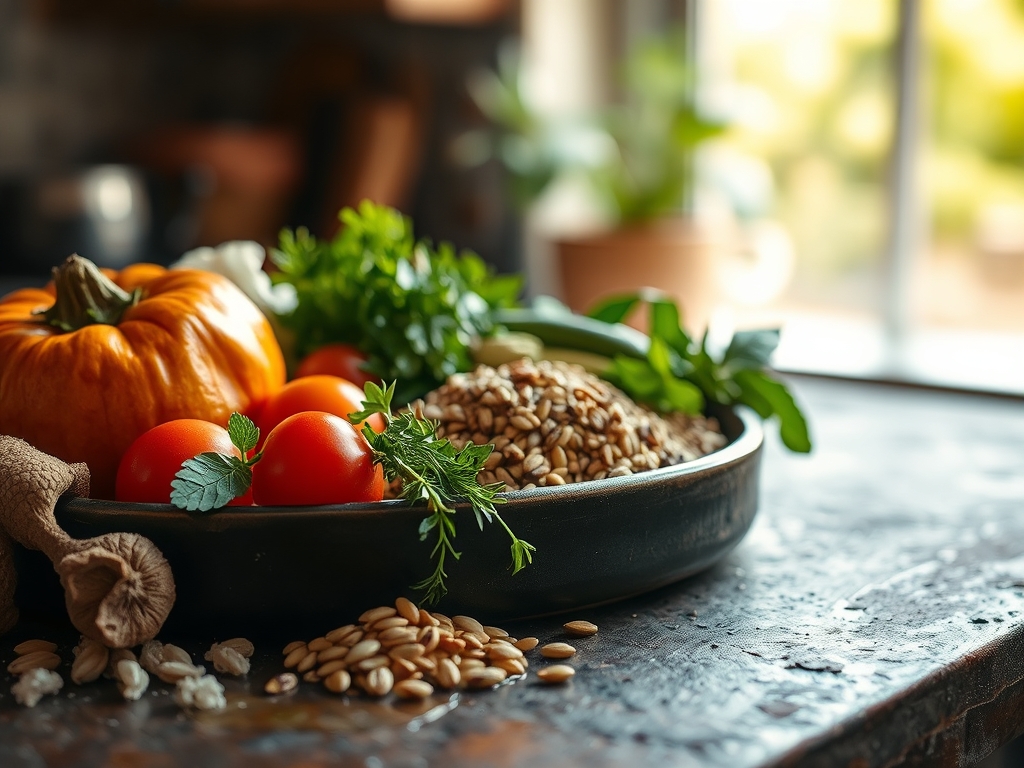
To execute these baked crack chicken recipes with precision, your mise-en-place must be flawless. Start with two pounds of boneless, skinless chicken breasts or thighs. If you use a digital scale, you can ensure even cooking times by portioning them into uniform 6-ounce cutlets. You will need eight ounces of full-fat cream cheese, which must be at room temperature to ensure it can aerate properly when mixed. For the savory profile, gather one cup of sharp cheddar cheese, half a cup of crispy bacon bits (rendered until the moisture is gone), and a packet of dry ranch seasoning or a homemade blend of dried dill, garlic powder, and onion powder.
Smart Substitutions are the mark of a versatile chef. If you want to lighten the caloric density without sacrificing the mouthfeel, swap half the cream cheese for Greek yogurt; the lactic acid will actually help tenderize the chicken fibers. For a dairy-free version, cashew-based cream cheese provides a similar viscous quality. If you are looking to increase the heat, a tablespoon of canned chipotles in adobo will infuse the sauce with a smoky, capsaicin-heavy kick. Always use a microplane to zest a bit of fresh lemon over your finished ingredients; the citric acid cuts through the heavy lipids, brightening the entire flavor profile.
The Clock
Efficiency in the kitchen is about understanding the Chef's Flow. Your total active prep time should clock in at exactly 15 minutes, with a bake time of 25 to 30 minutes depending on the thickness of your poultry. While your oven preheats to 400 degrees Fahrenheit, use your bench scraper to clear your board and keep your workspace sterile.
The secret to timing is to prepare your topping while the chicken is still cold. This prevents the proteins from sitting at room temperature for too long, which maintains food safety. By the time your oven chime sounds, your chicken should be coated and ready to slide onto the middle rack. This specific placement ensures optimal heat circulation, allowing the convection currents to brown the cheese evenly without drying out the meat.
The Masterclass
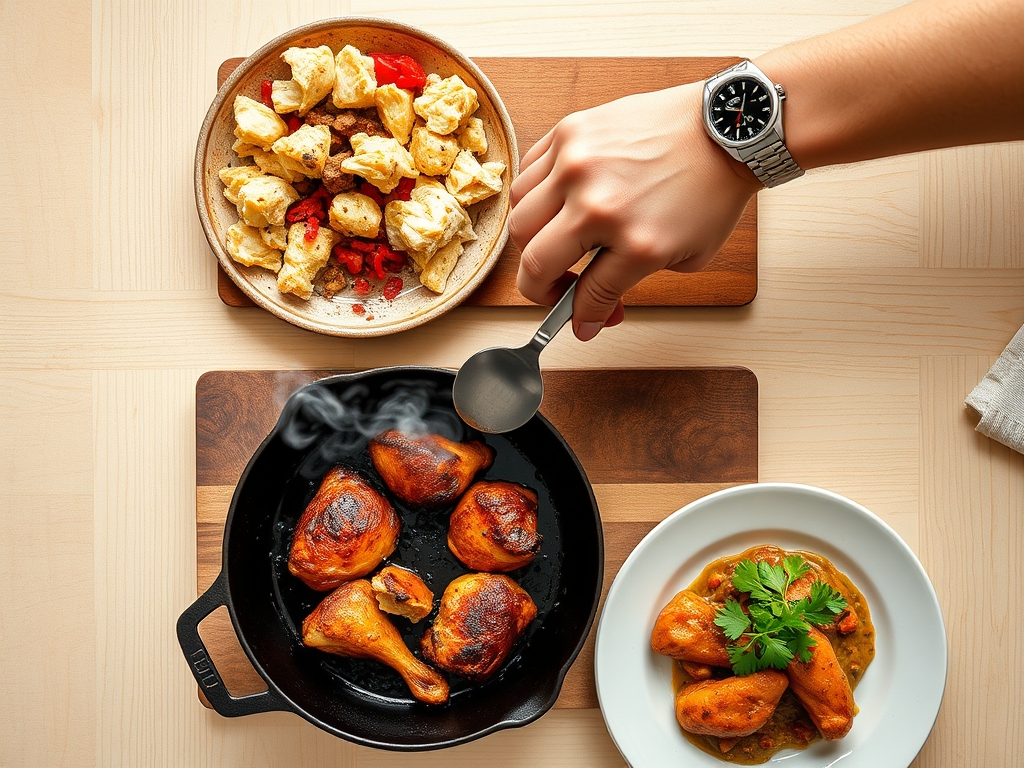
1. Preparing the Protein
Pat your chicken dry with paper towels to remove surface moisture. This is a critical step; if the surface is wet, the meat will steam rather than sear, preventing the development of a savory crust. Use tongs to arrange the chicken in a single layer in a ceramic baking dish.
Pro Tip: This step utilizes the principle of surface tension. By drying the meat, you allow the cream cheese mixture to adhere to the protein fibers rather than sliding off into a watery pool at the bottom of the pan.
2. Emulsifying the Topping
In a small mixing bowl, combine the softened cream cheese, ranch seasoning, and half of the cheddar. Use a stiff spatula to fold the ingredients together until they are completely homogenous. You are looking for a smooth, spreadable consistency that shows no streaks of unblended spice.
Pro Tip: This is a cold emulsion. Ensuring the cream cheese is at room temperature allows the fats to bond with the dry spices, which helps to infuse the flavor deeply into the fats before they hit the heat.
3. The Application
Spread the cream cheese mixture evenly over each piece of chicken. Use the back of a spoon to create small peaks and valleys in the topping. These uneven surfaces will catch the heat differently, creating varied textures once baked.
Pro Tip: These peaks increase the surface area exposed to the hot air of the oven. This encourages the Maillard reaction, the chemical reaction between amino acids and reducing sugars that gives browned food its distinctive flavor.
4. Layering the Textures
Top the coated chicken with the remaining cheddar cheese and the pre-rendered bacon bits. Press the bacon lightly into the cheese so it stays anchored during the bubbling process.
Pro Tip: Pressing the bacon into the cheese prevents it from burning. The cheese acts as a thermal buffer, allowing the bacon to stay crispy without turning bitter from over-exposure to direct heat.
5. The Thermal Finish
Slide the dish into the oven. Bake until the internal temperature reaches 165 degrees Fahrenheit on a digital meat thermometer. Do not rely on visual cues alone; the cheese will look done before the center of the chicken is safe to eat.
Pro Tip: Practice thermal carryover. If you pull the chicken at 160 degrees, the internal temperature will continue to rise to 165 degrees while it rests. This prevents the muscle fibers from tightening and becoming tough.
6. The Rest and Garnish
Allow the dish to sit for five minutes before serving. This allows the juices to redistribute through the meat. Finish with a handful of chopped scallions or fresh chives for a pop of color and a hit of sulfurous brightness.
Pro Tip: Resting is a mechanical necessity. As the meat cools slightly, the protein structure relaxes, allowing it to hold onto the moisture. If you cut it immediately, the liquid will escape, leaving you with dry chicken.
7. Deglazing the Pan
If you have any browned bits of cheese or bacon stuck to the dish, do not toss them. Use a small amount of chicken stock to deglaze the pan and create a quick pan sauce to drizzle over the top.
Pro Tip: Those browned bits, known as fond, contain the highest concentration of umami. Incorporating them back into the dish rounds out the flavor profile and ensures no "liquid gold" goes to waste.
The Deep Dive
Nutritionally, baked crack chicken recipes are a powerhouse of protein and fats. A standard serving contains roughly 35 grams of protein and 28 grams of fat. To make this Keto-friendly, simply serve it over a bed of sautéed spinach or cauliflower rice. For a Gluten-Free version, ensure your ranch seasoning does not use flour as a thickening agent. If you are aiming for a lower-fat profile, use Neufchatel cheese and turkey bacon, though keep in mind the flavor will be less intense.
The "Fix-It" guide is essential for any home cook. If your sauce breaks and looks oily, it means the heat was too high; next time, lower the rack in your oven. If the chicken is tough, you likely skipped the resting phase. If the topping is bland, increase your salt and acid levels; a splash of apple cider vinegar in the cream cheese mix can work wonders. For meal prep, reheat your portions in the oven or an air fryer rather than a microwave. The microwave vibrates water molecules, which can make the cheese rubbery, while the air fryer uses convection to restore the original texture.
The Wrap-Up
You have now mastered the science behind the most addictive dinner in the world. From the molecular bonding of the cream cheese to the thermal carryover that keeps your chicken succulent, you are no longer just following a recipe; you are conducting an orchestra of flavor. These baked crack chicken recipes are your secret weapon for busy weeknights or impressive potlucks. Go ahead, take that first bite, and enjoy the perfect balance of salt, fat, and heat. Your kitchen has never smelled this good!
The Kitchen Table
How do I prevent the chicken from becoming watery?
Always pat the chicken dry with paper towels before seasoning. Additionally, avoid overcrowding the pan; leaving space between the cutlets allows steam to escape, ensuring the sauce stays thick and the chicken roasts rather than boils in its own juices.
Can I use frozen chicken for this recipe?
It is not recommended. Frozen chicken releases significant moisture as it thaws in the oven, which will break the cream cheese emulsion and result in a thin, greasy sauce. Always thaw your poultry completely in the refrigerator before starting.
What is the best way to store leftovers?
Store leftovers in an airtight glass container for up to four days. Glass is non-porous and won't absorb the oils from the cheese. Reheat at 350 degrees Fahrenheit until the cheese is bubbling to maintain the original texture.
Can I make this in a slow cooker instead?
Yes, but you will lose the crispy texture of the cheese and bacon. If using a slow cooker, add the bacon and extra cheddar during the last 30 minutes of cooking to prevent them from becoming mushy.
What side dishes pair best with crack chicken?
Balance the richness with high-fiber or acidic sides. Roasted broccoli, a crisp green salad with lemon vinaigrette, or zoodles are excellent choices. The acidity helps cleanse the palate between bites of the dense, savory chicken.