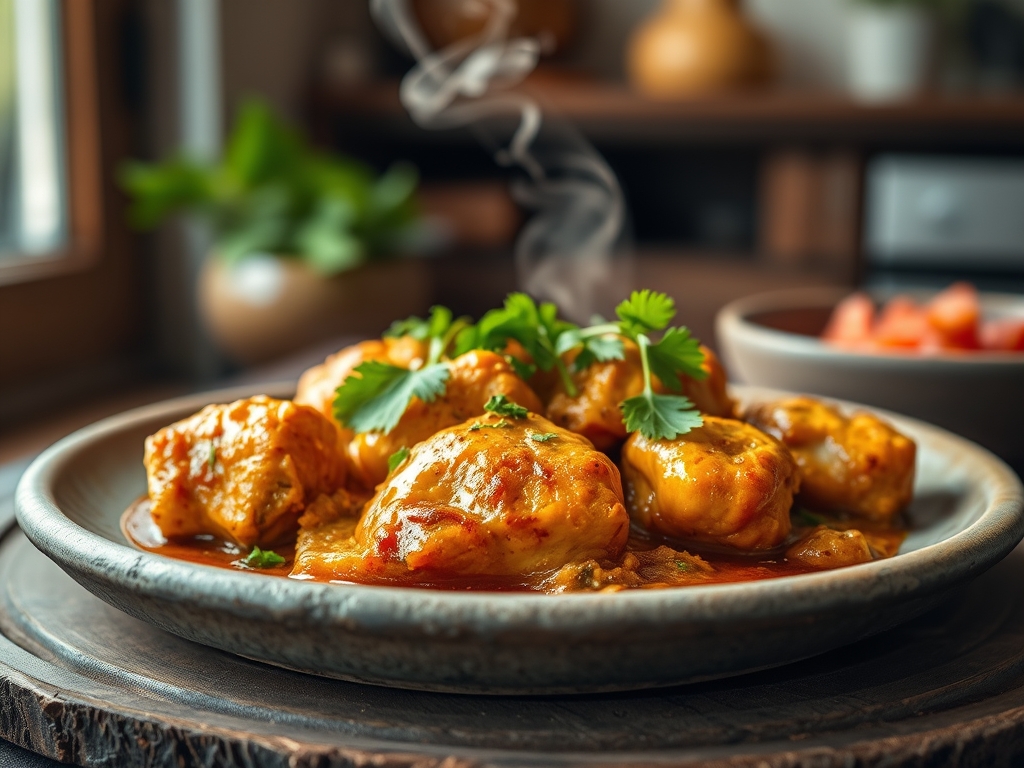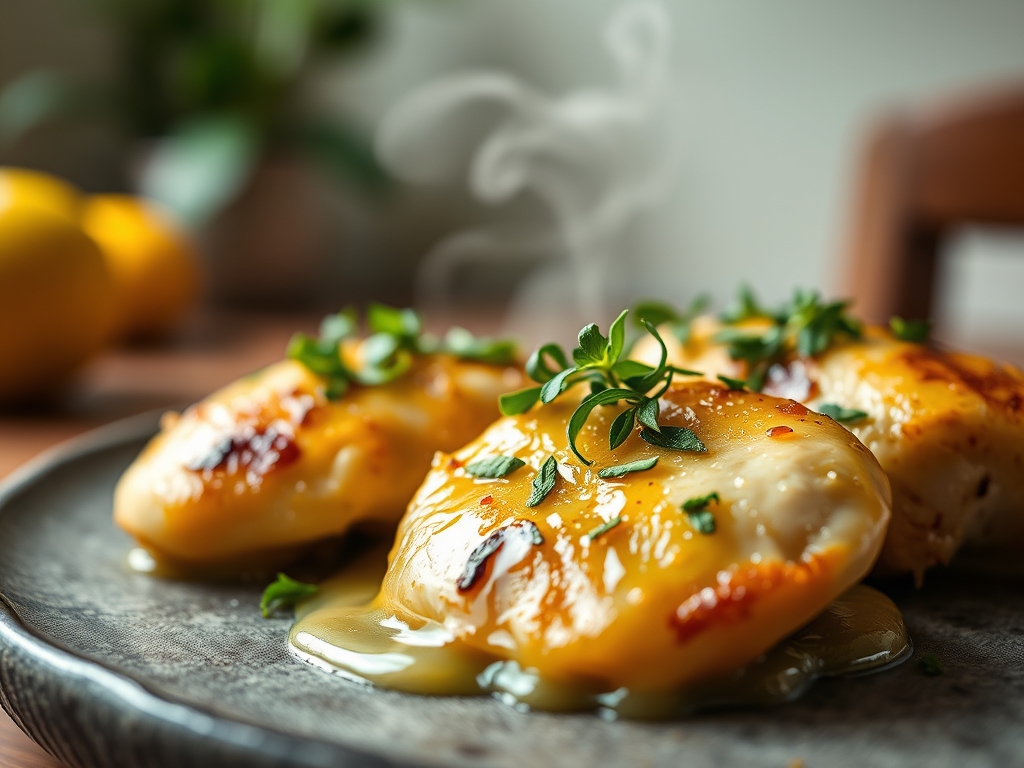
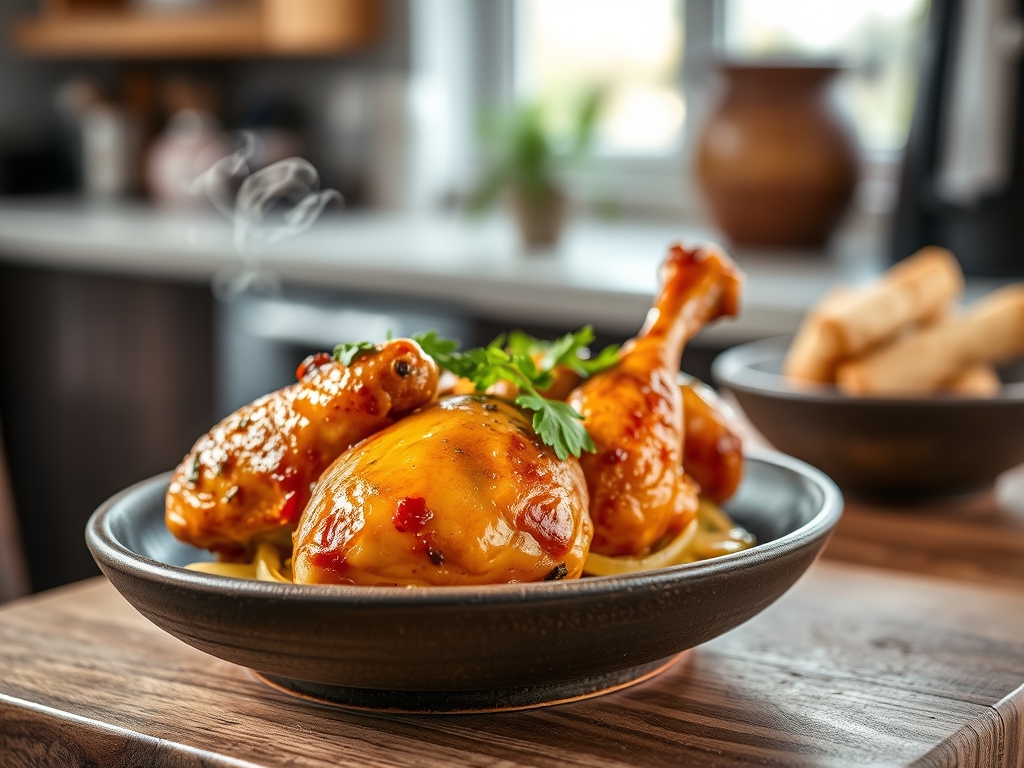
Imagine the sharp, citrusy sting of a habanero meeting the savory depth of toasted cumin as the skin on a chicken thigh crackles under the heat. We are chasing that perfect balance of capsaicin and crunch. These kickin chicken recipes are designed to set your palate ablaze while keeping your technique grounded in professional culinary science.
The secret to a truly memorable spicy dish is not just the heat; it is the complexity of the aromatics and the quality of the sear. Whether you are craving a sticky honey-sriracha glaze or a dry-rubbed Nashville style burn, the foundation remains the same. We are going to master the art of the Maillard reaction to ensure every bite is as juicy as it is piquant. Grab your heavy-bottomed skillet and your sharpest chef knife. We are diving into a world where heat meets high-end technique; transforming a humble bird into a masterpiece of spice and texture that will leave your guests begging for the recipe.
The Gathers:
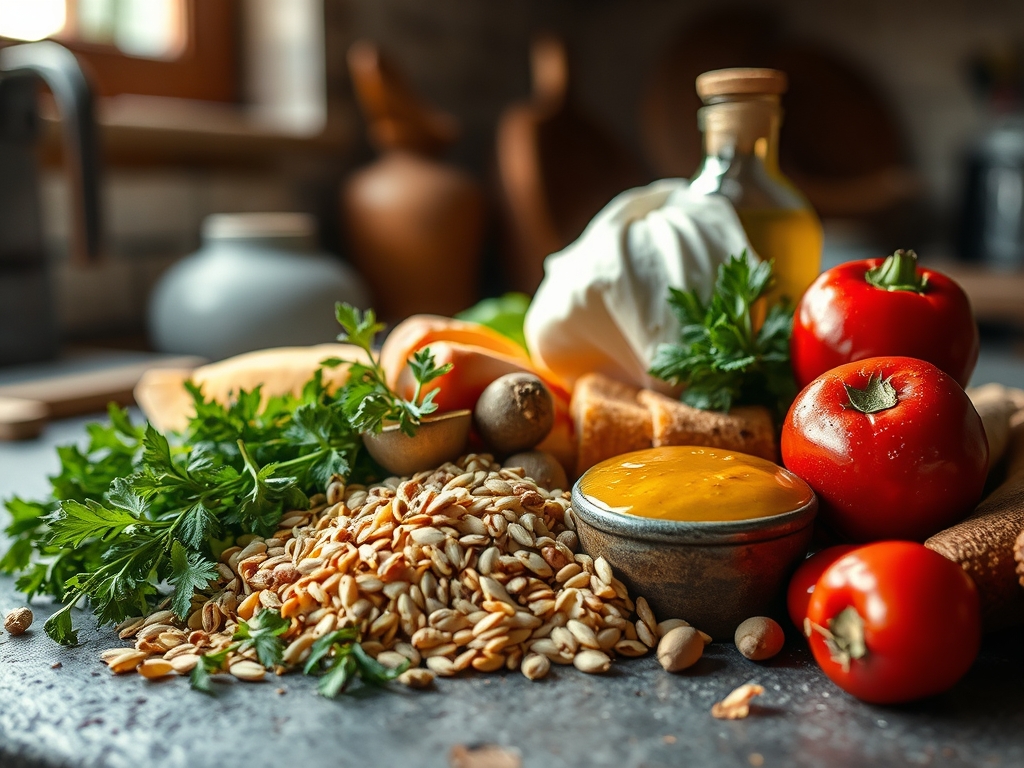
Before we ignite the burners, we must organize our mise-en-place. For these kickin chicken recipes, your ingredient list is a study in chemistry. You will need high-quality chicken cuts; preferably bone-in, skin-on thighs for maximum fat rendering. Your pantry should boast a variety of dried chilies like guajillo for earthiness and de arbol for sharp heat.
Essential tools for this stage include a microplane for zesting citrus and grating fresh ginger to a fine paste. You will also need a digital scale to ensure your dry rub ratios are precise; consistency is the hallmark of a pro. Use a saucier to whisk together your viscous glazes, ensuring the sugars emulsify with the fats without breaking.
Smart Substitutions:
If you find the heat of a habanero too volatile, swap it for a Fresno chili; it offers a similar fruitiness with a more manageable Scoville rating. For a dairy-free creamy element, use full-fat coconut milk instead of heavy cream. It provides the necessary lipids to coat the tongue and mitigate the capsaicin burn. If you are out of honey, agave nectar serves as a perfect liquid sweetener that dissolves easily into cold marinades.
The Clock
Efficiency in the kitchen is about the Chef's Flow. This is the sequence of operations that minimizes downtime. For these recipes, expect a total prep time of 20 minutes and a cook time of 25 to 30 minutes.
Start by tempering your meat; let the chicken sit at room temperature for 15 minutes. Cold protein hitting a hot pan causes fibers to contract violently, resulting in a tough texture. Use this time to prepare your aromatics. While the chicken sears, you will be whisking your sauce. This overlapping workflow ensures that by the time the bird reaches its internal target temperature, your glaze is perfectly reduced and ready for application.
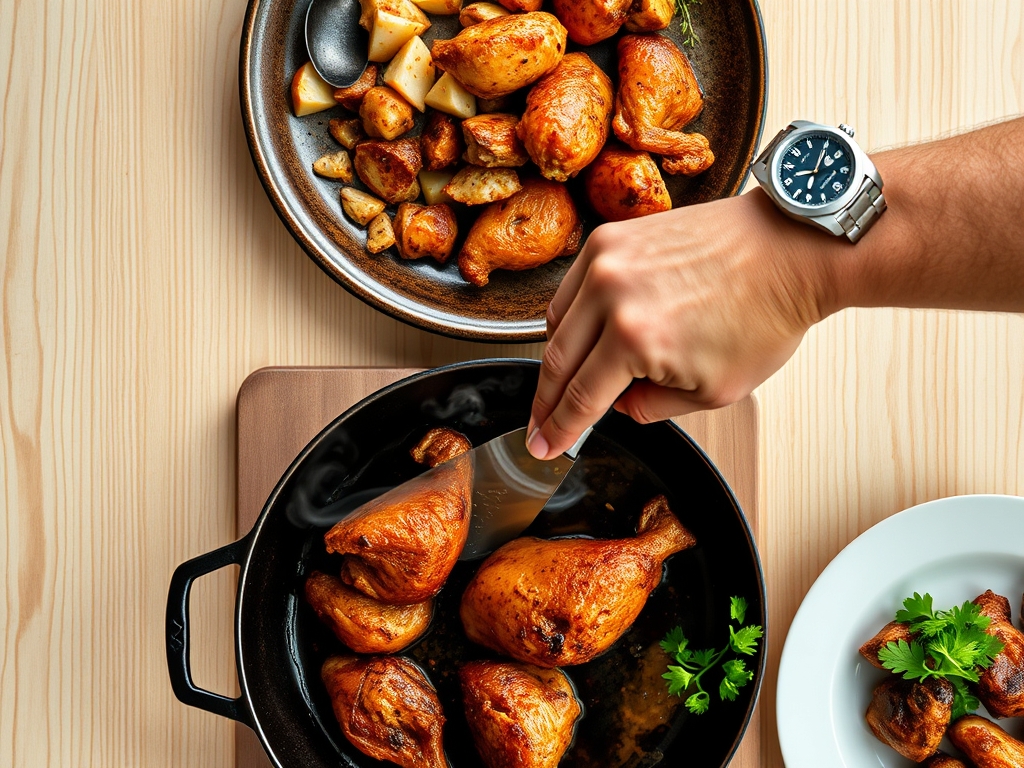
The Masterclass
1. The Surface Prep
Pat the chicken extremely dry using paper towels. Moisture is the enemy of a crisp skin. If the surface is damp, the energy of the pan will be wasted evaporating water rather than browning the protein.
Pro Tip: This is known as preventing evaporative cooling. By removing surface moisture, you allow the surface temperature to exceed 285 degrees Fahrenheit almost instantly, triggering the Maillard reaction for a complex, savory crust.
2. The Sear and Render
Place the chicken skin-side down in a cold heavy-bottomed skillet before turning the heat to medium-high. Use tongs to press the meat down, ensuring total surface contact.
Pro Tip: Starting in a cold pan allows the subcutaneous fat to render slowly. As the fat liquefies, it fries the skin in its own lipids, creating a glass-like crunch that holds up even after the spicy sauce is applied.
3. The Deglaze
Once the chicken is golden, remove it and pour off excess fat. Add your liquid aromatics; like rice vinegar or lime juice; to the pan, using a bench scraper or wooden spoon to lift the browned bits.
Pro Tip: Those browned bits are called fond. They contain concentrated amino acids and sugars that, when dissolved back into a liquid, provide the "umami" backbone for your kickin chicken recipes.
4. The Emulsified Glaze
Whisk in your spice pastes and sweeteners. Bring the mixture to a simmer until it becomes viscous enough to coat the back of a spoon.
Pro Tip: This is the process of reduction. By simmering the sauce, you are evaporating water and concentrating the flavor molecules. The addition of a cold pat of butter at the end will aerate and stabilize the emulsion, giving it a professional glossy finish.
5. The Final Temper
Return the chicken to the pan and coat it thoroughly. Use a meat thermometer to check for an internal temperature of 165 degrees Fahrenheit.
Pro Tip: Account for thermal carryover. If you remove the chicken at 160 degrees, the residual heat will continue to cook the center while the meat rests, preventing the proteins from over-coagulating and becoming dry.
The Deep Dive
Macro Nutrition: Chicken is a lean protein powerhouse. A standard serving provides roughly 25 to 30 grams of protein. By using capsaicin-rich peppers, you are also introducing dihydrocapsiate, which some studies suggest can slightly boost metabolic rate.
Dietary Swaps:
- Vegan: Replace chicken with extra-firm tofu or cauliflower florets. Press the tofu for 30 minutes to ensure it can withstand the high-heat sear.
- Keto: Eliminate honey or sugar in the glazes. Use liquid monk fruit or erythritol to achieve that sweet-heat balance without the glycemic spike.
- Gluten-Free: Ensure your soy sauce is substituted with tamari or liquid aminos to avoid hidden wheat thickeners.
The Fix-It:
- The Sauce is Too Hot: Do not add water. Add a fat, like butter or Greek yogurt. Lipids bind to capsaicin and wash it away from your pain receptors.
- Skin is Soggy: You likely overcrowded the pan. This creates steam. Cook in batches next time to allow moisture to escape.
- Burnt Spices: If your dry rub turns black and bitter, your heat was too high. Spices have high oil content and low burn points. Toast them briefly or add them later in the process.
Meal Prep Science: To maintain "day-one" quality, store the sauce and chicken separately. When reheating, use an air fryer or oven at 350 degrees. Microwaves vibrate water molecules, which turns crispy skin into rubber. An oven uses convection to recrisp the exterior while gently warming the interior.
The Wrap-Up
Mastering kickin chicken recipes is about more than just surviving the heat; it is about celebrating the chemistry of flavor. From the initial render of the fat to the final glossy reduction of the sauce, every step is an opportunity to layer taste and texture. You now have the technical prowess to handle capsaicin like a pro and the scientific knowledge to troubleshoot any kitchen crisis. Go forth, get that skillet screaming hot, and show that bird who is boss.
The Kitchen Table
How do I make chicken extra crispy?
Ensure the skin is bone-dry before cooking. Start in a cold, heavy skillet to render the fat slowly. This fries the skin in its own oils, creating a durable, glass-like crunch that resists wilting under heavy sauces.
What is the best way to tone down the spice?
Incorporate fats like heavy cream, butter, or avocado. Capsaicin is fat-soluble, meaning lipids effectively dissolve the heat-producing molecules and carry them off your palate, significantly reducing the perceived "burn" of the dish.
Can I use chicken breasts instead of thighs?
Yes, but be cautious. Breasts lack the fat and connective tissue of thighs, making them prone to drying out. Use a meat thermometer and pull them at 160 degrees to allow for carryover cooking to reach 165.
How long can I marinate spicy chicken?
Aim for 2 to 6 hours. If the marinade contains high acidity from lime or vinegar, leaving it overnight can break down the protein fibers too much; resulting in a mushy, unappealing texture rather than a tender one.