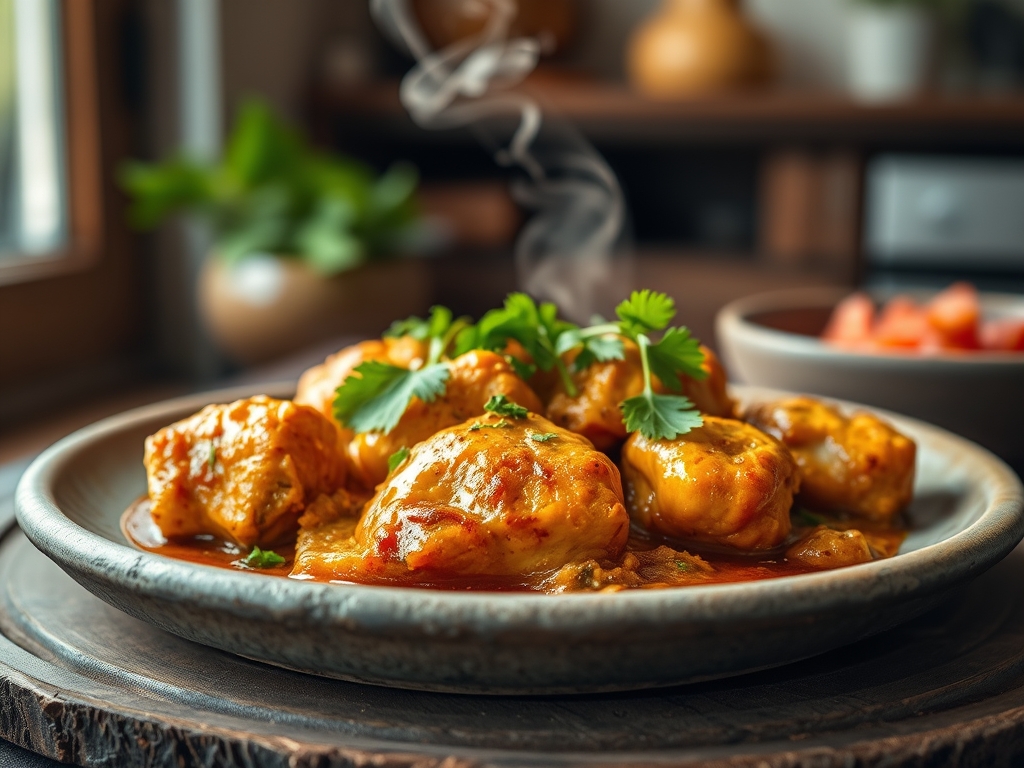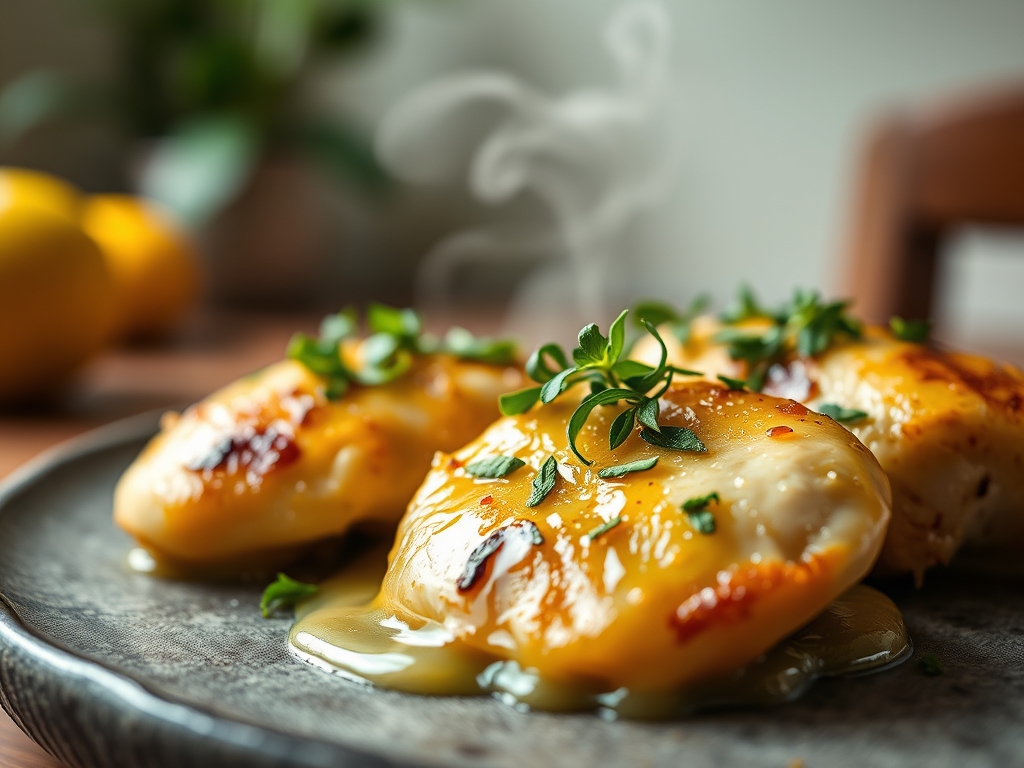
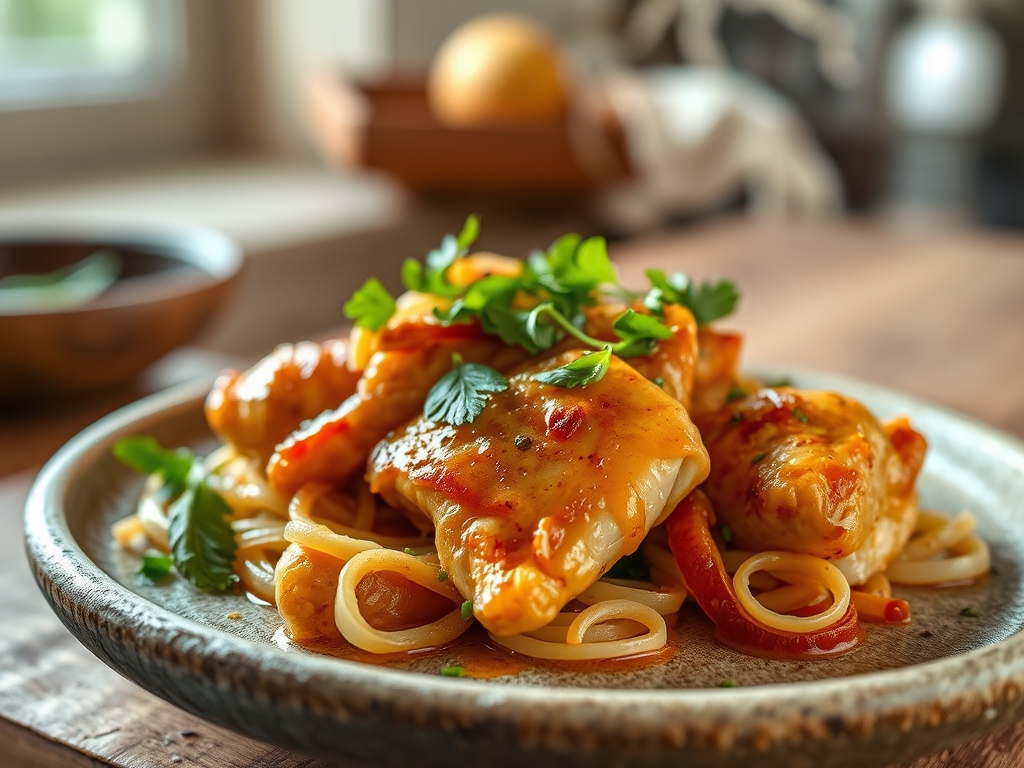
The scent of sizzling poultry and citrusy aromatics is a sensory siren call that defines the streets of Hanoi. When you dive into authentic lemongrass chicken recipes vietnamese, you are not just cooking dinner; you are orchestrating a complex chemical ballet of caramelization and botanical infusion. The goal is a perfect balance of salty, sweet, and piquant notes that cling to every fiber of the meat.
Imagine the high-heat sear of a heavy-bottomed skillet meeting the moisture of marinated thighs. The result is a lacquer-like glaze that glows under kitchen lights. This dish relies on the volatile oils of the lemongrass stalk to cut through the richness of the protein. We are going to master the art of the stir-fry by focusing on the molecular changes that occur when sugar meets high heat. By the end of this guide, your kitchen will smell like a bustling night market, and your chicken will have that elusive, restaurant-quality char.
The Gathers:
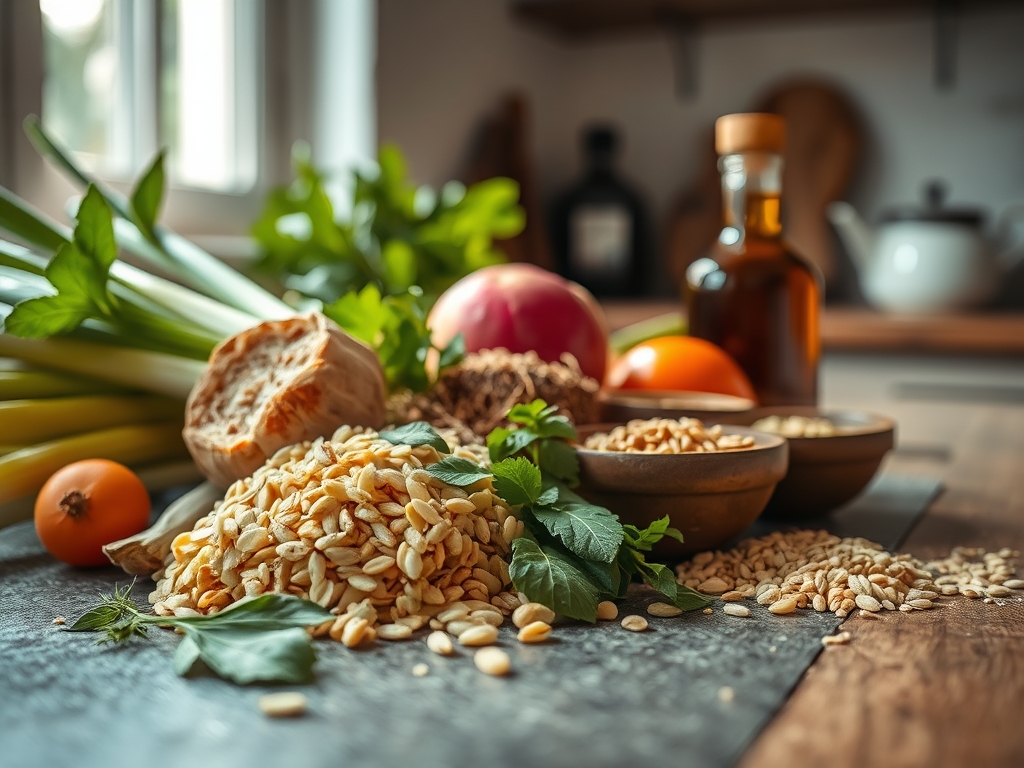
Setting up your mise-en-place is non-negotiable for high-heat cooking. You will need a sharp chef knife and a microplane to handle the fibrous texture of the lemongrass. Start with 1.5 pounds of boneless, skinless chicken thighs. Thighs are superior to breasts here because their higher fat content allows for a longer render time without drying out.
For the aromatics, gather four stalks of fresh lemongrass. You only want the pale, bulbous bottom third. Discard the woody tops or save them for a tea infusion. You will also need five cloves of garlic, two shallots, and three Thai bird's eye chilies for that signature heat. The liquid gold of this recipe is the marinade: high-quality fish sauce (look for 40N protein content), dark soy sauce for color, and honey or palm sugar to facilitate the Maillard reaction.
Smart Substitutions:
If fresh lemongrass is unavailable, use frozen minced lemongrass rather than the dried, woody stalks found in spice jars. If you are avoiding refined sugar, coconut aminos can replace both the soy and the honey, though the flavor profile will be less viscous. For those sensitive to heat, deseed the chilies or swap them for a pinch of white pepper to maintain the piquant edge without the burn.
The Clock
Efficiency in the kitchen is about "Chef's Flow," which means overlapping tasks to maximize flavor development. Your total active time is roughly 20 minutes, but the clock starts with the marinade.
- Prep (15 Minutes): This involves the precision dicing of your aromatics. Use a bench scraper to clear your board quickly.
- The Soak (30 Minutes to 4 Hours): This is the passive stage where osmosis allows the salt and aromatics to penetrate the cellular structure of the chicken.
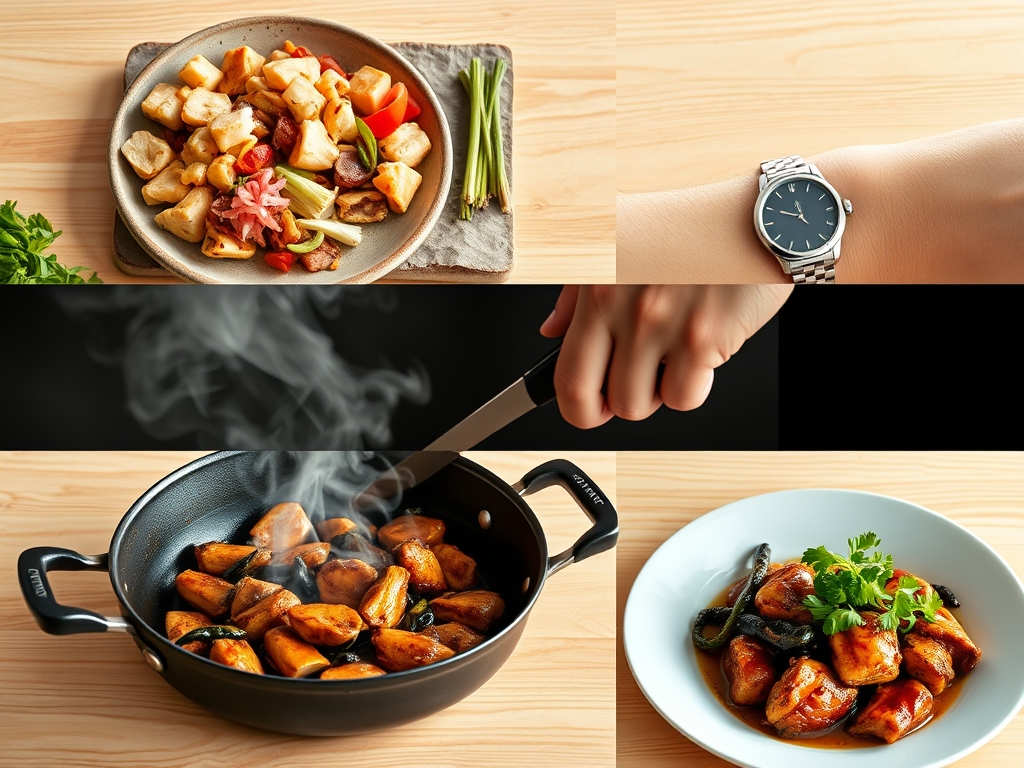
- The Sear (8 to 10 Minutes): This is the high-energy phase. We use a heavy-bottomed skillet or a carbon steel wok to maintain thermal mass.
- The Rest (3 Minutes): Essential for moisture retention.
The Masterclass
1. The Fine Mince
Using your microplane or a very sharp knife, mince the lemongrass until it resembles fine sawdust. The essential oils, specifically citral and geraniol, are trapped within the tough cell walls of the plant. A fine mince increases the surface area, ensuring these oils infuse the oil during the fry.
Pro Tip: This is called mechanical breakdown. By rupturing the plant's cell walls before they hit the heat, you prevent the "woody" mouthfeel often associated with poorly prepared lemongrass.
2. The Emulsified Marinade
In a saucier or small bowl, whisk together the fish sauce, honey, oil, and aromatics. Whisking creates a temporary emulsion, ensuring the fat-soluble flavors of the chili and garlic are evenly distributed across the protein. Coat the chicken thoroughly.
Pro Tip: The salt in the fish sauce acts as a dry brine, denaturing the protein strands so they can hold more moisture during the high-heat cooking process.
3. The Cold Start Prep
While the chicken marinades, ensure your skillet is bone-dry. We want to avoid "steaming" the meat. If you see excess liquid in the marinade bowl, use tongs to lift the chicken out, leaving the puddle behind. We want the meat to hit the pan with as little surface moisture as possible.
Pro Tip: Surface moisture is the enemy of browning. Evaporating water consumes energy that should be used for the Maillard reaction, which creates the savory flavor compounds we crave.
4. The High-Heat Sear
Heat two tablespoons of high-smoke-point oil (like avocado or peanut oil) in your skillet until it shimmers. Add the chicken in a single layer. Do not crowd the pan; work in batches if necessary. Let it sit undisturbed for three minutes to develop a crust.
Pro Tip: This is thermal mass management. Adding too much cold meat at once drops the pan temperature, causing the chicken to release juices and boil rather than sear.
5. The Aerate and Toss
Once a crust has formed, use your tongs to flip the pieces. Add any remaining bits of lemongrass from the marinade now. This prevents the delicate aromatics from burning during the initial high-heat sear while still allowing them to aerate and release scent.
Pro Tip: Lemongrass contains natural sugars that can burn quickly. Adding them halfway through the sear protects the flavor profile from becoming bitter.
6. The Glaze Deglaze
As the chicken finishes cooking, the sugars will begin to stick to the bottom of the pan, forming a "fond." Add a splash of water or lime juice to deglaze the pan. Scrape those brown bits up so they coat the chicken in a thick, savory lacquer.
Pro Tip: Deglazing uses a solvent (liquid) to lift flavor-dense caramelized proteins back into the dish, creating a built-in sauce without extra calories.
The Deep Dive
Macro Nutrition:
A standard serving of this lemongrass chicken is high in lean protein (approx 35g) and moderate in healthy fats. By using honey instead of white sugar, you gain trace minerals, though the caloric impact remains similar. It is naturally low in carbohydrates, making it an excellent centerpiece for a balanced meal.
Dietary Swaps:
- Vegan: Replace chicken with extra-firm pressed tofu or king oyster mushrooms. Use "No-Fish" sauce (made from pineapple and soy) to keep the umami profile.
- Keto: Swap the honey for a monk fruit sweetener and serve over cauliflower rice.
- GF: Ensure your fish sauce is certified gluten-free and use tamari instead of soy sauce.
The Fix-It:
- Too Salty: Add a squeeze of fresh lime juice. The acid provides a counterpoint to the sodium, tricking the palate into a more balanced perception.
- Tough Meat: You likely used chicken breast and overcooked it. Next time, use a digital scale to ensure even portioning and pull the meat at an internal temperature of 160F.
- Bitter Flavor: The lemongrass or garlic burned. To fix, add a teaspoon of brown sugar to neutralize the acridity.
Meal Prep & Reheating:
To maintain "day-one" quality, reheat the chicken in a skillet over medium heat with a teaspoon of water. This creates steam that rehydrates the protein. Avoid the microwave, which can cause the fats to go rancid and the meat to become rubbery through uneven heating.
The Wrap-Up
Mastering lemongrass chicken recipes vietnamese is a rite of passage for any home cook looking to elevate their stir-fry game. It is a dish that rewards patience during the prep and bravery during the sear. By understanding the science of the Maillard reaction and the importance of aromatic infusion, you have moved beyond following a recipe to understanding the "why" behind the flavor. Now, grab your tongs, get that skillet screaming hot, and go create something legendary.
The Kitchen Table
Can I use dried lemongrass for this recipe?
Dried lemongrass is too fibrous and lacks the volatile oils needed for a successful sear. If fresh is unavailable, use frozen minced lemongrass or a lemongrass paste to ensure the texture remains pleasant and the flavor stays vibrant.
How do I prevent the garlic from burning?
Add your minced garlic toward the end of the searing process. Garlic has a high sugar content and low water mass, meaning it can turn bitter in seconds under high heat. Tossing it in later preserves its sweetness.
What is the best way to cut lemongrass?
Remove the tough outer layers and use only the bottom four inches. Slice it extremely thin into rounds, then mince it further with a chef knife or use a microplane for a paste-like consistency that blends perfectly into the marinade.
Why are chicken thighs better than breasts?
Thighs contain more connective tissue and fat, which lubricates the meat during high-heat cooking. This prevents the chicken from becoming "stringy" and allows for a better sear while the interior remains juicy and tender.