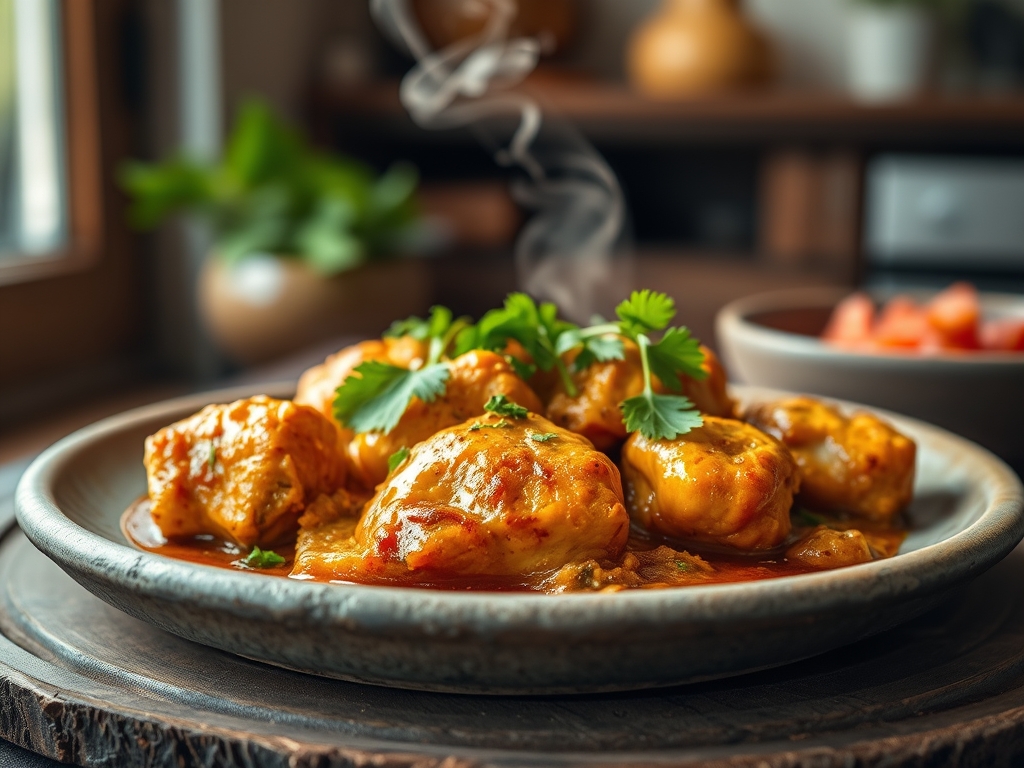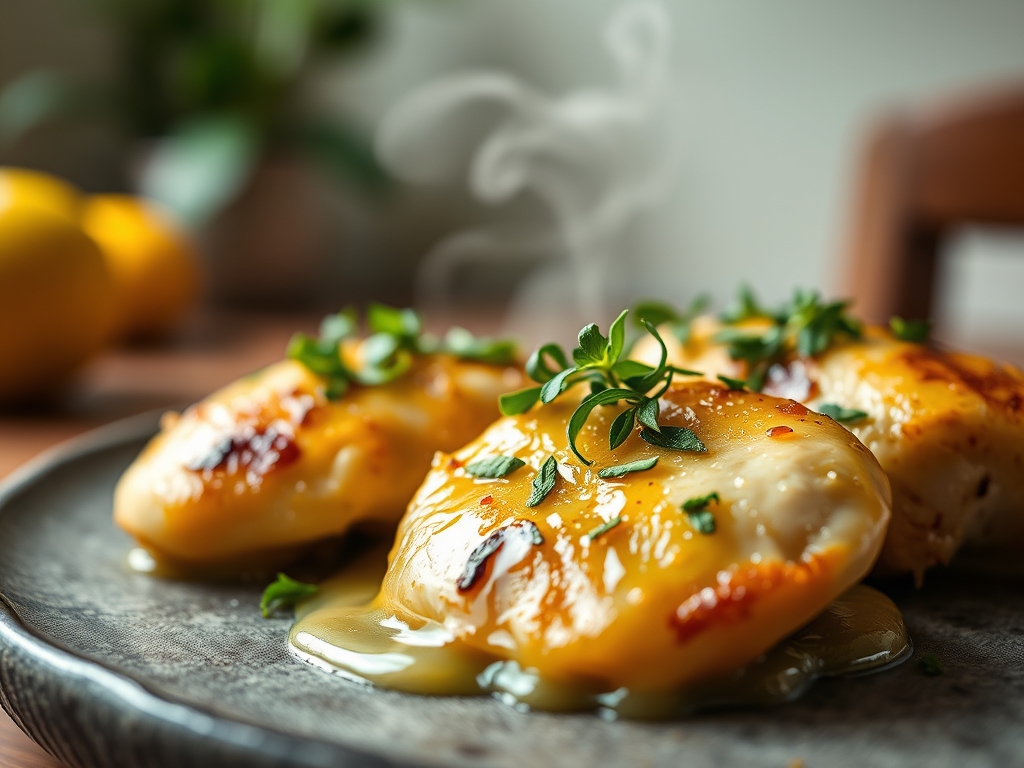
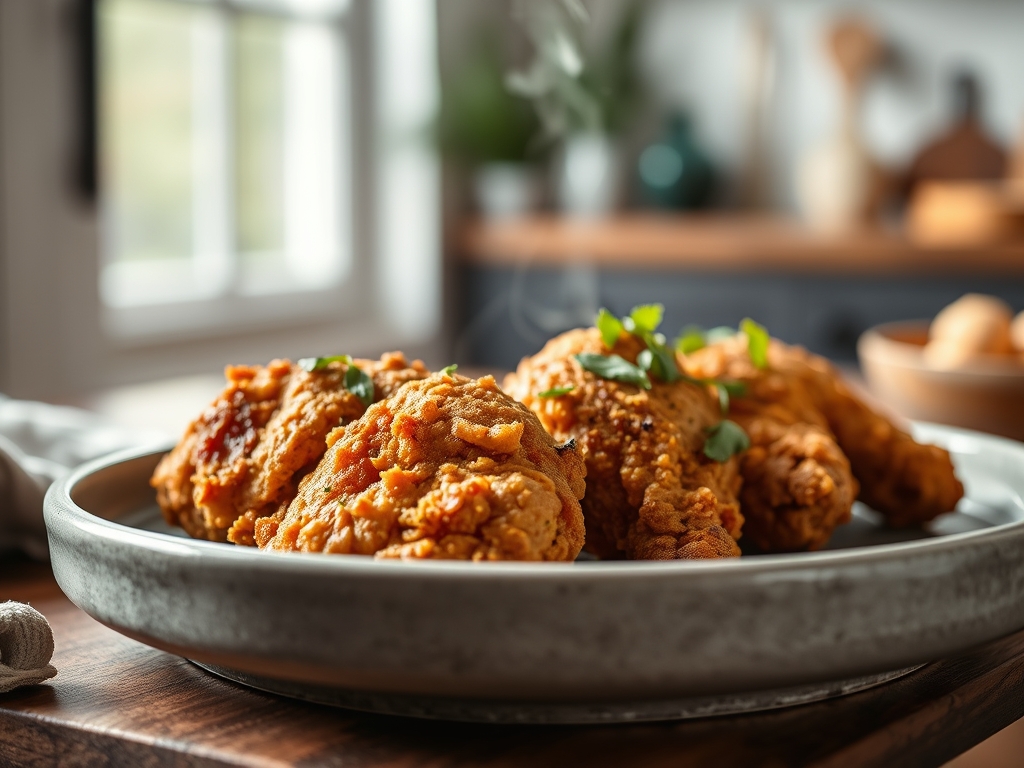
Listen to that sound. It is the unmistakable, rhythmic crackle of a golden crust yielding to a tender, steaming interior. We have all been there; chasing the ghost of a perfect drumstick without the heavy, oil-slicked guilt of a deep fryer. When you are hunting for fried chicken recipes air fryer enthusiasts swear by, you are not just looking for a meal; you are looking for a miracle of modern physics. We want that shatter-proof exterior and a juice-locked center that defies the dry heat of a convection fan. The secret is not just in the bird; it is in the molecular manipulation of starches and the strategic management of moisture. Today, we are stripping away the mystery of the air fryer. We are moving beyond "good enough" and stepping into the realm of professional-grade crunch. Grab your apron and clear the counter. We are about to transform a humble chicken breast into a masterpiece of Maillard-reaction magic that will make your favorite takeout spot look like an amateur operation.
The Gathers:
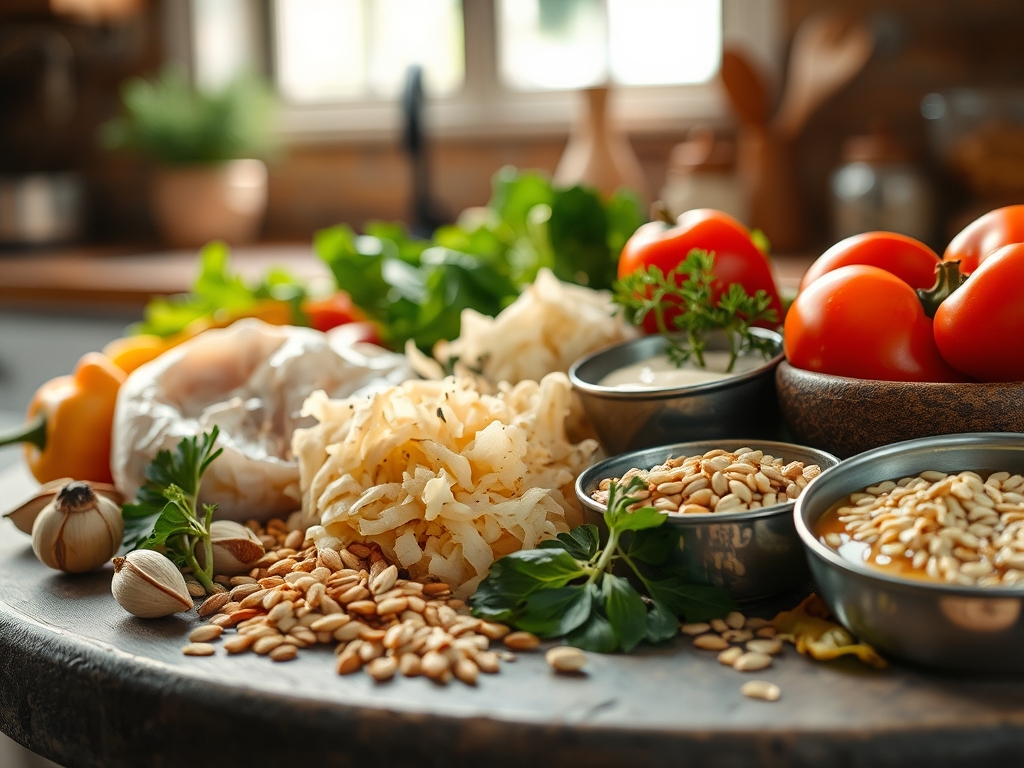
Setting the stage for the perfect crunch requires a meticulous mise-en-place. This is not the time for eyeballing measurements. Use a digital scale to ensure your dry ingredients are perfectly balanced; precision is the difference between a coating that clings and one that crumbles. You will need high-quality chicken thighs or breasts, patted bone-dry with lint-free towels to remove surface moisture. For the dredge, gather double-zero flour or a high-protein all-purpose flour, cornstarch for structural integrity, and panko breadcrumbs for that jagged, airy texture. Your spice cabinet should offer a piquant blend of smoked paprika, garlic powder, onion powder, and a generous pinch of cayenne.
Do not forget the binder. A viscous mixture of buttermilk and a single egg provides the protein glue necessary to anchor your crust. If you want to elevate the flavor profile, use a microplane to zest a hint of lemon into the flour or infuse your buttermilk with a dash of hot sauce.
Smart Substitutions:
If you are avoiding gluten, swap the flour for a 1:1 ratio of almond flour and potato starch. For a dairy-free binder, unsweetened soy milk mixed with a teaspoon of apple cider vinegar mimics the acidity and curdling effect of traditional buttermilk. If you lack panko, crushed pork rinds offer a keto-friendly alternative that provides an incredible, savory snap.
The Clock: Chef's Flow
Efficiency in the kitchen is about rhythm. Expect a total active prep time of 20 minutes, with a 30-minute marination window to allow the salt to denature the chicken proteins. The actual cooking time will span 15 to 22 minutes depending on the thickness of your cuts.
The "Chef's Flow" dictates that you prep your dredge stations while the chicken marinates. By the time your air fryer is preheated, your chicken should be at room temperature to ensure even heat penetration. Never rush the preheating phase; a cold air fryer leads to soggy bottoms and uneven browning.
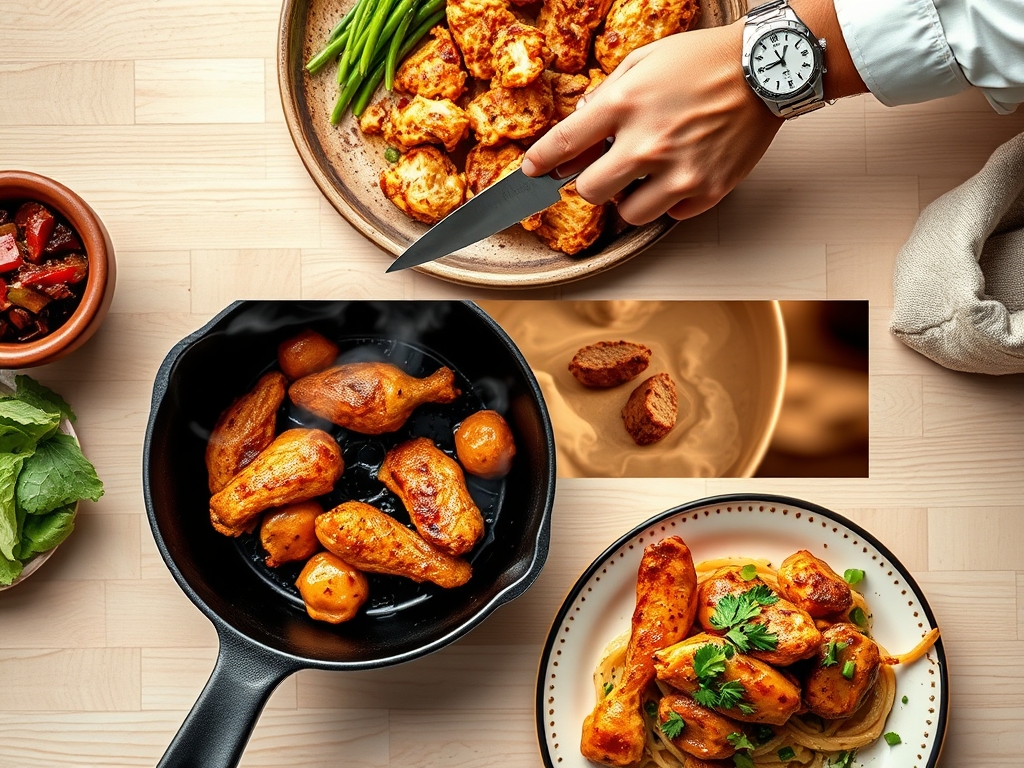
The Masterclass:
1. The Brine and Bind
Submerge your chicken in a seasoned buttermilk bath for at least 30 minutes. This allows the lactic acid to break down tough fibers while the salt penetrates deep into the muscle.
Pro Tip: This process utilizes osmosis to pull moisture into the cells. The acid also begins to denature surface proteins, creating a "tacky" surface that helps the flour adhere more effectively.
2. The Double-Dredge Method
Dredge the chicken in your seasoned flour, dip it back into the buttermilk, and finish with a final coat of panko. Press the crumbs firmly into the meat.
Pro Tip: Double-dredging creates a thicker barrier layer. This protects the meat from the high-velocity air, preventing the chicken from drying out before the exterior can fully crisp.
3. The Aeration Rest
Place your coated chicken on a wire rack for five minutes before cooking. This allows the flour to hydrate and the crust to "set."
Pro Tip: This rest prevents the coating from blowing off in the air fryer. It ensures the starches have fully absorbed the liquid, leading to better gelatinization once heat is applied.
4. The Oil Spritz Strategy
Use a high-smoke-point oil spray (like avocado or grapeseed) to lightly coat every inch of the breading. There should be no visible white flour spots.
Pro Tip: Without fat, the Maillard reaction cannot occur efficiently. The oil acts as a heat conductor, allowing for enzymatic browning across the entire surface area.
5. The Single-Layer Rule
Place chicken in the basket without overlapping. Space is your best friend; air must circulate around every millimeter of the bird.
Pro Tip: Overcrowding creates steam. Steam is the enemy of crispiness because it lowers the surface temperature, preventing the evaporation of moisture needed for a crunch.
6. The Mid-Point Flip
Use tongs to gently flip the chicken halfway through the cook time. Give it one more light spray of oil on the pale spots.
Pro Tip: This ensures even thermal distribution. The bottom of the basket often receives less direct airflow, so flipping compensates for the "shadow" cast by the top of the meat.
7. The Internal Temp Check
Use a digital thermometer to pull the chicken when it hits 160 degrees Fahrenheit. Do not wait for 165.
Pro Tip: Thermal carryover will continue to cook the meat once it is removed. Pulling it early ensures the breast remains succulent rather than stringy.
8. The Cooling Rack Finish
Never place hot chicken directly on a plate. Move it immediately to a clean wire rack over a bench scraper cleaned surface.
Pro Tip: Air needs to circulate under the chicken as it cools. If it sits on a flat surface, the escaping steam will condense and turn your beautiful crust into a soggy mess.
9. The Salt Shower
Dust the chicken with a fine sea salt immediately after it leaves the fryer.
Pro Tip: The residual oil on the surface is still liquid, allowing the salt to "stick" and infuse the crust before the fat solidifies.
10. The Rest Period
Wait three minutes before biting in. This allows the juices to redistribute from the center back to the edges.
Pro Tip: This is about capillary action. Resting ensures that when you bite in, the juice stays in the meat instead of running out onto your plate.
The Deep Dive:
From a macro perspective, this air-fried version is a nutritional powerhouse. By using only a fraction of the oil found in traditional frying, you reduce the caloric density by nearly 40 percent while maintaining a high protein-to-fat ratio.
Dietary Swaps:
- Keto: Use crushed pork rinds and parmesan cheese instead of flour and panko.
- Vegan: Use extra-firm tofu pressed with a heavy-bottomed skillet to remove water; use flax-eggs and almond milk as the binder.
- Gluten-Free: Cornstarch and rice flour provide an even crispier finish than wheat flour.
The Fix-It:
- Floury Spots: If you see white patches, you didn't spray enough oil. Fix it by spraying those spots mid-cook.
- Soggy Bottoms: This happens from overcrowding. Fix it by cooking in smaller batches or using a perforated parchment liner.
- Burnt Outside, Raw Inside: Your temperature is too high. Lower the heat by 25 degrees and increase the time.
Meal Prep:
To reheat, never use a microwave. Place leftovers back in the air fryer at 350 degrees for 3 to 4 minutes. This reactivates the fats and recrisps the starches for "day-one" quality.
The Wrap-Up:
Mastering fried chicken recipes air fryer style is about respecting the science of the crunch. By controlling moisture, maximizing airflow, and understanding the chemistry of the dredge, you have moved from a home cook to a culinary scientist. This chicken is proof that you do not need a vat of bubbling oil to achieve greatness. You just need heat, air, and a little bit of technical finesse. Now, go forth and conquer the kitchen; your perfect dinner is waiting.
The Kitchen Table:
Why is my air fryer chicken not crispy?
Lack of oil spray is usually the culprit. Without a light coating of fat, the flour cannot undergo the Maillard reaction. Additionally, overcrowding the basket creates steam, which softens the crust instead of hardening it.
Can I put raw chicken in the air fryer?
Yes, you can cook raw chicken directly in the air fryer. Just ensure it reaches an internal temperature of 165 degrees Fahrenheit. Always use a digital thermometer to verify safety and prevent overcooking the meat.
Do I need to use flour for air fryer chicken?
While flour helps create a traditional crust, it is not strictly necessary. You can use cornstarch for a lighter crunch, or even just a dry spice rub if you prefer a "naked" wing style without the heavy breading.
How do I keep breading from falling off?
The secret is the "rest" period. After dredging the chicken, let it sit on a wire rack for five minutes. This allows the moisture to hydrate the flour, creating a stronger bond that survives the high-velocity air.