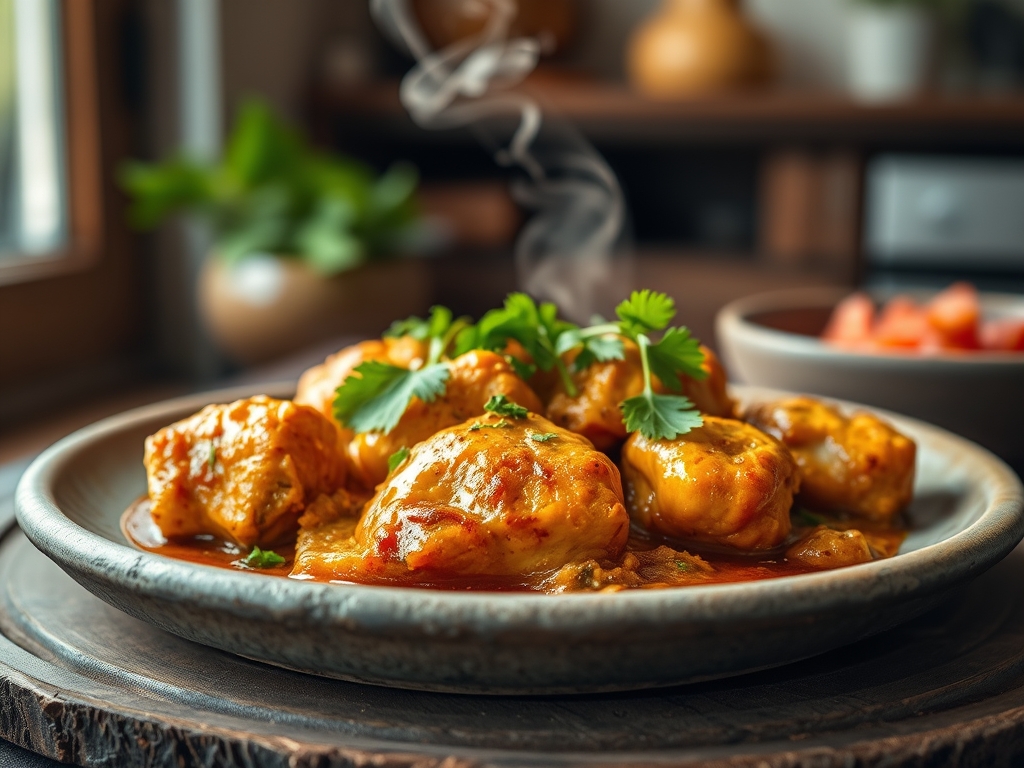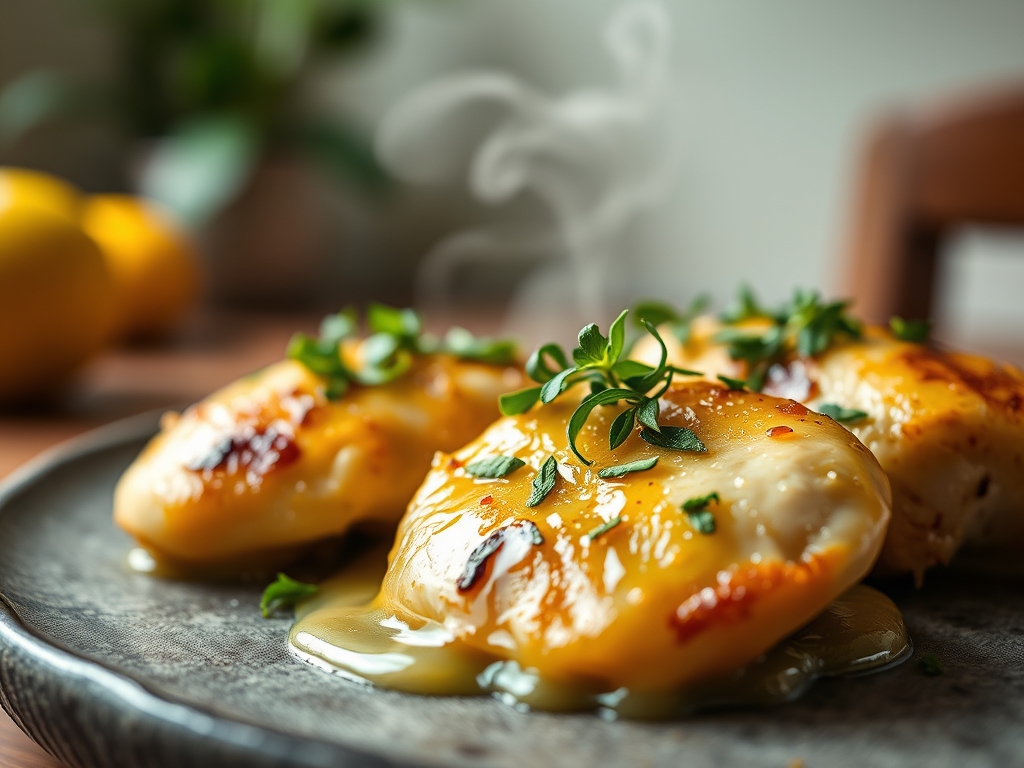
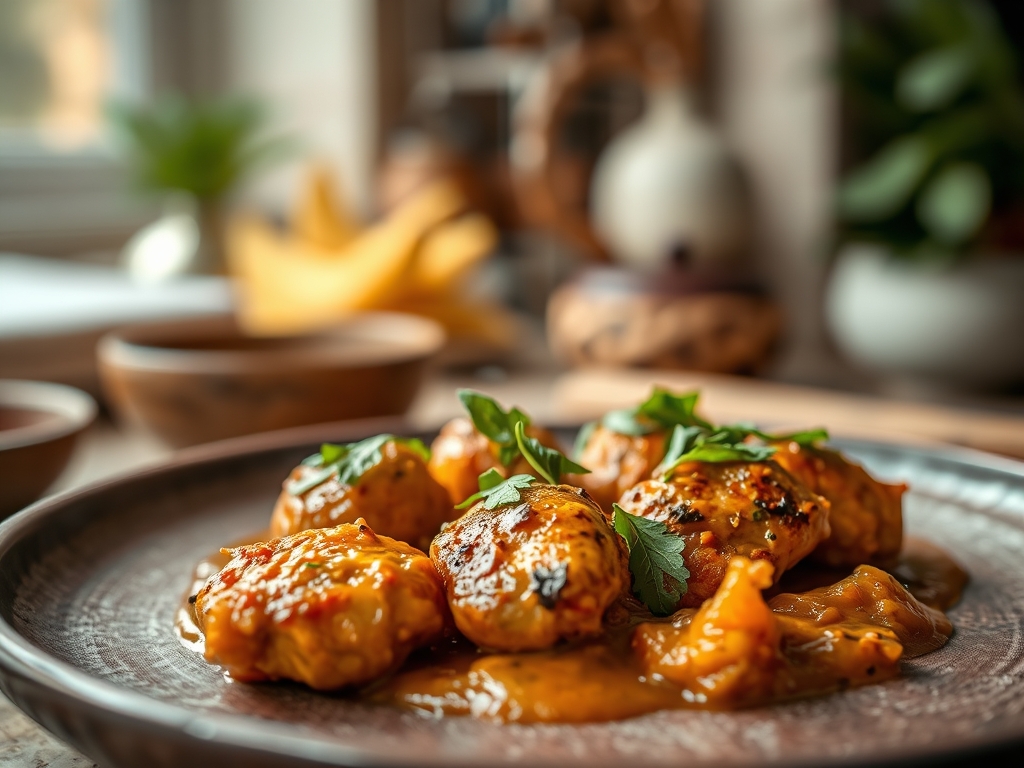
Imagine the scent of toasted cumin seeds hitting hot oil; it is a sharp, earthy crackle that wakes up your kitchen. When you are craving deep, soul-warming flavors but your schedule says otherwise, finding chicken recipes easy indian style is your absolute secret weapon. We are moving beyond the watery takeout curries of the past. Tonight, we are focusing on high-impact aromatics and the beautiful chemistry of the Maillard reaction to create eight stunning dishes that taste like they simmered for hours.
Indian cuisine is often perceived as intimidating because of the long ingredient lists, but the reality is all about technique and timing. By mastering a few foundational moves, you can rotate through classics like Butter Chicken, Pepper Fry, or a zesty Kadai Chicken without breaking a sweat. We are going to use professional-grade methods to ensure your poultry stays succulent while the sauces become thick and viscous. Whether you are a seasoned home cook or a total novice, these methods will elevate your weeknight rotation into something truly artisanal. Grab your favorite heavy-bottomed skillet and let's get to work.
The Gathers:
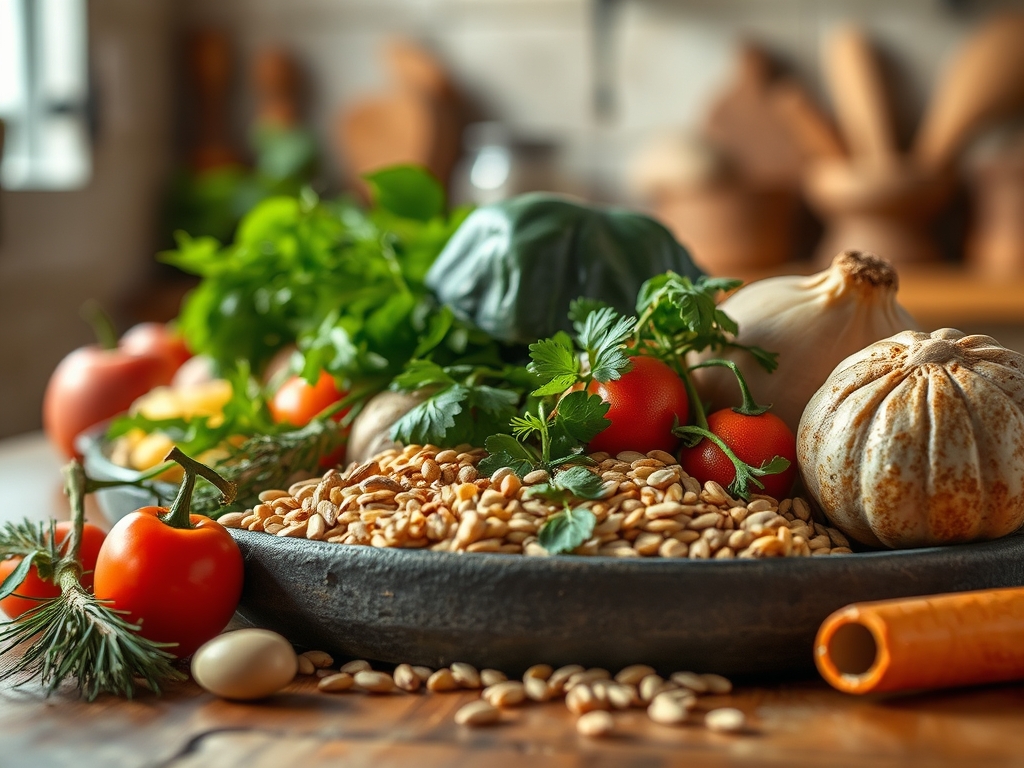
Your mise-en-place is the difference between a frantic kitchen and a rhythmic flow. For these chicken recipes easy indian classics, your primary focus is on the aromatics. Start with the "Holy Trinity" of Indian cooking: red onions, ginger, and garlic. Use a microplane to grate your ginger and garlic into a fine paste; this increases the surface area, allowing the volatile oils to release instantly when they hit the pan.
For the protein, always reach for boneless, skinless thighs. They contain more connective tissue and fat than breasts, which means they can withstand higher heat without drying out. If you are using a digital scale, aim for 500 grams of meat per four servings. Your spice kit should include turmeric for its earthy base, Kashmiri chili powder for that vibrant red hue without excessive heat, and toasted garam masala for the finish.
Smart Substitutions: If you lack fresh tomatoes, use two tablespoons of tomato paste deglazed with a splash of water to mimic that concentrated acidity. No heavy cream? A dollop of full-fat Greek yogurt or cashew cream provides the same luxurious mouthfeel. If you are out of fresh cilantro, a squeeze of lime juice provides the necessary piquant brightness to cut through the richness of the fats.
The Clock
Efficiency in the kitchen is about "Chef's Flow," which means overlapping tasks to minimize downtime. For most of these dishes, your prep time is approximately 15 minutes, with a cook time of 20 to 25 minutes. While your onions are browning, use that 8-minute window to chop your chicken and measure your dry spices.
The secret to speed is the saucier or a wide, deep pan. A wider surface area allows liquids to evaporate faster, concentrating the flavors and thickening the gravy in half the time of a narrow pot. Always allow your chicken to rest for five minutes after cooking; this allows the muscle fibers to relax and reabsorb the juices, ensuring every bite is tender rather than stringy.
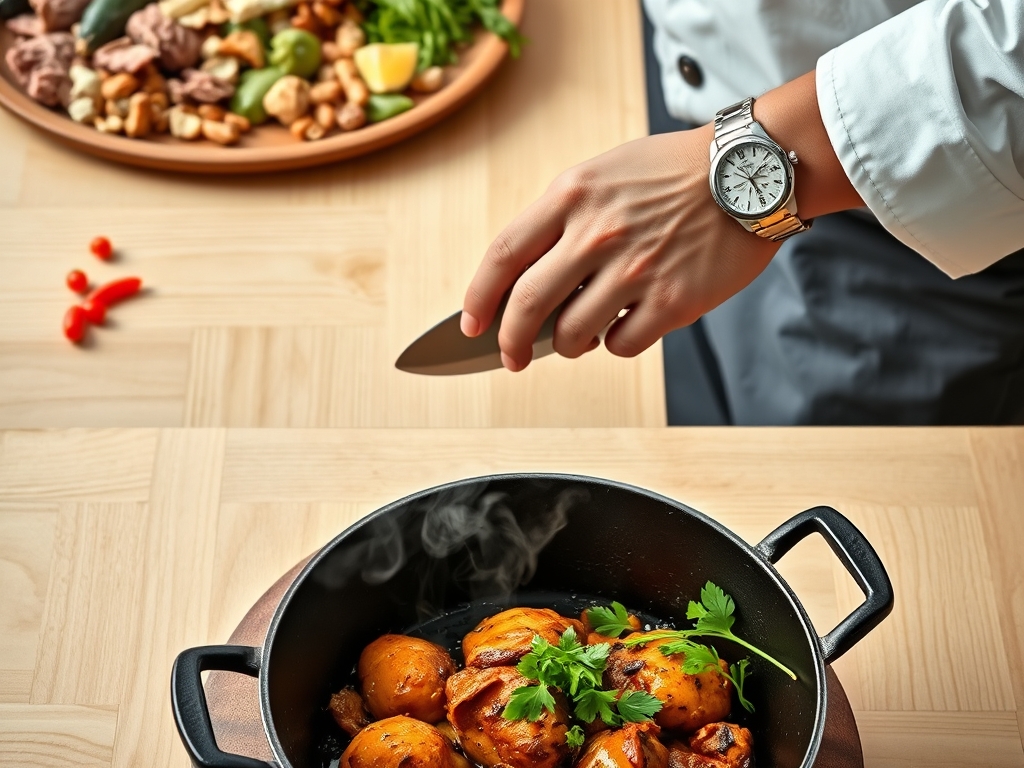
The Masterclass
1. The Tempering Phase
Start by heating your oil or ghee until it shimmers. Add whole spices like cinnamon sticks or cardamom pods.
Pro Tip: This process, known as tempering, uses fat as a solvent to extract fat-soluble flavor compounds from the spices, creating a more complex flavor base than adding ground spices later.
2. The Onion Caramelization
Add your finely diced onions to the pan. Do not rush this. You want them to turn a deep, golden brown.
Pro Tip: This is the Maillard reaction in action. The sugars and amino acids in the onions break down to create hundreds of new flavor compounds that provide the "umami" backbone of the curry.
3. The Paste Integration
Incorporate your ginger-garlic paste and green chilies. Sauté until the raw pungent smell dissipates.
Pro Tip: Garlic burns at a lower temperature than onions. Adding it after the onions have released their moisture protects the garlic from becoming bitter and acrid.
4. Searing the Protein
Increase the heat and add your chicken pieces in a single layer. Use tongs to turn them once they develop a crust.
Pro Tip: Searing the meat creates a flavorful crust through protein denaturation. This step locks in moisture and adds a savory depth that boiling the meat in sauce simply cannot achieve.
5. Spicing and Deglazing
Add your ground spices and a splash of water or tomato puree. Use a bench scraper or wooden spoon to scrape up the brown bits from the bottom.
Pro Tip: This is called deglazing. Those browned bits, or "fond," are concentrated flavor packets that dissolve into your sauce, creating a professional-level finish.
6. The Simmer and Emulsify
Lower the heat, cover, and let the chicken cook through. Finish with a splash of cream or yogurt.
Pro Tip: When adding dairy, turn off the heat first. This prevents the proteins from curdling, ensuring your sauce remains perfectly emulsified and silky.
7. The Aeration Finish
Stir in fresh herbs and a pinch of garam masala right before serving.
Pro Tip: Garam masala contains delicate "top-note" spices that are highly volatile. Adding them at the end ensures their fragrance doesn't evaporate during the long simmer.
8. The Final Rest
Remove the pan from the heat and let it sit for three minutes before plating.
Pro Tip: This utilizes thermal carryover. The internal temperature will rise slightly, finishing the cook perfectly without over-toughening the exterior of the chicken.
The Deep Dive
From a nutritional standpoint, these chicken recipes easy indian style are powerhouse meals. A standard serving of chicken curry provides roughly 35 grams of lean protein and is rich in anti-inflammatory compounds like curcumin from turmeric. To keep it Keto-friendly, swap the onions for leeks and use heavy cream. For a Vegan twist, replace the chicken with extra-firm tofu or chickpeas and use coconut milk.
The Fix-It:
- Too Salty? Drop in a peeled, raw potato for five minutes; it acts as a sponge for excess sodium.
- Too Spicy? Add a teaspoon of sugar or a dollop of dairy to neutralize the capsaicin.
- Thin Sauce? Remove a few pieces of chicken and blend a portion of the gravy, then stir it back in to increase the viscosity.
Meal Prep Science: These dishes actually taste better the next day. As the dish cools, the spices continue to infuse into the fat and the meat. When reheating, add a tablespoon of water and use low heat to avoid breaking the emulsion of the sauce.
The Wrap-Up
Mastering chicken recipes easy indian style is about more than just following a list; it is about understanding how heat, fat, and spices dance together in a pan. By using tools like a microplane for your aromatics and a heavy-bottomed skillet for even heat distribution, you are setting yourself up for a restaurant-quality result every single time. Now that you have the science down, go ahead and turn your kitchen into the best bistro in town. Happy cooking!
The Kitchen Table
How do I make my chicken curry more flavorful?
The secret is in the "Bhuna" process. Sauté your onions until they are deep brown and fry your spice paste until the oil starts to separate from the edges. This concentrates the flavors and creates a rich, savory base.
Can I use chicken breast for Indian recipes?
Yes, but be careful. Chicken breast dries out quickly. To keep it moist, sear it rapidly over high heat, then simmer it in the sauce for only 5 to 7 minutes until it reaches an internal temperature of 165F.
Why is my curry sauce grainy?
Grainy sauce usually happens when yogurt is added to a boiling liquid, causing it to curdle. Always whisk your yogurt first, turn the heat to low, and stir in a spoonful of hot gravy before adding it to the pan.
What is the best way to thicken an Indian gravy?
Avoid using flour or cornstarch. Instead, sauté your onions longer until they break down, or add a paste made from soaked cashews or almonds. This adds thickness while contributing a rich, nutty flavor to the final dish.