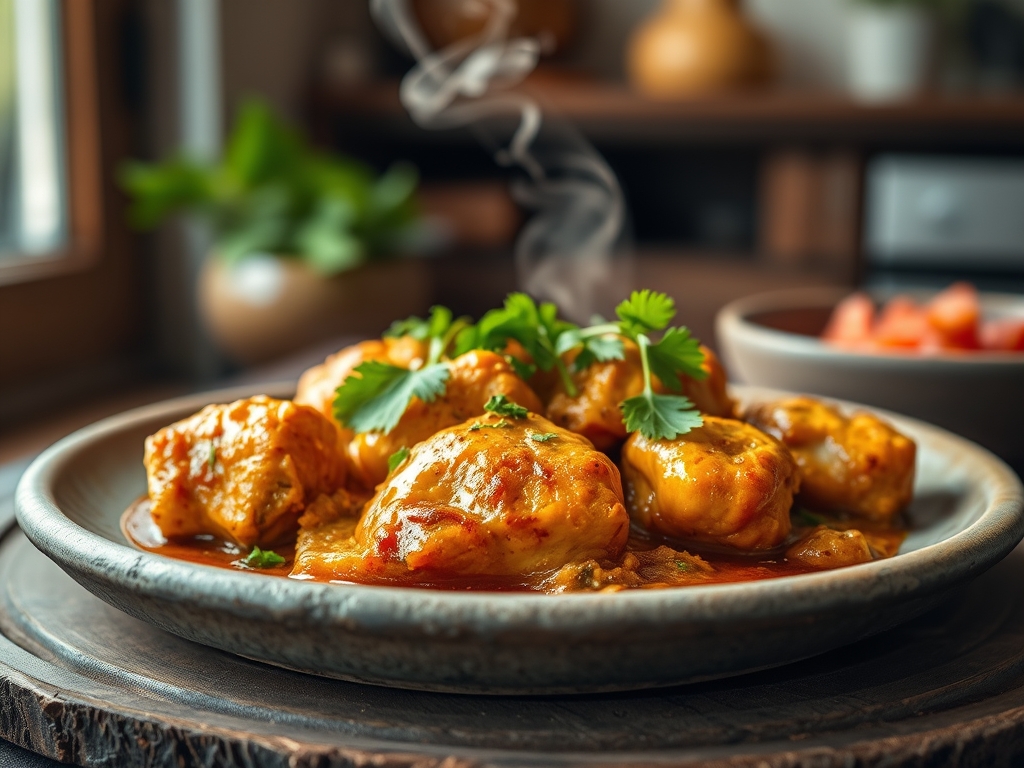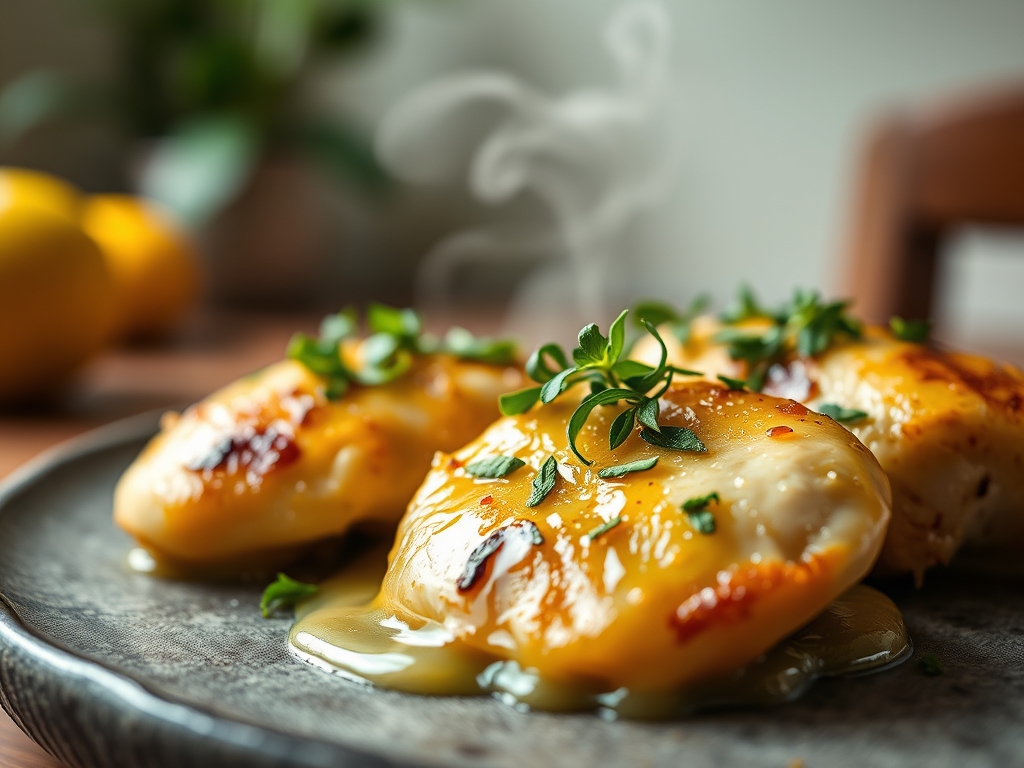
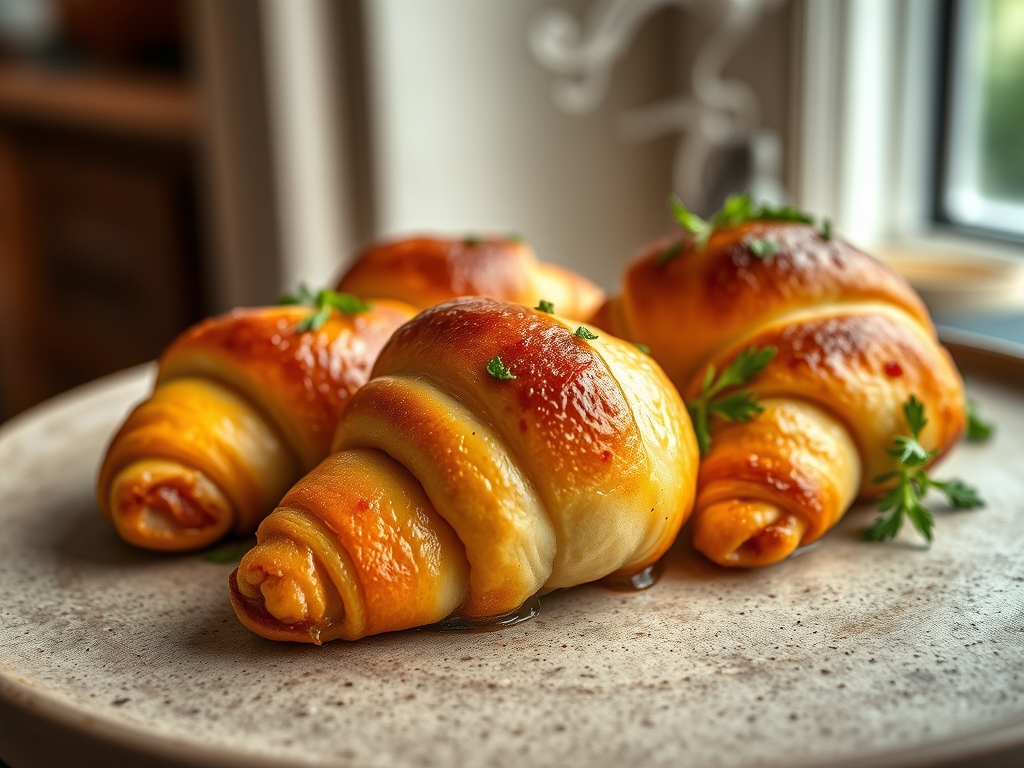
Imagine the sound of a pressurized canister popping open; that distinct thud is the universal starting gun for a weeknight culinary victory. We are diving deep into the golden, buttery world of pillsbury crescent rolls and chicken recipes to transform basic poultry into flaky, architectural masterpieces. Whether you are craving a savory braid or a handheld pocket, these ten variations leverage the unique chemistry of laminated dough to create a high-end dining experience in under thirty minutes.
There is a specific kind of magic that happens when cold fat meets a hot oven. As the layers of dough expand, they trap steam, creating that signature airy lift that pairs perfectly with the dense, savory protein of poached or roasted chicken. We are not just making dinner; we are engineering texture. Think of this as your masterclass in the Maillard reaction. We will be focusing on how to keep your fillings viscous enough to stay put while ensuring the exterior achieves a piquant, golden-brown finish. From creamy buffalo infusions to classic pot-pie-style bundles, these recipes are the ultimate intersection of convenience and gourmet science. Grab your apron and your favorite heavy-bottomed skillet; we are about to elevate the humble refrigerated dough to legendary status.
The Gathers:
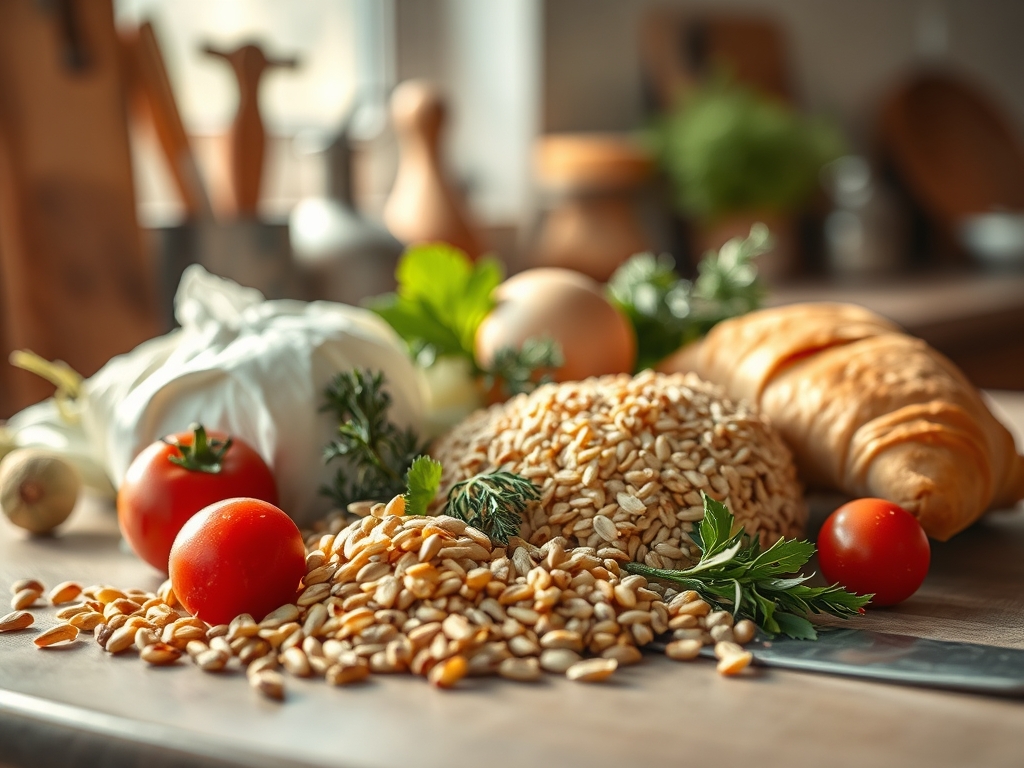
Setting up your mise-en-place is the difference between a frantic kitchen and a fluid one. For these pillsbury crescent rolls and chicken recipes, your primary reactant is the chicken itself. I recommend using rotisserie chicken for its pre-rendered fat and tender muscle fibers; however, if you are cooking from scratch, use a digital scale to ensure even portions. You will need a high-moisture binder, typically a combination of cream cheese or a heavy saucier-based gravy, to ensure the interior remains succulent during the high-heat bake.
Your toolkit is just as vital as your ingredients. You will want a microplane for zesting citrus or grating hard cheeses like Parmesan to add a sharp, acidic counterpoint to the buttery dough. A bench scraper is essential for cleanly dividing your dough triangles without compressing the delicate laminations. For the "Smart Substitutions," if you find yourself out of standard crescent rolls, puff pastry is a viable alternative, though it requires a lower baking temperature to account for its higher lipid content. If you need to lower the sodium, swap canned cream soups for a homemade veloute made with low-sodium stock and a light roux.
The Clock: Engineering the Flow
Efficiency in the kitchen relies on "Chef's Flow," which is the art of overlapping tasks to eliminate "dead air" time. Total prep for most of these recipes sits at a crisp 15 minutes, with a bake time of 18 to 22 minutes. While the oven preheats to a steady 375 degrees Fahrenheit, you should be shredding your poultry and mixing your aromatics. The goal is to have your bundles assembled the moment the oven chime sounds. This prevents the dough from reaching room temperature, which would cause the fat to melt prematurely and result in a leaden, greasy texture rather than a crisp, aerated crumb.
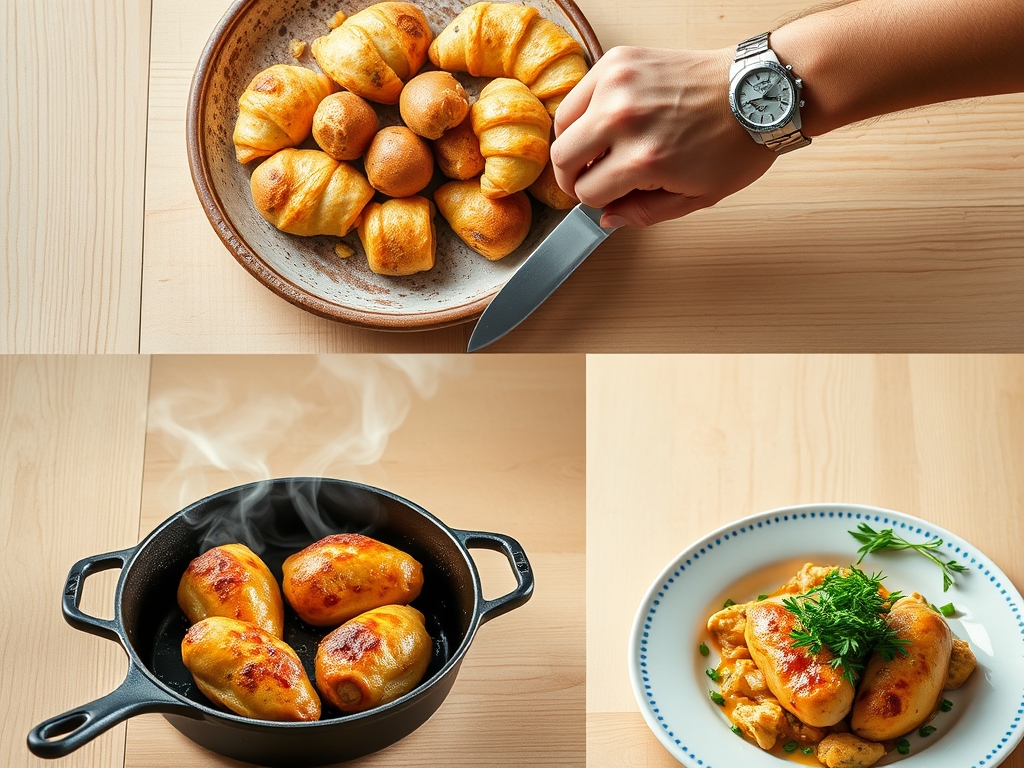
The Masterclass:
1. The Protein Prep
Begin by shredding your cooked chicken into uniform bite-sized pieces using two forks or a stand mixer with the paddle attachment. Pro Tip: Ensure the chicken is chilled or at room temperature before mixing with fats; adding hot chicken to cold cream cheese can cause the emulsion to break, leading to a greasy filling.
2. The Flavor Infusion
In a large mixing bowl, combine your chicken with your chosen aromatics; think minced chives, garlic powder, or a dash of hot sauce. Use a silicone spatula to fold in your binding agent until the mixture is cohesive and viscous. Pro Tip: This is where you introduce "umami" through ingredients like Worcestershire sauce or nutritional yeast, which enhances the savory profile through synergistic glutamates.
3. The Dough Deployment
Unroll your pillsbury crescent rolls onto a cool surface, preferably a marble slab or a silicone baking mat. Use a bench scraper to separate the triangles carefully. Pro Tip: Avoid over-handling the dough; the heat from your hands can melt the solid fats within the layers, inhibiting the steam-driven "lift" required for a flaky texture.
4. The Structural Assembly
Place a generous tablespoon of the chicken mixture at the wide end of each triangle. Roll the dough toward the point, tucking the edges to seal the filling inside. Pro Tip: Leave a small vent or "chimney" at the top of the roll to allow steam to escape; this prevents the dough from becoming soggy from the inside out.
5. The Glaze Application
Whisk one egg with a teaspoon of water to create an egg wash and brush it lightly over each roll. This is the secret to that professional, high-gloss finish. Pro Tip: The proteins in the egg wash undergo the Maillard reaction faster than the dough alone, providing a deep golden color and a slight structural "snap" to the crust.
6. The Thermal Transformation
Arrange the rolls on a parchment-lined baking sheet, ensuring at least two inches of space between each for proper airflow. Bake for 18 to 22 minutes. Pro Tip: Use an instant-read thermometer to ensure the internal temperature reaches 165 degrees Fahrenheit, while the exterior achieves a firm, toasted hue.
The Deep Dive:
When we look at the macro nutrition of these pillsbury crescent rolls and chicken recipes, we are looking at a balance of enriched carbohydrates and high-quality protein. On average, two rolls provide approximately 320 calories, 18 grams of protein, and 14 grams of fat. To optimize this for different lifestyles, consider these swaps. For a "Keto-adjacent" version, use a low-carb dough wrap; for vegans, replace the chicken with seasoned jackfruit and use a plant-based crescent dough (many commercial brands are accidentally vegan).
The "Fix-It" guide for common pitfalls:
- The Soggy Bottom: This usually happens if the filling is too watery. Fix this by adding a teaspoon of cornstarch to your filling to stabilize the liquids.
- The Blowout: If your filling leaks, you likely overstuffed the dough. Next time, use a cookie scoop for precise, consistent portions.
- The Pale Crust: If your rolls look anemic, your oven temperature might be inaccurate. Use an oven thermometer to verify the heat, as even a 10-degree variance can stall the browning process.
For meal prep, reheating is a science. Avoid the microwave, which vibrates water molecules and turns the dough rubbery. Instead, use an air fryer or toaster oven at 350 degrees for five minutes. This dry heat re-crisps the outer layers while gently warming the interior, maintaining that "day-one" quality.
The Wrap-Up:
Mastering pillsbury crescent rolls and chicken recipes is about more than just a quick dinner; it is about understanding how simple ingredients can be manipulated into something extraordinary. By focusing on temperature control, moisture balance, and the physics of lamination, you have turned a pantry staple into a gourmet vessel. Whether you are serving these at a frantic Tuesday dinner or a sophisticated Sunday brunch, the result is always the same: a chorus of "how did you make this?" and empty plates. Keep experimenting with your fillings, trust your digital thermometer, and never underestimate the power of a perfectly timed pop of a dough can.
The Kitchen Table:
Can I make these crescent rolls ahead of time?
Yes, you can assemble the rolls up to 24 hours in advance. Store them on a parchment-lined tray covered tightly with plastic wrap in the refrigerator. Bake them directly from the fridge, adding two minutes to the total cook time.
What is the best way to prevent the chicken filling from leaking?
Ensure your filling is thick and viscous, not runny. Using a binder like cream cheese or a reduced gravy helps. Additionally, crimp the edges of the dough firmly with a fork to create a mechanical seal before baking.
Can I use frozen chicken for these recipes?
You must fully thaw and cook the chicken before adding it to the crescent rolls. Using frozen or raw chicken will release too much moisture during the bake, resulting in a raw, doughy interior and an unsafe final internal temperature.
How do I get my crescent rolls to look professional?
The secret is a consistent egg wash and a sprinkle of "finishing" seeds like sesame or poppy. Using a pastry brush ensures even coverage, which promotes uniform browning and gives the rolls a high-end, bakery-style aesthetic.