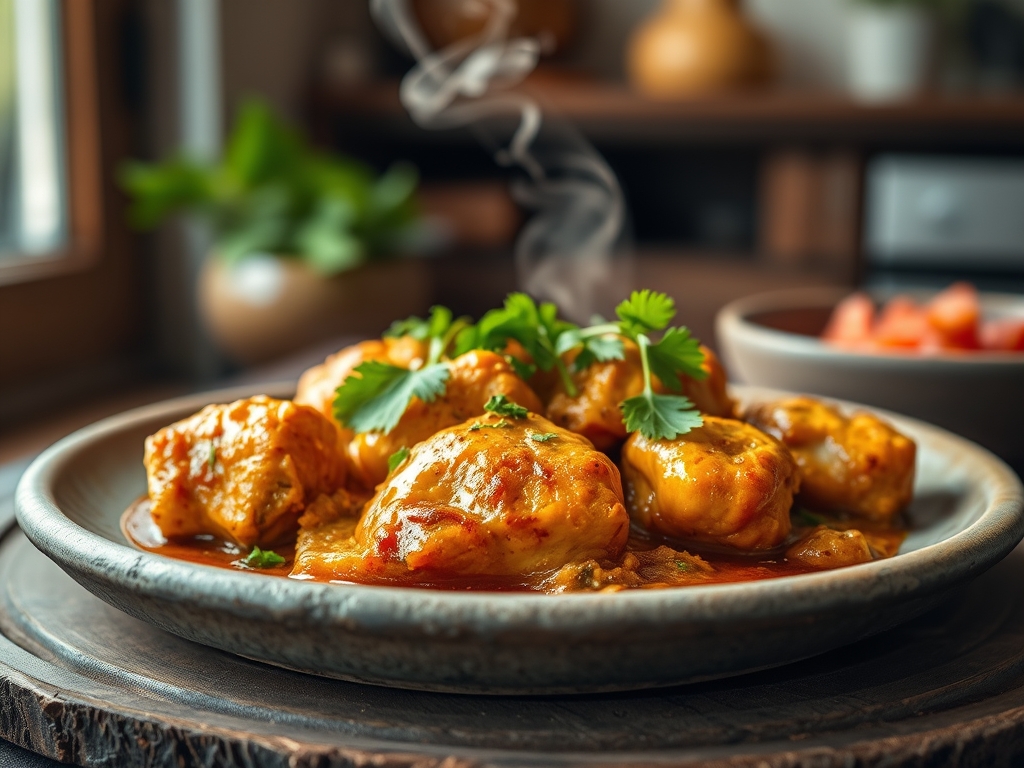
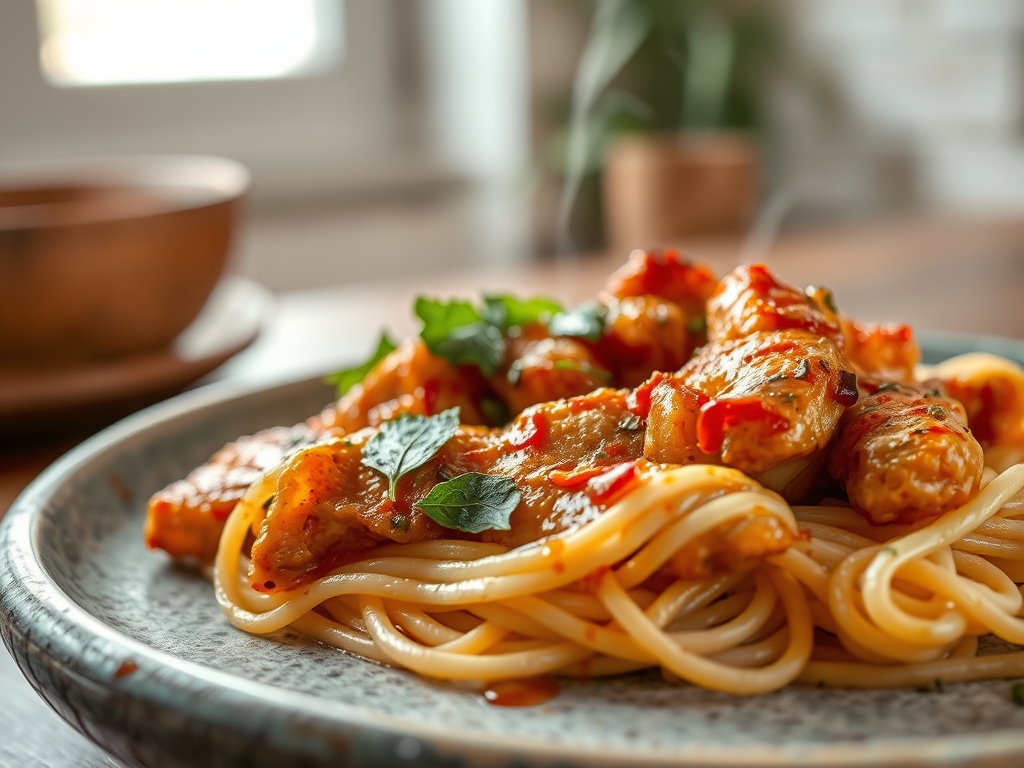
Picture this: a heavy-bottomed skillet shimmering with heat as thinly sliced poultry hits the surface. The sound is a violent, rhythmic sizzle that signals the start of the Maillard reaction. This is the foundation of the most addictive chicken recipes with rice noodles you will ever master. Within seconds, the kitchen fills with the scent of toasted ginger and garlic; a piquant aroma that promises a balance of salt, acid, and heat. Rice noodles are the ultimate culinary canvas. They are translucent, chewy, and capable of absorbing every drop of a viscous, savory sauce. Whether you are craving a fiery stir-fry or a silky, aromatic soup, the synergy between lean protein and rice-based starch is undeniable. We are moving past the soggy, flavorless takeout of your past. We are diving into the molecular magic that happens when you combine high-heat searing with the delicate hydration of rice flour. This is about more than just dinner; it is about mastering the physics of the wok and the chemistry of the emulsion to create a restaurant-quality experience in your own sanctuary.
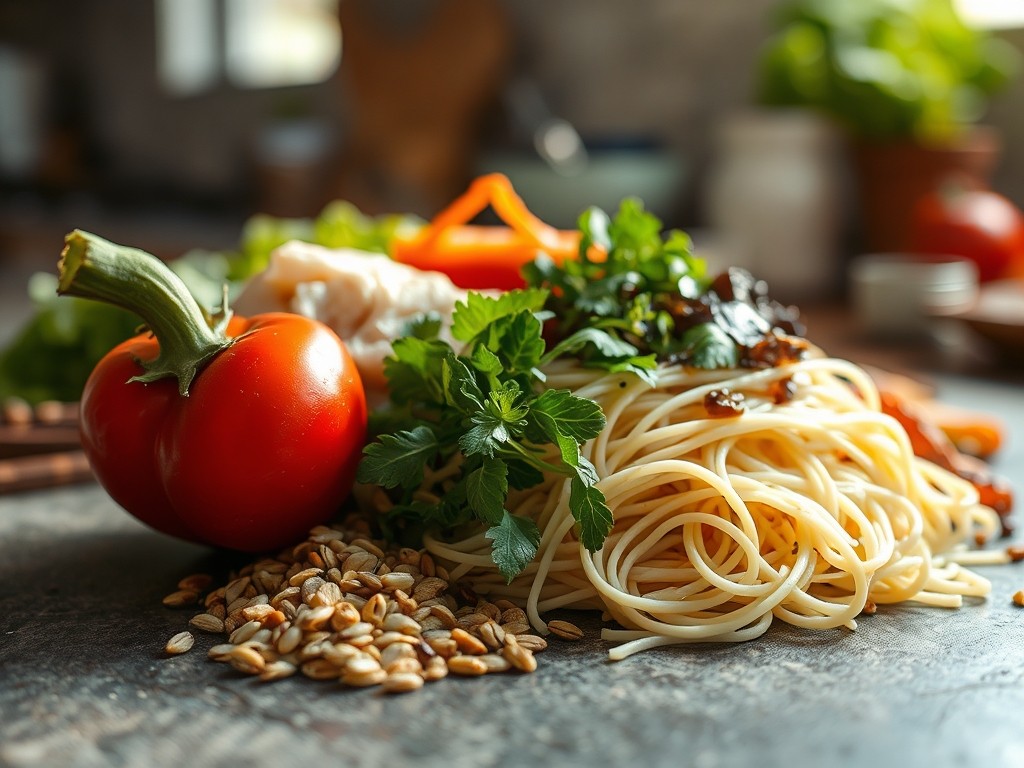
The Gathers:
Before we ignite the burners, we must respect the mise-en-place. Your station should look like a laboratory of flavor. Start with the protein: six ounces of chicken breast or thigh, sliced against the grain to shorten the muscle fibers for maximum tenderness. For the noodles, look for "Banh Pho" or dried vermicelli. These are not boiled; they are hydrated.
The aromatic base requires fresh aromatics. Use a microplane to grate ginger and garlic into a fine paste. This increases the surface area, allowing the essential oils to infuse the fat almost instantly. You will also need a high-smoke-point oil, such as grapeseed or avocado oil, to handle the thermal demands of the skillet.
Smart Substitutions:
If you are out of traditional rice noodles, sweet potato glass noodles offer a similar chewy elasticity. If you need a soy-free alternative, coconut aminos provide that deep umami profile with a lower glycemic index. For those seeking a brighter profile, swap lime juice for rice vinegar to achieve a similar piquant acidity without the citrus notes. Always keep a bench scraper nearby to quickly transfer your chopped aromatics from the cutting board to the pan without losing a single drop of flavor.
The Clock:
Efficiency in the kitchen is about the "Chef's Flow." This is the logical sequencing of tasks to minimize downtime.
- Hydration (15-20 minutes): This is passive time. While the noodles soak in lukewarm water, you perform your knife work.
- Prep (10 minutes): Slicing the chicken and whisking the sauce. Use a digital scale for your sauce ingredients to ensure a perfect 3:2:1 ratio of salt, sweet, and acid every time.
- The Sear (5 minutes): High-intensity heat. We are looking for rapid enzymatic browning.
- The Assembly (3 minutes): The final toss where the sauce emulsifies and coats the noodles.
Total active time is less than twenty minutes. The goal is to have the chicken finish its thermal carryover cooking just as the noodles reach their "al dente" state in the soaking liquid.
The Masterclass:
1. Hydrate the Rice Noodles
Place your dried noodles in a large heat-proof bowl and cover them with hot (not boiling) water. Use your tongs to agitate them occasionally to prevent clumping.
Pro Tip: This is about starch retrogradation. Using boiling water breaks down the exterior starch too quickly, leading to a gummy texture. Lukewarm water allows the core to hydrate evenly without compromising the structural integrity of the noodle.
2. The Velvet Sear
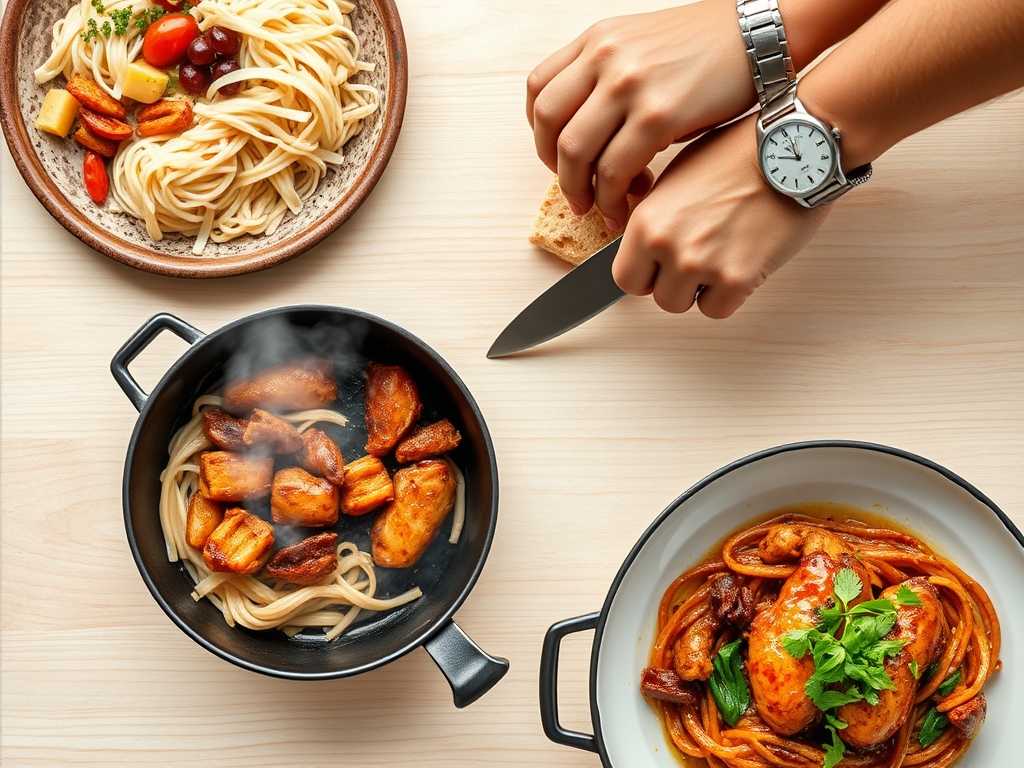
Pat your chicken dry with a paper towel. Heat your heavy-bottomed skillet until the oil wisps with smoke. Add the chicken in a single layer.
Pro Tip: This stage utilizes Maillard browning. By removing surface moisture, you allow the proteins and sugars to react at high temperatures (300F+), creating complex flavor compounds that a "wet" pan simply cannot produce.
3. Build the Aromatic Base
Push the chicken to the perimeter of the pan and drop your ginger, garlic, and scallion whites into the center.
Pro Tip: This is fat-soluble infusion. Many of the flavor compounds in aromatics are hydrophobic; they need fat to unlock their full potential. Toasting them briefly in the rendered chicken fat creates a more cohesive flavor profile.
4. Deglaze and Emulsify
Pour in your sauce (soy, fish sauce, brown sugar, and lime). Use a wooden spoon to scrape up the brown bits (fond) from the bottom of the pan.
Pro Tip: Deglazing releases the concentrated flavors stuck to the pan. As the liquid reduces, the sugars and proteins form a temporary emulsion, creating a glossy, viscous coating that will cling to the noodles.
5. The Final Toss
Drain the noodles and add them directly to the skillet. Use tongs to lift and rotate the noodles, ensuring every strand is coated.
Pro Tip: Starch absorption happens here. The hydrated noodles will pull in the excess moisture from the sauce, seasoning the noodle from the inside out while thickening the remaining liquid into a lacquer-like finish.
The Deep Dive:
Macro Nutrition:
A standard serving of these chicken recipes with rice noodles provides approximately 35 grams of protein, 45 grams of complex carbohydrates, and 12 grams of healthy fats. It is a balanced, high-energy meal that supports muscle recovery and provides sustained glucose release.
Dietary Swaps:
- Vegan: Replace chicken with pressed, extra-firm tofu or tempeh. Use "no-fish" sauce made from seaweed and mushrooms.
- Keto: Swap rice noodles for shirataki (konjac) noodles or spiralized zucchini. Replace sugar in the sauce with a monk fruit sweetener.
- Gluten-Free: Ensure your soy sauce is replaced with Tamari. Rice noodles are naturally gluten-free, making them a safe haven for celiac-friendly cooking.
The Fix-It:
- Clumpy Noodles: If your noodles stick together, you likely skipped the oil toss. Add a teaspoon of toasted sesame oil to the soaking water next time.
- Bland Chicken: If the protein lacks punch, you did not season the meat before it hit the pan. Always salt your chicken 10 minutes prior to cooking.
- Watery Sauce: If the sauce is too thin, you added the noodles before the liquid had a chance to reduce. Simmer the sauce for 60 seconds longer before the final assembly.
Meal Prep & Reheating:
Rice noodles can become brittle in the fridge. To restore "day-one" quality, do not use the microwave alone. Place the leftovers in a saucier with two tablespoons of water or broth. Cover with a lid and steam over medium heat for three minutes. This re-hydrates the starch molecules, returning the noodle to its original supple texture.
The Wrap-Up:
Mastering chicken recipes with rice noodles is like learning a new language; once you understand the grammar of heat and hydration, you can express yourself in infinite ways. From the crunch of a peanut garnish to the sharp bite of a fresh Thai chili, these dishes are a testament to the beauty of simple, high-quality ingredients treated with technical respect. Now, grab your tongs, fire up that skillet, and let the sizzle tell you when it is time to eat. You have the science; now go make it delicious.
The Kitchen Table:
How do I keep rice noodles from getting mushy?
Avoid boiling them on the stove. Instead, soak the noodles in hot tap water for 15 to 20 minutes until they are flexible but still have a firm "bite" in the center before adding them to the hot pan.
Can I use frozen chicken for these recipes?
Yes, but you must thaw it completely and pat it dry with paper towels. Excess moisture from frozen meat will steam the protein instead of searing it, preventing the Maillard reaction and resulting in a rubbery texture.
What is the best way to store leftover rice noodles?
Store them in an airtight container for up to three days. To reheat, add a splash of water and steam them in a covered pan on the stove to prevent the noodles from becoming dry and brittle.
What are the best aromatics for chicken and rice noodles?
The "holy trinity" of this dish consists of fresh garlic, ginger, and scallions. For extra depth, add lemongrass or shallots. Always sauté them briefly in fat to release their essential oils before adding liquid ingredients.