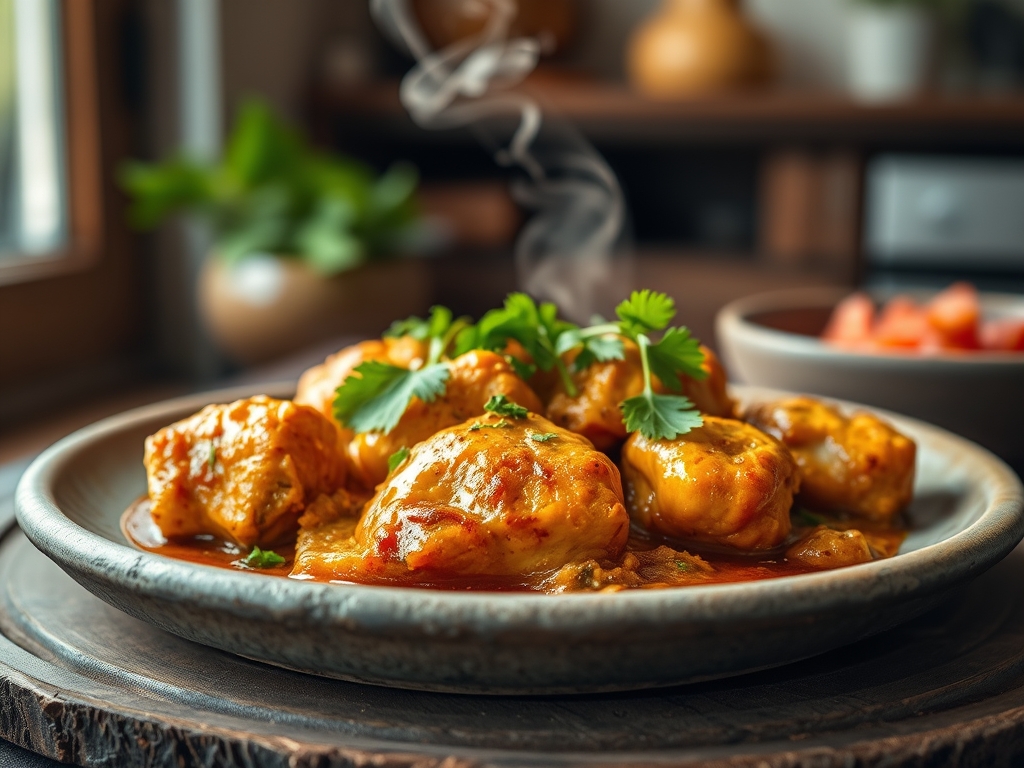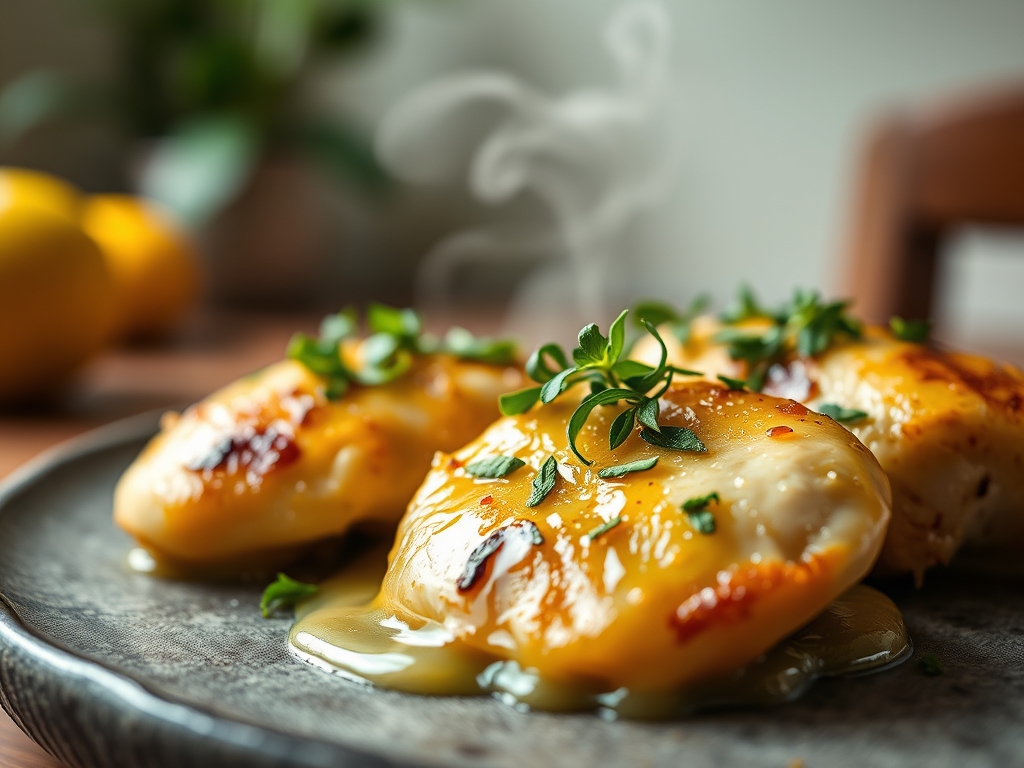
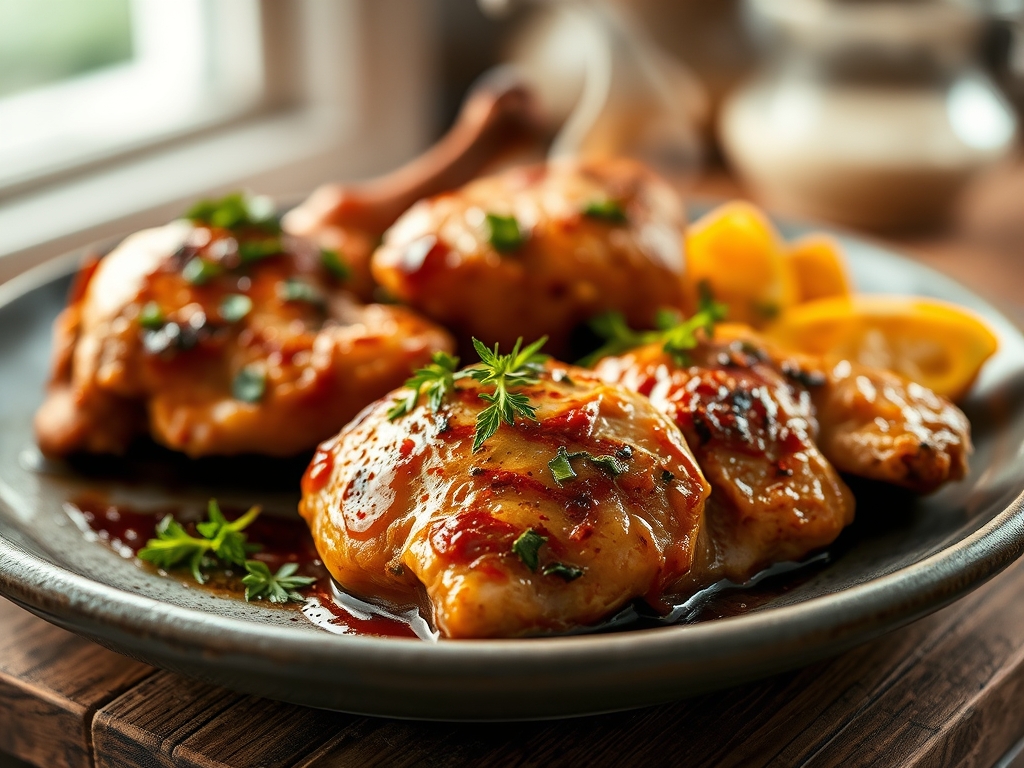
Imagine walking through the spice bazaar in Istanbul where the air is a heavy, golden tapestry of toasted cumin and smoked paprika. Your kitchen is about to become that sensory sanctuary because turkish food chicken recipes are the ultimate secret weapon for the home cook who craves high-impact flavor without the high-stress technique. We are moving beyond basic roasted poultry into a world of acidic marinades that break down connective tissue and high-heat searing that creates a complex crust. This is not just dinner; it is a molecular transformation of humble protein into something transcendent. We will explore eight iconic dishes, from the yogurt-marinated Tavuk Sis to the rich, walnut-thickened Circassian chicken, ensuring every bite is a masterclass in balance.
The Gathers:
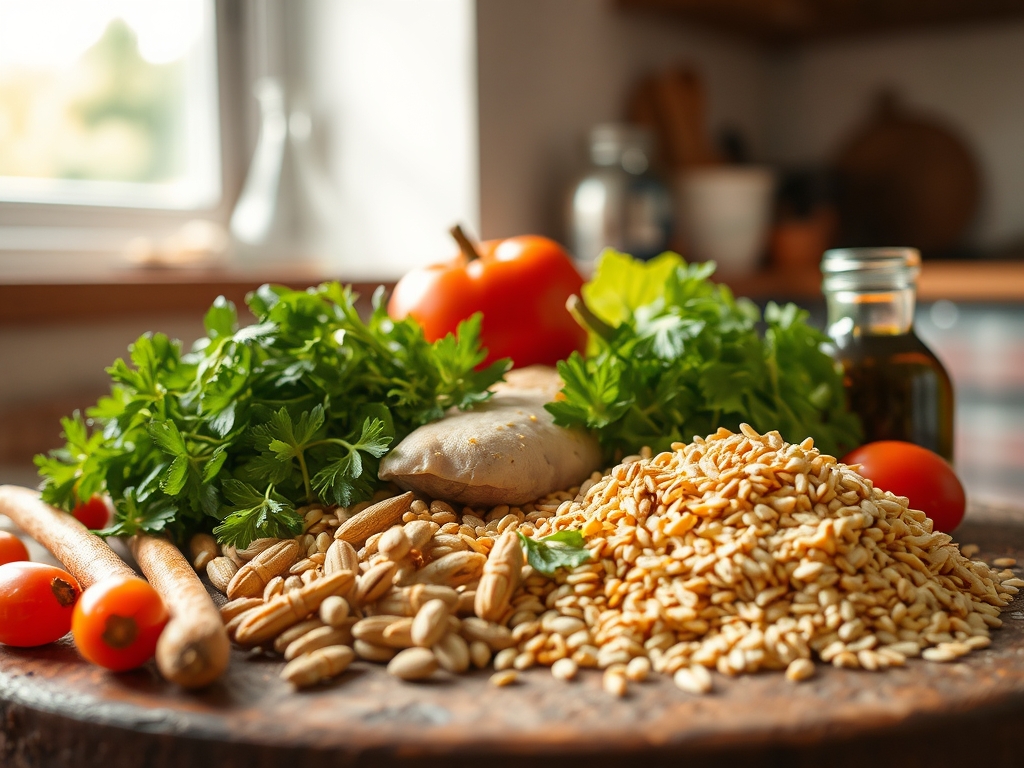
To execute these turkish food chicken recipes with precision, your mise-en-place must be impeccable. Start with the aromatics. You need Aleppo pepper (pul biber) for its oily, mild heat and sumac for its astringent, citrusy punch. The science of a Turkish marinade relies on lactic acid from full-fat yogurt; this serves as a gentle denaturant, tenderizing the meat without making it mushy like vinegar might.
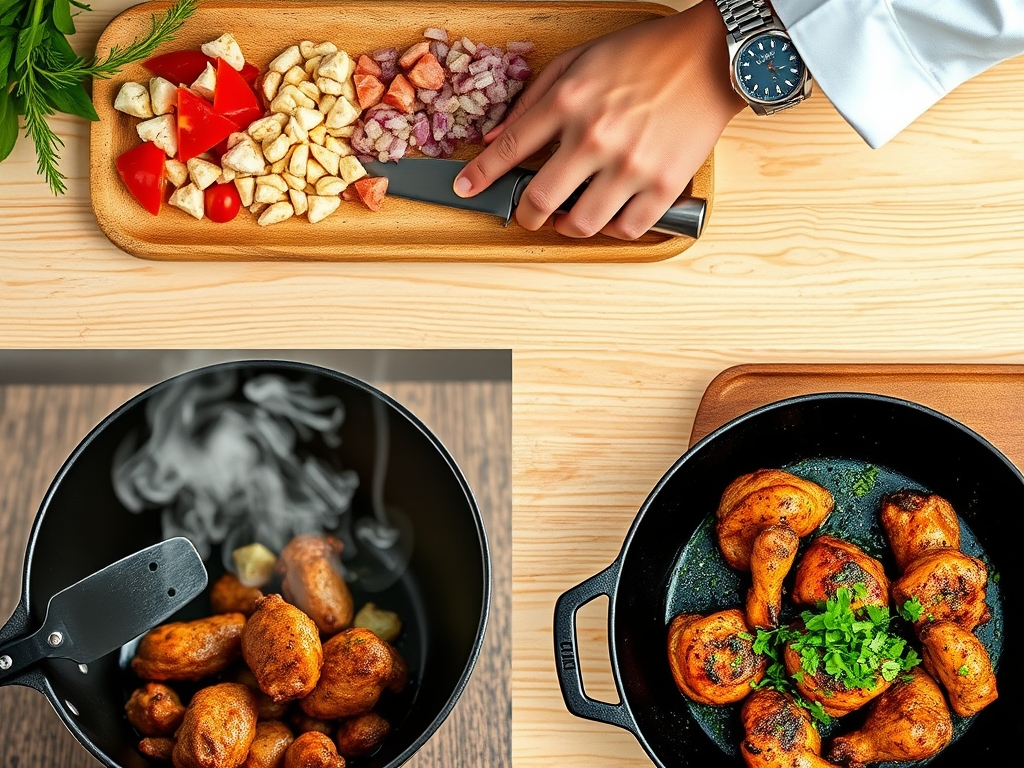
Grab your microplane for the garlic and lemon zest to ensure maximum surface area for flavor infusion. You will also need a heavy-bottomed skillet or a cast iron grill pan to achieve the necessary Maillard reaction on the skin. If you cannot find Urfa Biber, a mix of smoked paprika and a tiny pinch of espresso powder acts as a "Smart Substitution" to mimic that deep, fermented profile. Always keep a high-quality tomato paste (salca) and red pepper paste on hand; these are the viscous foundations of almost every Turkish sauce.
The Clock
The "Chef's Flow" for these dishes is all about the marinade window. While the active prep time is a brisk 25 minutes, the biological magic happens during the 4 to 12-hour resting period. Chicken thighs require more time than breasts to allow the fats to render properly during the cook. Total cook times vary from the quick 12-minute sear of a kebab to the 45-minute gentle simmer of a stew. Plan to marinate in the morning so that by 6:00 PM, you are simply managing heat and timing.
The Masterclass
1. The Acid-Base Balance
Start by whisking your yogurt, tomato paste, and lemon juice in a saucier. This creates an emulsion that will coat the chicken evenly. Use a digital scale to measure your spices; precision here prevents the cinnamon or cloves from overpowering the piquant notes of the peppers.
Pro Tip: The calcium in yogurt activates enzymes in the meat that break down proteins. This is called enzymatic tenderization, which results in a texture that is far superior to water-based brines.
2. The Skewer Technique (Tavuk Sis)
Thread your cubed chicken onto metal skewers, leaving a tiny gap between each piece. If the meat is too crowded, it will steam rather than sear, depriving you of that smoky charred flavor. Use tongs to rotate them every three minutes over high heat.
Pro Tip: This gap allows for convectional airflow, ensuring the heat hits all sides of the cube simultaneously for an even cook and consistent internal temperature.
3. The Walnut Emulsion (Circassian Chicken)
For this shredded dish, you must crush walnuts until they release their oils. Use a food processor to create a thick paste, then slowly infuse it with warm chicken stock. The goal is a velvety, viscous sauce that clings to the fibers of the chicken.
Pro Tip: Walnuts contain high levels of polyunsaturated fats. When heated gently with stock, they create a natural emulsification that mimics the richness of heavy cream without the dairy.
4. The Saute and Deglaze (Tavuk Sote)
In your heavy-bottomed skillet, sear peppers and onions until they reach caramelization. Add the chicken and use a wooden spoon to deglaze the pan with a splash of water or stock, scraping up the browned bits (the fond) which contain concentrated umami.
Pro Tip: Deglazing is a thermal shock that lifts caramelized sugars and proteins off the pan. This incorporates the "browned" flavor profile directly into the sauce.
5. The Slow Braise (Chicken Kapama)
This dish involves nesting seared chicken into a bed of rice and stock. Use a tight-fitting lid to trap steam, allowing the rice to absorb the rendered chicken fat. This is a lesson in lipid absorption, where the starch molecules swell with flavored fats.
Pro Tip: Use the thermal carryover method. Remove the pot from heat when the rice is 95% done; the residual steam will finish the cooking without scorching the bottom.
6. The Paper-Thin Roast (Tavuk Gogsu)
While often a dessert, the savory version involves poaching breast meat until it can be shredded into microscopic fibers. Use a bench scraper to help gather and manipulate the meat into a fine paste.
Pro Tip: Shredding the meat while it is still warm utilizes the pliancy of collagen. Once the meat cools, the fibers stiffen and become much harder to break down.
7. The Pomegranate Glaze
In the final minutes of grilling, brush your chicken with a reduction of pomegranate molasses. The high sugar content will quickly undergo pyrolysis, creating a dark, sticky, and tart crust that cuts through the fat.
Pro Tip: Apply the glaze only at the end. Because pomegranate molasses has a low burn point, adding it too early results in carbonization (bitterness) rather than caramelization.
8. The Aerated Garlic Sauce (Toum-style)
While technically Levantine, many Turkish regions serve an airy garlic whip with chicken. Use a blender to aerate garlic cloves, oil, and salt into a stable foam. This provides a sharp, sulfurous contrast to the charred meat.
Pro Tip: The lecithin in the garlic acts as a natural stabilizer. Slow-pouring the oil is crucial to maintaining the colloidal suspension of the foam.
The Deep Dive
Nutritionally, these turkish food chicken recipes are powerhouses. A standard serving of Tavuk Sis provides roughly 35g of protein with minimal saturated fat if using breast meat. For a Keto version, swap the rice for cauliflower pilaf sautéed in butter. Vegan friends can substitute chicken with oyster mushrooms, which have a similar fibrous structure and hold the yogurt-based (use soy yogurt) marinade beautifully.
The Fix-It:
- Dry Meat: If your chicken is dry, you likely skipped the resting phase. Let it sit for 5 minutes to allow juice redistribution.
- Bland Sauce: Your tomato paste didn't cook long enough. You must fry the paste in oil until it turns a dark brick red to remove the metallic "tinny" taste.
- Soggy Skin: Your pan wasn't hot enough. You need the Leidenfrost effect where the moisture evaporates instantly, allowing the skin to crisp.
Meal Prep: To reheat, avoid the microwave which causes "warmed-over flavor" due to lipid oxidation. Instead, use a pan with a tablespoon of water and a lid to re-steam the meat, preserving the moisture.
The Wrap-Up
Mastering turkish food chicken recipes is about more than just following a list of ingredients; it is about understanding how heat, acid, and fat interact to create depth. Whether you are charring skewers for a summer party or simmering a comforting walnut stew on a rainy Tuesday, these techniques give you the confidence of a professional chef. Now, grab your tongs, fire up the stove, and let those spices sing.
The Kitchen Table
How do I keep chicken skewers from drying out?
Always use chicken thighs for higher fat content and marinate in full-fat yogurt for at least four hours. The lactic acid breaks down tough fibers, while the fat provides a protective thermal barrier during high-heat grilling.
What is the best substitute for Turkish red pepper paste?
Mix double-concentrated tomato paste with a teaspoon of smoked paprika and a pinch of cayenne. This mimics the thick, savory, and slightly spicy profile of "Biber Salcasi" while maintaining the necessary viscous texture for authentic sauces.
Can I make these recipes in a slow cooker?
Yes, specifically the stews and braises. However, you must sear the chicken in a heavy-bottomed skillet first to trigger the Maillard reaction. Without this step, the dish will lack the complex, savory depth characteristic of Turkish cuisine.
Why is my yogurt marinade curdling on the grill?
Small amounts of curdling are normal as proteins denature, but using room-temperature chicken and full-fat yogurt reduces this. The "curds" actually toast and become delicious browned bits that add texture and umami to the finished dish.